
When we think of a home, we often envision a collection of rooms, each filled with personal stories and cherished belongings. Yet, teh magic truly happens when these spaces come together to create a cohesive narrative-a visual flow that guides the eye and the spirit from room to room. Just as a skilled artist weaves together colors and shapes on a canvas, so too can we design our living environments to foster a sense of harmony and connection. In this article, we will explore a variety of innovative ideas to enhance the flow of visual elements throughout your home. Whether you’re contemplating a complete redesign or simply looking to refresh a single space, these strategies will help you craft a seamless journey that not only delights the senses but also elevates the everyday experience of your living space. Let’s dive into the world of curated aesthetics and discover how to transform your home into a symphony of style and serenity.
Enhancing Spatial Harmony with Open Concepts
Embracing an open concept design can considerably enhance the spatial harmony of your home, creating a seamless visual flow that encourages both movement and interaction. By removing physical barriers, such as needless walls and doors, you can allow natural light to permeate throughout your space, producing an airy ambiance that fosters a sense of serenity. To maximize this affect, consider using a cohesive color palette that ties together different areas, creating a unified aesthetic. Incorporating large mirrors can also amplify this sense of openness, reflecting light and making spaces feel larger than they are.
In addition, strategic furniture placement plays a vital role in maintaining flow across an open layout.Opt for multi-functional pieces that marry style with practicality,such as a chic ottoman that provides both seating and storage. Here are some useful tips for optimizing your space:
- Utilize area rugs to define different zones without obstructing the view.
- Incorporate visual pathways using elements like low-profile shelving or clear materials.
- Use plants or artwork to create focal points that draw the eye through the space.
when designing your open concept, think about the rhythm and movement of your home, mirroring the seamless transitions of nature. This thoughtful approach not only encourages a welcoming atmosphere but also embodies a sophisticated living experience that truly feels harmonious.
Strategically placing Focal Points for Impact
To craft a visually engaging home,consider the strategic placement of focal points that draw attention and create harmony throughout your spaces. These points can serve as anchors around which the rest of the room flows,enhancing both aesthetics and functionality. Some potential focal points include:
- A striking piece of art: Use bold, colorful artwork to capture the viewer’s eye and define the ambiance of the room.
- A unique piece of furniture: A vintage chair or a sleek coffee table can serve as a statement piece that stands out.
- A statement light fixture: A beautifully crafted chandelier can become a stunning centerpiece in any dining area or living room.
- A gorgeous view: Utilize large windows or sliding doors to highlight scenic outdoors, bringing nature inside.
Incorporating these focal points effectively requires thoughtful consideration of scale, balance, and alignment. Position larger elements in a way that complements the overall layout while ensuring smaller decorative pieces enhance rather than overwhelm.Create a cohesive flow by using similar colors or materials among the focal points and surrounding decor. This can be visualized through the following table:
| Focal Point | Complementary Elements |
|---|---|
| Art Piece | Matching cushions,neutral walls |
| Furniture | Accent rugs,throws |
| Light Fixture | Similar metals,ambient lighting |
| Window View | Indoor plants,light curtains |
Color Coordination Techniques to Unify Spaces
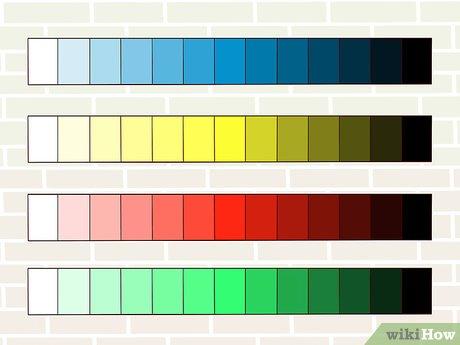
To create a harmonious atmosphere throughout your home, it’s important to consider the principle of color coordination. Start by selecting a color palette that reflects your personal style while ensuring visual continuity between different spaces. You can use a monochromatic scheme, with varying shades of one color, to evoke tranquility. Alternatively, a complementary scheme pairs contrasting colors for a vibrant, energetic feel. Here are a few techniques to effectively utilize color coordination:
- Accent Walls: Choose a bold color for an accent wall that ties together the adjacent rooms.
- Consistent Textiles: Use similar patterns or colors in curtains, cushions, and rugs to link different areas.
- Artwork Integration: Select artwork that incorporates colors from the surrounding rooms to create a cohesive look.
Along with selecting a unified color scheme, consider the flow of natural light and how it affects color perception in your spaces. Colors can appear different under varying lighting conditions, so it’s advisable to test paint samples at different times of the day. If you’re undecided on color relationships, a simple table can help you visualize the interplay:
| Color Pair | Effect |
|---|---|
| Soft Blue & White | Calm and serene |
| Mustard Yellow & navy | Bold and energetic |
| Muted Green & Beige | Natural and soothing |
Incorporating Texture and Layering for Depth
Creating visual flow in your home is all about the interplay of texture and layering. By combining different materials and finishes, you can break the monotony and invite the eye to wander.start by incorporating a variety of textiles such as plush throw pillows, woven rugs, and soft blankets. Mix in sleek metal accents and natural wooden elements to create contrast. Consider adding a glossy ceramic vase next to a matte bowl to enhance this combination further. Each layer you introduce enhances the depth of your space, making it feel both inviting and cohesive.
To effectively utilize layering, think in terms of scale and dimension. Avoid flat surfaces by rising and falling in height with your decor pieces. For example:
| Layer | material | Effect |
|---|---|---|
| First Layer | Wooden Console Table | Grounds the space |
| Second Layer | Vibrant Textile Runner | Adds color and warmth |
| Third Layer | Assorted Vases | Creates varying heights |
| Fourth Layer | Framed Artwork | Draws the eye upward |
By thoughtfully arranging these elements, you create a sense of rhythm and balance throughout your home. Remember, the key lies in juxtaposition-mix smooth and rough textures, light and dark colors, and large and small items. This approach doesn’t just add visual interest; it crafts a narrative within your space, inviting guests to explore and experience the layers you’ve woven together.

Utilizing Natural Light to Guide Movement
Harnessing the power of sunlight can transform the way movement flows through your home, fostering a sense of warmth and fluidity. Strategically positioning mirrors and reflective surfaces can amplify natural light, spreading it further into darker corners. Consider incorporating these elements for a harmonious design:
- Large windows that invite sunlight and create a seamless connection with the outdoors.
- Glass doors that offer unobstructed views and illuminate spaces while providing easy access to gardens or patios.
- Skylights for overhead brilliance, adding a touch of unexpected delight in rooms like bathrooms or hallways.
Additionally, the use of color plays a significant role in how light is perceived and reflected. Light hues such as whites, soft pastels, and even vibrant colors can enhance the flow of natural light, giving spaces an airy feel. Pairing these colors with a thoughtful layout can enhance movement flow, guiding the eye seamlessly from one area to another:
| Color Choice | Effect on light |
|---|---|
| white | Maximizes brightness and reflects more light. |
| Pale Blue | Creates a calming atmosphere while enhancing light. |
| Soft Yellow | Adds warmth and evokes a cheerful mood. |
Future Outlook
As we draw the curtains on our exploration of visual flow within your home, remember that the journey to harmonize your space is not just about aesthetics; it’s a reflection of your individuality. The ideas we’ve shared serve as stepping stones,guiding you toward a sanctuary that feels cohesive and inviting. Whether you choose to embrace bold colors,seamless transitions,or curated decor,the key lies in crafting a narrative that resonates with your personal style.
As you embark on this creative endeavor, let your intuition and unique tastes lead the way. A home that flows visually is one that tells a story-your story. By weaving together elements that resonate with you,you’ll cultivate an environment that inspires and nurtures. So, gather your ideas, unleash your creativity, and step into the rhythm of your space. After all, the magic of a home lies not just in what we see, but in how it makes us feel. Happy decorating!