

Speckled like a constellation caught beneath your feet, terrazzo has returned from the quiet of mid-century corridors and municipal lobbies to claim a subtle, more personal spotlight in contemporary interiors.Once prized for its durability and cheap practicality, this composite of marble, glass, and cement has been reimagined by designers and makers who bend its storied past toward modern palettes, custom inlays, and more enduring materials.
This revival isn’t just about nostalgia; it’s about possibility. Terrazzo’s mosaic-like surface can anchor a room or whisper across a backsplash,and its scale and color can be dialed from architectural boldness to a gentle tactile detail. But with so manny DIY hacks and high-gloss incarnations circulating, the difference between tasteful and overbearing can be surprisingly small.
in the pages that follow we’ll explore why terrazzo is having its moment, how contemporary techniques are reshaping its look, and practical guidelines for using it with restraint-whether you’re renovating a kitchen, updating a bathroom, or adding character to a hallway. Think of this as a primer in measured exuberance: how to let terrazzo sing without letting it take the whole chorus.
Terrazzo Returns with New Confidence: What Is Different and Why it effectively works
Once relegated to mid-century nostalgia, terrazzo has been reimagined with cleaner lines, contemporary colors and smarter mixes that make it feel fresh rather of retro. manufacturers are blending traditional marble chips with recycled glass, porcelain and engineered aggregates bound in high-performance resins, producing surfaces that are lighter, more durable and easier to maintain. The result is a material that reads modern at any scale: fine, subtle flecks for a calm, minimalist floor or large, bold chips for a striking accent wall. Designers are also pairing terrazzo with matte metals, warm woods and soft textiles to temper its visual texture and anchor it in today’s interiors.
Use it with restraint and intention-think of terrazzo as a statement material rather than a wallpaper. Practical tips:
- Introduce it as a focal floor, backsplash or bathroom vanity rather than cladding every surface.
- Match terrazzo’s scale to the room: tiny chips in small spaces, dramatic aggregates in open plans.
- Lean on complementary neutrals and single-tone furniture to let the pattern sing without competing.
| Scale | Best Use | Fast Tip |
|---|---|---|
| Fine | Powder rooms, countertops | Pair with matte fixtures |
| Medium | Kitchen backsplashes, accent walls | Anchor with warm wood |
| Bold | Open-plan floors, storefronts | Keep surrounding palette simple |
Choosing Color, Chip Size and Base for Scale, Mood and longevity
Color, chip size and the base you choose determine whether terrazzo whispers or sings. A pale base will visually enlarge a room and give terrazzo an airy, understated mood, while a deep, colored base anchors a space and makes chips pop.Keep the chip palette tight and tonal for a refined, timeless look; introduce high-contrast or multicolored chips when you want playfulness or a vintage vibe. Chip scale shapes perception too: fine chips read like a textured surface and suit intimate rooms, medium chips offer a balanced, adaptable pattern, and large chips create a bold, mosaic-like statement that suits larger areas or feature zones.
- Base Color: Light for openness, dark for warmth and contrast.
- Chip Palette: tonal for calm, variegated for energy.
- Chip Size: Fine = refined, Medium = versatile, Large = dramatic.
- Finish & Base: Cement feels authentic and matte; resin (epoxy/polyaspartic) intensifies color, adds shine and improves durability.
longevity comes down to base choice, finish and maintenance. For high-traffic or commercial applications choose resin-bound terrazzo or a professional polyaspartic topcoat for superior wear and stain resistance; for a softer, heritage look choose cement-based mixes but plan on regular sealing and periodic repolishing. Consider UV stability for exterior uses, edge treatments for transitions, and simple maintenance routines – gentle cleaners and a reseal schedule – to keep terrazzo looking crisp for decades. When selecting combinations, test large field samples in different light and underfoot to ensure the scale, mood and practical performance align with your design goals.
| Chip size | Visual Role | Ideal Use |
|---|---|---|
| Fine | Subtle texture | Counters, small baths |
| Medium | balanced rhythm | Kitchen floors, hallways |
| Large | Graphic drama | Feature floors, commercial lobbies |
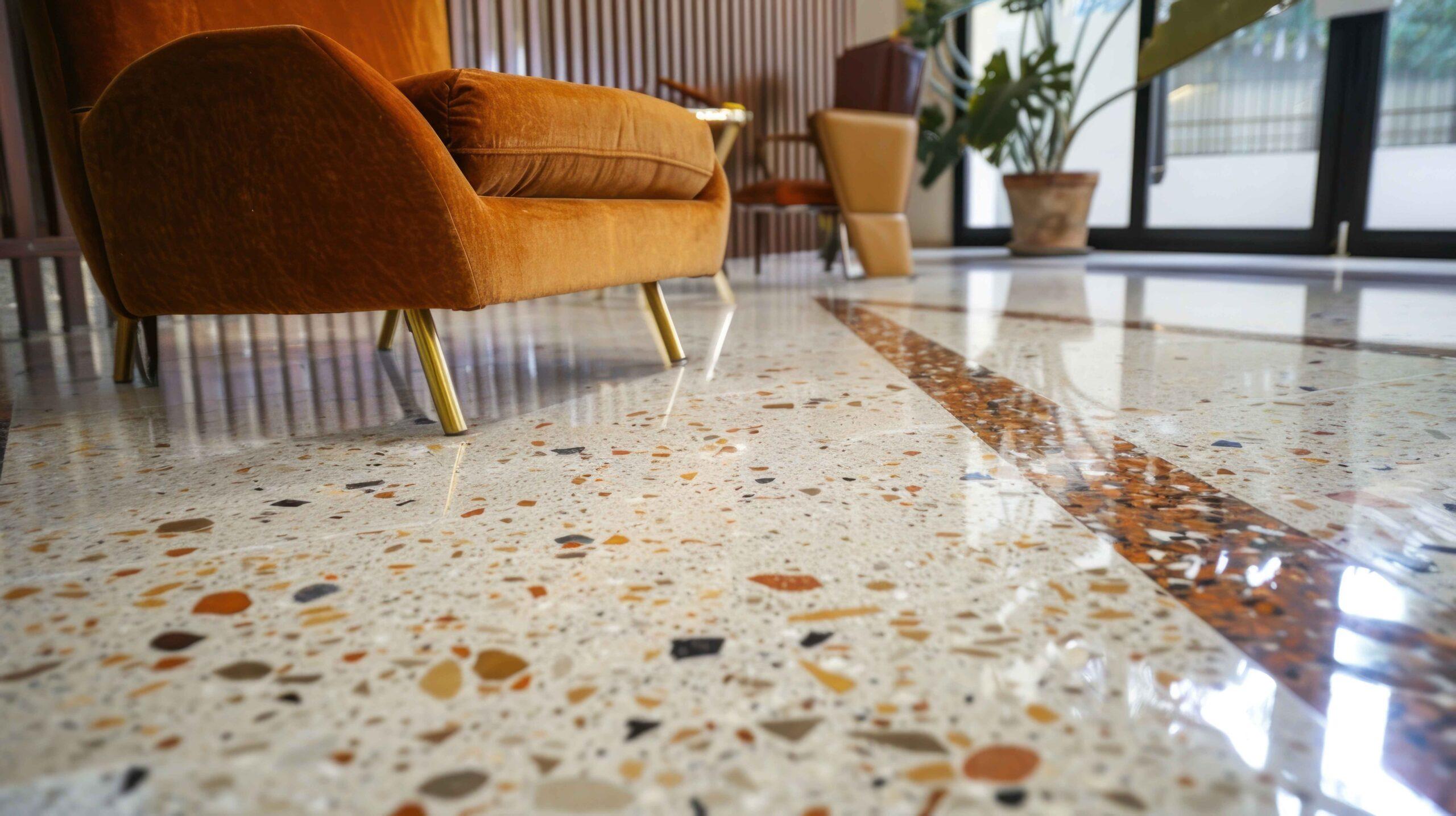
Placement and Proportion: Floors, Walls, Countertops and Thoughtful Accents
Think of terrazzo as a compositional instrument: when laid across an entire floor it sings with continuity, when clipped to a single wall or countertop it becomes a soloist. Use it to anchor a room-pair a neutral terrazzo floor with matte, solid cabinetry to avoid visual competition, or reserve terrazzo for a backsplash or shower niche to punctuate an or else calm palette. Consider scale and sightlines: large chips read as bold graphic statements in open-plan living spaces, while fine-grain mixes feel more tranquil in tight bathrooms and corridors. Practical tips to guide placement include:
- Floors: Full coverage in large, open areas for flow.
- Walls: Half-height panels or feature walls to prevent overwhelm.
- Countertops: Use sparingly as a focal countertop or waterfall edge.
- Accents: Thresholds, window sills and niches for thoughtful punctuation.
Proportion is everything: let terrazzo speak at the scale of the room and balance it with simpler textures-raw wood, honed stone, or satin metal work particularly well. Below is a quick guide to help match pattern scale to space:
| Space | Pattern Scale | Suggested Coverage |
|---|---|---|
| Open-plan living | Large chips, high contrast | Full floor |
| Bathroom | Fine chips, subtle tones | Half floor + niche |
| Kitchen | Medium chips, balanced contrast | Countertop or splash |
Keep accents intentional: a small terrazzo element repeated thoughtfully-like matching a windowsill to a dining-table edge-creates cohesion without clutter. Bold color flecks can be used as accent notes, but the surrounding materials and finish (polished vs. honed) ultimately determine whether the effect reads as elegant restraint or exuberant statement.

Material Pairings and Styling Tips to Keep Terrazzo Balanced and Modern
Terrazzo works best when it shares the stage rather than stealing it. Pair it with matte woods, honed stone and muted metals to keep the look contemporary and calm. Use the terrazzo chips as a color cheat-sheet: pick two dominant hues from the aggregate for textiles or small accents, then keep larger surfaces neutral so the pattern reads intentional, not chaotic.
- Warm oak + neutral terrazzo – softens the pattern
- Brushed brass + pastel chips – modern and elegant
- Honed concrete + monochrome terrazzo – urban minimalism
- Linen & leather accents – tactile contrast
| Material | Effect |
|---|---|
| Wood | Warms and grounds |
| Metal | Clarifies modern lines |
| Textiles | Soften busy surfaces |
Balance is about scale and restraint. Apply terrazzo in controlled doses – a countertop,a narrow runner,or a single accent wall - and anchor the space with plain,textured elements. Match grout to the dominant chip for a seamless look or choose contrast to make the pattern sing; then echo that choice in one or two accessories to create cohesion without clutter.
- Favor matte finishes over glossy for a modern vibe
- Keep large furniture simple to avoid competing patterns
- Repeat a chip color in accessories for harmony
- Add greenery to freshen and soften the scheme

Installation, Maintenance and Sustainable Options for Long Lasting Impact
thoughtful planning during installation transforms terrazzo into a statement that lasts generations. Start with a stable,well-prepared substrate,correct moisture barriers and a layout that honors natural light and traffic patterns; whether you choose classic cement-terrazzo or modern epoxy systems,the right primer and bevel details matter. For greener builds, opt for recycled aggregates (post-consumer glass or reclaimed stone) and low-VOC binders-these choices reduce embodied carbon without sacrificing the speckled drama terrazzo is loved for.Practical tips to hand to your contractor or keep for a DIY weekend:
- Bond first: moisture test and use compatible primers.
- Plan patterns: install divider strips to control cracks and design flow.
- Choose sealers wisely: breathable, low-VOC seals protect without trapping moisture.
Maintenance routines keep the surface luminous and responsible choices keep its impact low for decades.Daily care is simple-sweep and mop with a pH-neutral cleaner-while periodic actions preserve structure and shine. Avoid acidic cleaners and abrasive pads; when deeper care is needed, mechanical polishing restores the original gloss without complete replacement. A quick reference for longevity and sustainability:
| Interval | Action |
|---|---|
| Daily | Dust mop; mild, pH-neutral cleaning |
| Monthly | Inspect joints and reapply sealer to high-wear zones |
| 3-7 years | Professional honing/polishing or targeted repairs |
By combining thoughtful installation, eco-conscious materials and a modest maintenance rhythm you’ll ensure terrazzo remains a tasteful, long-lasting centerpiece.
Closing Remarks
Terrazzo’s comeback proves that good design can be cyclical – modern techniques and palettes have simply given an age-old material new ways to play in contemporary spaces. Used with restraint and attention to scale, color and finish, terrazzo can read as quietly sophisticated rather than loud or dated: small insets, a statement floor, a muted countertop or a splash of tile can all anchor a room without overwhelming it. Pair it with warm woods, soft textiles and plain surfaces to let the pattern breathe, and remember that mix and match – rather than matchy-matchy – is the modern rule. Practical concerns matter, too: consider slip resistance, sealing and repairability when choosing type and placement. terrazzo rewards thoughtful choices; applied with purpose, it adds texture, history and longevity to a space that’s built to age gracefully.