
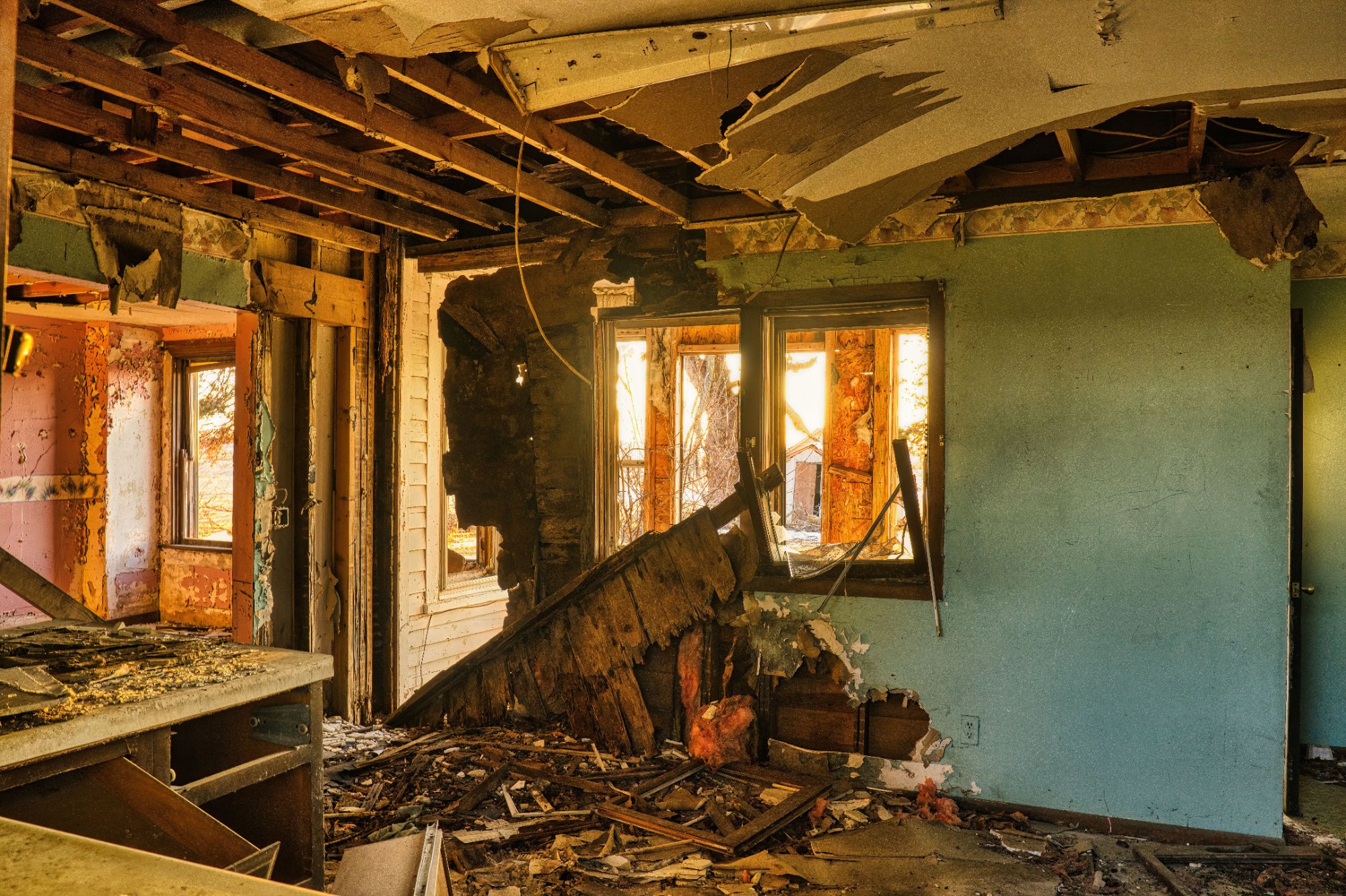
You are reaching for a mug when you spot it: a pale tan ring on the ceiling that was not there last week. Or maybe it is a baseboard that feels spongy under your thumb, or a musty smell in the hall closet that you cannot trace. Your stomach drops, and one question lands right behind it. How bad is this, and what is it going to cost?
The honest answer is that it depends, and the reason it depends is the same reason water is the most persistent enemy a house has. Water is patient, it travels, and it rarely stays where it first appears. Understanding why water damages homes is the fastest way to make sense of repair bills, because every line item on an estimate traces back to what the water did, how far it went, and how long it was there.
This guide walks through how water damage happens, what repairs tend to cost and why, which warning signs deserve action, how to build a sensible budget, when DIY makes sense, and how to choose a contractor you can trust. Costs vary widely by region, home and situation, so treat everything here as a framework for planning rather than a quote.
1. Why Water Damages Homes: What Is Actually Happening
A house is a collection of materials that mostly want to stay dry: wood framing, drywall, insulation, flooring, wiring and metal fasteners. Water attacks nearly all of them, just in different ways. Knowing the mechanism helps you predict how far a problem has spread.
Water swells, softens and rots organic materials
Wood, plywood, particleboard and drywall paper all absorb moisture. Once wet, they swell, warp and lose strength. If they stay damp, wood-rotting fungi can set in, and structural lumber gradually loses its ability to carry a load. Engineered flooring and cabinet boxes made of pressed wood products are especially quick to bubble and crumble.
Water feeds mold and bacteria
Mold needs moisture, a food source and time. Drywall paper, dust and wood supply the food. In many homes, mold can begin to grow within a day or two of materials getting wet and staying wet. That is why speed matters so much, and why a small leak that is dried quickly is often cheap while the same leak left for weeks is not.
Water corrodes metal and degrades systems
Nails, screws, joist hangers, electrical components, ductwork and appliance parts can all rust or corrode when exposed to repeated moisture. Corrosion is slow and often hidden, which is why some water damage only shows up as a failure months or years later.
Water moves in ways you do not expect
Gravity pulls water down, but it also spreads sideways along framing and pipes, and it wicks upward through porous materials by capillary action. A stain on a ceiling may be several feet away from the actual source. A damp basement wall may be reacting to soil saturation outside rather than any pipe inside. Hydrostatic pressure, the force of water pressing against foundations and slabs, can push moisture through tiny cracks and porous concrete.
Water expands when it freezes
In cold climates, water that seeps into cracks in masonry, siding, roofing or pipes expands as it freezes and widens the gap. Repeated freeze-thaw cycles turn hairline cracks into real openings. A frozen pipe that splits can release a large volume of water the moment it thaws.
Common entry points
- Roofs: worn shingles, failed flashing, clogged valleys and damaged vents.
- Plumbing: supply line leaks, failed fittings, slow drain leaks, water heater failures and appliance hoses.
- Foundations and basements: cracks, poor grading, failed drainage and high groundwater.
- Windows and doors: failed seals, missing flashing and cracked caulk.
- Humidity and condensation: poorly vented bathrooms, kitchens, attics and crawl spaces.
- Storms and flooding: surface water, overwhelmed gutters and sewer backups.
2. How Much Does Water Damage Repair Cost?
No honest article can give you a number for your house without seeing it. What we can do is describe the general tiers, because most water damage jobs fall into one of a few buckets, and the cost climbs as the scope grows.
Minor, caught-early repairs
These are the small wins: a slow drip from a loose fitting, a section of wet drywall that can be dried or cut out, or a small patch of damaged flooring. Costs here tend to be modest, often a plumber or handyman visit plus a few materials and some paint. The fix itself may be cheaper than the diagnosis, particularly if finding the source takes time.
Moderate repairs
Once water has soaked insulation, subfloor, cabinets or a full room of drywall, you are into drying equipment, demolition, replacement materials and rebuilding. Mold testing or remediation may enter the picture. These jobs commonly run from the low thousands into the mid thousands of dollars in many areas, though that varies a great deal with local labor rates and the size of the affected space.
Major or structural repairs
When water has reached framing, a foundation, multiple rooms or a whole level of the house, costs can climb into the tens of thousands. Think rotted joists, widespread mold, flooded basements, or roof failures that let in weeks of rain. Insurance may or may not cover part of this, which is covered below.
The two cost layers to keep in mind
- Fixing the source: the pipe, roof section, window or drainage problem that let the water in.
- Repairing the damage: drying, removal, treatment and rebuilding what the water ruined.
Skipping the first layer to save money is the classic mistake. If the source is not fixed, you are paying for the second layer again.
A cheap patch over an active leak is usually the most expensive repair you can make, because you pay for it twice.
3. What Affects the Cost of Water Damage Repair
Two houses with the same size stain can have wildly different bills. Here is what usually moves the number, and why.
| Cost factor | Why it matters | Effect on budget |
|---|---|---|
| Source of the water | Clean supply water is less hazardous than stormwater or sewage, which need stricter handling and disposal. | Higher for contaminated water |
| How long it sat | Longer exposure means deeper absorption, more mold and more material that cannot be saved. | Rises sharply with time |
| Area affected | More square footage means more drying, demolition and rebuilding. | Scales with size |
| Materials involved | Hardwood, stone, custom cabinets and plaster cost more to repair or replace than basic finishes. | Higher for premium finishes |
| Hidden damage | Water inside walls, floors and ceilings needs opening up to assess and treat. | Adds demolition and rebuild |
| Mold | Remediation requires containment, cleaning and sometimes testing. | Can add a significant line item |
| Access and layout | Tight crawl spaces, second floors and finished basements make work slower. | Raises labor time |
| Local labor and permits | Rates and permit rules differ by region and by the type of work. | Varies widely |
| Age of the home | Older homes may have outdated materials that need special handling. | Can add complexity |
Why time is the biggest lever
Of everything in that table, time is the factor you have the most control over. Dry materials are cheap to keep. Wet materials that stay wet become mold, rot and replacement. Acting within the first day or two of discovering a leak often separates a drying job from a rebuild.
Insurance and who pays
Many homeowner policies cover sudden and accidental water damage, such as a burst pipe, but often exclude gradual leaks, long-term seepage, poor maintenance and flooding from outside the home. Flood damage usually requires separate flood coverage. Policies differ, so read yours and call your insurer early. Document everything with photos before cleanup, and keep receipts. Also keep in mind that a claim may affect future premiums, so it is worth asking how it will be handled before you file for a small repair.
4. Warning Signs of Water Damage You Should Not Ignore
The cheapest water damage is the kind you catch early. Walk through your home with fresh eyes a few times a year and look for these signs.
Visual clues
- Yellow, brown or tan stains on ceilings and walls, especially ones that grow or develop darker rings.
- Peeling, bubbling or blistering paint and wallpaper.
- Warped, cupped or buckling floorboards, or laminate edges that lift.
- Cracked or crumbling drywall, or sagging ceiling sections.
- White, chalky deposits on masonry or basement walls.
- Visible mold or dark spotting in corners, around windows or under sinks.
Smell and feel
- A persistent musty or earthy odor, especially in a closet, basement or cabinet.
- Walls, baseboards or subfloors that feel soft, damp or cool to the touch.
- Rooms that feel clammy even when the weather is dry.
Clues in your bills and fixtures
- A water bill that rises without a change in how you use water.
- A water meter that moves when every fixture in the house is off.
- Low water pressure, or the sound of running water when nothing is on.
- Condensation on windows that does not clear, which may point to humidity problems.
Outside the house
- Missing, curling or cracked shingles and damaged flashing around chimneys and vents.
- Gutters that overflow or downspouts that dump water beside the foundation.
- Soil that slopes toward the house rather than away from it.
- Cracks in the foundation, or stains on exterior siding and trim.
If you are weighing a roof concern, our roofing guides cover repair versus replacement decisions in more depth.
What to do the moment you spot something
- Stop the water if you can. Shut off the fixture valve, or the main shutoff if you cannot find the source.
- Stay safe. If water is near outlets, light fixtures or the electrical panel, turn off power to that area from the breaker and call a licensed electrician if you are unsure.
- Document it. Take dated photos and short videos of the damage and affected belongings.
- Remove what you can. Move furniture, rugs and valuables out of the wet area.
- Start drying. Open windows when weather allows, and use fans and a dehumidifier.
- Call for help. A plumber for the source, a restoration company for larger drying jobs, and your insurer if coverage may apply.
5. How to Budget for Water Damage Repair
Budgeting for water damage feels awkward because the scope is often unknown until walls are opened. A little structure helps you stay calm and avoid rushed decisions.
Step one: separate the emergency from the rebuild
The emergency phase covers stopping the water, extracting it and drying the structure. This must happen fast and is often priced differently from the rebuild phase. The rebuild covers drywall, insulation, flooring, paint, trim and cabinetry. Ask for these as separate line items so you can see what is urgent and what can be scheduled.
Step two: get a clear scope in writing
A good estimate describes what will be removed, what will be dried or treated, what will be replaced and with which materials. Vague language like "repair water damage" leaves room for surprises. Ask what happens if more damage is found once walls are opened, and how that would be priced.
Step three: build in a contingency
Hidden damage is the rule rather than the exception. Many renovators recommend holding a cushion beyond the estimate, commonly in the range of ten to twenty percent, though there is no guarantee that is enough for a particular job. If the water has been present for a long time, consider a larger buffer.
Step four: check your funding and coverage
- Review your insurance policy for water damage coverage, deductibles and exclusions.
- Ask your insurer what documentation they require before you start work.
- Decide whether savings, a home equity option or a contractor payment plan makes sense, and compare the true cost of each.
- Check whether any local programs or utilities offer help with certain repairs, since availability varies.
Step five: prioritize by risk
If funds are tight, fix in this order: safety hazards, the water source, drying and mold control, structural repairs, then cosmetic finishes. A room with a stained ceiling and fresh paint is still a problem if the roof leak behind it is active. For bigger projects that touch layout or finishes, our renovation articles can help you plan the rebuild phase sensibly.
Step six: invest in prevention
Prevention is the least glamorous and often the best-value line in a home budget. Set aside a small amount each year for maintenance, such as gutter cleaning, caulk and sealant refreshes, supply hose replacements and roof inspections. Nothing guarantees you will avoid damage, but it reduces the odds and makes problems easier to catch. For ongoing fixture and pipe issues, browse our plumbing topics for maintenance ideas.
6. DIY vs Hiring a Pro for Water Damage
Some water problems are well within reach for a handy homeowner. Others carry safety and health risks that justify professional help. Here is a practical way to sort them.
Jobs that are often reasonable to DIY
- Tightening a loose compression fitting or replacing a worn washing machine hose.
- Re-caulking a tub, shower or window exterior.
- Clearing a clogged gutter or extending a downspout away from the house.
- Drying a small, clean-water spill on a hard surface with fans and a dehumidifier.
- Cutting out and replacing a small section of wet drywall when the source is fixed and there is no mold.
- Improving ventilation by running exhaust fans or adding a dehumidifier to a damp room.
Jobs better left to a professional
- Any water that came from sewage, a backed-up drain or floodwater, which can carry harmful contaminants.
- Widespread mold, or mold you suspect is inside walls.
- Water near electrical panels, outlets or wiring.
- Soaked insulation, subfloors or structural framing.
- Roof leaks that need work at height.
- Foundation cracks, persistent basement seepage or drainage regrading.
- Anything involving gas lines, water heaters or main supply lines.
- Older homes where materials like asbestos or lead paint might be disturbed.
Weighing the real tradeoffs
DIY can save on labor, but it can cost more if you misdiagnose the source or leave moisture trapped behind a finished surface. Pros bring moisture meters, thermal cameras, commercial drying equipment and experience reading how water travels. For anything beyond a small, clean, clearly understood leak, a professional assessment is often worth the fee. Also remember that some insurers prefer or require documentation from licensed professionals.
A note on permits
Structural repairs, electrical work, plumbing changes and some roofing jobs may require permits depending on where you live. Reputable contractors usually handle this, but ask. Unpermitted work can cause trouble with insurance claims and when you sell the house.
7. How to Choose a Water Damage Contractor
After a leak or flood, homeowners are stressed and in a hurry, which is exactly when poor hiring decisions happen. A few simple checks protect you.
Verify the basics
- License: confirm that the contractor holds any license your area requires for the work.
- Insurance: ask for proof of liability coverage and workers’ compensation, and verify it directly if you can.
- Experience: look for a track record with the specific type of damage you have.
- Certifications: for drying and mold work, ask which industry training their technicians hold.
Get multiple estimates
Where time allows, gather at least two or three written estimates. Compare scope, not only the bottom line. A low bid that skips drying verification or leaves out rebuilding steps may end up costing more. A high bid is not automatically better, so ask each contractor to explain what is included.
Ask the right questions
- How will you find and confirm the source of the water?
- How will you measure that materials are fully dry before closing walls?
- What happens if you find more damage once demolition starts?
- Will you handle permits, and who deals with my insurer?
- What is the timeline, and what could delay it?
- What warranty applies to the work and the materials?
Red flags
- Pressure to sign immediately, or to pay a large amount upfront.
- Door-to-door solicitation after a storm.
- No written contract, or a contract with vague scope.
- Refusal to provide license, insurance or references.
- Advice to cover or paint over damage without addressing the cause.
Put it in writing
A solid contract lists the scope of work, materials, payment schedule, start and completion dates, warranty and how changes are handled. Tie payments to progress rather than paying everything upfront, and keep copies of all paperwork and photos. If you want broader help finding trades for repair projects, our home services section is a good starting point.
Ready to Take the Next Step?
If you have spotted a stain, smelled something odd or simply want to know where your home is most vulnerable, do not wait for the problem to grow. Schedule an inspection, ask for a written scope, and start with the source. For more building and construction resources, you can also explore the guides and services at NextBldg.com.
Conclusion: Find the Source Early and Budget for the Unknown
Water damages homes because it softens, swells, rots, corrodes and spreads through almost every material a house is made from, usually out of sight. That is also why repair costs vary so widely. A small leak caught within days can be a modest fix, while the same leak ignored for months can reach framing, insulation and finishes.
The good news is that most of the cost is within your influence. Act quickly, fix the source before the finish, document everything, hold a contingency for hidden surprises, and hire carefully when the job is beyond a small, clean repair. No plan guarantees you will never see water damage, but a little attention and a realistic budget turn a stressful moment into a manageable project.
Key Takeaways
- Water damages homes by swelling and rotting materials, feeding mold, corroding metal and traveling far from its source.
- Repair costs depend mainly on the water source, how long materials stayed wet, the area affected and the finishes involved. Any range is only a starting point, not a quote.
- Time is the biggest controllable cost factor. Drying quickly can keep a small problem small.
- Fix the source of the water first, then repair the damage, or you will pay twice.
- Budget in phases, ask for itemized written scopes, and hold a contingency for hidden damage.
- DIY suits small, clean-water issues. Sewage, mold, electrical risks and structural damage call for professionals.
- Check license, insurance, references and the drying verification process before hiring, and review your insurance policy early.
Frequently Asked Questions
Why does water damage a house so quickly?
Many building materials are porous and absorb moisture readily, and wet conditions can encourage mold in a day or two. Water also spreads through framing, insulation and cavities, so the damage can be larger than the visible stain. Acting fast limits how far it travels.
How much does it cost to fix water damage in a house?
It varies widely. Small, early repairs can be fairly modest, moderate jobs often reach into the thousands, and structural or whole-level damage can climb much higher. Only an on-site inspection and written estimate can tell you what your situation will cost.
How long does it take for water damage to become mold?
In many cases mold can start growing within roughly one to two days if materials stay wet. Warm, humid and poorly ventilated spaces are the most at risk. Drying thoroughly and quickly is the best prevention.
Does homeowners insurance cover water damage?
Often it covers sudden and accidental events like a burst pipe, but it commonly excludes gradual leaks, neglected maintenance and flooding from outside the home. Flood coverage is usually separate. Check your policy and contact your insurer promptly, and photograph the damage before cleanup.
What are the first signs of water damage inside walls?
Look for stains, bubbling or peeling paint, soft or warped baseboards, musty smells and a rising water bill. Hidden leaks often reveal themselves through smell and texture before they show clear stains. A moisture meter or thermal camera can help a professional confirm what is behind the surface.
Can I fix water damage myself?
You can handle small, clean-water problems, such as a loose hose, a minor caulk failure or a small spill on a hard floor. Sewage, floodwater, widespread mold, electrical hazards and structural damage should go to a professional. If you are unsure, an assessment costs far less than a repair done wrong.
Should I fix the leak or the damage first?
Fix the leak first, or at least stop the water supply, then dry and repair the damage. Repairing finishes while the source is still active only means redoing the work later. A plumber or roofer can confirm the source before the rebuild begins.
How can I prevent water damage in my home?
Keep gutters clear, direct downspouts away from the foundation, inspect the roof and flashing, replace aging supply hoses and maintain caulk and sealants. Ventilate bathrooms and kitchens, and watch for changes in your water bill. Prevention does not eliminate risk, but it makes problems easier to catch early.


