
In a world where material possessions tend to accumulate like autumn leaves, the art of decluttering has transformed from a mere chore into a design philosophy. Imagine stepping into a space that not only feels open and airy but also resonates with your personal aesthetic. How can we achieve such tranquility amidst the chaos? Enter the realm of design-savvy decluttering, where professional insights meet practical hacks. In this article, we’ll explore seven tried-and-true strategies that can help you streamline your surroundings while embracing your unique style. Whether you’re overwhelmed by a cluttered closet or a chaotic living room, these designer-approved tips will pave the way for a more functional and visually pleasing space.Let’s embark on this journey to declutter like a designer and unlock the elegance of simplicity.
Embrace minimalism by Evaluating Your Essentials
As you embark on your minimalism journey, the first step is to evaluate your essentials.Begin by identifying items that are not just functional but also bring you joy or serve a meaningful purpose in your life. Take a moment to reflect on what truly matters and categorize your belongings into three main categories: keep, donate, and discard.This will help you gain clarity and create a more meaningful space.
Consider using a systematic approach to streamline your evaluation. You can create a simple table to assess each item’s importance and frequency of use:
| Item | Importance (1-5) | Usage Frequency (Daily/Weekly/Monthly) | Decision (Keep/donate/Discard) |
|---|---|---|---|
| Winter Coat | 5 | Monthly | keep |
| Old Textbooks | 2 | Rarely | Donate |
| Defective Appliances | 1 | Never | Discard |
Using this clear breakdown will make your decluttering process much more effective. It encourages objectivity, allowing you to let go of items that don’t serve your current needs, creating room for only what adds real value to your life.
Transform Spaces with Intentional Design Choices
Creating a serene and functional space involves making intentional design choices that reflect your personal style while promoting association. start by evaluating what items genuinely spark joy and serve a purpose. Consider integrating multi-functional furniture that provides additional storage solutions, allowing you to maintain a clean countertop and an uncluttered space. When selecting color palettes and decor, opt for tones that induce calmness-such as soft blues or gentle earthy shades. This can substantially influence your mood and productivity, transforming your space into a sanctuary of creativity.
Additionally, think about how to maximize your available space by incorporating vertical storage options. Shelves not only add visual interest but also help utilize wall space effectively. Invest in decorative baskets or bins that can neatly contain smaller items while adding texture and character to your environment.Another powerful tactic is to employ aesthetic zoning; designate specific areas for distinct activities, such as reading, working, or relaxing. By defining these zones with purpose-and perhaps a carefully chosen rug or piece of art-you guide the flow of the room, making everyday activities more enjoyable and intentional.

Create Visual Harmony through Color Coordination
Achieving a visually pleasing space goes beyond mere organization; it encompasses the art of color coordination. By selecting a cohesive color palette, you can transform an or else cluttered room into a serene sanctuary.Focus on complementary colors that evoke a sense of balance, thereby guiding the eye throughout the space without any harsh, jarring contrasts. Consider using neutral backgrounds to allow accent colors to pop, creating focal points that bring eagerness to the eye without overwhelming it.
Incorporating natural elements into your design can enhance this harmony. As a notable example, displaying green plants can introduce a vibrant splash of color while adding organic texture to your decor. create color zones by grouping items that share a common hue; this will not only declutter your space visually but also lend a curated feel to your home. Utilize the following tips for effective color coordination:
- Choose a primary color as the base for large furniture pieces.
- Use accents like cushions or artwork in secondary colors for pops of interest.
- Incorporate various shades of the same color to create depth and dimension.
- Experiment with materials; glossy finishes can reflect light and add character.

Utilize Smart Storage Solutions for Maximum Efficiency
Embrace the power of multi-functional furniture to create a streamlined space that maximizes both style and storage. Think beyond conventional storage options and consider pieces that serve dual purposes. For example, a storage bench can offer seating while concealing blankets, shoes, or magazines. Similarly, a coffee table with built-in shelves or drawers provides a complex yet functional touch to your living area. Reimagining your existing furniture and strategically choosing new additions can lead to an aesthetic that feels open and uncluttered.
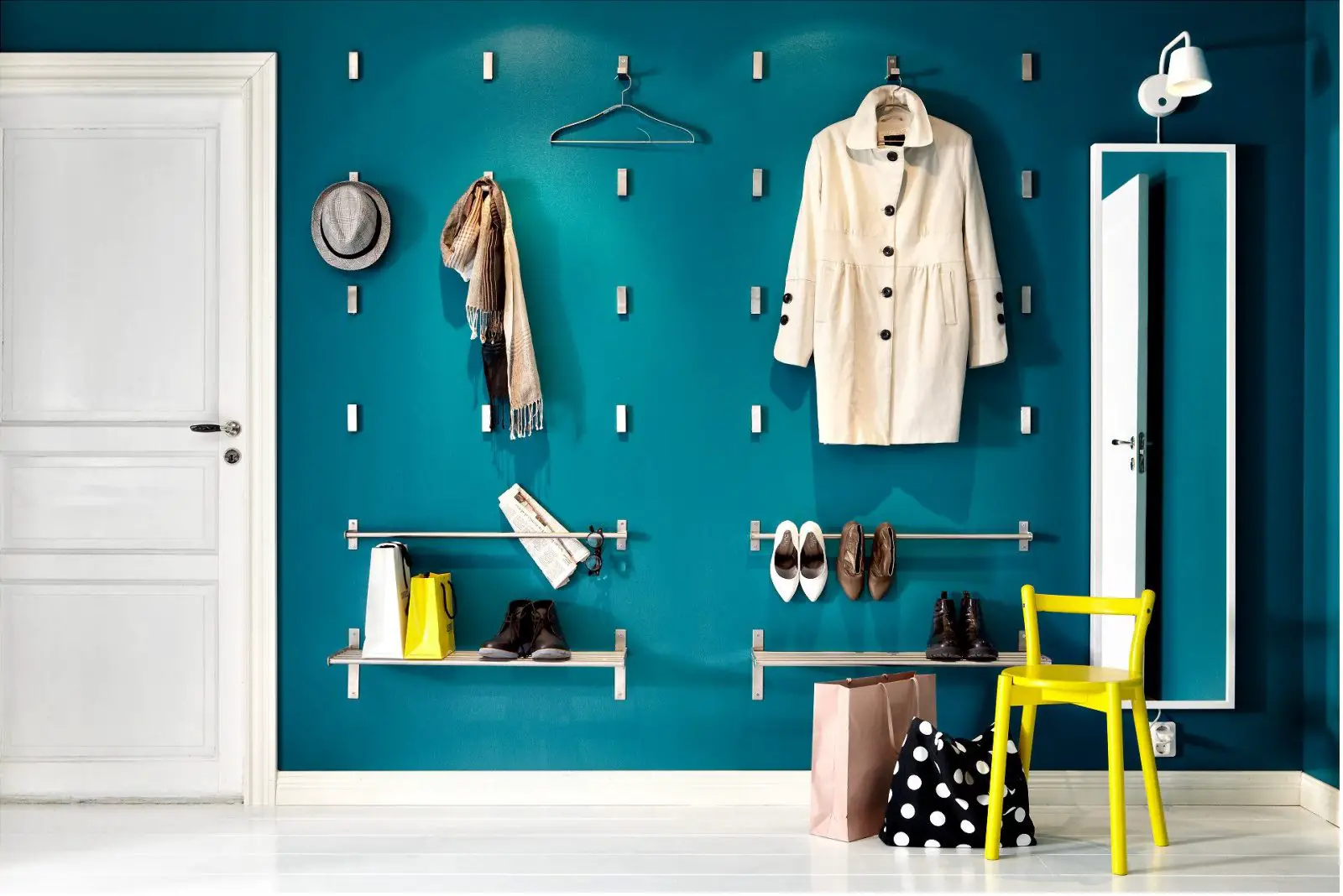
Incorporating vertical space into your storage plan is another brilliant strategy. Wall-mounted shelves can transform empty walls into organized displays that are as beautiful as they are functional.Add baskets or decorative boxes on these shelves to keep items neatly tucked away yet easily accessible. Consider using a pegboard in your kitchen or office area, allowing you to hang utensils, tools, or craft supplies, reducing clutter on countertops. By thinking vertically and choosing versatile pieces, you can free up floor space and achieve a designer-inspired look.

Incorporate Seasonal Purges to Maintain Clutter-Free Living
One of the most effective ways to keep your space clutter-free is by establishing a seasonal purge routine. As the seasons change, so do our needs and the items we use. set aside some time at the beginning of each season-spring,summer,autumn,and winter-to evaluate your belongings. Ask yourself questions like, “When was the last time I used this?” and “Does this still bring me joy?” This process not only allows you to let go of items that no longer serve a purpose, but it also creates a sense of renewal within your living spaces.
To make this practice easier and more enjoyable, consider using a structured approach. Here are some great ideas to incorporate into your seasonal purge:
- set a timer: Challenge yourself to declutter for just 30 minutes.
- Use the “one In, One Out” rule: For every new item you bring in, let go of another.
- Focus on a specific zone: Tackle one area of your home at a time, such as a closet or a bathroom.
- Donate: Find local charities where you can give your unwanted items a new life.
| Season | Focus Area |
|---|---|
| Spring | Clothing and winter gear |
| Summer | Outdoor equipment and garden tools |
| Autumn | School supplies and summer sports gear |
| Winter | Holiday decorations and excess linens |
To Wrap It Up
As we wrap up our journey through the artful world of decluttering, remember that the key to an organized space lies not just in the elimination of items, but in the thoughtful curation of your environment. By adopting these seven design-inspired hacks, you’re not merely tidying up; you’re crafting a sanctuary that reflects your unique identity and purpose.
Embrace the mindset of a designer-see every object as a part of your narrative, asking whether it enhances your space or weighs it down. With a blend of practicality and creativity, you can transform chaos into a calm oasis that inspires and uplifts.
So,take a deep breath,gather your tools,and start to declutter not just your space,but your mind. Each small step you take towards mindfulness in your surroundings can lead to a profound shift in your everyday life. Happy decluttering!