
Understanding Furniture Scale
When it comes to decorating a space, one of the most critical yet frequently overlooked aspects is the scale of the furniture. Furniture scale refers to the size of furniture pieces in relation to the space they occupy and to each other. Achieving the right scale is essential for creating a harmonious and functional environment. Unfortunately, many people make the mistake of choosing furniture without fully considering its scale, leading to a room that feels cramped or sparsely furnished.
The Importance of Scale in Design
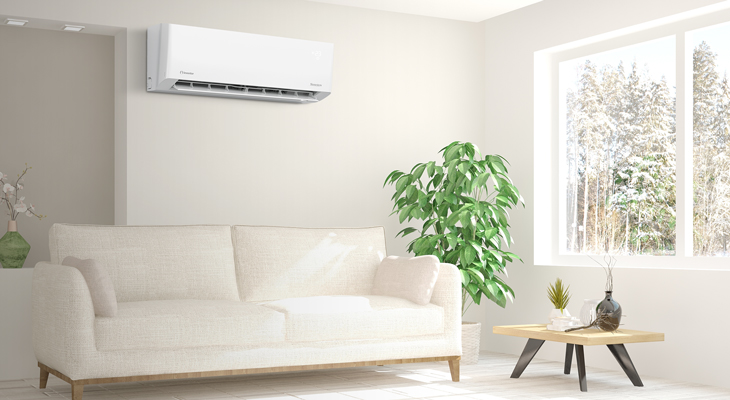
Scale plays a pivotal role in interior design, influencing not only the aesthetic appeal but also the practical use of space. A well-scaled room allows for comfortable movement and interaction, while poor scaling can hinder usability. For instance, oversized furniture in a small room can make the space feel even smaller, while small furniture in a large room can create a sense of emptiness.
Common Mistakes in Furniture Selection
One of the most common mistakes people make is choosing furniture based solely on style or color rather than its scale. While a beautiful piece may catch your eye, if it doesn’t fit the dimensions of the room, it can become a focal point for the wrong reasons. Another frequent error is neglecting to measure the space before making a purchase. Without accurate measurements, it’s easy to misjudge how a piece will fit within the overall layout.
Measuring Your Space
Before purchasing any furniture, take the time to measure your space. Use a tape measure to note the dimensions of the room, including the height, width, and depth. Also, consider the height of the ceiling and any architectural features like windows or doors that might affect the flow of the room. By having these measurements on hand, you can make more informed decisions about the size of the furniture that will complement your space.
Visualizing Scale
To visualize how different pieces will work together in your space, consider using painter’s tape to outline the dimensions of potential furniture on the floor. This technique allows you to see how much room a sofa, coffee table, or chair will occupy, helping you assess whether it will enhance or detract from the overall design. Additionally, it’s essential to maintain a balance between larger and smaller pieces to create a visually appealing arrangement.
Choosing the Right Size Furniture
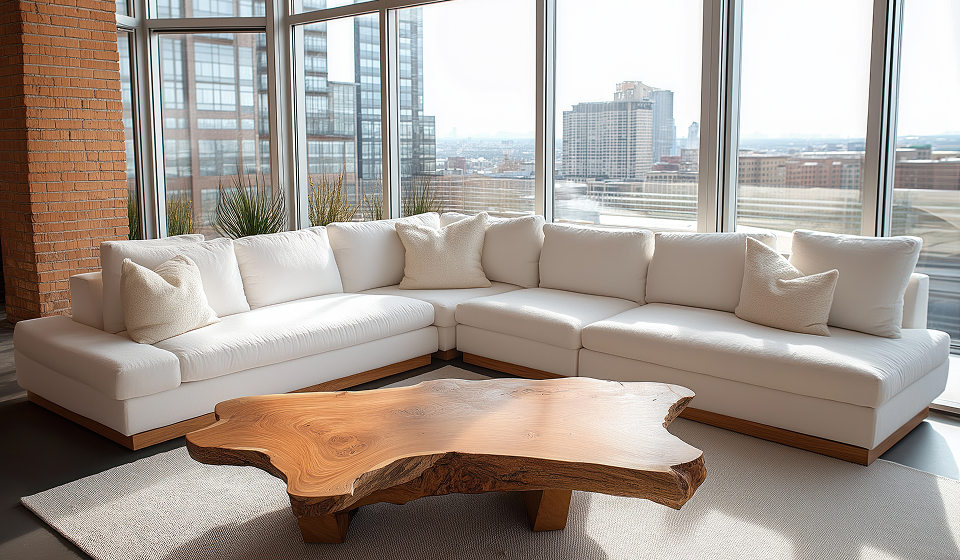
When selecting furniture, aim for a mix of sizes to create visual interest. Pairing a large sectional sofa with smaller accent chairs can create balance, while a long dining table can be complemented by varying chair sizes. Remember that furniture should also be proportional to the users; for instance, a tall person may feel uncomfortable in a low-slung chair. Always consider who will be using the space to ensure comfort and usability.
Adjusting Proportions with Accessories
Accessories can also play a crucial role in adjusting the perceived scale of your furniture. Use rugs, artwork, and lighting to define spaces and draw the eye upwards, creating an illusion of height and space. For example, a large area rug can anchor a seating arrangement, while tall bookshelves can draw the eye upward, making a room feel more expansive. By thoughtfully incorporating accessories, you can enhance the overall scale and flow of your design.
Creating Zones Within a Space
Another effective strategy for managing furniture scale is to create distinct zones within an open floor plan. By using furniture arrangements to define different areas, such as a reading nook or a dining space, you can make a larger room feel more intimate. This zoning can be achieved through the placement of furniture or the use of screens and dividers, which also helps to maintain proportion and scale.
Final Thoughts on Furniture Scale
Ultimately, understanding furniture scale is about more than just measurements; it’s about creating a space that feels both comfortable and aesthetically pleasing. Taking the time to consider scale when selecting your furniture can transform an ordinary room into a well-designed sanctuary. By approaching your space with a critical eye and making mindful choices, you’ll be able to create an environment that not only looks great but also functions beautifully.