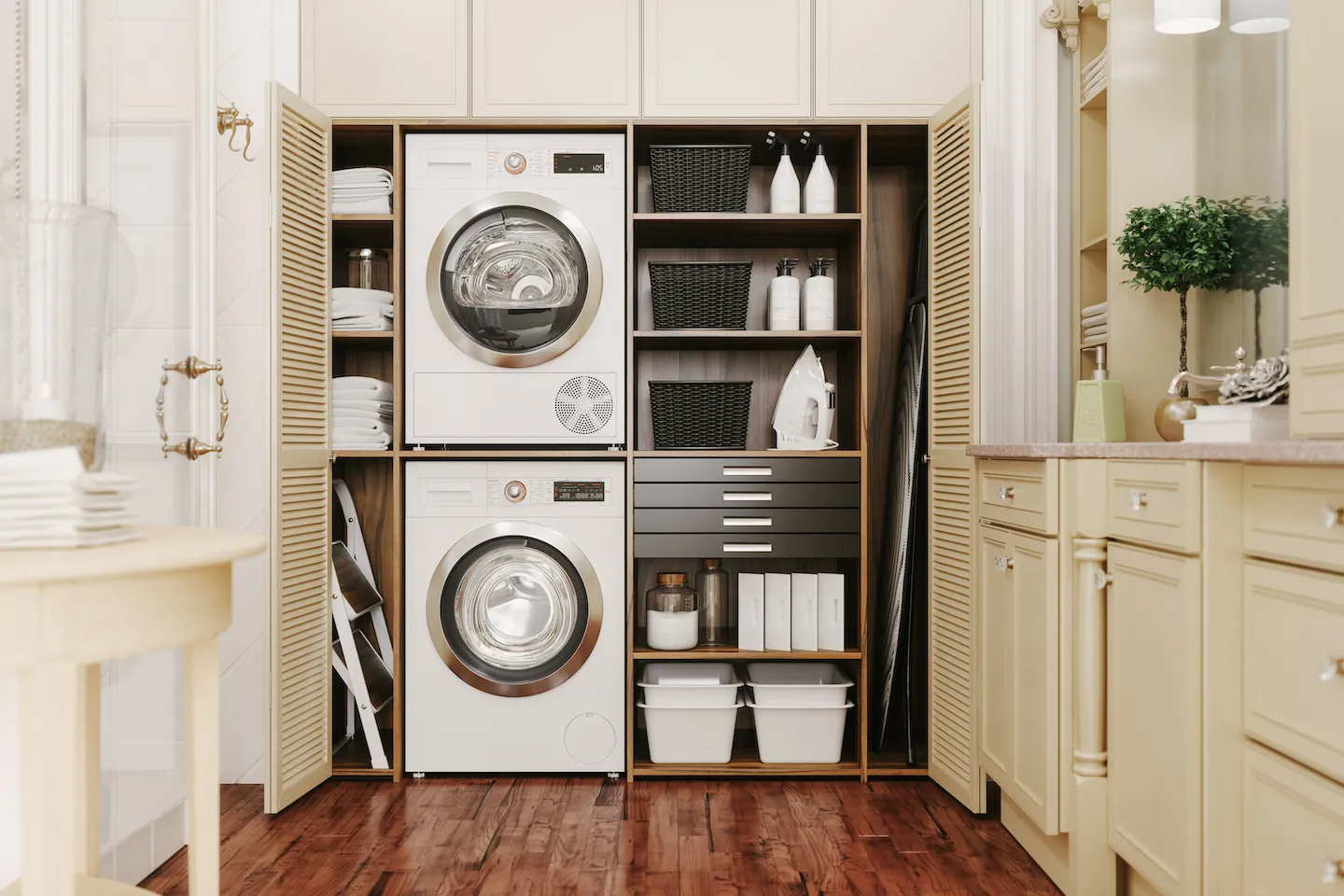

In the ever-evolving world of interior design, open-plan spaces have emerged as a popular choice for modern living. Their airy expanses and flowing layouts invite creativity, yet they can also pose a unique challenge: how to define distinct areas while maintaining a cohesive aesthetic. Enter the dynamic duo of rugs and furniture-two powerful tools that can transform an expansive room into a harmonious collection of zones tailored to your lifestyle. In this article, we’ll explore the art of zoning an open-plan space, revealing tips and techniques for leveraging texture, color, and arrangement to create inviting enclaves that are both functional and stylish. Whether you’re aiming to delineate a cozy reading nook, a vibrant dining area, or a serene workspace, the right combination of rugs and furniture can help you carve out purpose and personality in your home without sacrificing that desirable sense of openness. Join us as we dive into the creative possibilities that await!
Creating Distinct Areas: The Art of Zoning in Open-plan Spaces
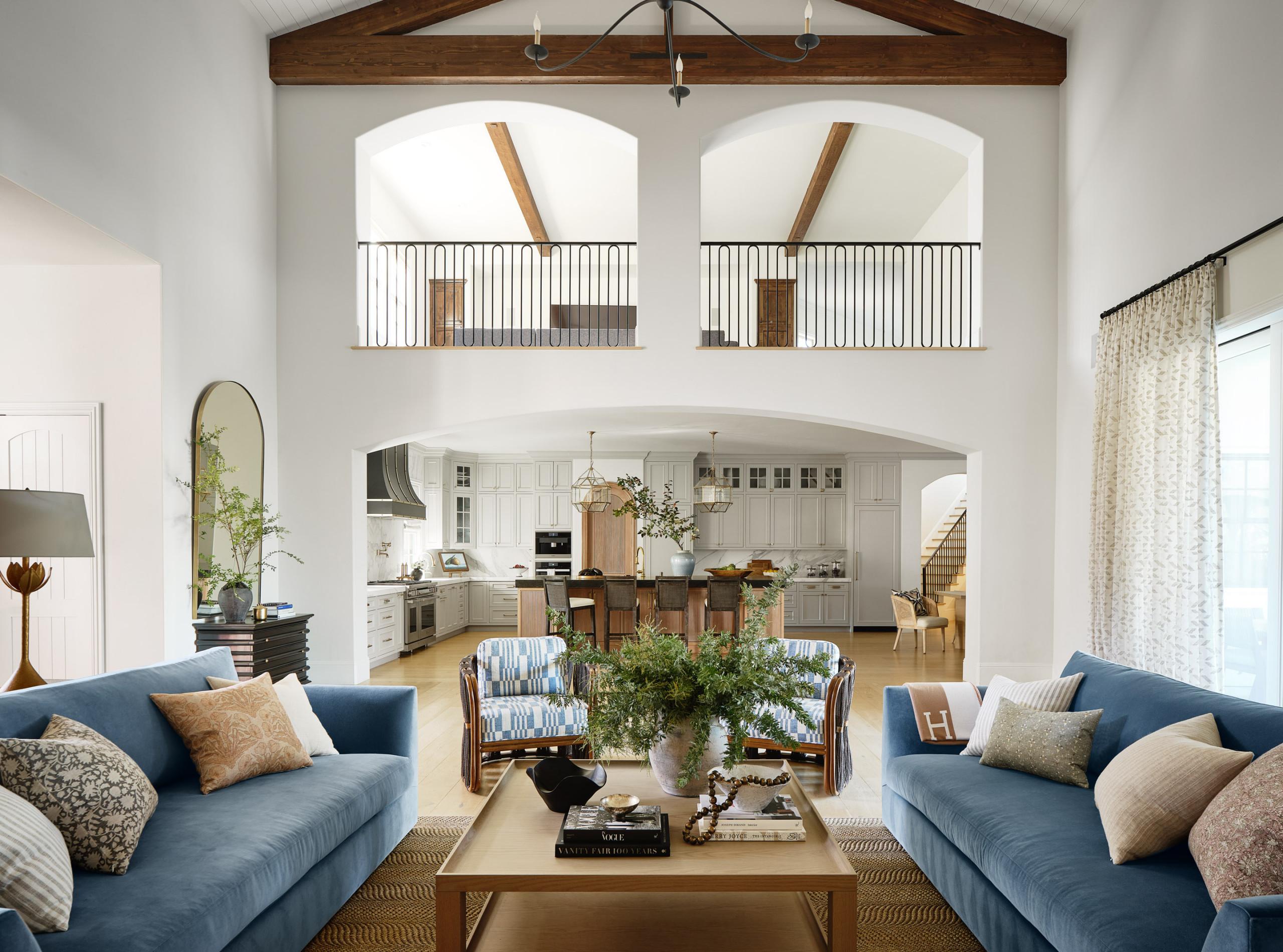
In the realm of interior design, the strategic arrangement of furniture and the incorporation of rugs can transform an expansive open-plan space into a series of inviting, functional zones. to achieve this, consider creating a seating area, a workspace, and perhaps a dining nook. Each zone shoudl serve a distinct purpose and encourage usability while maintaining a cohesive aesthetic throughout the space. Use a combination of area rugs to delineate these areas, ensuring that different textures and colors reflect their respective functions. As an example, a plush, soft rug under the seating arrangement can create a cozy feel, whereas a more vibrant and durable rug can define the dining zone.
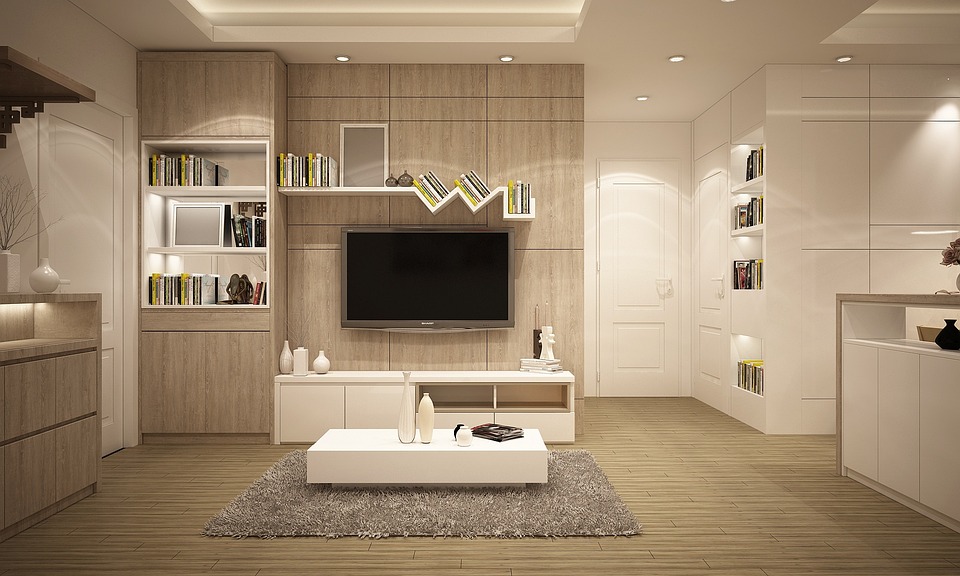
additionally, the selection and placement of furniture play a pivotal role in achieving effective zoning. Position sofas or chairs to foster conversation, and integrate bookshelves or screen dividers to subtly define boundaries without obstructing the flow of light and sight. Don’t forget to include multifunctional pieces; a stylish ottoman can serve as both a footrest and additional seating, while a narrow console table can act as a transitional element between the living and dining areas. Consider the following attributes when selecting furniture to enhance the different zones:
| Zone | Furniture Suggestions | Rug Considerations |
|---|---|---|
| Seating Area | Sectional sofa, accent chairs | Soft textures, warm tones |
| Workspace | Desk, ergonomic chair | Sturdy materials, calming colors |
| Dining nook | Dining table, side chairs | Durable fabrics, lively patterns |
Choosing the Right Rugs: Material, Size and Placement Tips
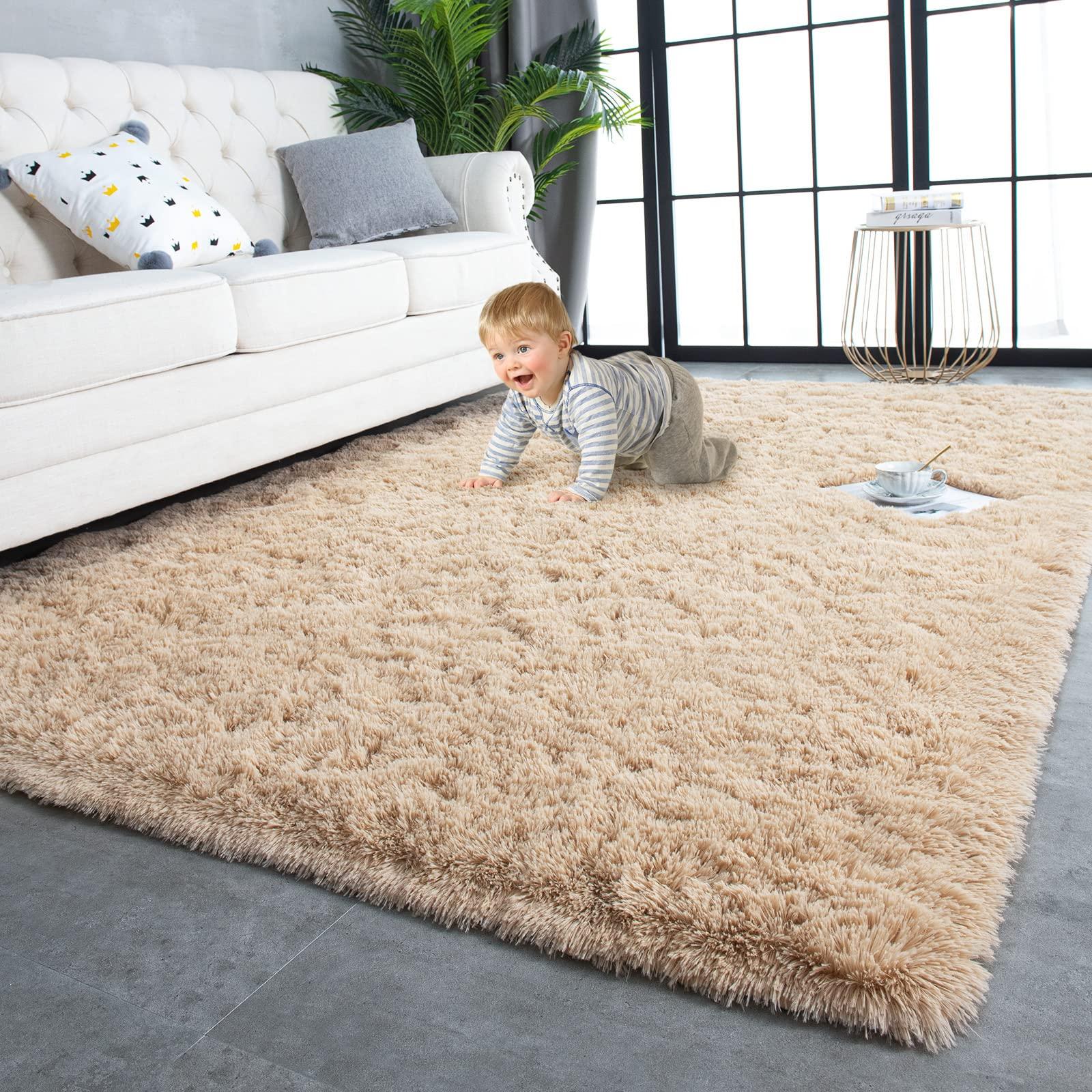
When selecting rugs to define areas in an open-plan space, consider the material that best suits your lifestyle. Natural fibers such as jute and wool offer durability and warmth, making them perfect for high-traffic areas.Conversely, synthetic options like nylon and polypropylene provide stain resistance and easy maintenance, ideal for homes with pets or children. Think about the size of your rugs carefully; they should create a cohesive zone without overwhelming the space. A general guideline is to choose a size that allows at least the front legs of your furniture to sit on the rug, tying the pieces together visually.
Placement plays a crucial role in establishing distinct areas within your open-plan layout. To maximize the impact of your rugs, ensure they are positioned carefully to highlight different functions.Such as, in a living area that flows into a dining space, use a larger rug beneath the dining table while opting for a smaller, cozier rug in the seating area. Additionally, use color and design to differentiate zones; pairing bold patterns with subtler ones can create a dynamic yet harmonious look. Consider the following tips for optimal placement:
- Align with furniture: Arrange the rug to enhance the seating arrangement.
- Leave space: Maintain an equal gap between the edges of the rug and the walls for a balanced aesthetic.
- Flight paths: Ensure rugs do not obstruct natural flow between spaces.
Furniture Arrangement: Strategic Positioning for Cohesion and Flow
Effective furniture arrangement is key to establishing an inviting atmosphere in any open-plan space. To create distinct zones while maintaining harmony,consider your furniture as both functional and decorative elements. Start by choosing a large area rug that serves as a visual anchor-this will help define separate areas for various activities like lounging, dining, or working. Layering rugs can also add depth and interest, breaking up the expansiveness of the floor space while providing a comfortable underfoot experience. when arranging seating, aim for a conversational layout, where chairs and sofas naturally invite interaction, while keeping flow pathways clear for easy movement.
As you position your furniture,remember to think vertically as well. Introduce various heights through bookshelves, plants, or art pieces to elevate the space and guide the eye through the room. Strategic placement of side tables and lighting can enhance functionality and aesthetics while ensuring that each zone feels cohesive and well-defined.Below is a simple table illustrating some key tips for enhancing the flow and cohesion of your open-plan layout:
| Tip | Description |
|---|---|
| Use Rugs Wisely | Anchor furniture and delineate spaces without physical barriers. |
| Consider Scale | Choose appropriately sized furniture to maintain balance in open areas. |
| Create Pathways | Ensure clear pathways between zones for optimal flow and accessibility. |
| Layer Heights | Incorporate varying heights with decor to draw the eye and add dimensions. |

Incorporating Color and Texture: Enhancing Each Zone’s Identity
Color and texture play pivotal roles in defining the unique identity of each zone within an open-plan space. by thoughtfully selecting a palette and materials, you can effortlessly create boundaries that feel natural and inviting. Consider using warm, earthy tones in a cozy reading nook to evoke relaxation, while brighter hues in a communal area can stimulate energy and conversation. Texture can further enhance these distinctions; for instance, smooth and slick surfaces can lend an air of modernity, whereas plush textiles invite comfort. Implement layered rugs that blend various colors and patterns to visually demarcate spaces, making each area distinct yet harmoniously integrated.
When planning the furniture arrangement, keep in mind the balance and flow of your zones. Each piece should not only serve a purpose but also contribute to the overall aesthetic. here are key elements to consider:
- Contrast: Mix materials like wood with metal, or soft fabrics with sturdy leather, to create visual interest.
- Scale: Choose furniture sizes that resonate with the intended use of each zone – large, low-profile sofas for lounging vs. sleek side tables for a workspace.
- Patterns: Utilize patterned fabrics strategically to add depth without overwhelming the senses.
the right combination of color and texture will not only organise your space but will also inject personality into each corner, making your open-plan area feel cohesive yet diverse.
Balancing Functionality and Aesthetics: Making the Most of Your Open space
In an open-plan space,the challenge lies in creating a harmonious balance between functionality and aesthetics. By carefully zoning areas with rugs and strategically placed furniture, you can define separate functional areas while enhancing the overall visual appeal of the space. Consider incorporating layered textures and contrasting colors in your rugs to delineate spaces such as the living room, dining area, and workspace. For instance, a bold, patterned rug can anchor a lounge area, fostering a cozy atmosphere, while a more subdued, neutral rug can establish an elegant dining space.
Furthermore, the layout of your furniture can significantly impact the flow and usability of your open space. Combine items that serve multiple purposes, such as ottomans that double as footrests and storage solutions. To help visualize your design,here’s a simple table to illustrate effective zoning ideas:
| Zone | Rug Type | Furniture Arrangement |
|---|---|---|
| Living Area | bold Patterned Rug | Sectional Sofa,coffee Table |
| Dining Area | Neutral Area Rug | Round Dining Table,Chairs |
| Workspace | Textured Runner | Desk,Ergonomic Chair |
In Summary
in the world of interior design,the open-plan space serves as a blank canvas,inviting creativity and innovation. As we’ve explored, zoning these expansive areas with rugs and furniture not only enhances functionality but also breathes character and warmth into your home. Remember, the beauty of an open-plan design lies in its versatility; each section can reflect your personal style while serving a specific purpose.
As you embark on your journey to redefine your space, keep in mind the harmony between different zones and the flow of movement. The right combinations of textures,colors,and shapes will not only delineate areas but also create a cohesive narrative throughout your home. With thoughtful planning and a dash of inspiration, your open-plan layout can transform into a well-organized sanctuary that promotes both comfort and connectivity.
So, gather your favorite rugs and furniture pieces, let your creativity roam, and watch as your home evolves into a beautifully zoned masterpiece. The art of zoning awaits-are you ready to make your mark?