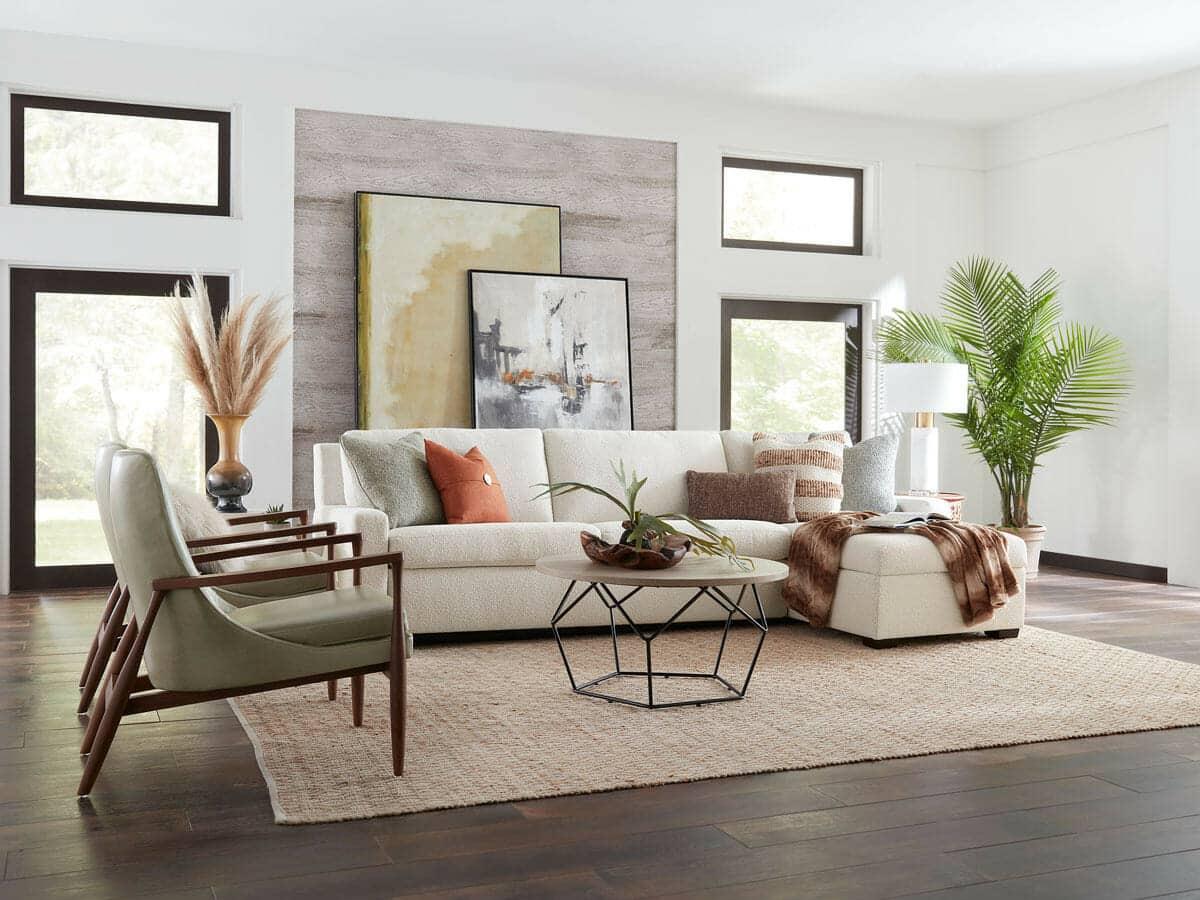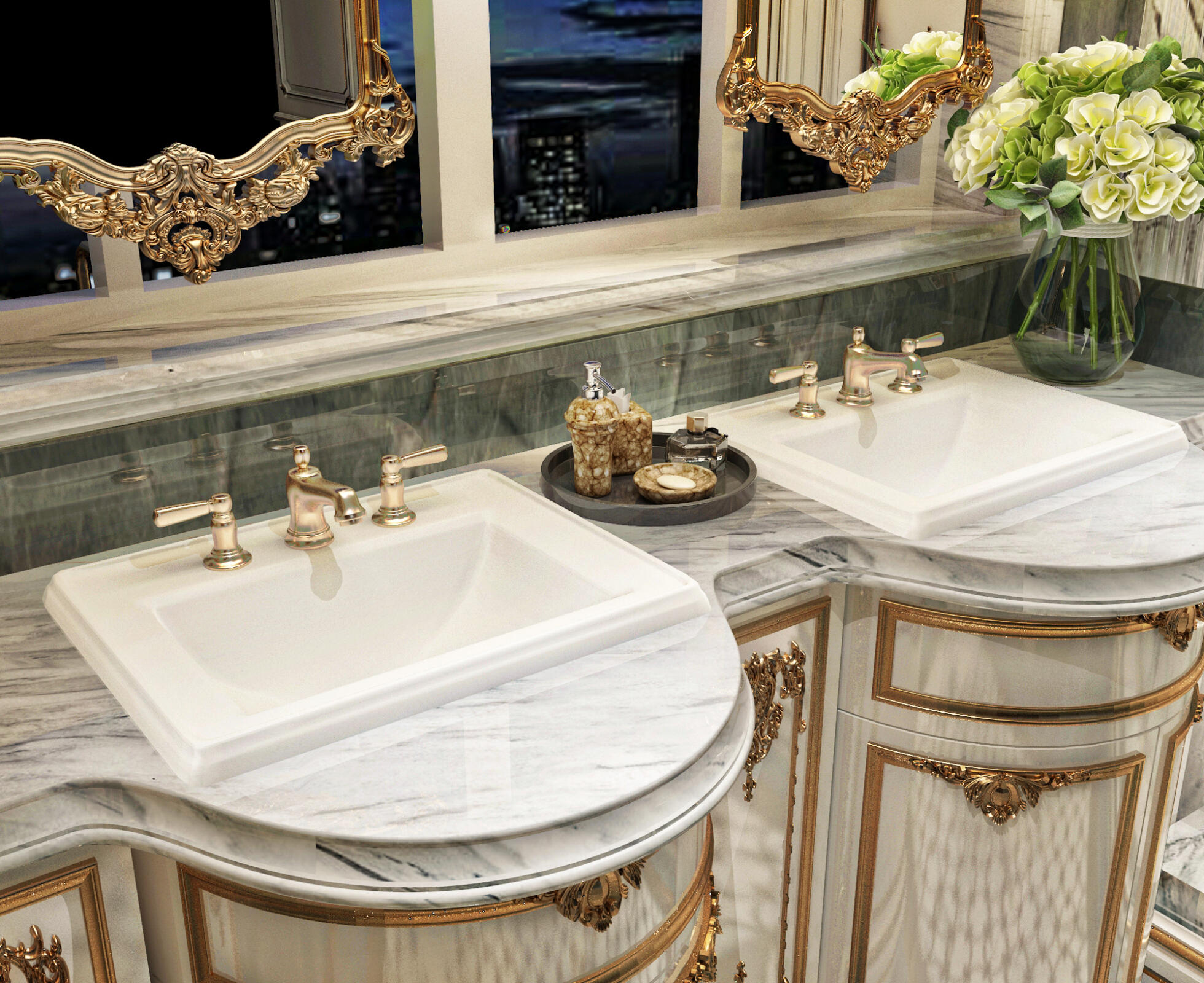

Imagine a room where a sleek leather sofa sits across from a reclaimed-wood coffee table, where matte-black lighting hangs above a hand-hewn beam. At first glance the pairing-polished geometry beside timeworn texture-might feel like two worlds colliding. But put differently, it’s an prospect: contemporary clarity can highlight rustic warmth, and rustic character can humanize modern minimalism.
Mixing these styles without clashing is less about forcing a compromise and more about composing a conversation. The key lies in shared threads-scale, color, material echoes, and intentional contrast-that let each element breathe while contributing to a cohesive whole. With thoughtful restraint and a few guiding principles, the result is neither pastiche nor compromise but a layered space that feels both current and lived-in.
This article will walk you thru practical strategies-from choosing a unified palette to balancing textures and selecting anchor pieces-so you can blend the crispness of contemporary design with the soul of rustic charm in ways that feel deliberate, calm, and durable.
Create a Unified Material Palette by Pairing Warm reclaimed Wood, Matte Metal and Natural Stone
Think of the room as a quiet conversation between elements: the soft grain of reclaimed wood offers a warm, lived-in voice, the restrained sheen of matte metal speaks in crisp punctuation, and the weight of natural stone grounds every sentence. Compose them sparingly-let a weathered plank be the hero countertop or dining table, introduce metal through slender legs or a hood, and counterbalance with a honed stone backsplash or a chunky hearth.Small, deliberate gestures keep the mix from shouting:
- Weathered oak + matte black steel + honed limestone
- Reclaimed pine + brushed bronze + soapstone
- Grey barnwood +
Make texture and scale your editors: choose one dominant material, one supporting texture and one accent to keep the composition readable.Embrace subtle contrasts-soft, tactile wood against restrained metal and the cool solidity of stone-then repeat a tone or finish across the room so the eye has a amiable path to follow. Practical rules to live by:
- Limit each material to two locations to avoid visual clutter
- Match the undertones (warm wood with warm stone veining)
- Anchor fixtures and hardware in the same metal family for coherence
Control Proportion and Scale to Anchor Contemporary Clean Lines with rustic Mass and Low Profiles
Think of the room as a conversation between silhouettes: the crisp, geometric vocabulary of contemporary pieces and the heavy, tactile language of rustic forms. Keep the dialog calm by letting one approach dominate the visual rhythm while the other provides weight and warmth – a low-slung reclaimed-wood sofa can ground airy,narrow-profile chairs; a broad,raw-beam console anchors a floating,minimal media wall. When scale is deliberate, the eye reads balance rather than contradiction, so pair a compact modern coffee table with an oversized, hand-hewn rug or choose a chunky mantel to give a spare fireplace purpose and presence.
Practical gestures make the marriage convincing: shorten or extend lines so mass and minimalism breathe together, and resist matching materials too literally – contrast is what makes each style sing. Use these fast strategies to keep the mix cohesive:
- Balance focal points: One large rustic element,one streamlined contemporary piece.
- Echo scale: Repeat proportions (low profiles vs. low profiles) across the room.
- Control visual weight: Lighter finishes on bulky forms; darker accents on slim forms.
- Limit clutter: Let clean lines read clearly around rustic texture.
| Contemporary | Rustic Pairing |
|---|---|
| Thin metal-legged sofa | Solid wood low coffee table |
| Floating shelves | Chunky reclaimed beam mantel |
| monochrome upholstery | Textured woven rug |
Layer Complementary Textures and Patterns Using Smooth Concrete, Handwoven Textiles and Distressed Leather
Bring modern crispness and lived-in warmth into conversation by pairing smooth concrete countertops or floors with soft, handwoven textiles and the character of distressed leather. Let concrete speak in clean planes and cool tones while textiles answer back with texture-think chunky weave throws, ikat cushions, or rya rugs-that soften edges and introduce an organic rhythm. Distressed leather anchors the palette, its patina and subtle imperfections creating a tactile bridge between contemporary geometry and rustic ease.
- Contrast scale: large concrete expanses + small-patterned weaves.
- Balance warmth: cool grey stone + warm brown leather accents.
- Repeat a tone: pull a textile accent color into grout lines or metal fixtures.
| Material | Where to Use | Effect |
|---|---|---|
| Smooth Concrete | Kitchen island, floor | Modern backbone |
| Handwoven Textiles | Throws, cushions, wall hangings | Softens and warms |
| Distressed Leather | Chairs, poufs, headboards | Adds history & depth |
Unify the Look with Purposeful Accents Such as Warm Metals, Soft Lighting and a Single Dominant Color
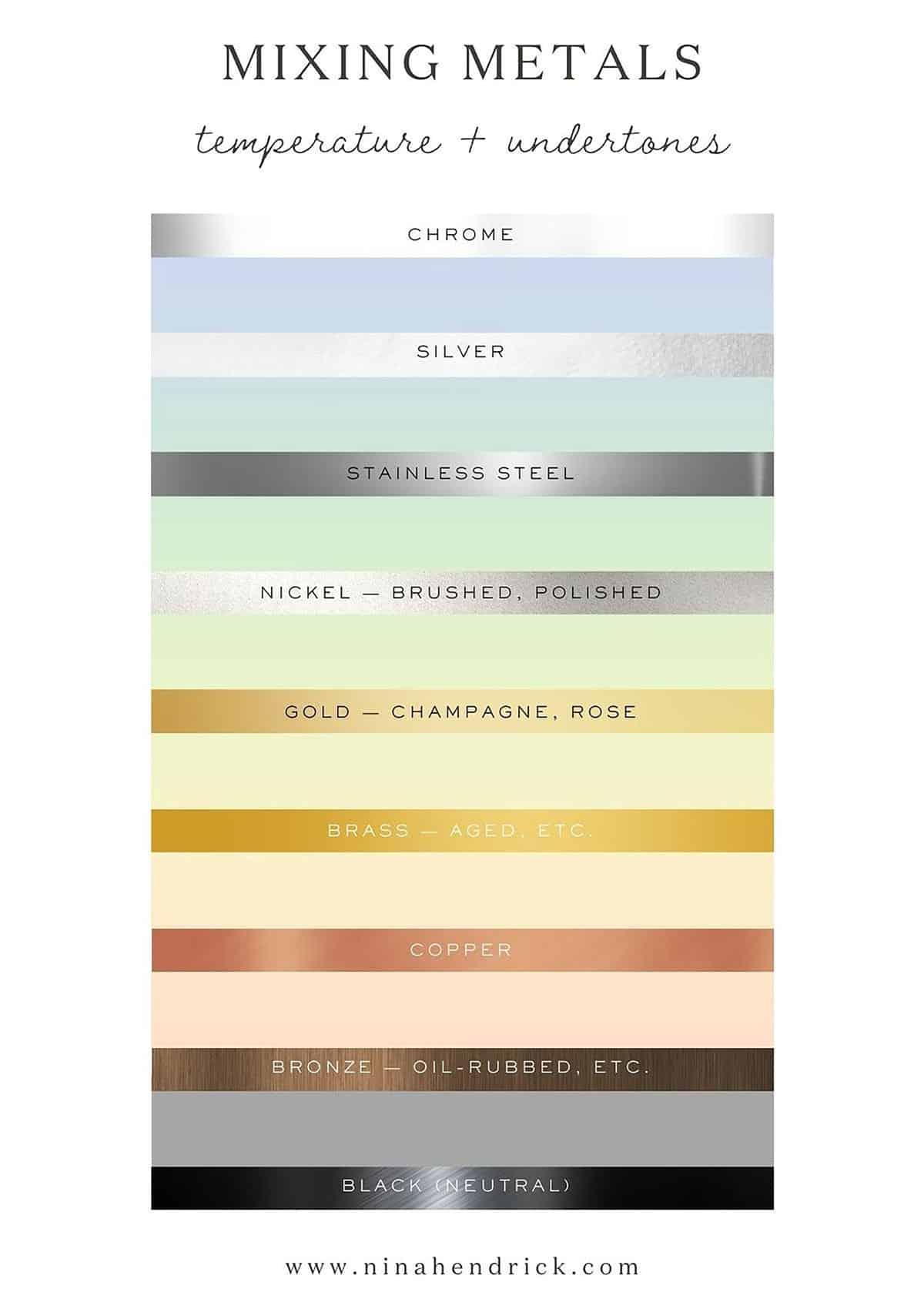
Think of accents as the subtle chorus that helps contemporary and rustic speak the same language: a few deliberate choices-warm metals, soft lighting and a single dominant color-turn contrast into conversation.Use metals like aged brass or hammered copper to echo the patina of reclaimed wood while thier polished edges nod to minimalist silhouettes; introduce lighting that flirts with shadow-amber-toned bulbs, frosted glass pendants or dimmable sconces-to soften modern lines without muting them. Small, repeatable details create rhythm, so select accents that can appear in multiple places to build cohesion rather than rely on a single statement piece.
Practical moves to unify the room include keeping one color family dominant-deep olive, warm terracotta or slate blue-then letting neutrals and textures play supporting roles.Try these quick strategies:
- Repeat in threes: group three metal or lighting accents to satisfy the eye’s craving for balance.
- Mix finishes sparingly: one primary metal, one secondary matte or black finish for contrast.
- Layer light: ambient, task and accent lighting to give rustic materials depth and contemporary pieces presence.
With restrained repetition and thoughtful scaling, accents stop being adornment and start acting like glue-binding the warmth of the past to the crispness of the present.
To Conclude
Like any good conversation,a successful blend of contemporary and rustic is less about one voice dominating and more about the way each responds to the other. Ground the room with a cohesive palette and a few shared materials, let scale and restraint set the rhythm, and use focal pieces to punctuate-then step back and edit. When finished, the space should feel intentional rather than accidental: warm without kitsch, sleek without coldness. Trust the balance you’ve created, tweak as you live in it, and let the result be a quietly confident dialogue between past and present.