A properly functioning air conditioner is essential for maintaining comfort, especially during the hottest months of the year. Whether you rely on your AC system to keep your home cool or ensure a comfortable work environment, even minor issues can quickly turn into major problems if left unaddressed. Unfortunately, many homeowners ignore early warning signs, assuming the system will continue working normally. In reality, delaying repairs often leads to higher energy bills, reduced efficiency, and costly breakdowns.
When homeowners notice unusual behavior from their cooling systems, it’s important to contact a trusted air conditioner repair company in Monroe, OH before small problems become expensive emergencies. Professional technicians can identify underlying issues, restore performance, and help extend the lifespan of your HVAC system. Recognizing the warning signs early can save both time and money while ensuring your home remains comfortable throughout the season.
1. Warm Air Is Coming from the Vents
One of the most obvious signs that your air conditioner needs repair is when warm or room-temperature air blows from the vents instead of cool air. This issue can stem from several causes, including low refrigerant levels, compressor problems, thermostat malfunctions, or restricted airflow.
If your thermostat is set correctly and your AC still fails to produce cold air, it’s time to have the system inspected by a professional. Ignoring this problem can place additional strain on the system, causing further damage and potentially leading to complete failure.
2. Weak Airflow Throughout the Home
Strong, consistent airflow is essential for effective cooling. If you notice that air is barely coming out of your vents or certain rooms remain warmer than others, your AC may have an airflow issue.
Common causes of weak airflow include:
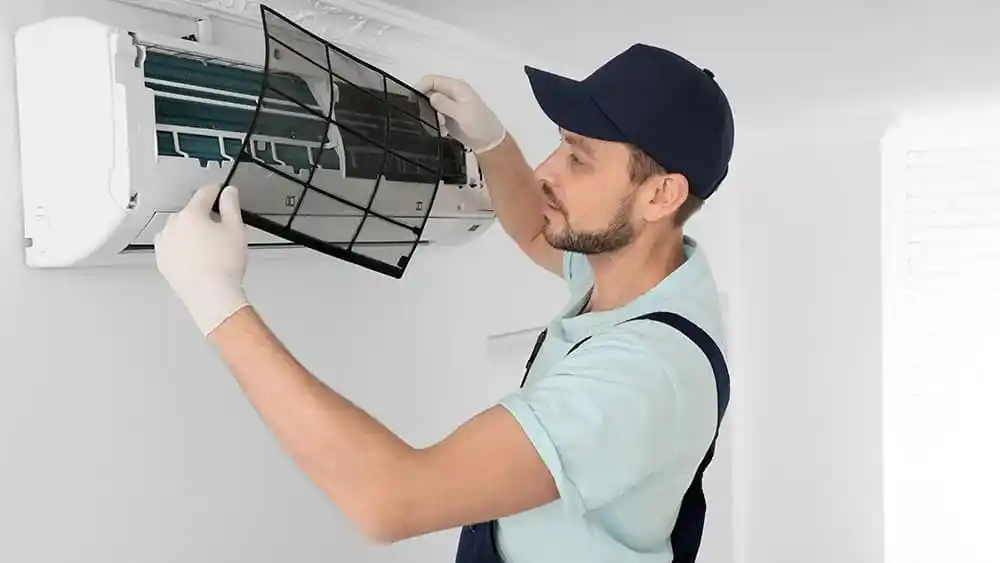
- Clogged air filters
- Blocked ductwork
- Failing blower motors
- Dirty evaporator coils
Poor airflow not only affects comfort but also forces the system to work harder, increasing energy consumption and accelerating wear and tear on critical components.
3. Unusual Noises During Operation
Air conditioners are not completely silent, but they should operate relatively quietly. Strange sounds are often indicators that something is wrong inside the system.
Pay attention to noises such as:
- Grinding
- Squealing
- Banging
- Rattling
- Buzzing
- Clicking
These sounds may indicate loose parts, motor issues, damaged belts, electrical problems, or debris within the unit. Addressing unusual noises promptly can prevent further damage and more expensive repairs down the road.
4. Higher-Than-Normal Energy Bills
A sudden increase in your utility bills without a corresponding rise in usage often points to an inefficient air conditioning system. As AC components wear out or become damaged, the system must work harder to maintain the desired temperature.
Several issues can contribute to reduced efficiency, including:
- Dirty coils
- Refrigerant leaks
- Failing compressors
- Faulty thermostats
- Airflow restrictions
If your cooling costs have steadily increased, scheduling an inspection can help identify the root cause and restore energy efficiency.
5. Frequent Cycling On and Off
Air conditioners naturally cycle on and off throughout the day to maintain indoor temperatures. However, if your system turns on and off excessively, it may be experiencing short cycling.
Short cycling can result from:
- Thermostat issues
- Refrigerant problems
- Oversized AC units
- Electrical malfunctions
- Dirty air filters
This issue increases energy consumption, places unnecessary strain on components, and shortens the overall lifespan of the system. Prompt repairs can help restore normal operation and prevent long-term damage.
6. Excess Humidity Indoors
Your air conditioner does more than cool the air—it also helps regulate indoor humidity levels. If your home feels sticky, damp, or uncomfortable despite the AC running, there may be an issue with the system.
Excess indoor humidity can indicate:
- Improper system sizing
- Refrigerant issues
- Drainage problems
- Malfunctioning components
High humidity levels can also encourage mold growth, damage furniture, and negatively impact indoor air quality. Professional repairs can restore proper moisture control and improve overall comfort.
7. Water Leaks Around the Unit
Moisture around your air conditioning unit should never be ignored. While some condensation is normal, visible pooling water or leaking fluids can indicate a serious issue.
Potential causes include:
- Clogged condensate drain lines
- Broken condensate pumps
- Frozen evaporator coils
- Refrigerant leaks
Water damage can affect floors, walls, and nearby structures if not addressed quickly. Additionally, refrigerant leaks may pose health and environmental concerns and require immediate professional attention.
8. Unpleasant Odors Coming from Vents
Strange smells from your AC system are another warning sign that repairs may be necessary. Different odors can indicate different issues.
Examples include:
- Musty smells from mold or mildew growth
- Burning odors from electrical problems
- Chemical smells from refrigerant leaks
- Rotten odors from accumulated debris
Ignoring unusual smells can lead to worsening indoor air quality and potentially hazardous conditions. A professional technician can diagnose the source and recommend the appropriate solution.
9. Thermostat Problems
Sometimes what appears to be an air conditioning problem actually originates from the thermostat. If your system struggles to maintain consistent temperatures or fails to respond to thermostat adjustments, the control system may be malfunctioning.
Signs of thermostat issues include:
- Incorrect temperature readings
- Inconsistent cooling
- System not turning on or off properly
- Unresponsive controls
Modern programmable and smart thermostats improve efficiency, but they can also experience software, wiring, or sensor issues that require professional diagnosis.
10. Frozen Evaporator Coils
Evaporator coils are responsible for absorbing heat from indoor air. When these coils freeze, the cooling process becomes ineffective and can eventually cause system shutdown.
Common causes of frozen coils include:
- Restricted airflow
- Dirty filters
- Low refrigerant levels
- Blower fan issues
Visible ice on the indoor unit is a clear indication that repairs are needed. Continuing to operate the system in this condition can lead to significant compressor damage.
11. The AC Is More Than 10 Years Old
Age alone does not mean your air conditioner needs replacement, but older systems often require more frequent repairs. Most air conditioning units have a lifespan of approximately 10 to 15 years with proper maintenance.
As systems age, components naturally wear out, efficiency declines, and repair costs may increase. If your older AC requires frequent service calls, it’s wise to have a professional evaluate whether repairs remain cost-effective.
12. Uneven Cooling Throughout the House
If some rooms are comfortably cool while others remain hot, your system may not be distributing air properly. Uneven cooling can result from:
- Ductwork leaks
- Blocked vents
- Thermostat placement issues
- Airflow restrictions
- Aging equipment
Uneven temperatures reduce comfort and often indicate underlying issues that require professional attention.
13. Poor Indoor Air Quality
Your air conditioning system plays a significant role in maintaining indoor air quality. When the system is not functioning properly, dust, allergens, and airborne contaminants may circulate throughout your home.
Signs of declining indoor air quality include:
- Increased dust accumulation
- Allergy flare-ups
- Respiratory irritation
- Musty odors
Regular maintenance and timely repairs help ensure your system effectively filters and circulates clean air.
14. Refrigerant Leaks
Refrigerant is essential for the cooling process. If your system develops a leak, cooling performance will decline significantly.
Signs of refrigerant leaks include:
- Reduced cooling capacity
- Hissing sounds
- Frozen coils
- Longer cooling cycles
- Increased energy bills
Because refrigerant handling requires specialized equipment and certification, leaks should always be addressed by trained HVAC professionals.
15. The System Constantly Needs Repairs
Every AC system may need occasional repairs, but frequent breakdowns are a sign that something more serious is occurring. If you find yourself repeatedly scheduling service appointments, the costs can quickly add up.
Recurring repairs may indicate:
- Aging equipment
- Poor maintenance history
- Underlying mechanical failures
- Improper installation
A professional evaluation can help determine whether continued repairs make financial sense or if more comprehensive solutions are necessary.
Why Prompt AC Repairs Matter
Delaying air conditioner repairs often leads to more than just discomfort. Minor issues can escalate into major mechanical failures, resulting in costly repairs or even complete system replacement.
Benefits of addressing AC problems early include:
- Lower repair costs
- Improved energy efficiency
- Better indoor comfort
- Extended equipment lifespan
- Improved air quality
- Reduced risk of emergency breakdowns
Routine inspections and timely repairs allow technicians to identify and resolve issues before they become serious.
Final Thoughts
Your air conditioner works hard to keep your home comfortable, but it often provides warning signs before a major breakdown occurs. Warm air, weak airflow, unusual noises, rising energy bills, excessive humidity, leaks, unpleasant odors, and uneven cooling are all indicators that professional attention may be needed.
Recognizing these signs early and scheduling repairs promptly can save money, improve efficiency, and extend the life of your cooling system. Whether the issue is minor or more complex, addressing problems as soon as they appear ensures your air conditioner continues to perform reliably when you need it most. Regular maintenance combined with timely repairs is the best way to protect your investment and maintain year-round comfort.