You don’t always need a major construction project to make your home look noticeably better from the outside. Sometimes, a freshly painted front door, cleaner exterior surfaces, updated lighting, or a more organized entrance can make a bigger visual difference than you might expect.
Curb appeal is about the overall impression your home creates before anyone steps through the front door. It includes everything from the condition of your siding and windows to the landscaping, walkways, exterior colors, and small finishing details that tie everything together.
The good news? You can improve your home’s exterior at almost any budget. Some projects are simple weekend updates, while others require professional help but can completely transform an outdated facade.
Whether you’re preparing to sell your property or simply want to feel better about coming home each day, the right exterior renovations can help you create a cleaner, more attractive, and more inviting space.
Here are some practical ways to improve your home’s curb appeal without spending money on upgrades you don’t really need.
1. Give Your Front Door a Fresh Look
Your front door is one of the first features people notice when approaching your home. If it’s faded, scratched, or surrounded by worn trim, the entire entrance can look tired, even when the rest of the property is in good condition.
Refreshing the entryway is one of the simplest ways to make a noticeable improvement.
Choose a door color that complements your home
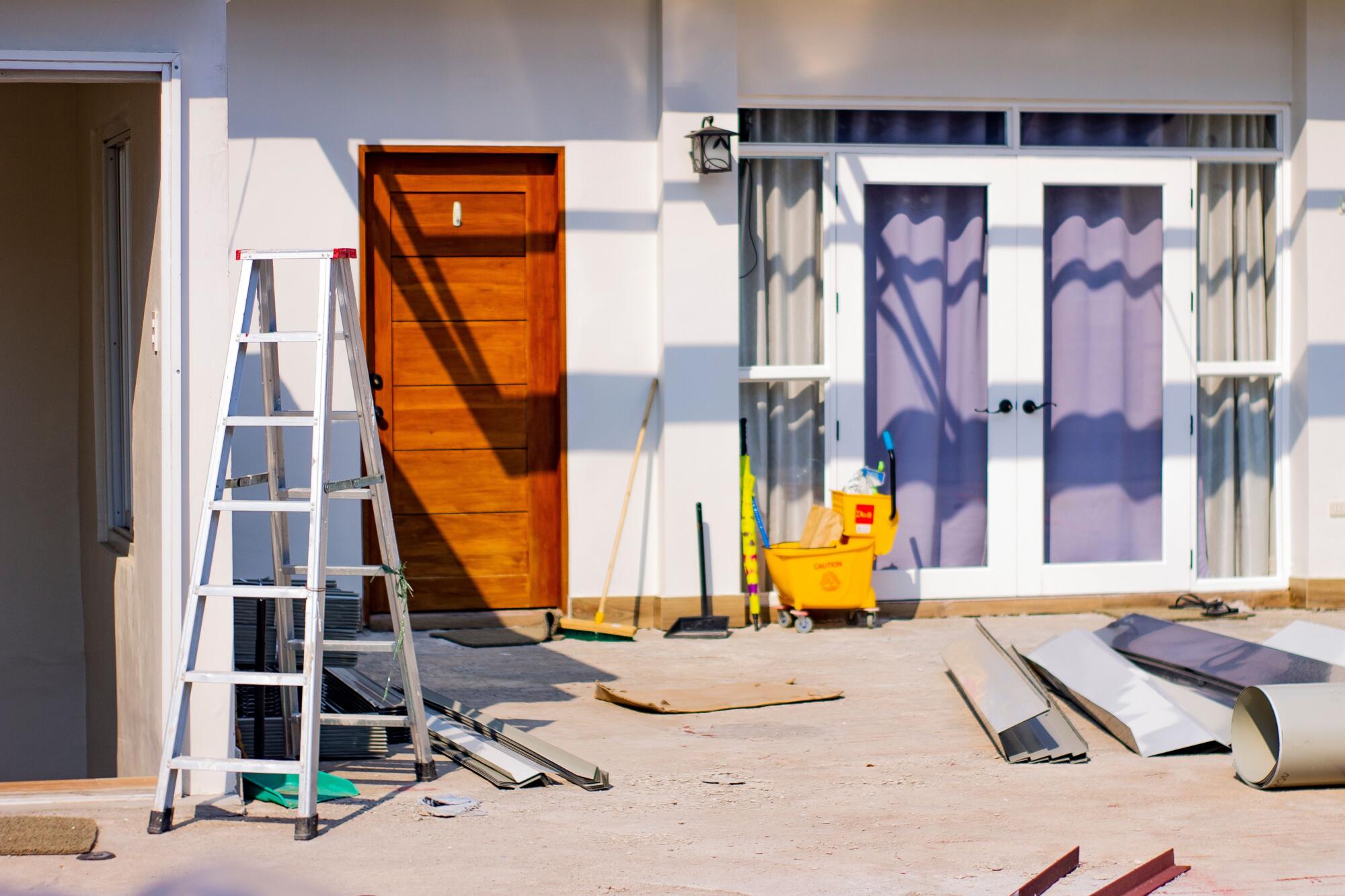
A natural wood finish, like the warm wooden door in the supplied renovation photograph, can introduce richness and character against a light exterior. Other options include deep navy, charcoal, forest green, or a classic black finish.
The best choice depends on your home’s architectural style, existing materials, and surrounding colors.
Before choosing a new color, look at your siding, roof, window frames, and exterior trim together. A coordinated palette usually creates a more polished result than selecting each color separately.
Update the hardware and surrounding details
You don’t necessarily need to replace the entire door. Consider these smaller improvements:
- Replace worn handles, locks, or door knockers.
- Install modern house numbers that are easy to read from the street.
- Repaint peeling or faded door trim.
- Add a clean, appropriately sized doormat.
- Place a pair of attractive planters near the entrance if space allows.
If your door is warped, damaged, or difficult to close, address those problems before focusing on decorative upgrades.
Design tip: Let the front door be the focal point. A distinctive door looks best when the surrounding finishes support it rather than compete for attention.
2. Refresh Exterior Paint and Finishes
Fresh paint can make an older home look cleaner and more cared for. It also gives you an opportunity to unify exterior elements that may have faded at different rates.
Start by examining the siding, trim, porch columns, window frames, and other painted surfaces. Look for peeling paint, discoloration, mildew, or areas where the finish has deteriorated.
You may discover that only a few sections need attention rather than the entire exterior.
Pick a coordinated color palette
A simple exterior color scheme often includes three elements:
- Main color: The primary shade for siding or exterior walls.
- Trim color: A complementary shade for window frames, fascia, and architectural details.
- Accent color: A contrasting finish for the front door, shutters, or selected features.
Warm whites, soft grays, earthy neutrals, and muted greens can work well with many architectural styles. The important thing is to consider the roof color and permanent materials, such as brick or stone, before committing.
Always test paint samples outdoors. Natural light can make a color appear very different from how it looks on a small sample card.
Repair before repainting
Painting over damaged surfaces rarely produces a lasting result. Repair loose siding, scrape failing paint, prepare the surface, and use the appropriate primer before applying a suitable exterior coating.
If you find soft wood, extensive cracking, or persistent moisture damage, investigate the cause before covering it up.
3. Improve Exterior Lighting
Exterior lighting makes your home easier to approach after dark while highlighting architectural features that might otherwise disappear in the evening.
It can also make a plain entrance feel more intentional without changing the structure of the house.
Start with the areas that need the most attention: the front door, porch, steps, and walkway.
Layer lighting for a balanced effect
Consider combining a few different types of outdoor lighting:
- Entry lights: Wall-mounted fixtures beside the front door.
- Pathway lights: Low-level lights that help people navigate walkways.
- Accent lights: Fixtures that highlight trees, landscaping, or architectural details.
- Porch lighting: Soft illumination that makes the entrance feel welcoming.
Choose fixtures that suit the home’s exterior style. Matte black finishes can complement contemporary architecture, while bronze or traditional lantern designs may suit more classic homes.
Use outdoor-rated fixtures and bulbs appropriate for the location. Electrical installation, particularly in exposed or wet areas, should meet applicable local requirements and may need a qualified electrician.
Avoid excessive brightness. A well-lit entrance should feel comfortable and easy to navigate, not harsh or glaring.
4. Clean Up Landscaping and Define the Front Yard
Even an attractive house can look neglected when the yard is overgrown or the walkway is difficult to see.
Fortunately, landscaping improvements don’t always require expensive planting schemes or a complete garden redesign. Often, the best starting point is to work with what you already have.
Trim overgrown shrubs, remove dead plants, pull weeds, and clear leaves or debris from the entrance. Edge garden beds to create cleaner lines, then add fresh mulch where appropriate.
Choose plants that suit your space
Consider the amount of sunlight your front yard receives, the local climate, drainage conditions, and how much maintenance you’re willing to handle.
Low-maintenance shrubs, suitable native plants, and seasonal flowers can add color without creating an overwhelming amount of work.
For a small entrance, a few well-placed containers may be enough. Larger properties may benefit from layered planting, with lower flowers near the walkway and taller shrubs positioned farther back.
Keep plants away from paths and entrances so they don’t obstruct movement or hide house numbers.
Make the walkway part of the design
A clean, unobstructed walkway helps connect the street to the front door. Remove weeds between paving joints, clean stained surfaces using an appropriate method, and repair loose or uneven sections.
If the walkway is cracked or badly deteriorated, a more substantial repair may be worthwhile.
The goal is to make the route to your front door look deliberate, safe, and easy to follow.
5. Upgrade Windows, Glass Doors, and Exterior Trim
Windows and glass doors occupy a significant portion of many home exteriors. When the frames are dirty, the trim is peeling, or the seals are deteriorating, the whole facade can appear older than it really is.
The large white-framed glass doors in the supplied photograph illustrate how these features can define an exterior’s appearance.
Before investing in replacements, determine whether the existing units need cleaning, minor repairs, new hardware, or more extensive work.
Start with maintenance
Simple improvements include:
- Cleaning glass and window frames.
- Removing dirt and buildup from tracks.
- Touching up compatible exterior trim paint.
- Replacing damaged weatherstripping.
- Repairing deteriorated caulking where appropriate.
- Checking for signs of water intrusion around frames.
If you notice drafts, condensation between glass panes, or recurring moisture around a frame, further investigation may be necessary. ENERGY STAR provides guidance on identifying and addressing leaks around windows and doors. Read its window and door sealing guidance.
When replacement makes sense
Replacement may be appropriate when frames are damaged, glazing has failed, operation is difficult, or repairs no longer provide a reliable solution.
Choose replacement windows and doors that complement the home’s architecture. Consistent frame colors, appropriate proportions, and neatly finished trim can make the entire exterior feel more cohesive.
If you are already planning siding or other facade work, coordinate the projects where practical so that flashing, trim, and weatherproofing can be addressed together.
6. Repair and Refresh Walkways, Driveways, and Entry Surfaces
The area immediately outside your front door can have a surprising influence on curb appeal.
Cracked paving, stained concrete, loose boards, and scattered renovation materials can distract from otherwise attractive exterior features.
The supplied photograph shows a renovation area with exposed concrete and materials waiting to be installed. During an actual renovation, organizing this space and completing the finishing work are essential steps toward a polished result.
Focus on visible improvements first
Begin with a thorough cleanup. Remove loose debris, sweep the entrance, and clean suitable surfaces using methods that won’t damage the material.
For concrete, use a cleaner appropriate for the surface and follow the manufacturer’s instructions. Pressure washing may be suitable for some areas, but excessive pressure can damage softer materials, mortar joints, coatings, or wood.
Repair minor cracks using compatible products. Larger cracks, significant movement, drainage problems, and uneven walking surfaces may require professional assessment.
If your porch or steps are made of wood, inspect them for rot, loose fasteners, and damaged boards before applying a new stain or finish.
Practical tip: Repair functional problems before adding decorative finishes. A smooth, safe walkway will improve the entrance more than decorative accessories placed around a damaged surface.
7. Update Small Exterior Details for a More Finished Look
Sometimes, the smallest details are what make an exterior feel complete.
House numbers, mailboxes, door hardware, visible utility fixtures, and porch accessories can all affect the overall impression. When these elements are worn or mismatched, the house may look less coordinated than it actually is.
Choose a consistent finish for details that sit close together. For example, black house numbers, a matching door handle, and a complementary wall lantern can create a unified look.
You don’t have to replace everything. Clean existing fixtures, tighten loose hardware, repaint suitable surfaces, and remove accessories that make the entrance feel cluttered.
If you have room for a small bench or outdoor seating area, choose weather-resistant furniture that fits the scale of the entrance. Keep the space functional and avoid blocking the door or walkway.
The aim isn’t to decorate every available surface. It’s to make the exterior feel intentional.
8. Prioritize Repairs Before Major Cosmetic Renovations
A beautiful exterior won’t stay that way if underlying maintenance problems remain unresolved.
Before spending money on decorative upgrades, inspect the roof edges, gutters, siding, window trim, foundation area, porch, and other exposed components.
Look for peeling paint, loose materials, missing flashing, leaking gutters, damaged caulking, and visible signs of water intrusion.
These issues may seem less exciting than a new front door or fresh landscaping, but they can affect both the appearance and long-term condition of your home.
Choose improvements in the right order
A sensible renovation sequence is:
- Address safety concerns, active leaks, structural damage, and drainage problems.
- Repair deteriorated siding, trim, doors, windows, and walking surfaces.
- Clean and prepare surfaces before painting or refinishing.
- Complete major exterior replacements, if needed.
- Add lighting, landscaping, and decorative finishing touches.
This approach helps prevent newly finished surfaces from being damaged by repairs that should have happened earlier.
If your home has widespread rot, persistent moisture, significant cracks, or recurring water damage, consult a qualified professional before proceeding with cosmetic work.
9. Plan Your Exterior Renovation Budget Wisely
You don’t need to complete every project at once. A phased plan lets you prioritize the most visible improvements while keeping spending manageable.
For a small budget
Start with cleaning, basic yard maintenance, repainting the front door, updating house numbers, and replacing worn accessories.
These projects can make the entrance look fresher without requiring a large construction budget.
For a moderate budget
Consider repainting selected exterior surfaces, upgrading entry lighting, repairing the walkway, refreshing landscaping, or replacing damaged trim.
Focus on improvements that work together rather than spreading your budget across unrelated changes.
For a larger renovation
If the exterior has widespread deterioration, consider more substantial work such as siding replacement, new windows or doors, porch repairs, or a complete entrance redesign.
Get itemized estimates, compare materials, and confirm what each contractor’s quote includes. Costs vary by location, property size, material selection, labor requirements, and the condition of the existing structure.
Set aside a contingency for unexpected repairs, particularly when removing old siding, trim, or other materials may expose hidden damage.
It’s also worth checking local permit requirements before beginning work that changes the structure, electrical systems, exterior openings, or other regulated features.
Conclusion: Small Changes Can Make a Big Difference
Improving curb appeal doesn’t always mean rebuilding your porch, replacing every window, or investing in an entirely new exterior.
A well-maintained front door, coordinated paint colors, attractive lighting, tidy landscaping, and clean walkways can transform the way your home looks and feels.
The most effective exterior renovations begin with a clear plan. Identify what looks worn, address any underlying maintenance problems, and focus your budget on the areas that will make the biggest difference.
Use the existing architecture as your guide. When the colors, materials, lighting, and landscaping work together, even modest improvements can give your home a more polished and welcoming appearance.
Start with one project, finish it properly, and build from there. With a thoughtful approach, you can create an exterior that looks better today and remains easier to maintain in the years ahead.
Key Takeaways
- Refresh the front door: New paint, modern hardware, and clean trim can transform the entrance.
- Coordinate exterior colors: Choose paint shades that complement your roof, siding, windows, and permanent materials.
- Improve outdoor lighting: Illuminate entrances, steps, and walkways while highlighting attractive architectural features.
- Tidy up landscaping: Trim shrubs, remove weeds, define garden beds, and choose plants suited to your climate.
- Maintain windows and doors: Clean frames, repair damaged trim, and address drafts or moisture problems.
- Repair surfaces first: Fix damaged walkways, deteriorated siding, and other maintenance issues before adding decorative finishes.
- Plan your budget: Prioritize visible improvements and essential repairs instead of attempting every upgrade at once.
- Think about the whole exterior: A cohesive combination of colors, materials, lighting, and landscaping creates a more finished appearance.
Frequently Asked Questions
1. What exterior renovations improve curb appeal the most?
Front door improvements, exterior painting, updated lighting, refreshed landscaping, and repaired walkways can make a noticeable difference. The best project depends on your home’s current condition and which features are most visible from the street.
2. How can I improve my home’s curb appeal on a budget?
Start by cleaning the exterior, trimming plants, removing weeds, refreshing the front door, and replacing worn house numbers or hardware. These relatively simple projects can make the property look better without requiring a major renovation.
3. Does painting a front door increase curb appeal?
Yes. A fresh, well-chosen door color can create a focal point and make the entrance look more inviting. For the best result, prepare the surface properly and choose paint suitable for the door’s material and exposure to weather.
4. What exterior home improvements should I do first?
Address safety concerns, structural damage, active leaks, drainage issues, and deteriorated materials first. Once the essential repairs are complete, move on to painting, lighting, landscaping, and decorative details.
5. Is exterior lighting worth upgrading?
Exterior lighting can improve visibility, help illuminate walkways, and make architectural features more noticeable after dark. Select appropriately rated fixtures and position them to provide useful illumination without creating excessive glare.
6. How do I choose exterior paint colors?
Consider your home’s architectural style, roof color, existing siding, window frames, and surrounding landscape. Test samples outdoors at different times of day before choosing a final palette.
7. Do I need a contractor for exterior renovations?
Not always. Cleaning, planting, painting certain surfaces, and replacing simple decorative accessories may be suitable DIY projects. Roofing, structural repairs, significant window or door replacements, and electrical work may require qualified professionals.
8. How can I maintain curb appeal after renovating?
Clean exterior surfaces regularly, maintain landscaping, inspect paint and caulking, keep gutters clear, and repair minor damage promptly. Seasonal inspections can help you identify developing problems before they become expensive repairs.