Most homeowners do not think about the wiring behind their walls until something goes wrong. Yet the electrical system running through an older home can quietly affect everything from monthly utility bills to the risk of a house fire.
Understanding what aging wiring actually does to your home is the first step toward fixing it before it becomes a costly problem.
What Counts as Old Wiring?
Homes built before the 1970s often used wiring materials and methods that are considered outdated by today’s standards. Knob and tube wiring, aluminum wiring, and even early versions of copper wiring without modern insulation can all fall into this category.
If your home is more than 40 or 50 years old and hasn’t had a major electrical update, there’s a good chance at least part of the system is original.
The problem isn’t just age for its own sake. It’s that these systems were designed for a different era of electricity use.
A household in 1965 wasn’t running multiple laptops, streaming devices, HVAC systems, and kitchen appliances all at once. Today’s homes demand far more from their electrical panels and wiring than builders ever anticipated decades ago.
How Does Old Wiring Create Safety Risks?
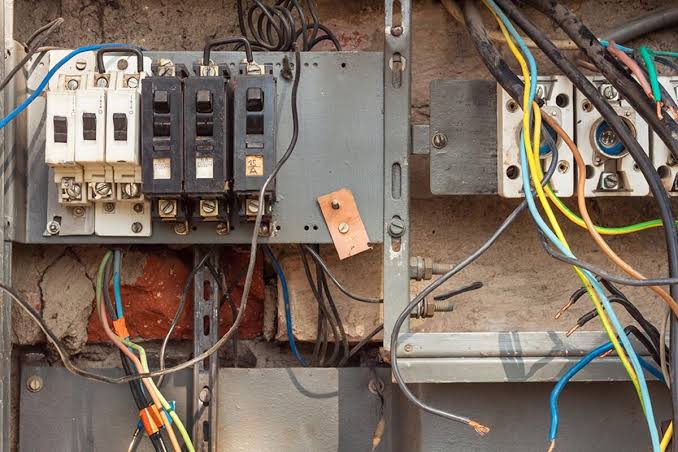
Deteriorating insulation is one of the biggest concerns. Over time, the protective sheathing around wires can crack, dry out, or crumble, exposing bare wire.
This raises the risk of shorts, sparks, and electrical fires, especially in walls, attics, and other spaces where damage can go unnoticed for years.
Overloaded circuits are another common issue. Older homes typically have fewer circuits than modern building codes require, which means too many outlets and appliances end up sharing the same circuit. When that circuit gets pushed past its limit, breakers trip repeatedly or, in worse cases, wires overheat.
Homeowners searching for a qualified electrician in chesterfield mo often reach out after noticing warning signs like flickering lights, warm outlet covers, or a persistent burning smell near switches. These symptoms shouldn’t be ignored, since they often point to wiring that’s struggling to keep up with the home’s demands.
Does Old Wiring Really Waste Energy?
Yes, and the effect can be more significant than people expect. Aging wiring often has higher resistance than newer materials, which means more energy is lost as heat while electricity travels through the system.
That lost energy doesn’t power anything in your home. It simply disappears, and you end up paying for it anyway.
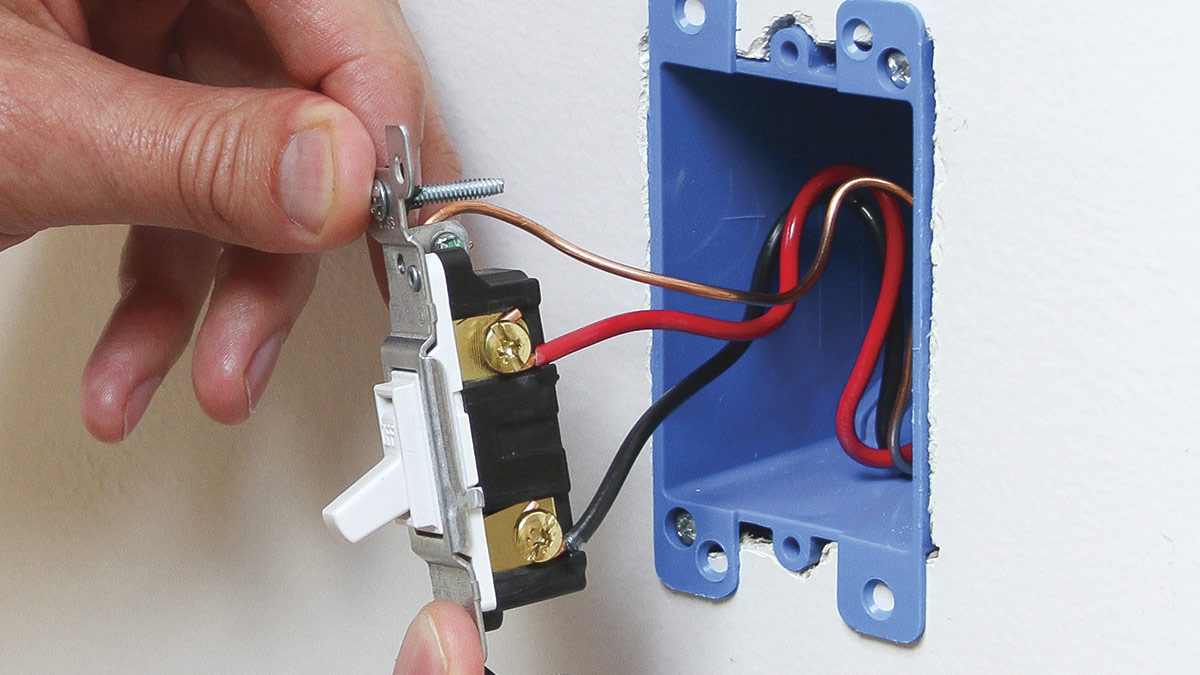
Loose connections compound the problem. Over the years, screws and wire nuts can loosen slightly due to temperature changes and general wear.
Even a small amount of resistance at these connection points can cause voltage drops, making appliances work harder to draw the power they need.
Older panels also tend to lack the efficiency features found in modern electrical systems. If your panel is outdated, it may not distribute power as evenly, leading to certain circuits working overtime while others sit underused.
What Are the Warning Signs Worth Watching For?
A few signals tend to show up before things get serious. Lights that dim or flicker when you run the microwave or air conditioner suggest your circuits are strained.
Outlets that feel warm to the touch, discolored switch plates, or a faint burning odor near your electrical panel are all signs that shouldn’t wait for a convenient time to check out.
Frequent breaker trips are also worth paying attention to. A breaker tripping once in a while during a storm is normal. A breaker tripping every time you use the toaster and the coffee maker together is not.
Can Old Wiring Affect Your Insurance and Home Value?
It can, actually. Many insurance companies now ask about the age and type of wiring during underwriting, and some will charge higher premiums or even deny coverage for homes with knob and tube or aluminum wiring that hasn’t been updated.
Buyers and home inspectors pay close attention to electrical systems too, so outdated wiring can become a negotiating point or a deal breaker during a home sale.
Updating your wiring isn’t just about avoiding a fire hazard. It’s also a practical way to protect your home’s resale value and keep your insurance costs reasonable over the long run.
What Should Homeowners Do About It?
The first step is simply getting an inspection. A licensed professional can evaluate your panel, circuits, and wiring condition, then explain what needs attention now versus what can wait.
Not every older home needs a full rewire immediately. Sometimes targeted upgrades, like adding circuits or replacing a panel, solve the most pressing issues.
It also helps to prioritize based on usage. Kitchens, home offices, and rooms with heavy electronic use tend to benefit most from upgraded wiring first, since these areas typically draw the most power day to day.
Waiting too long is the biggest mistake homeowners make. Electrical problems rarely improve on their own, and the cost of delaying repairs usually grows over time, both in energy waste and safety risk.
Final Thoughts
Old wiring is easy to overlook because it’s hidden behind walls and ceilings, but its effects show up in ways homeowners notice every day, from higher energy bills to inconsistent power throughout the house.
Taking the time to understand your home’s electrical age and condition can save money, prevent hazards, and give you real peace of mind. If it’s been a while since your system was inspected, now is a good time to have it checked before small issues turn into bigger ones.