
In a world that often feels chaotic and overwhelming, our homes can serve as sanctuaries-places of comfort and solace where we can reclaim our peace. The spaces we inhabit have a profound impact on our mental well-being, shaping our moods, fostering creativity, and influencing our overall sense of belonging. Designing a home that supports mental health goes beyond mere aesthetics; it involves thoughtfully curating an surroundings that nurtures positivity and tranquility. In this article, we’ll explore practical strategies and innovative ideas to transform your living space into a haven that not only reflects your personal style but also bolsters your mental resilience. Join us on this journey to create a home that truly supports your well-being-because the foundation of a healthy mind often begins at our front door.
Designing Mindful Spaces for Tranquility
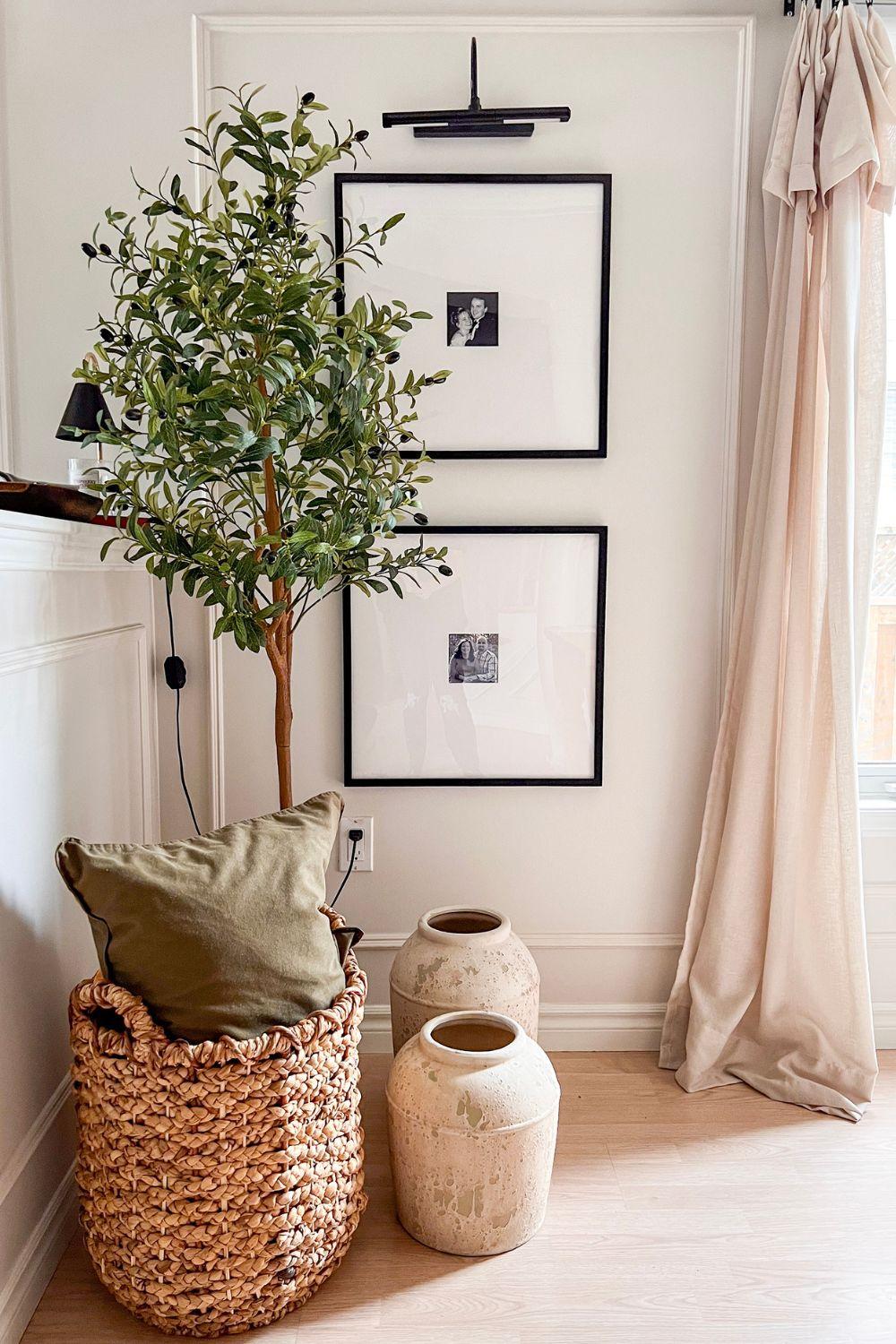
Creating a home environment that fosters mental well-being begins with the intentional design of spaces that promote relaxation and mindfulness. One effective approach is to incorporate natural elements that can calm the mind and enhance mood. Consider adding houseplants, as their greenery not only purifies the air but also connects you to nature. Soft, diffused lighting can work wonders in creating a soothing atmosphere; think warm bulbs, fairy lights, or even candles. Furthermore, selecting a calm color palette, with hues such as soft blues, gentle greens, or earthy tones, can substantially impact your emotional state.
To optimize your surroundings for tranquility, consider establishing dedicated zones within your home that cater to different aspects of well-being. Here are a few functional space ideas:
- Meditation nook: A quiet corner with cushions and soft textiles.
- reading area: A cozy chair with good lighting to escape into books.
- Creative space: A table or desk for artistic expression or journaling.
- Relaxation zone: A hammock or a soft rug for gentle stretching or yoga.
By thoughtfully designing these areas, you facilitate a flow of mindfulness through your daily life, allowing each space to serve as a refuge that nurtures your mental health.

Choosing Colors that Soothe and Inspire
Color plays a pivotal role in shaping our moods and emotions, making it essential to choose shades that create a calming atmosphere. Consider hues that evoke tranquility and peace, such as:
- Pale Blue: often associated with serenity, it can mimic the sky and promote a sense of openness.
- Soft Greens: Symbolizing nature, greens can instill feelings of balance and renewal.
- Lavender: Known for its soothing properties, it encourages relaxation and heroism against stress.
- Warm Neutrals: Shades like beige or taupe can create a cozy and inviting space without overwhelming the senses.
Along with these calming colors, consider integrating accents that inspire positivity and creativity. These brighter colors can provide stimulating focal points in your design without overpowering your space. Here are some suggestions:
| Color | Feeling |
|---|---|
| Sunshine Yellow | Encourages happiness and optimism. |
| Coral | Stimulates warmth and comfort. |
| Turquoise | Fosters creativity and refreshment. |
| Peach | Promotes friendliness and tranquility. |

Incorporating Nature to Boost Well-Being
Integrating elements of the natural world into your living space can significantly uplift your mental and emotional well-being. Start by incorporating indoor plants that not only purify the air but also add a touch of vibrancy to your home. Consider these options to create a calming atmosphere:
- Succulents: Low-maintenance and stylish, perfect for any room.
- Peace Lilies: Known for their air-purifying qualities and beautiful blooms.
- Ferns: Adds a lush green feel and helps boost humidity levels.
Furthermore, consider maximizing your exposure to natural light by strategically placing mirrors to reflect sunlight and choosing lighter window treatments. Adding natural materials such as wood, stone, and textiles that mimic organic textures can enhance your connection to nature.You could create a cozy reading nook by employing a mix of the following elements:
| Element | Description |
|---|---|
| Wooden Furniture | Brings warmth and a grounded feel to the space. |
| Textured Throws | Softens hard surfaces and adds comfort. |
| Nature-Inspired artwork | Promotes tranquility and visual engagement. |

Cultivating a Clutter-Free Environment
Creating an environment that nurtures your mental health begins with decluttering. A space filled with unneeded items can lead to feelings of stress and anxiety.By removing distractions and simplifying your surroundings, you can achieve a sense of peace. Consider implementing these strategies:
- Set a decluttering schedule: Allocate specific days each month to tackle different areas of your home.
- Use the ”one in, one out” rule: For every new item you bring in, consider removing an existing one.
- Create designated spaces: Assign each item a specific place to promote association and ease of access.
In addition to physical decluttering, incorporating mindful design elements can enhance your space’s tranquility. Soft colors, natural light, and minimalism contribute to a calming atmosphere. To aid your creativity, you might explore the following design concepts:
- Choose calming colors: Opt for shades like soft blues and greens to promote relaxation.
- Add plants: Natural elements can improve air quality and bring a sense of vitality.
- Limit decor items: Select a few meaningful pieces rather than overwhelming your space with knick-knacks.
Creating Daily Rituals for Emotional Resilience
Establishing daily rituals can serve as a foundation for emotional resilience, especially in the comforting confines of your home. By cultivating routines that prioritize mindfulness and self-care, you can create a space conducive to emotional well-being. Consider integrating practices such as:
- Meditation: Set aside a few minutes each day for quiet reflection or guided meditation.
- Gratitude Journaling: Dedicate time to jot down what you are thankful for, which reinforces positive thinking.
- Mindful Movement: Incorporate gentle stretching or yoga to connect your mind and body.
Engaging in these rituals not only enhances your mood but creates a structured routine that fosters anticipation and comfort. To help evaluate your current habits, you might find it useful to track your daily practices in a simple table:
| Daily Practice | Time Spent | Emotional Impact |
|---|---|---|
| Meditation | 10 minutes | Calmness |
| Journaling | 5 minutes | Gratitude |
| Yoga | 15 minutes | Awareness |
By regularly assessing your emotional responses to these activities, you can adjust and refine your rituals, ensuring they remain impactful and tailored to your needs.
To Conclude
crafting a home that nurtures your mental health is not merely an act of decoration; it is an intentional journey toward cultivating a sanctuary where you can thrive.By thoughtfully considering the colors that soothe you, the spaces that inspire you, and the elements that bring you joy, you empower yourself to create an environment that resonates with your well-being. Remember,this process is uniquely yours,a reflection of your individuality and aspirations. As you infuse your space with personal touches, prioritize the sounds, scents, and sights that promote tranquility and happiness. So take a moment to pause,breathe deeply,and envision the home that supports your mental health. With each purposeful choice, you’re not just building a physical space; you’re laying the foundation for a brighter, more balanced life. Embrace this possibility to transform your surroundings into a haven of peace, one thoughtful detail at a time.