Unlocking the secrets of Boutique Hotels: Interior Design Lessons for the Home
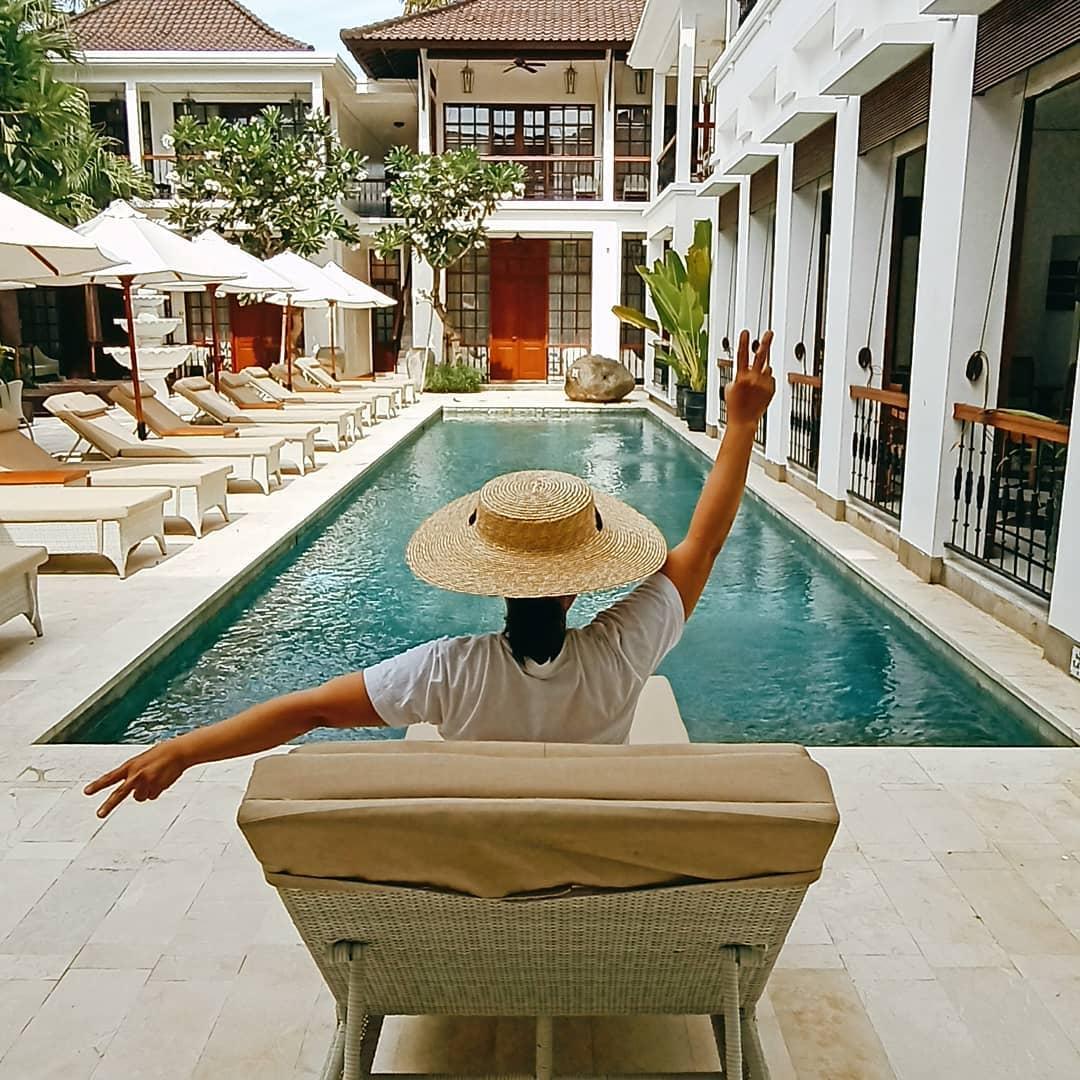
In a world increasingly obsessed with personalization adn aesthetic appeal, boutique hotels have emerged as veritable treasure troves of design inspiration. Each uniquely curated space tells a story, immersing guests in a sensory experience that transcends mere accommodation. from the cozy nooks that invite relaxation to bold accent walls that ignite conversation, boutique hotels masterfully blend functionality with artistry. But what can the average home designer glean from thes meticulously crafted environments? In this article, we delve into the enchanting realm of boutique hotel interior design, extracting valuable lessons and insights that can transform ordinary living spaces into extraordinary personal sanctuaries. Whether you’re seeking to elevate your home decor or simply indulge your passion for design, these principles from the world of boutique hospitality will inspire you to reimagine your surroundings.
Embracing Unique Aesthetics: The Power of Individuality in Design
In the world of boutique hotels, design transcends mere aesthetics; it becomes a powerful expression of individuality. By embracing unique elements tailored to specific themes, these spaces craft experiences that resonate with their guests. Here are some key aspects that highlight the effectiveness of individualistic design:
- Local Inspiration: Drawing on regional culture and heritage, boutique hotels frequently enough feature artwork, textiles, and décor that reflect the local story.
- Customized Furniture: Each piece is thoughtfully chosen or crafted, ensuring that it not onyl serves a purpose but also adds to the narrative of the space.
- Daring Color Palettes: Away from mass-market trends,these hotels are not afraid to use bold colors to evoke emotions and create a sense of place.
Moreover, the integration of elements that appeal to all senses further enhances the uniqueness of these designs. Consider the following table showcasing how sensory experiences contribute to the ambiance:
| Sensory Element | Design Request |
|---|---|
| Visual: Artwork & Color | Thoughtfully curated art pieces and bold color schemes create a striking visual impact. |
| Auditory: Background Sound | Delicate soundtracks or the soothing sounds of water features enhance the overall atmosphere. |
| Tactile: Textures | Varied materials, from soft linens to rough-hewn wood, invite guests to engage physically with their habitat. |
Creating Inviting Ambiance: How Lighting and Textures Set the Mood
One of the hallmarks of boutique hotels is their ability to create an enchanting atmosphere that captivates guests from the moment they step inside. Thoughtful lighting plays a crucial role in this transformation, serving not just as a functional element but as a design feature that can evoke emotions and elevate experiences. By layering ambient,task,and accent lights,designers can craft spaces that feel warm and inviting or sleek and modern. For example:
- Ambient Lighting: Utilizes fixtures like chandeliers or wall sconces to provide overall illumination.
- Task Lighting: Includes focused light sources like bedside lamps or reading lights that enhance functionality.
- Accent Lighting: Highlights artworks, architectural features, or textured walls, adding depth and drama.
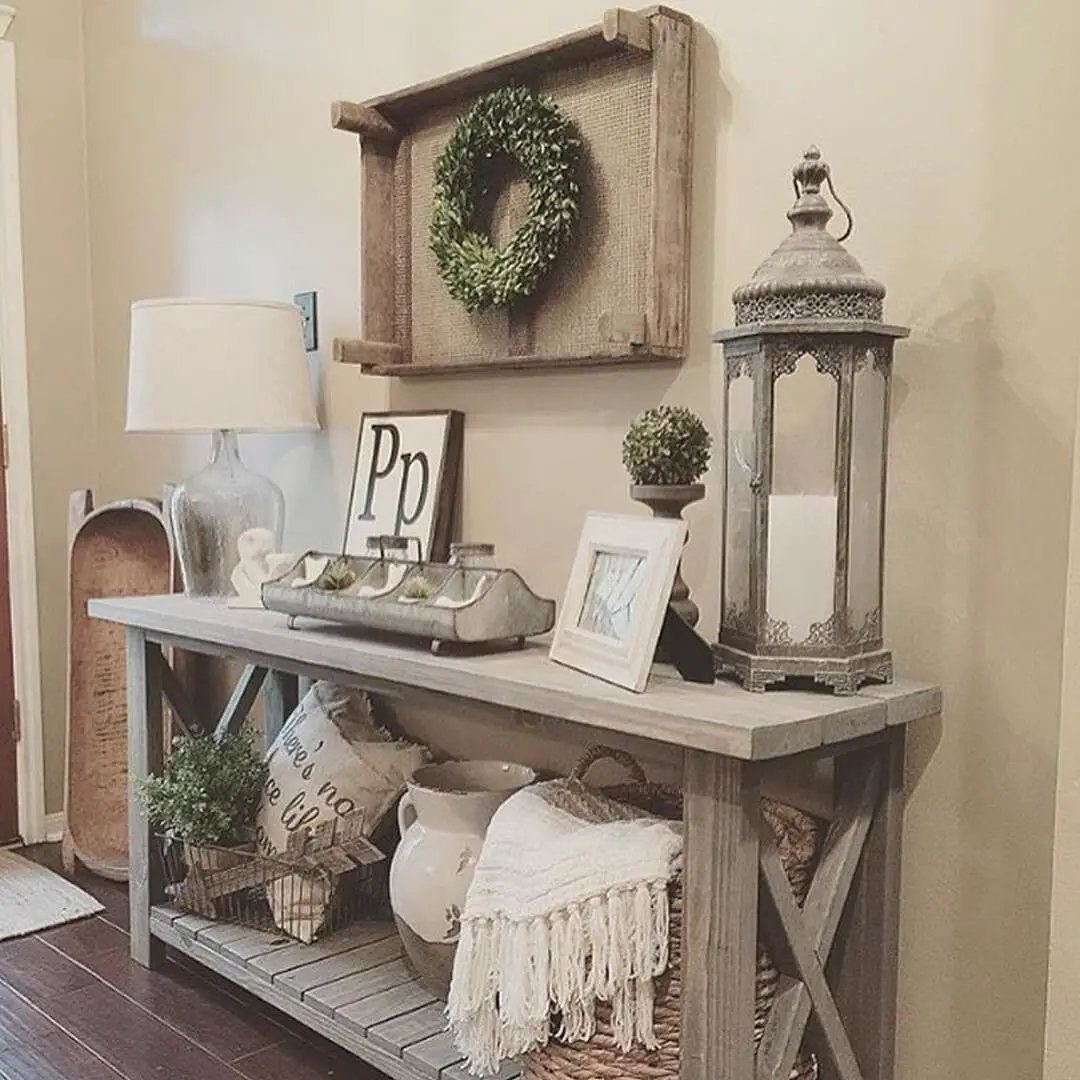
Complementing this interplay of light is the strategic use of textures, which adds tactile intrigue and visual warmth.Soft fabrics, natural wood, and rich ceramics invite guests to engage with their surroundings. Consider how contrasting textures, such as smooth surfaces juxtaposed with plush textiles, can create a multi-sensory experience that feels layered and rich. Implementing elements like:
| Texture Type | Example Use |
|---|---|
| Soft Fabrics | Upholstered headboards or velvet cushions |
| Natural Materials | Wooden flooring or rattan accents |
| Contrasting Elements | Metal frames paired with cozy throws |
When thoughtfully combined, these design elements work in harmony to create inviting spaces where guests feel welcomed and relaxed, inspiring them to linger longer and enjoy the unique ambiance. Emulating this approach in residential interiors can transform ordinary rooms into intimate havens, echoing the luxury and charm found in the best boutique hotels.
Strategic Space Utilization: Maximizing Functionality Without Sacrificing Style
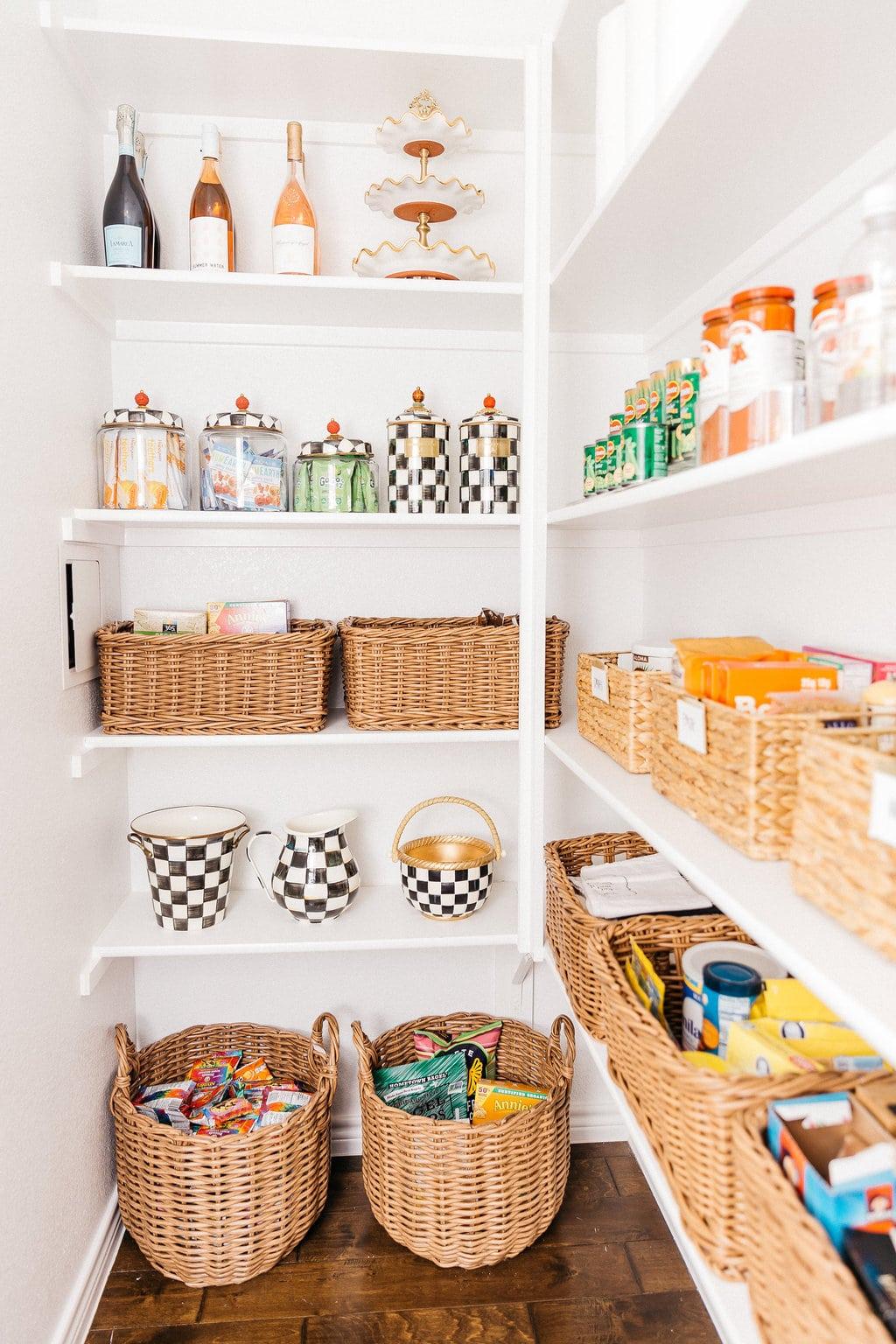
In the realm of boutique hotels, every square inch is thoughtfully designed to create an inviting atmosphere that blends functionality with aesthetics. This commitment to strategic space utilization can inspire homeowners to rethink how they organize their spaces. Consider implementing multi-functional furniture, such as a stylish ottoman that doubles as storage or a sleek dining table that expands for entertaining guests.These choices maximize utility while maintaining a chic look. Furthermore, utilizing vertical space with wall-mounted shelves or decorative hooks can keep surfaces clutter-free, allowing the innate beauty of your decor to shine through.
Another effective approach seen in boutique hotels is the incorporation of zoning within open-concept spaces. By defining areas with distinct color palettes, flooring materials, or even partitions, you can create a sense of both connection and separation in your home. Paired with statement lighting fixtures, like pendant lamps or wall sconces, you not only enhance the functionality of a given area but also add a touch of elegance. To illustrate these elements, refer to the table below that highlights key design strategies embraced by boutique hotels:
| Design Element | Purpose | Example |
|---|---|---|
| Multi-functional Furniture | Maximizes space and utility | Ottomans with storage |
| Vertical Space Utilization | Keeps surfaces organized | Wall-mounted shelves |
| Color Zoning | Defines different areas | Accent walls in open spaces |
| Statement Lighting | Adds ambiance and style | Pendant lights in dining areas |

Curated Personal Touches: Incorporating Art and Local Treasures
Incorporating unique art pieces and local treasures can transform a space into a narrative of its own. Drawing inspiration from boutique hotels, think about selecting decor that reflects the character and culture of your neighborhood. This can include:
- Local Artwork: Commission work from local artists or source prints that highlight the area’s history.
- Handcrafted Pieces: Look for artisan-made furniture or decor that carries unique stories and craftsmanship.
- Vintage Finds: Scour local markets for antiques that add character and a sense of time to your design.
To enhance the personal touch, curate a collection of items that resonate with your journey and experiences. Consider displaying:
| Item Type | Significance |
|---|---|
| Travel souvenirs | Memories from your adventures and explorations. |
| Family Heirlooms | A connection to your family’s history and stories. |
| Books | Your favorite reads that reflect your interests and style. |

Balancing Comfort and Luxury: Achieving Cohesion in Design Elements
In boutique hotel design, the interplay between comfort and luxury is frequently enough expertly curated to create inviting spaces that stimulate the senses. Each element, from plush furnishings to carefully chosen fabrics, serves a purpose in establishing an ambiance that feels both indulgent and welcoming. Here are some key aspects to consider:
- Textured Fabrics: Incorporate layers of soft textiles such as velvet throws, linen drapes, or cashmere cushions to enhance tactile comfort.
- Warm Lighting: Utilize ambient lighting, such as statement lamps or dimmable overhead fixtures, to create a cozy yet complex atmosphere.
- Curated Art Pieces: Select artwork that reflects local culture or history, adding a touch of personality while maintaining visual appeal.
Creating cohesion among design elements requires a balanced palette and thoughtfully selected furnishings that harmonize with the overall theme. Bold yet unobtrusive color choices can act as a backdrop for more luxurious features, allowing them to shine without overwhelming the senses. This balance can be illustrated through a simple table that highlights color schemes and material pairings:
| Color Scheme | Comfort Elements | Luxury Accessories |
|---|---|---|
| Warm Neutrals | Plush sofas, soft area rugs | Gold accents, marble tabletops |
| Deep Jewels | Cozy throws, oversized chairs | Crystal chandeliers, premium artwork |
| Classic Monochrome | Leather ottomans, sleek lines | Designer fixtures, bespoke cabinetry |
The Conclusion
As we close the door on this exploration of interior design lessons drawn from the world of boutique hotels, we are left with a treasure trove of inspiration and insight. These intimate spaces, meticulously crafted to evoke emotion and allure, remind us that design is more than mere aesthetics; it is a holistic experience that engages the senses and nurtures the soul.From the careful selection of materials to the thoughtful play of light and color, each lesson gleaned from boutique hotels invites us to reimagine our own living spaces. Whether it’s the unexpected combination of textures,the integration of local culture,or the harmonious balance of aesthetics and functionality,the principles we’ve uncovered can transform any environment into a haven of creativity and comfort.
So, as you embark on your own design journey, keep these lessons close at hand. Allow the spirit of boutique hospitality to inspire your personal style, and remember: every room has the potential to tell a story, waiting patiently for you to bring it to life.Happy designing!