
Is Your Home Making You Anxious? Hear’s How to Tell
In the quiet corners of our homes, tranquility should reign. Yet, for many, a subtle discomfort lingers, creeping into daily routines like an unwelcome guest.We fill our spaces with memories, comforts, and cherished belongings, but sometimes, the very surroundings meant to shelter us can contribute to feelings of unease. The walls that protect us may also hold hidden stressors, affecting our mental well-being more than we realize. If you’ve ever felt a knot in your stomach while walking through your own front door or found yourself distracted by clutter and chaos, this article is for you. Join us as we explore the signs that your living space could be a source of anxiety and discover practical steps to cultivate a home that nurtures your peace of mind.
Identifying Environmental Triggers That Elevate Stress Levels
Our surroundings play a pivotal role in how we feel, ofen influencing our mental state without us even realizing it. To pinpoint the elements in your home that might be contributing to anxiety,consider the following environmental factors that can elevate stress levels:
- Clutter and Disorganization: A chaotic environment can lead to feelings of overwhelm.Take stock of your space and identify areas that need tidying up.
- Poor Lighting: Insufficient or harsh lighting can affect your mood. Natural light boosts mental well-being, whereas dim spaces may create a sense of gloom.
- Noise Levels: Constant background noise, whether from traffic, neighbors, or appliances, can hinder relaxation and increase anxiety.
- Air Quality: Stuffy, polluted air can lead to irritability and stress. Regularly ventilating your home and using air purifiers may help.
It’s also essential to evaluate the emotional resonance of the colors and decor in your living space. Research suggests that certain colors can elicit emotional responses, enhancing or mitigating feelings of anxiety. Here’s a speedy overview of color psychology in home design:
| Color | Effect |
|---|---|
| Blue | Promotes calmness and clarity |
| Red | Increases energy but can heighten anxiety |
| Green | Restores balance and tranquility |
| Yellow | Fosters optimism but can be overwhelming in excess |

The Impact of Clutter on Mental Clarity and Well-Being
Living in a disorganized environment can significantly affect our mental state and overall well-being. Clutter acts as a visual distraction, which can interrupt our thoughts and prevent us from focusing on what truly matters. Research suggests that a chaotic space can increase levels of anxiety and stress, making it harder to concentrate, relax, or even find motivation. When surrounded by disorder, we frequently enough find ourselves in a perpetual state of distraction, leading to feelings of overwhelm and frustration.
Here are some ways clutter impacts our mental clarity:
- Increased Stress: Clutter can prompt the release of stress hormones, causing anxiety to spike.
- Reduced Productivity: A messy workspace can hinder efficiency, leading to procrastination and lack of focus.
- Challenging decision-Making: The presence of too many items can complicate simple choices, leading to indecision.
- Feelings of Guilt: Disorganization can foster a sense of failure or guilt about not being able to maintain a tidy space.
| Clutter Effects | Description |
|---|---|
| Visual Overstimulation | Too many items can bombard the senses, making it hard to focus. |
| Emotional Drain | Constantly seeing mess can chip away at our emotional resilience. |
| Disrupted Routines | A cluttered space can hinder daily rituals, complicating our lives. |

How color Schemes and Lighting Influence Your Mood
Color schemes and lighting play a pivotal role in shaping the ambiance of any space, directly influencing your emotional state. Warm colors, such as reds and yellows, tend to energize and stimulate the mind, evoking feelings of warmth and comfort. Conversely, cool hues like blues and greens often create a calming atmosphere, promoting serenity and relaxation. The choice of colors in your home can either uplift your spirits or contribute to feelings of tension. By intentionally selecting shades that resonate with your desired mood, you can transform your living environment into a sanctuary for emotional well-being.
Lighting also significantly affects mood, serving to either enhance or diminish the impact of color. Bright, natural light is known to invigorate and uplift, reducing feelings of fatigue and anxiety. In contrast,dim or harsh artificial lighting can make a space feel oppressive and contribute to a sense of unease. To create a balanced atmosphere, consider incorporating a mix of ambient, task, and accent lighting. This strategic layering can not only highlight your chosen color palette but also foster a sense of harmony and comfort within your home.
| Color | Mood Influence |
|---|---|
| Red | Energizing, Passionate |
| Blue | Calming, Trustworthy |
| Yellow | Cheerful, Stimulating |
| Green | Restful, Balanced |
| Purple | Creative, Luxurious |
Exploring Soundscapes: The Role of Noise in anxiety Levels
The environment we inhabit profoundly influences our emotional state, and sound plays a pivotal role in shaping our experiences. Our homes are often perceived as sanctuaries, but thay can also become sources of stress when enveloped in persistent noise. Various sounds, from the incessant hum of traffic to the erratic chatter of neighbors or even the subtle creaks of the house settling, can unexpectedly heighten anxiety levels.Identifying the types of noise in your surroundings can be crucial.Consider the following list to gauge the impact of these sounds on your mood:
- Traffic noise: The constant roar of vehicles can create a feeling of unease.
- Appliance sounds: Whirring about the home can become overwhelming at times.
- Voices: Nearby conversations may intrude on your sense of privacy.
- Construction: Nearby projects can lead to considerable disturbances.
Understanding how these soundscapes affect your well-being can empower you to take control of your home environment. By creating a sound-kind zone, you can nurture calmness and reduce feelings of anxiety. Simple strategies, like introducing soft background music or using soundproofing techniques, can greatly alleviate distress. To help visualize the problem, here’s a simple table that highlights your potential sound culprits and their possible effects:
| Type of Noise | Potential Effects |
|---|---|
| Mechanical appliances | Can cause distraction and stress over time |
| Outdoor noises | May lead to heightened alertness and unease |
| Human voices | Can intrude on personal space, increasing discomfort |

Curating a Calming Space: Tips for Creating a Tranquil Home Environment
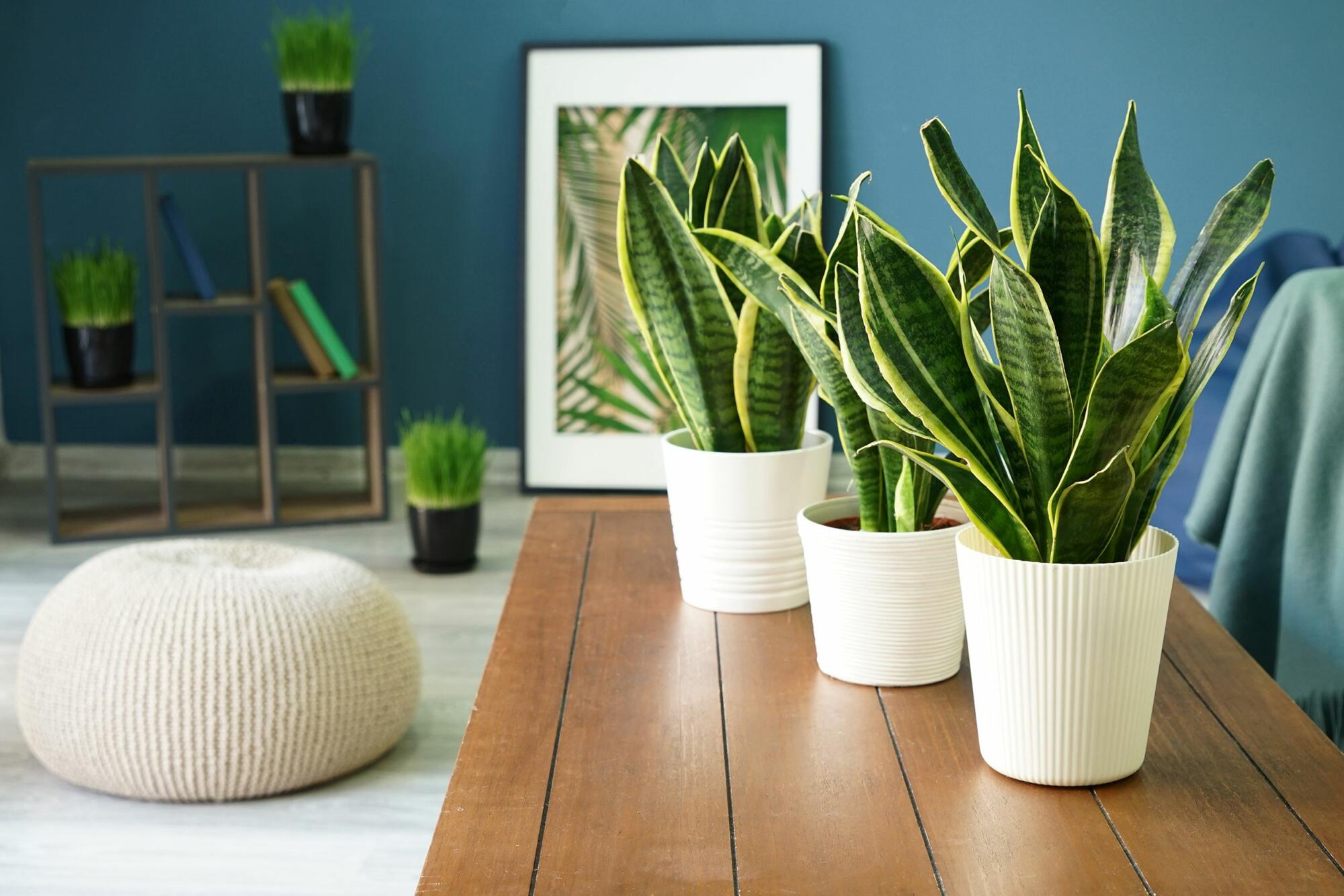
Creating a serene sanctuary within your home can significantly alleviate feelings of anxiety. Start by embracing natural elements—incorporate plants, stones, or water features to connect with nature. Consider using a soft color palette; shades of green, blue, and muted tones are soothing to the eyes and mind. Lighting plays a crucial role as well; opt for warm, soft lighting using lampshades, candles, or fairy lights to create a gentle ambiance. Don’t forget to declutter your space; a chaotic environment can lead to a cluttered mind. Establish a routine for tidying up and use storage solutions that promote organization.
Engage all your senses to enhance tranquility in your home. Use essential oils or scented candles with calming fragrances like lavender,chamomile,or sandalwood to foster a peaceful atmosphere.Sound is equally critically important: consider incorporating a sound machine or playing soft instrumental music to drown out jarring noise. To visualize your calm space, create a simple table encapsulating your goals:
| Aspect | Action |
|---|---|
| Colors | choose soft hues (green, blue) |
| Lighting | Use warm, dim lighting |
| Clutter | Organize and declutter regularly |
| Scents | Incorporate calming aromas |
| Sound | Play soothing music or nature sounds |
Final thoughts
As we navigate the complex tapestry of our daily lives, it’s easy to overlook the silent influence our homes can have on our mental well-being. Through the lens of this exploration, we’ve unearthed the subtle signs that might indicate your sanctuary isn’t as comforting as it should be. From cluttered corners to sterile spaces, our environments shape our thoughts and feelings in ways we often take for granted.
Understanding the relationship between your home and your anxiety is the first step towards creating a space that nourishes rather than exhausts. Armed with a fresh perspective, consider how the design, organization, and ambiance of your surroundings affect your emotional landscape.
As you reflect on the insights offered, remember that you hold the power to transform your space into a source of serenity. Whether it’s decluttering a room, incorporating soothing colors, or simply re-evaluating how your home serves you, small changes can lead to significant shifts in your emotional health.Ultimately,your home should be a haven—a place where comfort and peace reside. By tuning in to your surroundings and making intentional choices, you can cultivate a space that supports your journey towards tranquility.So take a moment to consider: is your home a friend to your well-being,or a source of stress? The answer lies within your awareness and willingness to change.