Building a new home today comes with more choices than ever before—especially when it comes to how the structure itself is created. One of the biggest decisions? Whether to go modular or stick with traditional site-built construction.
But the conversation doesn’t stop at walls and finishes. The foundation beneath your home plays just as critical a role—and it must be thoughtfully designed to match your building method.
Let’s explore the same home concept built two ways: modular vs. traditional—and see how foundation planning brings it all together.
The Vision: One Home, Two Paths
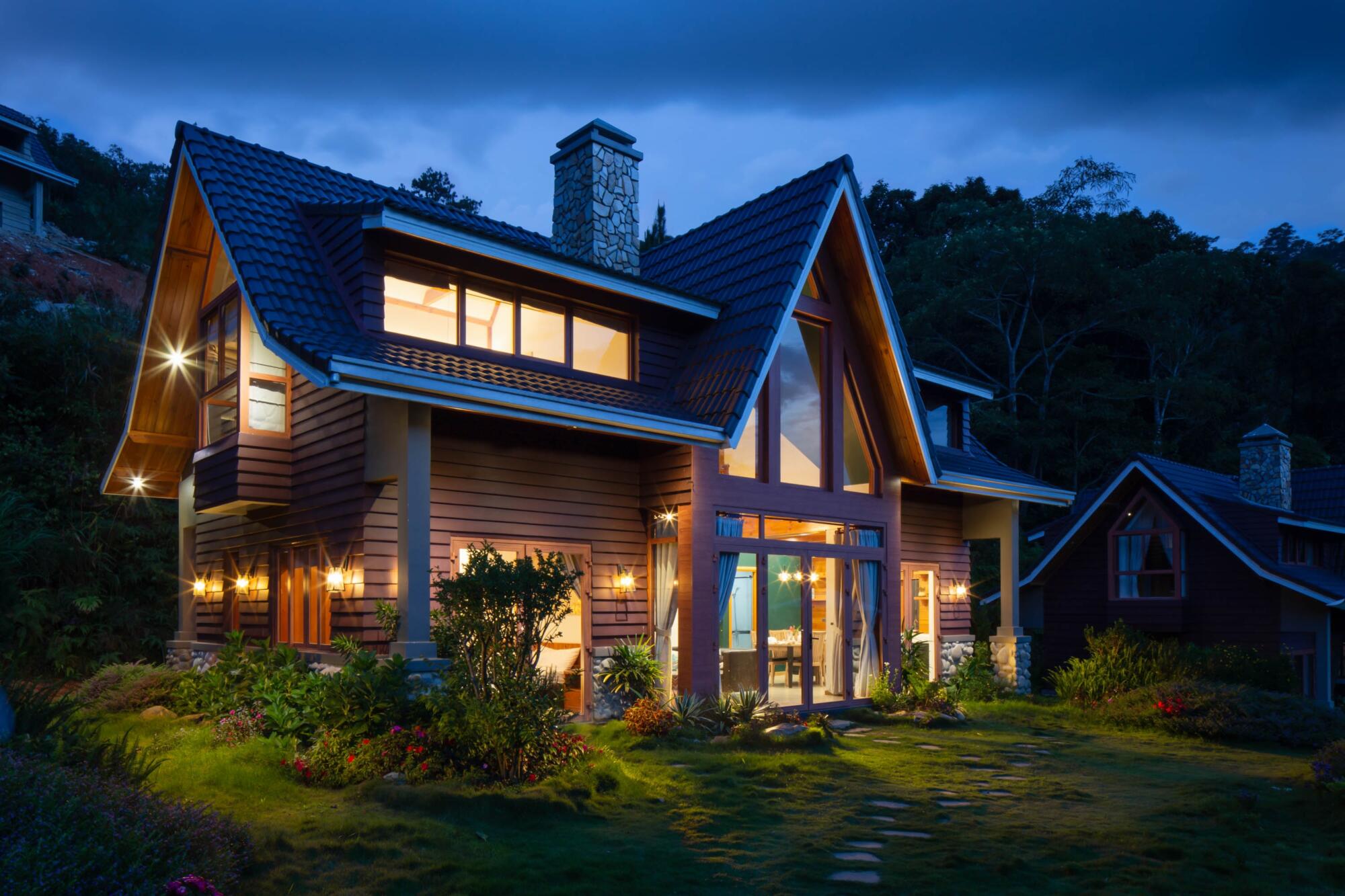
Imagine a clean-lined, modern farmhouse with:
- Open-concept living spaces
- Large windows for natural light
- A blend of natural wood and neutral finishes
- 2–3 bedrooms with flexible space
This versatile design works beautifully whether constructed modularly or built on-site—but the process and structural requirements differ more than you might expect.
Path One: Modular Construction
Modular homes are built in sections (or modules) in a controlled factory environment, then transported and assembled on-site.
Why Homeowners Choose Modular
- Faster build time (often weeks instead of months)
- Predictable costs thanks to factory efficiency
- High quality control with precision engineering
- Reduced weather delays
Design Considerations
While modular homes offer flexibility, design must align with transport and assembly constraints:
- Module sizes are limited by shipping dimensions
- Rooflines and complex layouts may require creative planning
- Early decisions are key—changes later can be costly
The Foundation Factor: Built to Fit
With modular construction, the foundation must be exactly right before modules arrive.
Key Requirements:
- Precision engineering: Measurements must match factory-built modules exactly
- Pre-installed utilities: Plumbing, electrical, and HVAC connections need to align perfectly
- Cranes and access planning: Site conditions must allow for module delivery and placement
Common foundation types for modular homes include:
- Full basements
- Crawl spaces
- Slab-on-grade (for simpler designs)
A mismatch here can delay installation or require costly modifications—so coordination between manufacturer, builder, and foundation contractor is critical.
Path Two: Traditional Site-Built Construction
The same home, built on-site, unfolds piece by piece—literally.
Why Homeowners Choose Site-Built
- Unlimited customization
- Greater flexibility during construction
- Ability to adapt to complex lots or landscapes
Design Freedom
Unlike modular construction, site-built homes allow for:
- On-the-fly adjustments
- Unique architectural details
- Non-standard layouts
However, this flexibility often comes with:
- Longer timelines
- Greater exposure to weather delays
- More variable costs
The Foundation Approach: Flexible but Vital
In traditional construction, the foundation is still crucial—but there’s more adaptability built into the process.
Advantages:
- Adjustments can be made during early construction phases
- Site-specific conditions (slope, soil, drainage) can be addressed more gradually
- Custom foundation designs are easier to implement
Still, proper planning remains essential. A poorly designed foundation can affect:
- Structural integrity
- Moisture control
- Long-term maintenance
Side-by-Side: Same Home, Different Outcomes
| Feature | Modular Construction | Site-Built Construction |
|---|---|---|
| Timeline | Fast, predictable | Longer, variable |
| Design flexibility | Moderate | High |
| Cost control | Tight, upfront | More fluctuation |
| Foundation precision | Critical, exact match required | Important but more flexible |
| Construction environment | Factory-controlled | Weather-dependent |
Choosing What Works for You
Both approaches can bring your dream home to life—but your priorities will guide the decision:
Choose Modular If You Want:
- A streamlined, efficient process
- Faster move-in timelines
- Strong cost predictability
Choose Site-Built If You Want:
- Full creative control
- A highly customized design
- Flexibility throughout construction
Final Thought: Start from the Ground Up
No matter which path you take, the foundation is more than just the base—it’s the framework that ensures everything above it functions as intended.
With modular construction, precision is everything. With site-built homes, flexibility is your ally. In both cases, early collaboration between designers, engineers, and builders will set the stage for success.
Because when your foundation is designed to fit, the rest of your home falls beautifully into place.