Vacation homes come with their own set of plumbing quirks—issues that don’t show up in everyday homes because, well, they’re not sitting empty for weeks at a time. From dried-out traps to surprise leaks, the plumbing in a vacant house needs a little extra attention before you lock the door and head out. These unique plumbing problems often go unnoticed until they’ve already done damage.
How Do You Prepare Toilets For A Long Vacation?
To prevent both smells and mechanical damage, you’ll want to do more than just flush and go. Start by thoroughly cleaning the toilet bowl and tank, leftover organic matter in the water can cause staining or odor buildup. Then:
Add a half-cup of bleach or RV antifreeze into the bowl to slow microbial growth.
Wrap plastic cling film over the seat and lid to reduce evaporation and odors.
Use RV antifreeze in the bowl if temperatures could dip, water in the trap is your last line of defense against sewer gas and frozen pipes.
Turn off the water valve behind the toilet if you’ll be gone for more than a week.
Flush once after turning off the water to leave the bowl full but the tank empty, this prevents tank mold and minimizes flood risk from a failed flapper or fill valve.
Most people think toilet prep is just about smells or mold, but the bigger issue is pressure failure while you’re away. One faulty flapper or fill valve can cause your toilet to endlessly run or overflow… for weeks. That’s not just a plumbing issue, that’s a water bill spike, warped floors, and a ruined subfloor.
Shut off the water supply to each toilet individually (this protects you even if your home’s main stays on for sprinklers).
Drain the tank so it’s not quietly leaking into the bowl.
Tag the handle with painter’s tape labeled “DO NOT USE – SYSTEM DRY” so guests or cleaners don’t flush and forget the tank is off.
This combo of hygiene and water shutoff protects both plumbing and air quality while you’re away. It turns your toilet from a quiet threat into a non-issue and helps you avoid vacation house plumbing problems that no one wants to find after a relaxing trip.
Should You Turn Water Off On Vacation?
In most cases, yes, especially if you’re away for more than a few days. Even small, undetected leaks can become full-blown disasters when unchecked for a week or more. Best option: Turn off the main water supply to the home.
Yes, but here’s the better question: Do you trust your home enough to leave it pressurized while empty for 7 days? The truth: Water causes more vacation house plumbing problems than fire and theft combined. Unless you have live-in house sitters or a daily property check-in, it’s safer to shut off the main.
Going away in winter? Shut off water AND drain the system (open faucets and flush toilets) to prevent freezing.
Got an irrigation system or pool autofill? Consider installing a bypass valve so outdoor systems stay active, while the indoor plumbing is safely shut down.
Pro move: Instead of just turning it off at the curb or meter (which most homeowners forget how to do), install a ball valve shutoff with a drain port inside your utility closet. It lets you cut the system and bleed off pressure, two minutes of effort for peace of mind.
Want extra peace of mind? Install a Wi-Fi-enabled shutoff valve with app control and remote alerts. A $200 smart valve can save you from a $20,000 flood. That’s how modern homeowners vacation.
How To Winterize A Vacation Home?
Winterizing is about more than pipes, it’s about protecting an entire plumbing ecosystem. The best winterization plans assume this: You won’t make it back before a cold snap hits. That means you’re not just preventing freezing, you’re creating a “set it and forget it” system.
Turn off the main water supply at the shutoff valve. Drain all pipes: open all faucets, flush toilets, and let the system run dry. Shut down the water heater and drain it, skip this and you risk internal damage from trapped water.
Blow out the lines with an air compressor, especially in sub-freezing regions. Add RV antifreeze to traps and toilets, including dishwashers, washing machines, and floor drains, to keep residual water from freezing and cracking hardware.
Seal up leaks and vents to prevent drafts that could cause localized pipe freezing. Don’t forget outdoor faucets, ice maker lines, and water softeners, everything should be dry and depressurized.
Bonus: Install plug-in sensor beacons for temperature drops, leaks, or humidity spikes. They text you if the basement goes below 38°F. Post a laminated winterization cheat sheet in the kitchen cabinet for guests, cleaners, or emergency techs. A “dry run” walkthrough with a checklist and photos, appliance shutoffs, settings, visible pipe locations, means anyone can help in an emergency.
This is less about pouring antifreeze down drains, and more about setting your house up to stay out of the headlines and to avoid the worst plumbing problems that hit when temperatures plunge without warning.
What Causes Hidden Plumbing Problem in Empty Homes
Here’s what can go wrong when pipes stay silent for weeks: Water in drain traps evaporates, letting sewer gases creep into the home. Standing water in pipes, especially in homes with well water or copper lines, can develop bacteria or a musty odor. Chlorine dissipates in stagnant water, giving bacteria and biofilm a chance to grow, particularly in hot water lines. Toilets that sit unflushed become sediment tanks, where hard water deposits calcify into scale that clogs ports. Water heaters and toilets can also develop hardened mineral layers without regular flow.
Valves dry out and stick, especially if they’re older or rarely operated. Pressure fluctuations and lack of movement cause gaskets and rubber seals in faucets, toilets, and washers to dry out, warp, or crack, leading to leaks once water is restored. Plastic fittings under constant pressure can deform without the usual daily expansion-contraction cycle, then fail when you turn everything back on.
Silence isn’t always golden in plumbing. If your system isn’t flowing, it’s degrading. Want to avoid this plumbing problem? Simulate occupancy with scheduled trickle valves (like leak-prevention systems that auto-cycle water) or have someone run water weekly. Dormancy is the enemy, circulation is your best defense.
Why Leaks Become the Worst Plumbing Problems in Vacation Homes
It comes down to time, detection, and escalation. Because every problem has time to evolve into something worse, and no one’s around to interrupt the process.
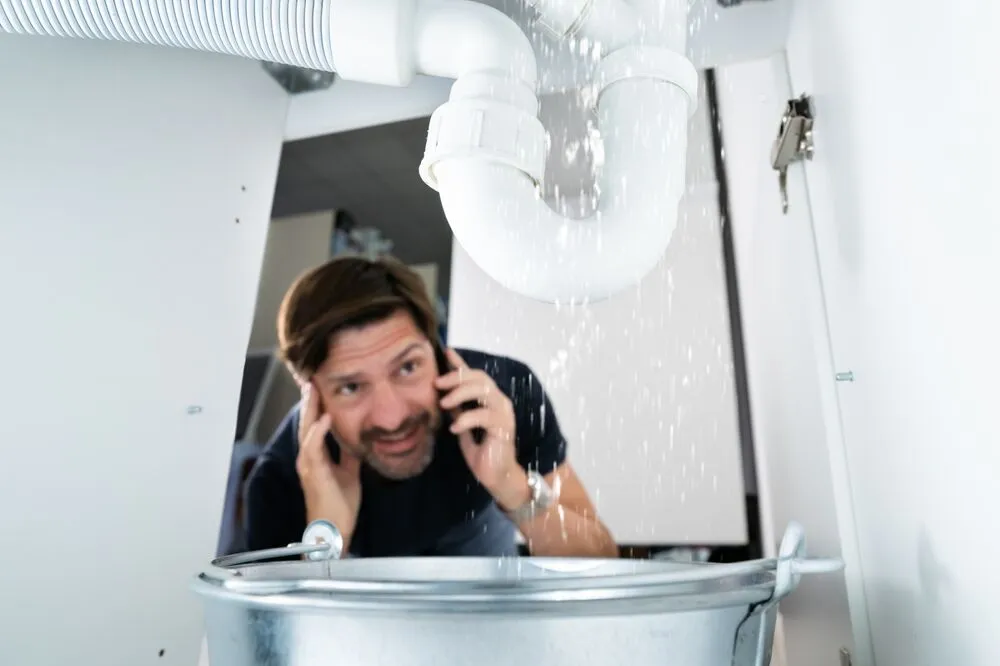
A tiny leak under a sink can soak through cabinetry, walls, and floors for weeks unchecked. Mold thrives when ventilation is poor, especially in sealed-up, unoccupied homes. The insulation, subfloor, and wiring may all be affected before a single symptom surfaces. Vacation homes often don’t get regular walkthroughs, making them vulnerable to undetected slow leaks or corrosion.
A $12 supply line gasket fails. Water runs for 3 weeks. You walk into $50,000 in repairs and a wall full of mold spores. That’s one of the worst plumbing problems you can face.
Temperature swings, caused by unstable HVAC settings or total shutoff, accelerate wear on pipes and seals. Many vacation homes are older, less insulated, and sit empty in areas with extreme humidity or extreme cold, compounding the risk.
In a primary home, you hear the hiss. You see the drip. You smell the mildew. But in a vacation home, there’s no one there to catch any of it. This is where vacation house plumbing problems quietly build up.
The smart move isn’t just prevention, it’s surveillance. If you can monitor your Ring doorbell, you can monitor your plumbing system. Tip: Install a smart water sensor or schedule a mid-season maintenance check-in if you’re not visiting regularly.
Rodents Can Trigger Serious Vacation House Plumbing Problems
Yes, and they’re sneakier than you’d think. Rodents chew plastic pipes (especially PEX) and rubber seals. They also shred pipe insulation, making lines freeze faster. A single gnawed section can lead to massive leakage, but the damage to insulation alone can quietly compromise your system.
Insects and spiders build nests in plumbing vents or outdoor hose bibs, choking airflow and causing toilets and sinks to gurgle or siphon dry. Roaches and ants climb into unused drains, then die and form slow clogs, by the time you’re back, it’s not a drain, it’s a biohazard.
Burrowing animals can shift underground piping or damage insulation around water lines in crawl spaces. And pests don’t need to destroy a pipe to destroy your system, sometimes it’s the airflow, the insulation, or the trap that fails first.
Plumbing is one of the easiest ways critters get into your home. Block their freeway. If you’ve had pest issues in the past, consider sealing wall penetrations, installing wire mesh on exterior vents, using ultrasonic deterrents, taping overflow holes, capping hose bibs, or even pouring a bit of mineral oil into each drain to slow evaporation and create a surface pests hate. These small efforts can prevent both pest entry and plumbing problems down the line.
Post-Trip Checklist to Catch Plumbing Problems Early
Treat your return like a mini reactivation of the home’s entire water system. Think of it like restarting an old car, you don’t just hit the gas. You warm it up, check the fluids, and listen for noises.
Walk the home first, check ceilings, under sinks, and around appliances for any signs of leaks or mold. Walk around barefoot (yes, barefoot); your feet can feel cold spots in floors that may indicate hidden leaks or saturation.
Slowly turn on the main water while watching pressure gauges and listening for hissing or dripping. Start flushing each fixture, sinks, toilets, tubs, from the furthest one back to the main. Flush each for 2-5 minutes to clear stagnant water, purge stale odors, and refill P-traps. This step also helps clear out bacteria or sulfur smells, especially in hot water lines.
Turn on the water heater last, after you’ve flushed all hot lines. Inspect it for signs of sediment buildup or rust-colored water. Appliances like dishwashers and washing machines should be run empty, with vinegar or cleaning tablets to freshen up dormant lines. Inspect their hoses too, rubber ones degrade faster when unused and may bulge or crack.
Optional but smart: pour enzyme-based cleaners into slow drains and check outdoor hose bibs for winter cracks. Bonus tip, before your next departure, take a video walkthrough of your shut-off process. It could save you or your plumber hours the next time around, and help you spot plumbing problems before they become the worst plumbing problems you’ve ever faced.