
In the world of interior design, where every detail counts, the art of shelf styling emerges as a nuanced dance between function and aesthetics.Imagine walking into a room where books and trinkets don’t just coexist, but tell a cohesive story, creating an atmosphere that invites you to pause and reflect. this seemingly effortless arrangement isn’t merely luck; it follows a carefully crafted formula honed by designers over countless projects. In this article, we’ll unravel the shelf styling secrets that professionals employ to turn everyday surfaces into striking focal points. Whether you’re looking to refresh your home or simply explore the principles behind captivating decor,this guide will illuminate the essential elements that transform shelves from mundane to magnificent.
Understanding the Essentials of Shelf Styling
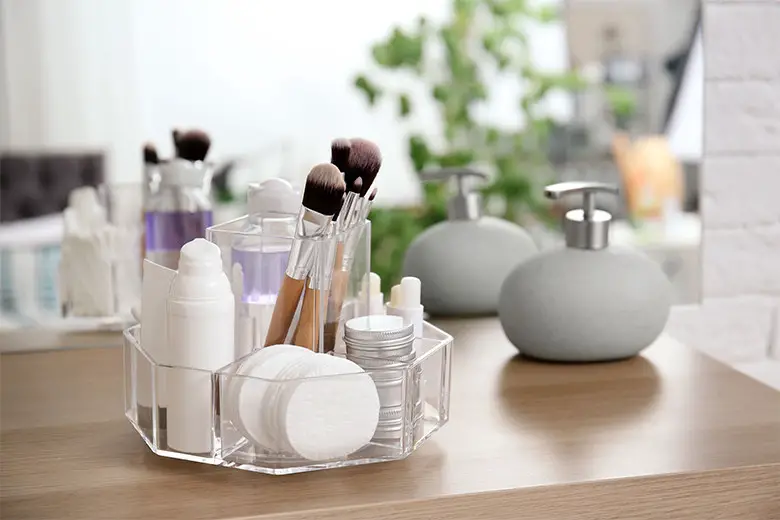
To curate a visually appealing shelf, designers often rely on a few fundamental principles that transform ordinary spaces into showcases of personal style. Balance is key; this can be achieved through the strategic arrangement of objects in varying heights and volumes. Incorporating different textures and materials can also enhance interest. For instance, mixing smooth ceramics with rustic wood not only creates contrast but also invites viewers to explore the layered composition. Consider the following elements as you style your shelves:
- Color scheme: Stick to a cohesive palette to unify diverse items.
- Focal Points: Position a standout item at eye level to draw attention.
- Varying Heights: Use books or stands to create dimension and visual momentum.
Moreover, a thoughtful arrangement of items can facilitate storytelling through your shelving. By grouping accessories based on themes-whether travel souvenirs, cherished books, or seasonal decor-you can narrate a unique story that reflects your personality. To further guide your styling process, consider this simple comparison of styles:
| Style | Description | Key Features |
|---|---|---|
| Minimalist | Focus on simplicity and functionality. | Clean lines, few accessories, monochrome colors |
| Eclectic | Embrace a mix of patterns, colors, and textures. | Diverse objects, bold color palettes, and layered heights |
| Farmhouse | Highlight rustic charm and comfort. | Natural materials,vintage pieces,and greenery |
By understanding these foundational aspects,you can develop a shelf styling approach that not only enhances your living space but also showcases your individual story and aesthetic preferences.
The Fundamental Balance of Height and Scale
Creating a visually appealing shelf requires an understanding of the interplay between height and scale. When elements are arranged with consideration for their dimensions, the overall aesthetic becomes harmonious and engaging. For instance, incorporating a variety of objects such as:
- Tall vases to draw the eye upwards
- Medium-sized books for structure and balance
- Small decorative items to add charm without overwhelming
The objective is to craft a layered look where each piece complements the others, allowing for dynamic visual interest that encourages the viewer’s gaze to move throughout the entire arrangement.
Furthermore, thematic consistency adds depth to the composition. Objects that share a common color palette or material can enhance the shelf’s overall appeal while allowing for variation in height. Consider the following ideas for maintaining this balance:
- Group similar shapes together for cohesiveness
- Mix textures for tactile intrigue
- Vary heights within the same group to maintain interest
A well-styled shelf doesn’t merely display items; it tells a story through scale and proportion,showcasing creativity while inviting interaction.

Incorporating Textures and Materials for Depth
To elevate your shelf styling, introducing a variety of textures and materials is crucial. This dynamic approach creates visual interest and invites the eye to explore each layer of your display. Consider integrating elements such as:
- Natural woods – bring warmth and an organic feel.
- Metals – introduce sleekness and a modern touch.
- Glass – add elegance and allow light to play through.
- Fabrics – create softness and comfort with textiles.
- Ceramics – contribute a timeless, artisanal quality.
Layering these materials enriches the overall composition, while contrasting textures can create a dialogue that draws attention. Imagine a rustic wooden shelf adorned with shimmering glass vases alongside coiled metal sculptures or woven baskets. The interplay between the matte and glossy finishes, and also the smooth and textured surfaces, enhances visual depth, making your display more inviting. Experimenting with scale is equally beneficial; incorporating both larger statement pieces and smaller accents will create an engaging story on your shelves.

Curating Meaningful Accents and Personal Touches
To transform a mundane shelf into a captivating display, incorporating meaningful accents is essential. these accents can be personal treasures or found objects that tell a story. They should resonate with your personality or memories, inviting guests to explore the narratives behind them. Consider including:
- Unique artifacts from travels that evoke nostalgia
- Art prints that reflect your style or interests
- Family heirlooms that carry history and sentiment
In addition to personal items, integrating distinctive touches can elevate your shelves to the next level.These elements may range from curated arrangements of books and decorative items to thoughtful color palettes. A well-styled shelf can utilize:
| Element | Purpose |
|---|---|
| Textures | Add depth and interest |
| Height Variation | Create visual balance |
| Color Accents | Draw attention and unify |
Maintaining Cohesion with Color Palettes and Themes
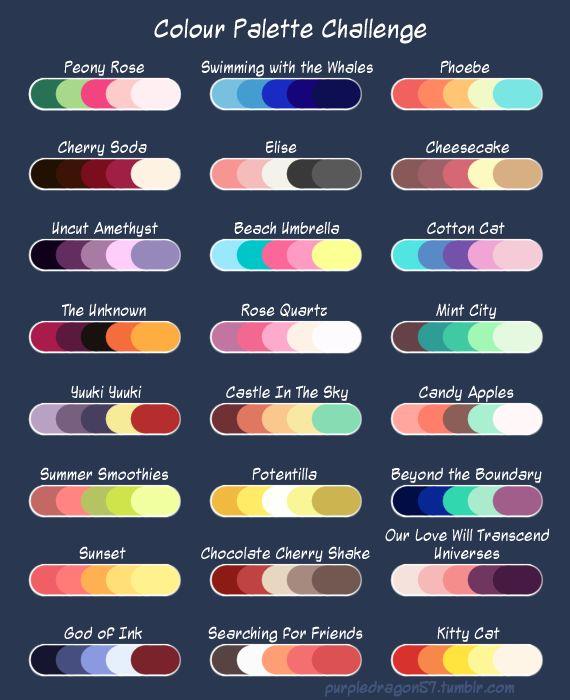
Color palettes and themes are the backbone of effective shelf styling, uniting various elements into a harmonious visual narrative. When choosing your colors, consider a variety of shades that communicate a unified mood and essence. A good palette often involves:
- Complementary Colors: Stunning contrasts that make objects pop.
- Monochromatic Schemes: Different shades of a single color for a chic, sophisticated look.
- Analogous Colors: Colors next to each other on the color wheel for gentle transitions.
By strategically incorporating these color strategies, you can enhance the visual interest of your space without overwhelming it. Additionally, selecting a central theme-be it rustic, contemporary, or eclectic-can provide an underlying narrative, guiding your choice of accessories, textures, and finishes. As a notable example,if your theme leans towards nature-inspired aesthetics,opting for earthy tones and organic shapes will keep the atmosphere consistent. Consider this table for a quick reference on potential color and theme combinations:
| Theme | Color Palette |
|---|---|
| Vintage | Muted Pastels |
| Industrial | Grays & Metallics |
| Beachy | Soft Blues & Sand Tones |
| Bohemian | Rich jewel Tones |
In Summary
As we wrap up our exploration of the shelf styling formula that countless designers swear by,it’s clear that this art form transcends mere aesthetics. The formula, rooted in balance, contrast, and personal touch, empowers us to transform ordinary shelves into captivating focal points that reflect our unique stories. Whether you’re an experienced designer or a curious homeowner, understanding these fundamental principles can make all the difference in creating a space that resonates with harmony and style.
Remember, the heart of shelf styling lies not just in the arrangement of objects but in the emotions they evoke and the memories they encapsulate. So, as you embark on your styling journey, don’t shy away from experimenting-infuse your personality into each carefully curated display. After all, every shelf has the potential to tell a story; it just needs the right storyteller. Happy styling!