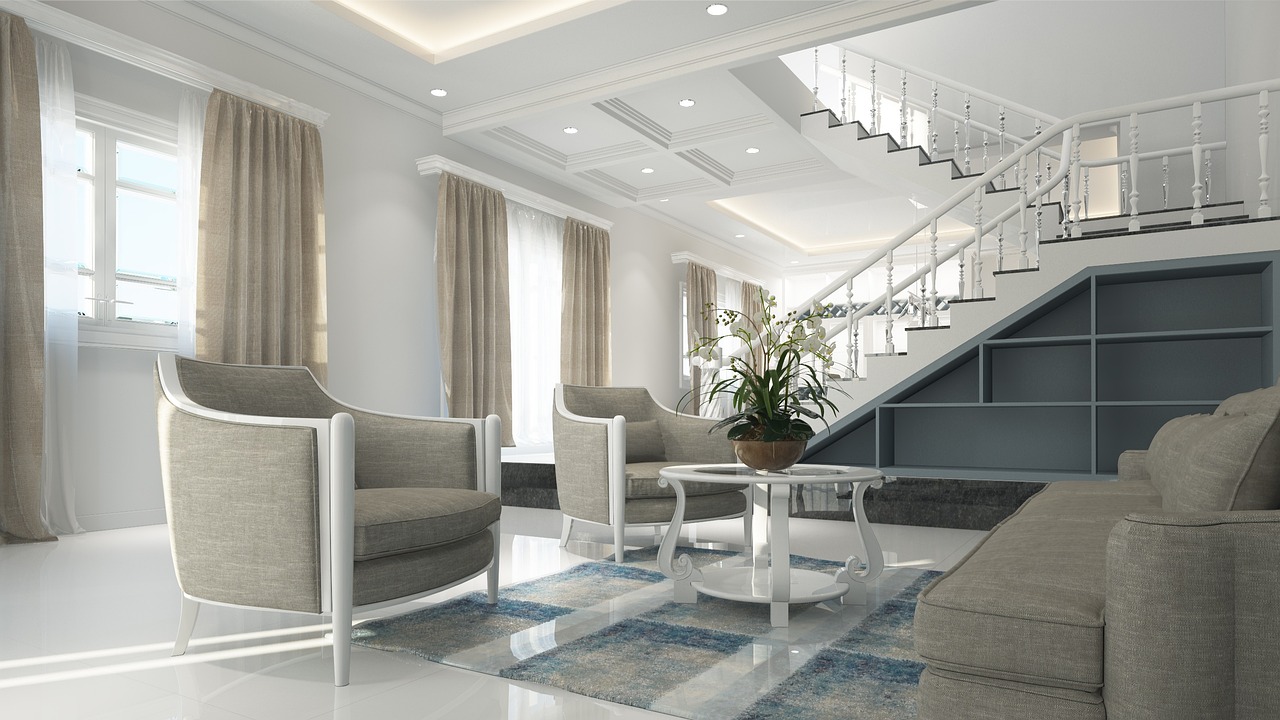

A familiar rhythm has long dominated textiles: teh stripe, with its clean lines and directional certainty, has led wardrobes and interiors for decades. Lately, though, the eye has been arrested by a different kind of rhythm – the chessboard’s equal parts order and play. Checkerboard prints are cropping up on runways, sofas, and subway tiles, asking us to reconsider the simple square as a new visual shorthand.This shift is less about rejecting stripes than about broadening the visual vocabulary. Where stripes suggest motion and elongation, checkerboards offer symmetry, modularity and a different kind of graphic clarity. Designers are reinterpreting the motif across scales, colors and materials, turning a two-tone classic into something unexpectedly versatile – from retro nods to minimalist statements and digital-age remixes.
In the pages that follow we’ll explore how checkerboard textiles moved from subculture emblem to mainstream pattern, the visual and practical reasons they’re resonating now, and the ways makers and consumers are adapting the motif for fashion, home and beyond.The story of why checkerboard is ”the new stripes” is not a passing proclamation so much as an unfolding of tastes, technologies and cultural signals that together reshape how we think about pattern.
Why Checkerboard Commands Attention: Visual Psychology, Cultural Roots, and the Rise Over Stripes
Our eyes are wired to notice contrast, rhythm and symmetry, and the checkerboard hits all three at once: alternating blocks create instant visual anchors that make patterns feel both organized and kinetic. This geometric clarity reads quickly across scales-tiny gingham-like repeats become texture, while oversized checks read as bold architecture-so the motif commands attention whether on a scarf or a sofa.
- depth: alternating values create implied planes
- Motion: staggered squares suggest direction without clutter
- Clarity: high legibility at any glance
Beyond optics, the design carries cultural freight that keeps it fresh. From British ska badges and 1960s mod tailoring to race flags and avant-garde interiors, the motif has always been portable between subcultures and mainstream fashion-giving it both credibility and nostalgia. Today’s makers and influencers remix the look-mixing scales, colors and materials-so the check feels together retro and novel.
- Versatile: works in neutral palettes or neon pops
- Unisex appeal: equally at home in tailoring or streetwear
- Photogenic: high-contrast grids translate well on camera and feed
Versatility in Practice: Dressing, Decorating, and Tailoring Checkerboard for Every Scale and Mood
Think of checkerboard as a pattern with chameleon-like instincts: it can be whispered or shouted depending on how you cut, sew, and style it. On the body, tiny checks behave like a textured neutrals-perfect for shirting or a fitted slip dress-while oversized squares become architectural, ideal for coats and wide-leg trousers. Tailoring tweaks such as seam placement and matched pattern seams turn a loud motif into a refined statement; conversely, raw hems and mismatched joins add purposeful grit. Pay attention to scale,contrast,and texture-a high-contrast black-and-white blazer reads graphic and formal,while washed tones and boucle soften the same grid into approachable warmth.
- Micro-checks for subtle layering and small silhouettes
- Oversized squares for outerwear and visual drama
- Monochrome palettes to keep the pattern classic
- Muted colors or soft fibers to create cozy, lived-in moods
- Pair with organic shapes to balance the geometry
in interiors, the checkerboard becomes a tool for zoning and rhythm: a small rug of tight checks can anchor a reading nook, while a large-scale tiled pattern defines an entryway and sets a bold tone. Swap materials and finishes to pivot the mood-glossy ceramic tiles amplify precision, woven throws and linen cushions add softness, and metallic accents inject modern edge. Custom tailoring at the maker level-reupholstering chairs with rotated grids, scaling cushion covers to echo curtain panels-lets you control visual momentum across a space so that the pattern feels intentional rather than repetitive. use checkerboard like an arranger’s palette: tweak the proportion and colorway,and the same motif will read playful,polished,or profoundly cozy.

Material Matters: Choosing fabric, Weave, and Finish for Durable, Comfortable Checkerboard Pieces
think of checkerboard textiles as choreography between fiber, weave, and finish-each step determines whether the squares stay crisp or blur with wear. Choose the fiber frist: cotton gives breathable comfort and crisp printed checks, wool adds warmth and loft for winter shirting or throws, while modern polyester blends bring stretch and abrasion resistance for high-traffic pieces. The weave is equally expressive; balanced plain weaves preserve the graphic grid, twills add diagonal resilience for upholstery, and jacquard or dobby allows raised check textures that read like a pattern and a relief at once. Finishes are the final edit-mercerization deepens color and strengthens cotton, enzyme washes soften without losing structure, and anti-pilling or DWR coatings extend life for practical uses.
Match material to mission with a few speedy rules of thumb, then refine with small tests at scale:
- Everyday apparel: 100% cotton or cotton blends, medium-weight plain or twill weaves.
- Home textiles: Wool blends or heavy twill with anti-pilling finish for cushions and throws.
- Outdoor or kids’ gear: Technical blends with DWR and reinforced weaves for longevity.
| Fabric | Best For | Durability |
|---|---|---|
| Cotton Oxford | Shirts, lightweight throws | 3/5 |
| Wool Blend | Blankets, upholstery | 4/5 |
| Poly Blend | Outdoor cushions, kids’ wear | 5/5 |
Use swatches under real light and run quick abrasion and wash trials-checkerboard pieces reveal their true character only after you put them through a little life.

Pairing Strategies That Work: Color Palettes, Textures, and Print Mixing Rules to Follow
Think of checkerboard as a mood, not just a motif: treat it like a bold neutral that can be warmed, cooled, softened, or sharpened depending on the palette and surface you choose. Pair large-scale checks with tactile fabrics-wool,bouclé,or nubby linen-to give visual rhythm a cozy counterpoint; keep small-scale checks on smooth silks or cottons for crisp,contemporary looks. Try these quick palettes to start experimenting:
- Monochrome + warm wood tones – timeless and graphic
- Pastel checks + raw textures – playful and unexpected
- High-contrast jewel tones + matte finishes – dramatic, editorial
Mix with intention: balance scale, anchor prints with solids, and echo at least one color across pieces to avoid visual discord. A simple set of rules keeps the look curated: vary scale (tiny checks with a broad checkerboard), match temperature (warm with warm), and limit complex prints to one accent. Use this quick reference to plan an outfit or room pairing:
| Rule | Example | Why it works |
|---|---|---|
| Scale contrast | Mini-check blouse + large floor cushion | Prevents pattern clash |
| Color echo | Black checks + black leather accents | ties the scene together |

Care, Sourcing, and Sustainability: Proven Tips for Longevity and Where to Buy Responsible Checkerboard Textiles
Treat your checkerboard pieces like heirlooms: gentle routines extend their life and keep the pattern crisp. Quick wins include cold wash or hand wash to prevent dye migration, rinsing until the water runs clear, and using a mild, phosphate-free detergent. For drying, opt for low heat or air-dry flat to maintain shape; a tumble-dry on high can blur edges and shrink squares. Store folded in breathable cotton bags rather than plastic, and rotate use – especially for cushions and throws - to avoid uneven fading and wear.
- Cold wash: preserves dyes and contrast
- Mild detergent: protects fibers and colorfastness
- Low heat/flat dry: prevents distortion
- Gentle repairs: re-stitch lose seams early
Choosing where your checkerboard textiles come from matters almost as much as how you care for them; look for responsibly made fabrics like organic cotton, recycled polyester blends, or closed-loop TENCEL, and certifications such as GOTS or OEKO-TEX that verify low-impact processes. The quick reference table below helps you spot the essentials at a glance.
| What to look for | Why it matters |
|---|---|
| organic fibers | Lower pesticide use, gentler on skin |
| Traceable supply chain | Ensures fair labor and quality control |
| Small-batch production | Unique patterns, less waste |
- Buy from certified eco-brands and designers who publish sourcing details
- Support local weavers and ethical cooperatives for handcrafted, repairable items
- Explore resale, swaps, and remnant sales for vintage or upcycled checkerboards
The Way Forward
Like any pattern that stakes a claim on the visual creativity, the checkerboard has moved from the margins into the mainstream by offering a simple, rigorous geometry that both grounds and playfully disrupts a space. Where stripes once steadied the eye, checks introduce a compact tension-balanced, repeatable, and endlessly adjustable-that fits today’s appetite for pieces that are both familiar and freshly framed. Whether worked into a scarf, a sofa, or a streetwear capsule, checkerboard textiles translate across scales and stories, quietly reshaping how we think about rhythm, contrast, and identity in design.
The rise of checks doesn’t so much erase stripes as expand the vocabulary of pattern; it asks designers and wearers alike to consider proportion, context, and intent. If fashion and interiors continue to move toward thoughtful combinations of nostalgia and innovation, expect the checkerboard to remain a steady presence-one that invites us to look twice and reconsider the simple power of repeating squares.