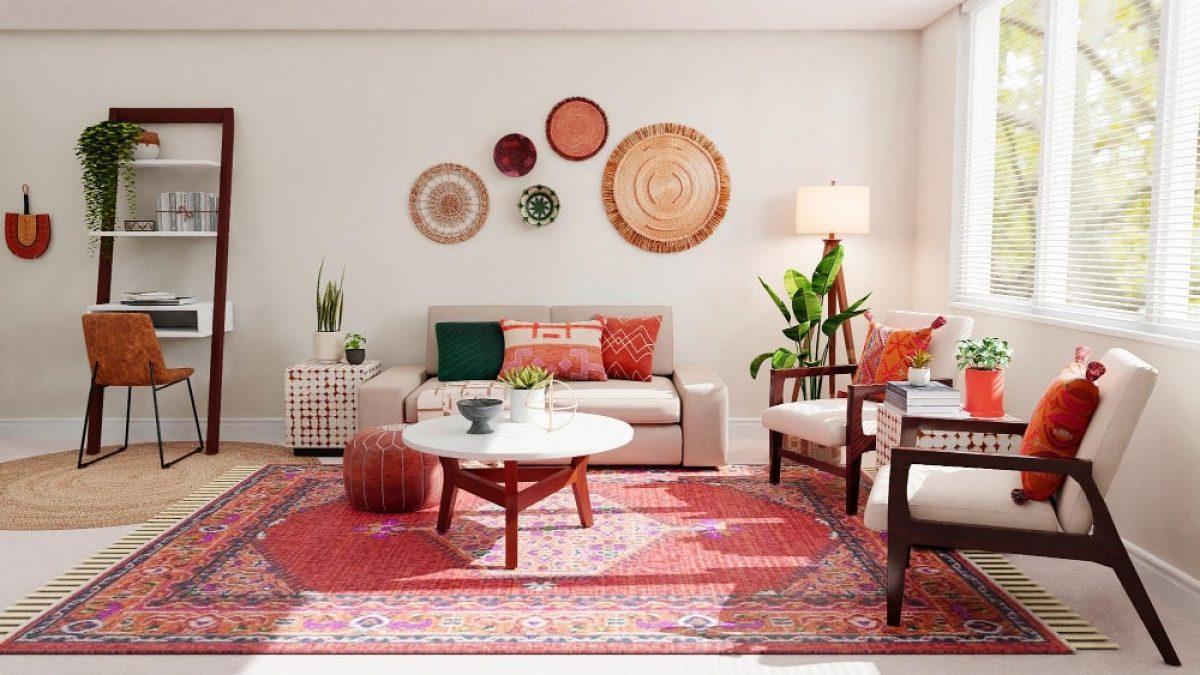

Scroll through any design feed and you’ll spot the same calm: low-profile furniture, natural woods, muted tones and an economy of objects that somehow feels both cozy and disciplined. That quiet look-known as Japandi-has blossomed from niche trend to mainstream conversation, described as a meeting point where Japanese minimalism and Scandinavian functionality converge.
What makes it talk-worthy goes beyond aesthetics.Japandi resonates with wider shifts: a growing appetite for slower, more enduring consumption; a desire for interiors that prioritize comfort and purpose over clutter; and a visual language that photographs well for social media while translating easily across budgets and home types. At the same time,the style prompts conversations about cultural exchange,authenticity and the way global tastes are packaged and marketed.
This article will trace Japandi’s influences, outline its defining elements and explore the social and practical reasons it has captured attention-without romanticizing or dismissing the conversation it has sparked. Weather you’re a casual browser or planning a full redesign, understanding why everyone is talking about Japandi helps explain how contemporary interiors are redefining what ”home” looks and feels like.
The Quiet Power of Japandi Why Japanese minimalism and Scandinavian Warmth Resonate Today
There is a soft insistence to the Japandi approach: it asks for less, but not at the cost of feeling. Rooms become curated breathing spaces where calm is engineered through texture and proportion rather than ornament.Natural light, muted tones and the tactile contrast of linen against smooth timber create a visual rhythm that soothes yet intrigues-an aesthetic that feels both purposeful and personal.The style’s appeal is its subtle choreography of restraint and warmth, offering clarity without coldness and comfort without clutter.
- Materials: light woods, matte ceramics, and handwoven textiles
- Palette: soft neutrals with charcoal or indigo accents
- Furnishings: low silhouettes, clean profiles, functional craftsmanship
- Lifestyle: intentional editing and slow-living habits
In a world of constant stimulation and shrinking urban spaces, Japandi resonates because it translates restraint into a livable warmth that supports day-to-day life. It answers practical needs-versatile pieces, calming routines, sustainable choices-while delivering an understated beauty that ages gracefully. The result is a timeless interior language that feels modern yet humane, designed to last beyond fleeting trends.
| Element | What to choose | Effect |
|---|---|---|
| Palette | Beige, soft gray, muted green | Visual calm |
| Texture | Linen, wool, unglazed clay | Tactile warmth |
| Furniture | Low, simple, well-made | functional elegance |
Materials, textures and Color Play That Make Japandi Feel Warm and Refined
Think of tactile restraint: the soft grain of light oak beside the compact warmth of walnut, the matte weave of linen layered over a hand-knotted wool rug, and the smooth, earthy cool of unglazed ceramics on a wooden dining table. These materials form a simple choreography-natural, honest and subtly luxurious-where finishes are never flashy but always considered.
- Wood – oak, ash, walnut, bamboo
- Textiles – linen, cotton, wool, hemp
- Surfaces – clay, stone, matte glazes, brushed metal
The result is a home that invites touch and lingers visually without shouting.
Color becomes the companion to texture: a muted canvas of warm whites and soft beiges that lets selected tones sing. Accents are deliberate-deep green in a single armchair, terracotta ceramics on an open shelf, or a thin black frame to punctuate space-creating visual depth without clutter.
- Base – off-white, sand, warm gray
- Accents – sage, clay, muted navy, terracotta
- Contrast – soft black, deep walnut
light and material work together so color reads as warmth and refinement rather than decoration, making each room feel balanced, calm and intentionally curated.
Designing Every Room the Japandi Way Practical Layouts, Furniture Choices and Lighting Tips
Think in terms of restraint and comfort: keep sightlines open, let each piece breathe, and choose natural materials with warm, muted finishes. Opt for low-profile seating and multi-functional furniture that reads light and grounded at once – a simple platform bed, a carved oak dining table, a soft linen sofa and woven storage baskets that double as sculptural accents. Scale is everything: anchor larger rooms with a single statement rug or console, and use negative space to highlight craftsmanship rather than crowding with décor. Quick checklist:
- Living: low sofa, slim coffee table, open shelving
- Dining: wooden table, minimal pendant, bench seating
- Bedroom: platform bed, soft textiles, built-in storage
Light the scene as you would paint it: prioritize daylight, then layer warm artificial sources to keep the mood calm and functional. Use soft paper or linen shades,track or recessed task lights for work nooks,and dimmable ambient fixtures for evenings - each layer complements the pared-back furniture to create a cohesive whole. A simple reference table helps match choices to moods:
| Light | Best for | Effect |
|---|---|---|
| Natural | All rooms | Airy, true colors |
| Warm ambient | Living/Bedroom | Cozy, soft shadows |
| Task light | Kitchen/Desk | Focused, practical |
Practical layout tips: prioritize circulation paths, balance symmetry with asymmetrical accents, and maintain a calm palette so texture and light become the focal points.

Living With Japandi Maintenance, Budget Friendly Swaps and How to Make It Uniquely Yours
Japandi thrives on simplicity and surfaces that get better with age, so maintenance becomes less about polishing and more about gentle rituals.Opt for breathable linens, sealed wood finishes that resist spills, and matte tiles that hide tiny scratches – these choices keep daily upkeep minimal and preserve that calm, timeworn look. Bring in low-care greenery (think snake plant or ZZ) and a small rotating cleaning routine: wipe, air, and rotate decorative objects to prevent dust build-up. For those watching their wallets, small swaps deliver the same refined mood without the designer price tag.
- Plywood or birch instead of solid oak furniture
- Thrifted stoneware in place of artisan ceramics
- Painted neutrals over expensive wallpaper
- Remnant fabrics for cushion covers and curtains
- Peel-and-stick tatami or bamboo-look blinds
| Swap | Lookalike | Est. Cost |
|---|---|---|
| Solid oak table | Stained birch plywood | $200 |
| Designer ceramic vase | Thrifted stoneware | $10 |
| Custom linen curtains | Ready-made linen blend | $40 |
Make the aesthetic unmistakably yours by embracing layering texture and thoughtful curations: a worn wooden bowl, a carefully chosen textile, or a single imperfect pot can tell a richer story than a room full of new objects. Mix Japanese restraint with Scandinavian warmth by adding handcrafted pieces, family heirlooms, or local artisan finds-small edits like a hand-painted drawer front or a woven wall hanging add personality without overpowering the calm. Rotate seasonal items, introduce muted pops of indigo or moss green, and create intimate vignettes that invite touch and reflection; Japandi’s restraint is a perfect backdrop for personal expression.
Closing Remarks
As the conversation around Japandi continues to ripple through design blogs, showrooms and social feeds, its appeal feels less like a passing trend and more like a quiet recalibration of how we want to live. By marrying Scandinavian lightness with Japanese restraint, the style offers a way to pare back clutter while preserving warmth and purpose – a design grammar that speaks to contemporary desires for calm, craftsmanship and sustainable choices.
Whether you dip a toe in with a hand-carved bowl or overhaul an entire room, Japandi’s real gift is permission: to choose quality over excess, to value function without forsaking beauty, and to let interiors reflect a slower, more intentional rhythm. In that balance – between minimalism and comfort, tradition and modernity – it’s easy to see why everyone’s talking about it, and why it might just stick around.