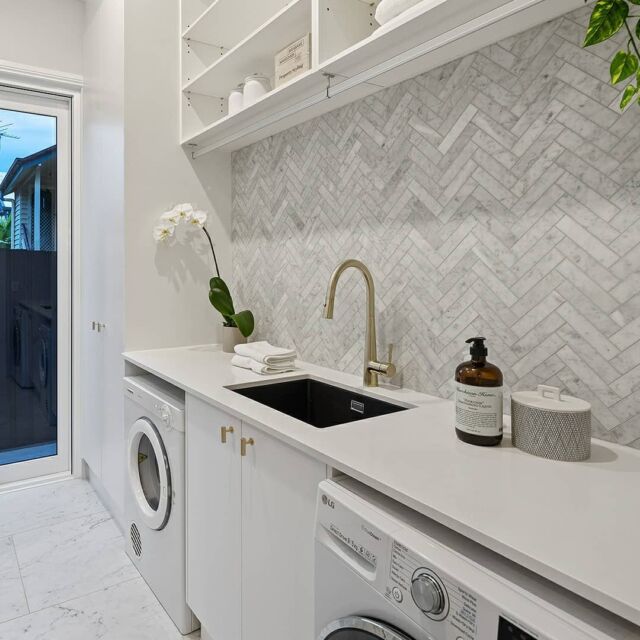
A century ago, the porcelain sink was the unquestioned centerpiece of kitchens and bathrooms: glossy, white, and reassuringly familiar. lately, though, that timeless image is shifting. Quietly and steadily, sinks hewn from granite, marble, quartz, and composite stone are moving into the spotlight - not as a flash of trendiness, but as an alternative with its own aesthetic language and practical appeal.This introduction explores why stone sinks are replacing porcelain by tracing the subtle interplay of form, function, and perception. It looks at how material qualities – weight, texture, and finish – change how a sink looks and feels in a room; how longevity and maintenance considerations influence homeowner choices; and how broader design and environmental conversations reshape what people want from household fixtures. The story isn’t about one material triumphing over another so much as about evolving priorities: a demand for tactile warmth, a hunger for uniqueness, and a search for materials that fit contemporary lifestyles.
Read on for a closer look at the factors nudging homeowners, designers, and builders toward stone – and what that shift means for the spaces where we cook, clean, and gather.
Why stone sinks are replacing porcelain: durability, heat and stain resistance that pay off over time
Heavier than their porcelain cousins, stone sinks bring a quiet muscle to the kitchen: exceptional toughness that resists chipping, cracking and the micro-abrasions caused by daily use.Their natural density translates into real-world benefits - hot pans can be set down without thermal shock, acidic spills are far less likely to leave a mark, and the low porosity of many stone surfaces limits absorption and lingering odors. Choosing stone is less about fashion and more about avoiding replacement costs; over time the initial investment frequently enough pays back thru fewer repairs and a steadier, like-new appearance.
- Scratch resistance: Hard minerals stand up to utensils and heavy cookware.
- Heat tolerance: High thermal mass reduces risk from hot pots.
- Stain resistance: Natural finishes repel common kitchen stains when sealed properly.
- Longevity: Expected lifespan measured in decades rather than years.
When stacked against porcelain in practical terms, the difference is striking: stone demands less frequent resealing or replacement and often retains resale appeal, which translates into measurable savings. Below is a rapid snapshot that captures how the two materials compare over time:
| Property | Stone | Porcelain |
|---|---|---|
| Durability | High | Medium |
| Heat resistance | excellent | Moderate |
| Stain resistance | Excellent (when sealed) | Fair |
| Maintenance | Low to moderate | Moderate |
| Typical lifespan | Decades | Several years to a decade |
Put simply: the upfront premium for stone is often offset by fewer replacements, less maintenance, and a resale edge, making it an increasingly sensible choice for homeowners who view the kitchen as a long-term investment rather than a short-term project.
picking the perfect stone for your space: when to choose granite, quartz or marble and what finishes to prefer
Think of the sink stone as the roomS attitude: some pieces grit it out, others whisper elegance. When deciding, weigh daily habits and the mood you want to set-granite brings rugged durability and natural flecks that hide wear; quartz offers engineered consistency and the easiest upkeep for busy households; marble supplies luminous veining and a soft, museum-ready presence best reserved for lighter use. Consider also temperature resistance (granite and quartz lead), stain vulnerability (marble is most delicate), and how color and grain will read against cabinetry and lighting.
- Granite – heavy-duty, heat- and scratch-resistant, great for active kitchens.
- Quartz - low-maintenance, uniform color, ideal for families and rentals.
- marble – luxurious, porous, choose only if you’re prepared for gentle care.
Finish matters as much as material: a polished face reads sleek and reflective, honed is softer and more forgiving of scratches, while a leathered finish hides fingerprints and adds tactile warmth. The quick comparison below helps steer choices by use-case and upkeep:
| Finish | Look | best For | Maintenance |
|---|---|---|---|
| Polished | Glossy, bold color | Formal kitchens, baths | Wipes clean, shows water spots |
| Honed | Matte, subtle | Classic, low-glare spaces | Resists luster loss, may need sealing |
| Leathered | Textured, tactile | High-use counters, rustic modern | Conceals smudges, periodic sealing |
- Busy kitchens: quartz with a leathered or honed finish for resilience and disguise.
- Entertaining spaces: polished granite for show-stopping shine.
- Quiet bathrooms or powder rooms: marble honed for that soft, luxe touch.

Design and installation tips to maximize performance and prevent chips and staining in stone sinks
Thoughtful choices at the design stage pay off every day: opt for a slightly thicker slab and a softer edge radius to reduce stress points and make chips less likely, and plan faucet and accessory placement so water runs toward the drain rather than pooling on vulnerable areas. Consider integrated ledges or recessed trays for soap and cutting boards to protect the sink surface; these features look intentional and shield high‑traffic spots from repeated impact.Practical tips to specify with your fabricator include:
- Undermount or apron-front installation for cleaner edges and fewer exposed seams
- A minimum 3/8″ edge thickness where visible, with rounded corners
- Pre-baked sealing of the stone and accepting factory-polished surfaces to reduce porosity
- Faucet placement 4-6 inches from the basin edge to prevent splashes and leverage impacts
Installation is where design becomes performance: build a continuous, rigid backing of plywood or composite under an undermount sink, use a flexible, neutral-cure silicone bead for vibration isolation, and ensure the drain sits on a true slope for rapid water removal so stains don’t set. Don’t skimp on support or sealing – even a small gap under a heavy stone sink can concentrate loads and cause chips. For simple homeowner reference, follow this maintenance cadence:
| Task | Frequency |
|---|---|
| surface sealing | Every 6-12 months |
| Wipe down with pH‑neutral cleaner | After each use |
| Deep clean & inspection | Monthly |
| Chip repair check | After impacts |
Maintenance, repair and sustainability recommendations: sealing schedules, safe cleaners and resale value strategies
Think of your stone sink like a well-traveled piece of furniture: the better you protect it, the more character it keeps.Start with a simple water-drop test every 6-12 months to see if the surface repels or absorbs moisture – if droplets darken the stone, seal it. High-use kitchen sinks often need resealing every 6-12 months; bathroom basins and gentle-use vanities can stretch to 12-24 months depending on porosity. For everyday cleaning, stick to gentle, pH-neutral products:
- Do: warm water, mild dish soap, stone-specific cleaners
- Do: soft microfiber or sponge - avoid abrasive pads
- Don’t: acidic or bleach-based cleaners, vinegar, or citrus concentrates
A light buff with a dry cloth after rinsing keeps limescale at bay and reduces the need for aggressive cleaning later.
Small chips and scratches are cosmetic opportunities rather than disasters – many can be fixed with color-matched epoxy or a professional re-hone that restores the patina. choose long-lived materials and low-VOC sealers to cut lifetime environmental impact; consider reclaimed stone slabs or locally quarried options to reduce transport emissions. For resale, simple presentation and paper trail beat flashy makeovers: regularly reseal, keep receipts for treatments, and show before/after photos to prospective buyers. Quick reference table:
| Action | Why it helps |
|---|---|
| Annual sealing log | Builds buyer confidence |
| Eco-kind sealer | Low odor, better indoor air quality |
| Minor repairs documented | Preserves value and shows care |
In Summary
The shift from porcelain to stone sinks feels less like a sudden fashion and more like a quiet rebalancing – an appetite for materials that carry weight, texture and a story. stone brings with it practical advantages and aesthetic possibilities, but also trade-offs in cost and care that will keep porcelain in many homes for years to come. Ultimately the choice comes down to how you weigh durability, maintenance, and the visual language you want in a kitchen or bath. As design conversations continue to favor authenticity and longevity, stone sinks offer a compelling alternative; whether they replace porcelain in your space depends on the practical needs and personal taste that guide every well-considered home decision.