
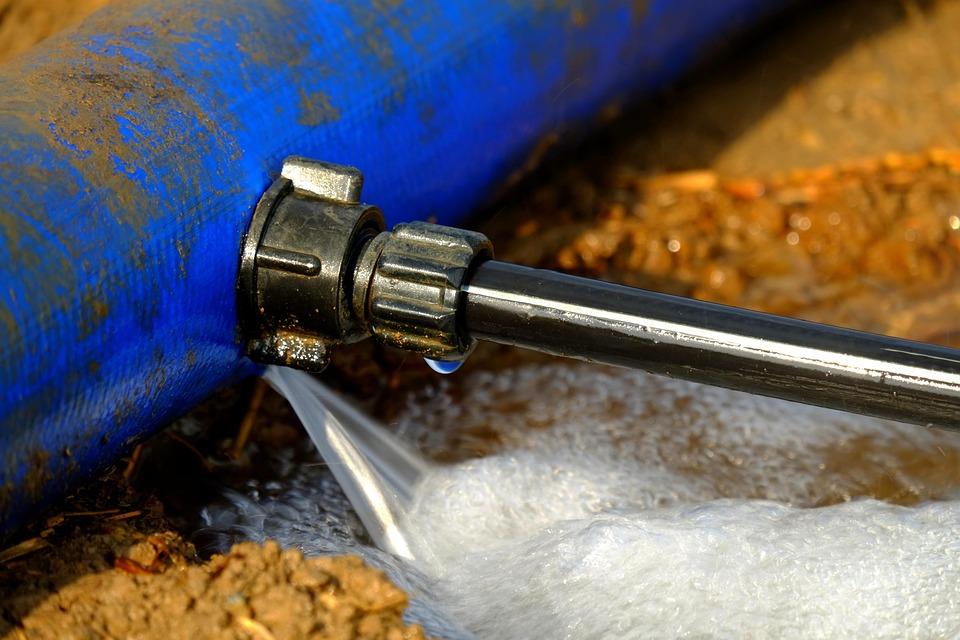
There’s one simple universal truth that we can all agree on, and it’s that plumbing emergencies don’t keep decent hours. If you’ve ever woken up to the sound of running water at 2 a.m., then you know exactly what we’re talking about.
When this happens, your first course of action should be to call the emergency plumber Sydney locals trust for all their plumbing issues. If you’re not too familiar with 2 am plumbing emergencies, then you may not always know what to do. Fortunately, there are a few tips that our plumbing team want to share with you to get you through every plumbing issue.
Get Ahead of the Issue
Wouldn’t it be amazing if your plumber were just around the corner when your emergency happens? This would mean they could rush right over and deal with the problem in no time. Unfortunately, this scenario doesn’t always happen, and you may have to deal with the issue for a short while until the plumbing experts can reach you. Here’s what the Sydney experts want you to know.
Know Where the Water Mains Are Located
The number one rule in every household when it comes to dealing with a plumbing emergency is to know where the water mains is. Everyone should know how to turn the main shut-off valve off. Always remember that the longer a burst pipe leaks, the more damage it does to the property.
It also inflates your water bill. No matter how small the leak is, always switch the water off and call the emergency plumber. They will advise you of any additional steps to take based on the issue you’re having.
Remember to check if your emergency affects the electricity or gas in your home. If so, you will be required to switch these mains off as well. Be sure to give you 24 hour plumber as much information as possible regarding the incident. Mention any issues, such as the smell or sound of gas, as this may require additional precautionary measures.
Drain the Water Pipes
Once you have turned the water off at the mains, it will stop the flow of water into your pipes towards the taps and toilet. There will, however, still be some residual water in the pipes. It’s always a good idea to open the taps and let this residual water run out. This will take a few minutes. Avoid wasting water by letting it run into a container such as a bucket or basin. This can then be reused in the toilet cistern or poured into the garden.
Clean the Area Where the Emergency is
If you catch your emergency in time, it won’t be anything more than a small mess. However, some emergencies are nasty and messy right off the bat. When you have water leaking onto your flooring, it can cause significant damage that could be costly to repair or replace.
Keep in mind that this could also create an electrical hazard if the leak is near power outlets or you have cables on the floor. Water on the floor can also increase the risk of injury for anyone working in the area. Use towels and sheets to mop as much of the water as possible. You can also open windows and doors to help air dry the space.
Prepare the Area for Repairs
When dealing with an emergency, the goal is for the emergency plumber to reach the issue as soon as possible. With this in mind, it’s a good idea to move furniture, kids’ toys, and other items that may be in the way. You’ll want the issue resolved quickly to minimise any further damage to your plumbing infrastructure and home.
Take Pictures if Necessary
If you have home insurance, you’ll already know that you can claim for some plumbing issues. You will therefore need to take the necessary photos as evidence of the issue. Remember to speak to your plumber about providing you with a report of the issue and the repair, as this may also be required. Doing this on the day of the emergency will save you a lot of running around later on.
Our experts also want to point out that it’s often a good idea to send pictures of the issue to the plumber as it’s happening. They will then be able to give you the right advice on what needs to be done while you wait for them. In some instances, this may be necessary for them to check if they have the right spare components. This is especially the case for older plumbing systems.
Final Thoughts
Plumbing emergencies don’t always show up as a raging mess or flood of water. In some instances, it can be a minor issue that needs tending to before it escalates. When this happens, it’s essential to know what to do.
Be sure you know where your water, gas, and electrical mains are so that you can turn them off while you wait for your plumber. Our tips will help to minimise the extent of the damage to your plumbing infrastructure and your property!