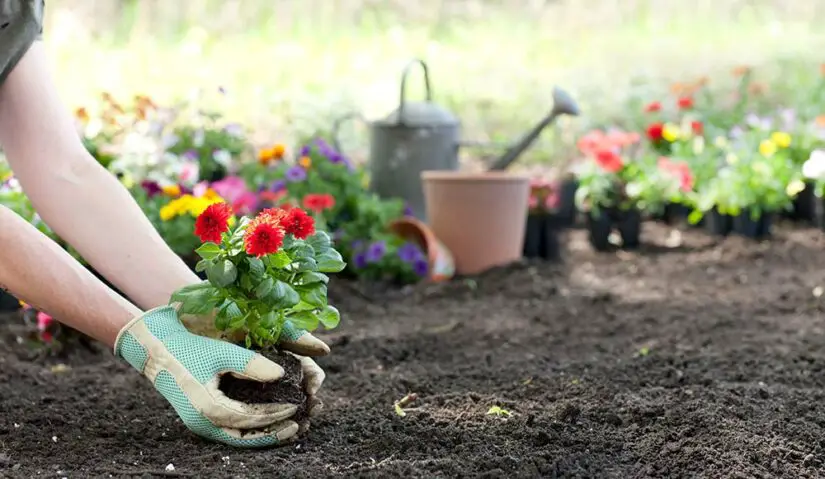

In an age where urban living often comes at the expense of green spaces,the dream of a flourishing garden can feel out of reach for many. But who says you need a sprawling backyard to experience the joys of gardening? Enter the world of indoor gardening—a delightful solution that brings nature right into your home. Whether you live in a cozy apartment or a bustling city, the possibilities for creating an indoor oasis are endless. From vibrant houseplants to herb gardens on your kitchen windowsill, this article will explore innovative indoor garden ideas that thrive in limited spaces and transform everyday living into a verdant escape.No backyard? No problem—let’s cultivate some inspiration!
Creative Container Choices for Indoor Gardening Success
When it comes to indoor gardening,the container you choose can make all the difference in your plants’ growth and overall well-being. Think beyond traditional pots and explore creative options that not only serve a functional purpose but also add unique character to your space. Consider utilizing:
- teacups and Mugs: Perfect for herbs or small succulents, these charming containers create a whimsical touch.
- Wire Baskets: With appropriate liners, they provide a rustic look while allowing for excellent drainage.
- Old Drawers: Repurposing vintage drawers can offer plenty of space for a collection of plants, bringing character to your indoor garden.
- Glass Jars: Ideal for small plants or terrariums, they allow you to observe root growth and soil conditions.
Don’t forget to consider the practicality of your choices! Containers should have adequate drainage and ensure your plants’ roots can breathe. An easy way to personalize your gardening experience is by mixing and matching various types of containers. Create a stunning feature wall by using a combination of wall-mounted planters, hanging pots, and quirky shelf displays. Here’s a simple guide to help you choose the right size container:
| Plant Type | Suggested Container Size |
|---|---|
| Succulents | 4-6 inches |
| Herbs | 6-10 inches |
| Ferns | 8-12 inches |
| Small Flowering Plants | 10-12 inches |
Maximizing Light: natural and Artificial Solutions for Every Space
Bringing the beauty of nature indoors often requires some clever strategies to ensure that your plants receive adequate light. Natural light can be harnessed by utilizing windows and other openings in your home. For those with limited sunlight, consider using reflective surfaces such as mirrors or light-colored walls to amplify what little light you do have. Placing plants on windowsills,where they can bask directly in sunlight,is also an effective way to maximize exposure. additionally, rotating your plants regularly can ensure that all sides receive adequate light and promote even growth.
In spaces devoid of sufficient natural light, artificial lighting solutions become invaluable. Using LEAD grow lights specifically designed for plant growth can transform any dark corner into a thriving green paradise. These lights come in various spectrums, replicating sunlight and promoting healthy plant growth. Here are some tips on how to effectively implement these solutions:
- Select the Right Spectrum: Choose lights that provide a full spectrum to support all growth stages.
- Distance Matters: Keep grow lights at an optimal distance to avoid burning the leaves while ensuring sufficient light exposure.
- Timely Schedule: Mimic a natural light cycle by providing 12-16 hours of light per day, followed by a period of darkness for rest.
| Plant Type | Light Requirement | Best Placement |
|---|---|---|
| Succulents | High | South-facing window |
| Pothos | Low to Medium | Near a window |
| Snake Plant | Low | Indirect light corners |
Selecting the Right Plants for Your Indoor Oasis
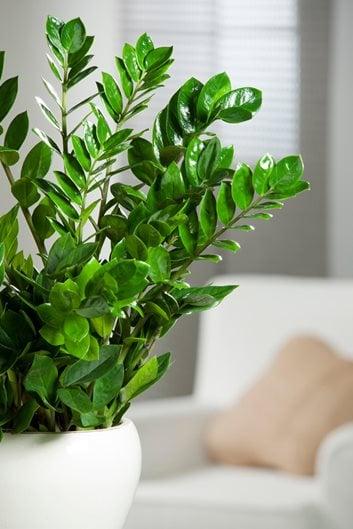
Transforming your indoor space into a lush garden begins with selecting the right plants, which can dramatically enhance both aesthetics and air quality. Consider species that thrive in low to moderate light settings, such as snake plants, pothos, and ZZ plants.These resilient varieties not only require minimal care but also adapt well to different indoor environments. Additionally, if you’re looking to inject a pop of color, opt for vibrant blooms like beginner-kind orchids or cheerful african violets. By pairing plants with varying textures and heights, you create a visually stimulating indoor oasis that is both enchanting and inviting.
Beyond aesthetics,it’s essential to consider your lifestyle and the level of commitment you wish to invest in plant care. If you travel frequently or have a busy schedule, low-maintenance options are your best bet.Here’s a quick summary of some ideal plants based on care requirements:
| Plant | Light Requirements | Watering Frequency |
|---|---|---|
| Snake Plant | low to bright indirect | Every 2-6 weeks |
| Pothos | Low to bright indirect | Every 1-2 weeks |
| ZZ plant | Low to bright indirect | Every 2-3 weeks |
| Orchid | Bright indirect | Every 1-2 weeks |
| african Violet | Moderate to bright indirect | Every 1-2 weeks |
By selecting plants that align with your lifestyle and space, you can easily cultivate your indoor oasis, ensuring it thrives beautifully and effortlessly.
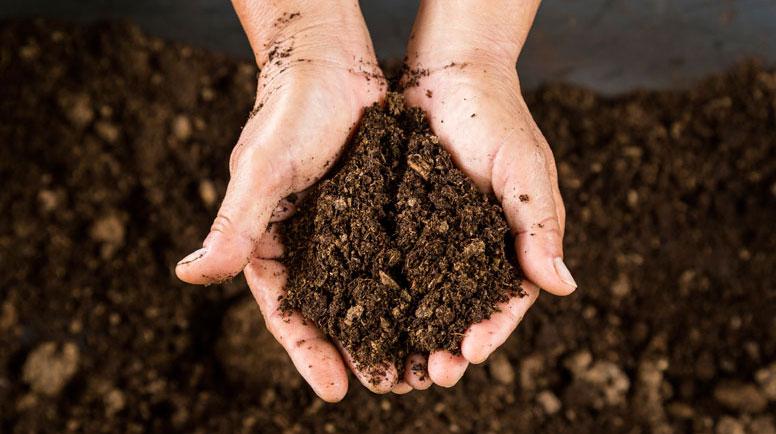
Soil and Nutrient Essentials for Flourishing Indoor Gardens
Healthy indoor gardens thrive on a foundation of high-quality soil and targeted nutrients. When selecting soil, consider using a mix specifically designed for indoor plants, which usually contains peat moss, vermiculite, and perlite for optimal aeration and drainage.You can enhance your mix by adding organic matter such as compost, which not only improves soil structure but also provides a slow-release source of nutrients. Remember to avoid using garden soil from outside,as it may harbor pests,diseases,or unwanted weed seeds that can compromise your indoor oasis.
For maintaining nutrient balance, it’s essential to understand the specific needs of your plants. Utilize a water-soluble fertilizer every few weeks during the growing season to replenish soil nutrients. Additionally,consider these elements for vibrant and healthy growth:
- Nitrogen: Promotes lush leaf growth.
- Phosphorus: Supports root development and flowering.
- Potassium: Enhances overall plant health and disease resistance.
It’s also beneficial to conduct soil tests periodically to monitor pH levels and nutrient availability, allowing for adjustments that cater to your plants’ evolving needs.
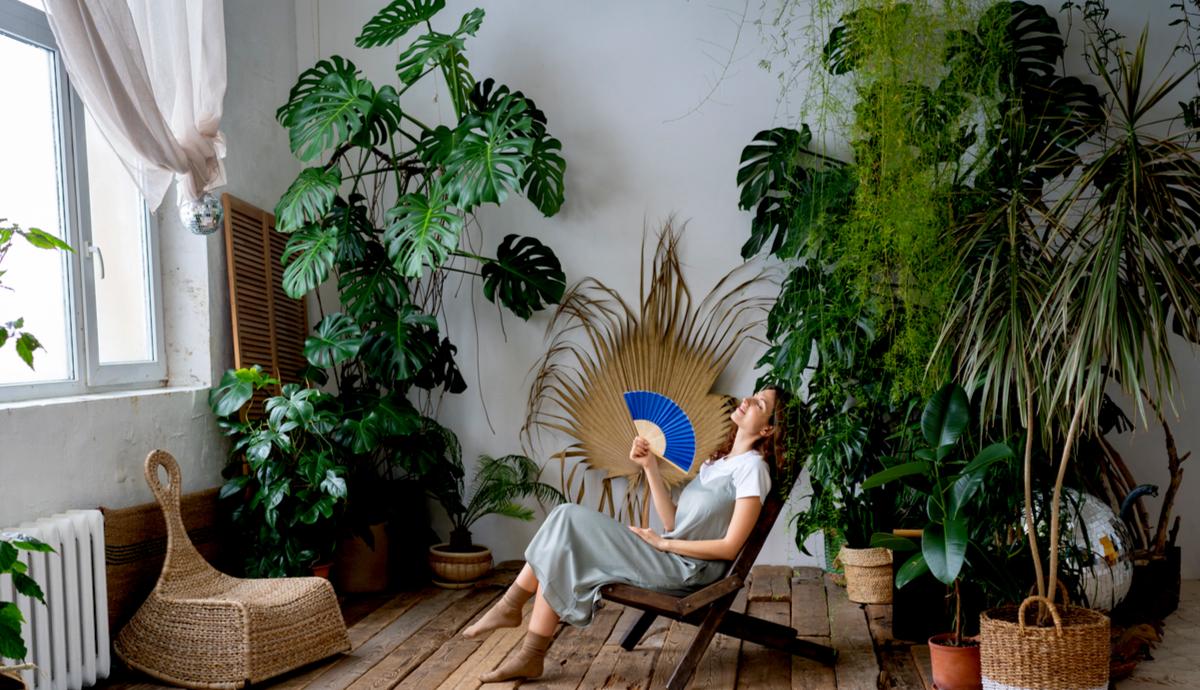
Designing a Cohesive Indoor Garden Aesthetic
Creating a visually appealing indoor garden involves harmonizing various elements to cultivate a tranquil yet vibrant retreat. Start by considering a color palette that resonates with your personal style while complementing the natural greens of your plants. Shades of earthy browns, soft whites, or even pastel tones can enhance the overall atmosphere. Don’t shy away from adding decorative elements such as ceramic pots, woven baskets, and metallic finishes.Selecting planters that echo your indoor decor—whether that be modern, rustic, or eclectic—can unify the space and draw the eye across the room.
In addition to color,the arrangement of plants plays a critical role in establishing a cohesive aesthetic. Use varying heights and textures to create visual interest, employing floor-standing plants, hanging planters, and tabletop arrangements effectively. A mixture of foliage types like succulents, ferns, and flowering plants can add depth. Consider categorizing your plants into zones,using a minimalist stand,or introducing a small indoor water feature to elevate the ambiance. Here’s a simple table to visualize some effective plant pairings:
| plant Type | best Pairings |
|---|---|
| Snake Plant | Fiddle Leaf Fig, Pothos |
| Peace Lily | Spider Plant, Bamboo palm |
| Succulents | Air Plants, cacti |
Key Takeaways
As we’ve explored in this article, the absence of a backyard doesn’t mean you have to forgo the joys of gardening. With a little creativity and some thoughtful planning,your home can bloom into a vibrant sanctuary filled with greenery. Whether you choose to hang your herbs in the kitchen, transform a windowsill into a mini succulent oasis, or nurture a cozy indoor vegetable garden, the possibilities are endless.
So,roll up your sleeves,gather your pots and soil,and embark on this indoor gardening journey. Not only will you cultivate lovely plants, but you’ll also create a serene space that brings nature closer to your daily life. Remember, a garden is more than just a patch of earth; it’s an expression of your creativity and a testament to your ability to thrive, no matter the limitations. Happy gardening!