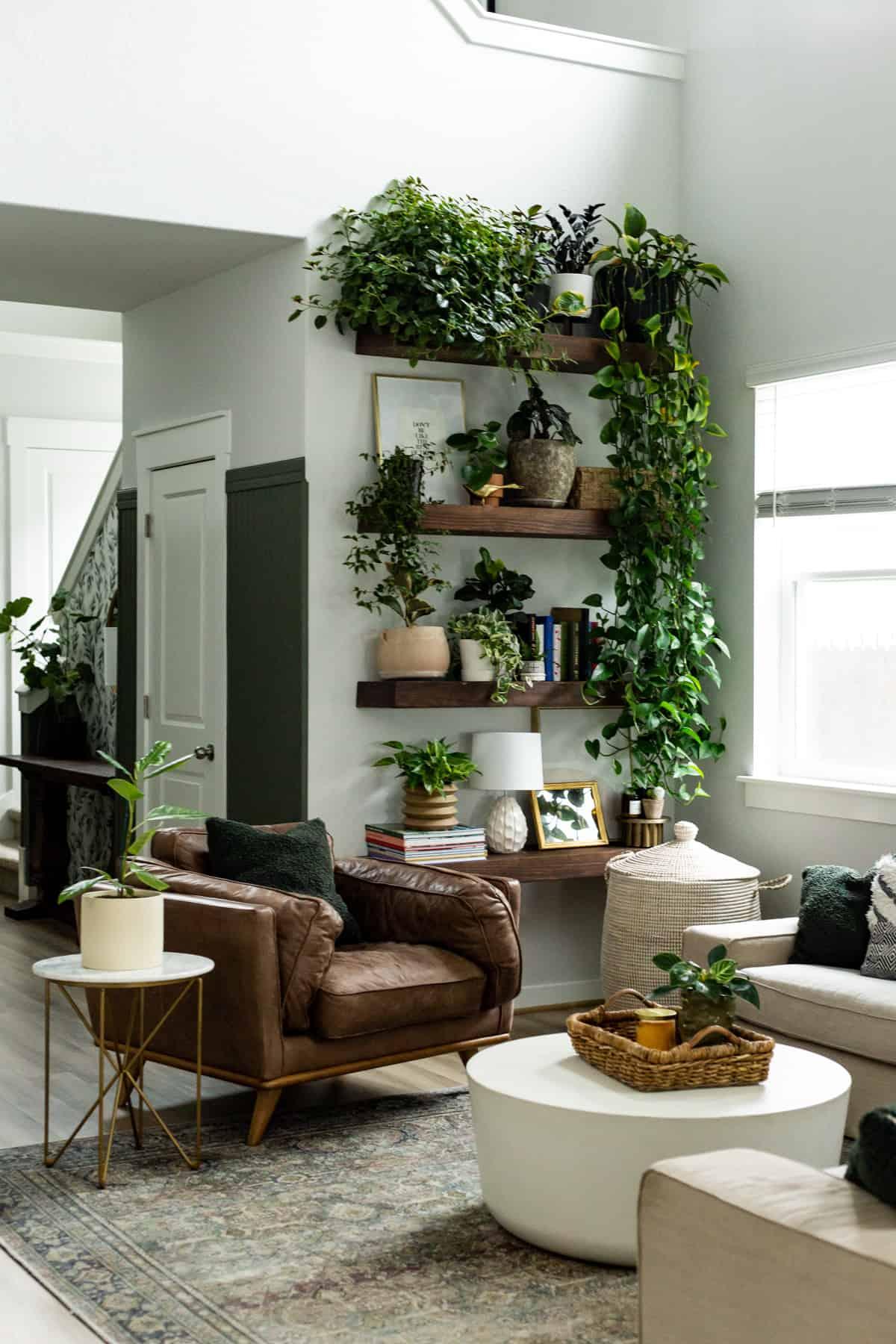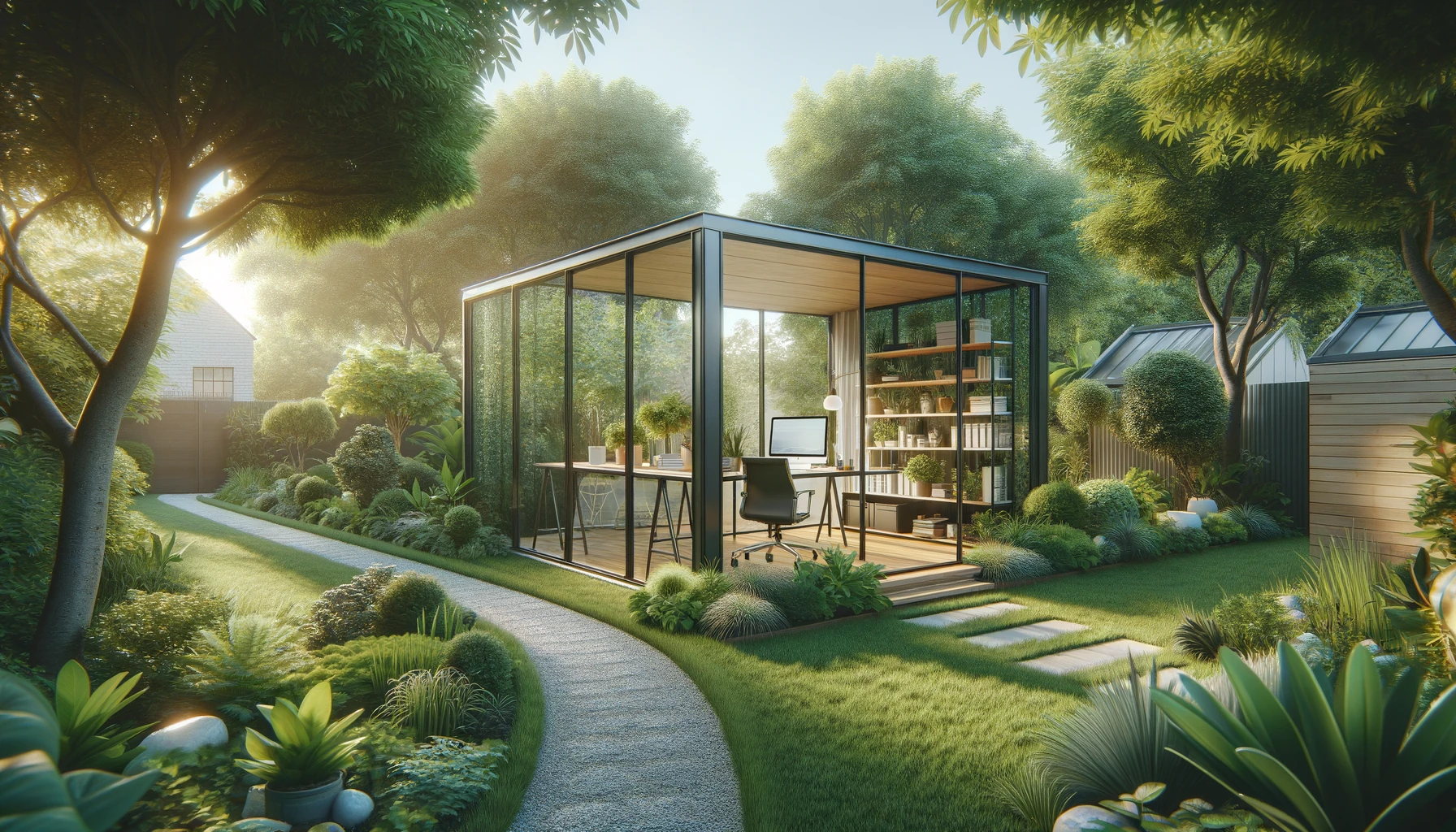

In the vast tapestry of interior design, one element often overlooked holds the power to transform a space into a sanctuary: the humble plant. Imagine a room not just adorned with countless decor items, but harmoniously centered around a single, stunning plant. This article delves into the art of designing a room that celebrates one botanical hero, showcasing how its unique characteristics can inspire color palettes, furniture choices, and even layout. Whether you’re a seasoned green thumb or just beginning your journey into the world of houseplants, here’s how to cultivate a space that breathes life, balance, and aesthetic beauty-all stemming from one extraordinary plant. Join us as we explore the principles of design thru the lens of nature, and discover the profound impact a singular botanical focus can have on your living habitat.
Choosing the Right Plant as Your Design Focal Point
When selecting the perfect plant to serve as your design’s centerpiece, consider these essential factors to ensure it resonates with your overall aesthetic:
- Size: Choose a plant that matches the scale of your room. A large monstera can make a bold statement in a spacious living area, while a petite succulent might be ideal for cozy nook.
- Color: Think about the hues in your room. A plant with luscious green leaves can harmonize beautifully with a neutral palette, while colorful blooms can add a pop of excitement to monochromatic spaces.
- Texture: Diffrent plants offer unique textures that can enhance the tactile experience of your design. consider the soft, feathery fronds of a fern against the sleek leaves of a rubber plant.
Another key consideration is the plant’s maintenance requirements. An easy-to-care-for variety like a snake plant might be the right choice for busy lifestyles, whereas more demanding species such as orchids would attract the gardening enthusiast willing to invest extra time. To help simplify your decision-making, here’s a quick comparison table:
| plant Type | Size | Care Level |
|---|---|---|
| Snake Plant | medium | Low |
| Fiddle Leaf Fig | Large | High |
| Peace Lily | Medium | Medium |
| Orchid | Small | High |
Ultimately, the right plant will not just complement your design but will also reflect your personal style. Take your time and choose a specimen that brings you joy and effortlessly integrates into your space.

Understanding Light and Space for Optimal Plant Placement
When it comes to creating the perfect environment for your chosen plant, understanding the interplay of light and space is crucial. Different plants have varying light requirements; some thrive in bright, indirect sunlight, while others prefer low-light conditions. To determine the best placement, consider:
- Light intensity: Observe how light enters your room during different times of the day.
- Plant needs: Research the specific light requirements of your plant to avoid overexposure or insufficient light.
- Seasonal changes: Keep in mind that light levels may shift with the seasons, so adjust your plant’s location accordingly.
Space consideration is equally importent; a plant’s growth pattern can affect both its health and the aesthetic of your room. Ensure your plant has enough room to grow without being cramped or overshadowed by nearby furniture. Pay attention to:
- Vertical space: Look for spots where your plant can stretch up and also out without obstruction.
- Proximity to other objects: Avoid placing your plant too close to heat sources or drafts that coudl hinder its growth.
- Visibility: Position your plant where it can be seen and appreciated, enhancing the overall design of your space.
Color Schemes and Textures to Complement Your Greenery
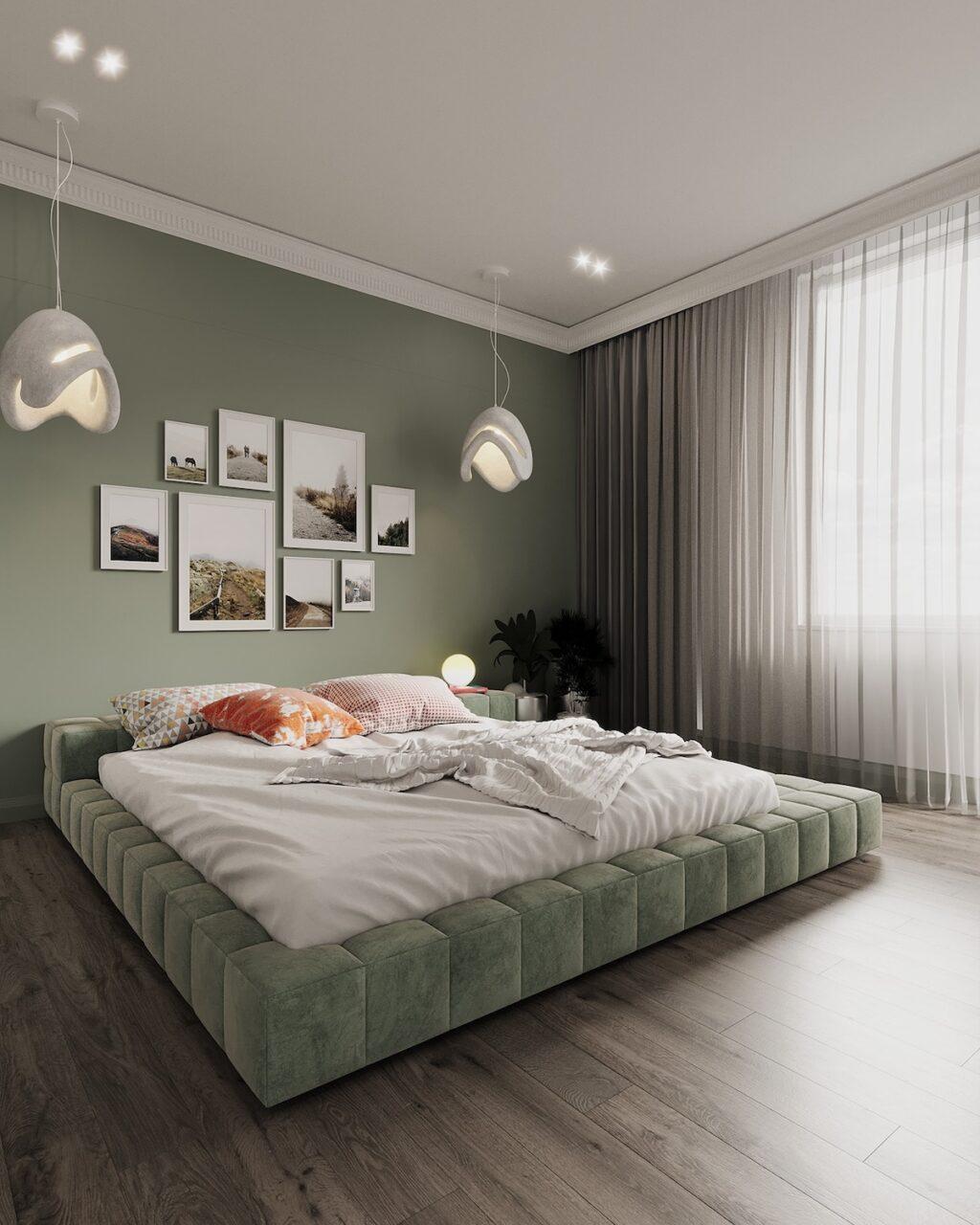
To create a harmonious environment that emphasizes your plant’s beauty, consider incorporating soft, natural colors and textures that evoke a sense of tranquility and organic warmth. Colors such as sage green, earthy browns, and soft creams can enhance the freshness of your greenery while providing a serene backdrop. Adding in accents of gold or copper can offer a hint of elegance, contrasting beautifully with the rich hues of your plant’s foliage.Coordinate these colors with natural materials like wood, linen, and jute to create layers of texture that invite tactile engagement and visual interest.
To further enrich the aesthetic, consider integrating textures inspired by the natural world. A well-placed woven basket can add depth while providing functionality for plant care, while a stone planter can ground the space with its earthy qualities. In addition, accent pillows with botanical prints or soft velvet fabrics can introduce a sumptuous touch. for a cohesive look, utilize a color palette table to visualize and select the right tones and textures to complement your plant selection.
| Color Palette | Texture Ideas |
|---|---|
| Sage Green | Woven Fabrics |
| Earthy Brown | Natural Wood |
| Soft Cream | Linen Accents |
| Warm Gold | Textured metals |
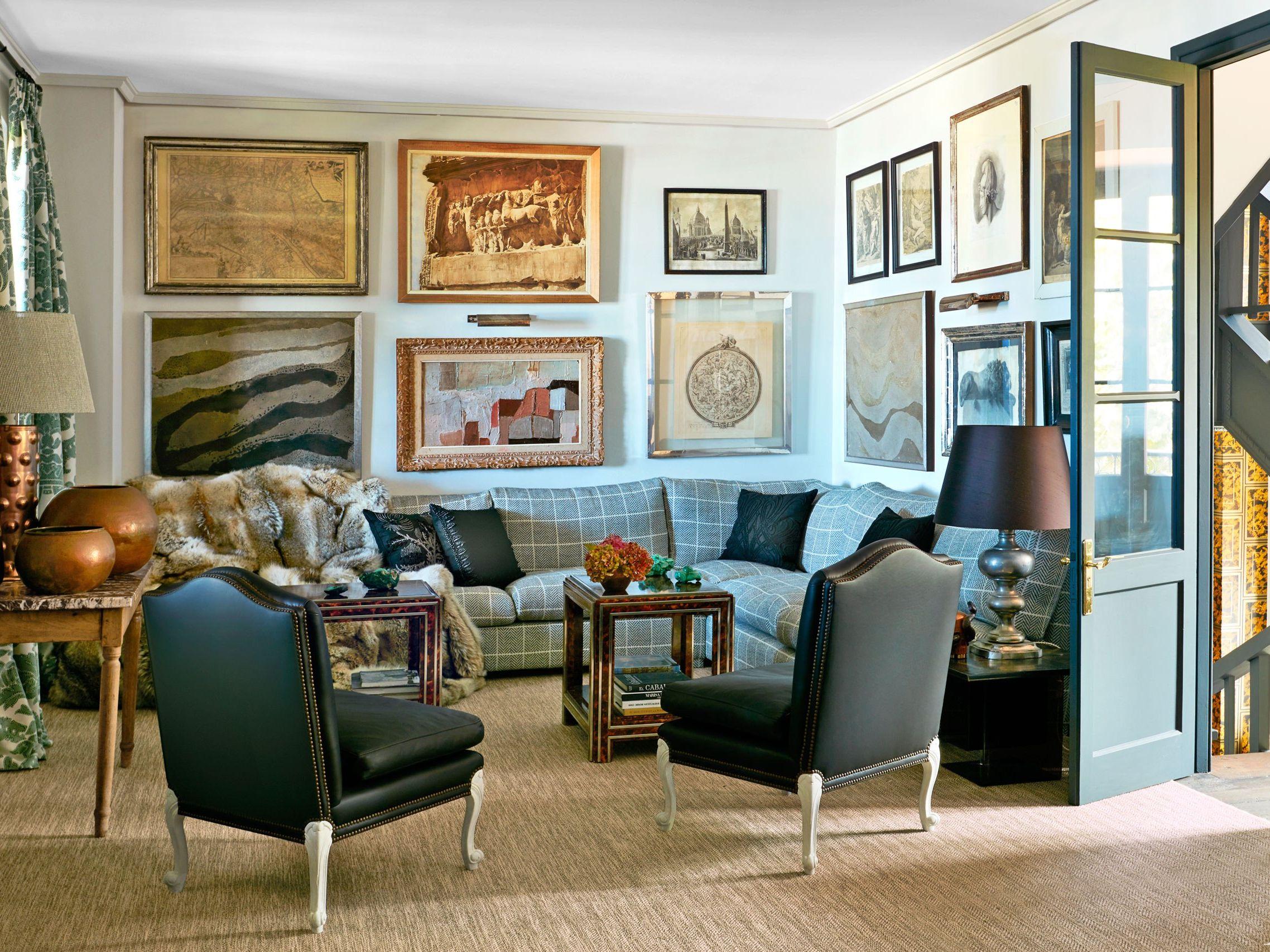
Selecting Furniture and Decor that Enhances plant aesthetics
When designing a space around a single plant, it’s essential to select furniture and decor that magnifies its beauty rather than competes with it. Consider incorporating natural materials that mirror the organic vibe of your plant, such as wood, stone, or rattan. Such as, a sleek wooden coffee table can create a harmonious connection with lush greenery. Opt for a color palette that complements the foliage-think earthy tones like terracotta, soft whites, or muted greens. This allows the plant to be the star of the room while seamlessly blending with its surroundings.
Along with selecting appropriate furnishings, the layouts and textures of your decor play a pivotal role. Aim for a minimalistic approach to allow the plant to stand out; avoid overcrowding with excessive decorations. Instead, use a mix of soft textiles such as linen or cotton pillows to add comfort and warmth without drawing attention away. You can also enhance visual interest by incorporating varying height levels in your decor, such as tall shelves or hanging planters, creating layers that highlight your plant’s form and presence. A thoughtfully chosen artwork or a mirror can further reflect the beauty of the plant, adding depth and dimension to your design.
Integrating Practical Care Solutions into Your Room Design
When designing a room centered around a particular plant, it’s essential to integrate practical care solutions that not onyl enhance the aesthetic appeal but also support the well-being of the plant itself. Begin by assessing your chosen plant’s environmental needs, such as light exposure, humidity, and temperature. Arrange your room layout to maximize natural light, using soft, sheer curtains to diffuse sunlight without blocking it entirely. Create a designated watering station nearby, equipped with essential tools like a watering can, spray bottle, and moisture meter, ensuring that proper care is both accessible and streamlined.
Incorporating elements such as a self-watering pot can simplify maintenance and reduce stress. Consider adding a small table or shelf that features your plant prominently, paired with decorative stones to enhance drainage and promote healthy growth. To maintain optimal humidity levels, include a small humidifier or a pebble tray underneath your pot. Additionally, an organized care chart can be beneficial; this chart should detail watering schedules, feeding times, and light cycles, allowing you to monitor your plant’s needs effortlessly. By thoughtfully curating your space, you will foster a harmonious relationship between your plant and your room’s design.
In Summary
In wrapping up our journey of transforming a space by centering it around a single plant,we hope you feel inspired to cultivate not just greenery,but also a unique atmosphere in your home. As you’ve explored various design elements-from color palettes and furniture arrangements to texture and lighting-remember that every choice you make shapes the narrative of your room. A single plant can act as the heart of your design, breathing life and vitality into your space. so, whether it’s a lush fern, a vibrant succulent, or a stately fiddle leaf fig, embrace the challenge of designing around this natural centerpiece. As you embark on this creative endeavor,let your personal style flourish,and enjoy the refreshing synergy that unfolds as nature and design unite. Happy decorating!