
In the world of home aesthetics,the age-old debate of hiring an interior designer versus dialing up your lighting scheme often arises. Many homeowners find themselves standing at the crossroads of creativity and practicality,contemplating whether the nuances of design or the transformative power of light will best breathe life into their spaces. While an interior designer can offer an arsenal of expertise, trends, and a fresh perspective, sometimes the solution is as simple as switching on a few more lamps or adjusting the dimmers.In this article, we’ll explore the delicate balance between professional design and the magic of light, helping you determine what might truly elevate your surroundings-expert guidance or the right illumination. Whether you’re tackling a complete redesign or merely looking to enhance a room’s ambiance,understanding the interplay between thes two elements may hold the key to unlocking your home’s full potential.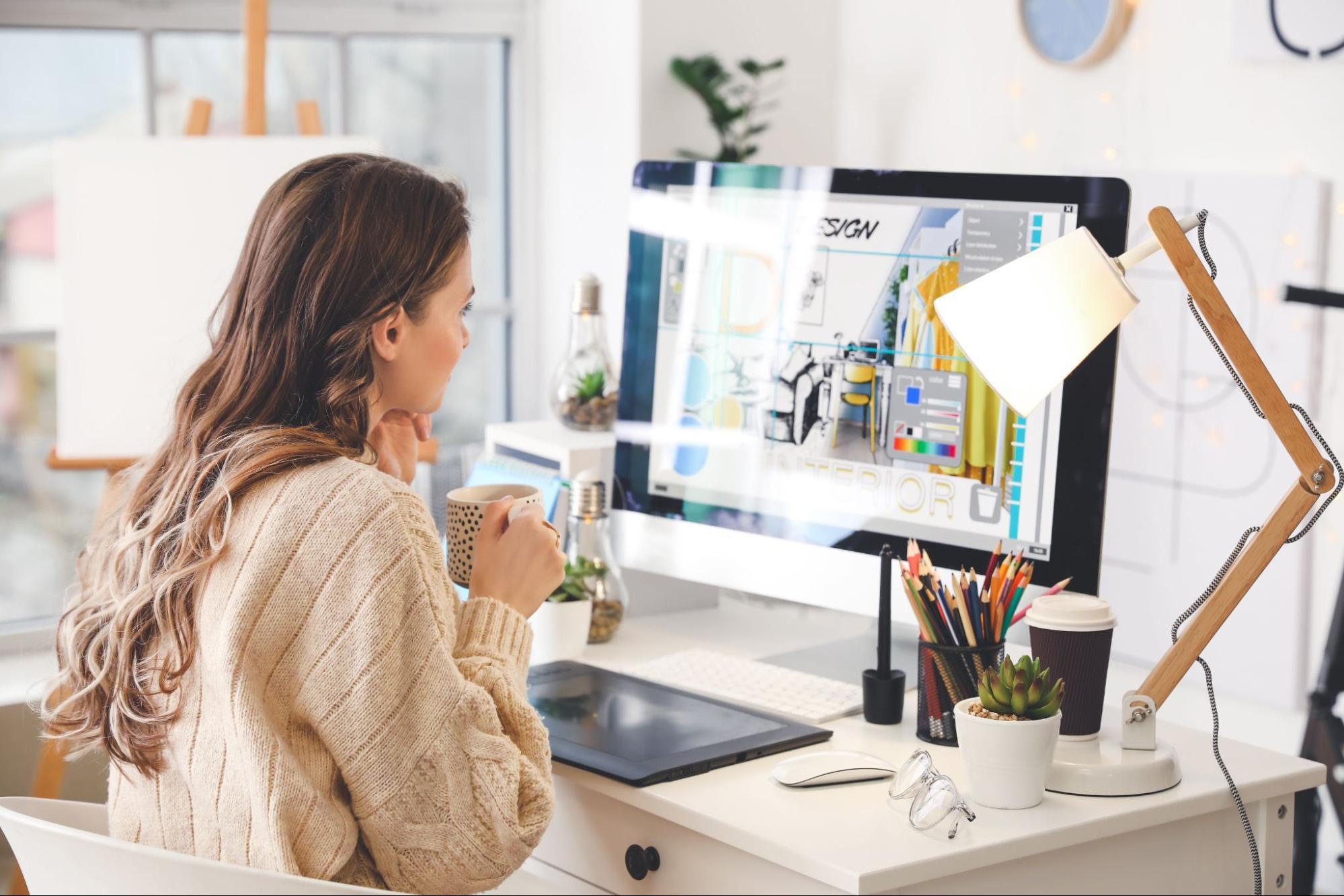
Understanding the Role of an Interior Designer in Modern Spaces
In today’s fast-paced world, the role of an interior designer extends far beyond mere aesthetics. They are not just decorators; they are problem solvers and facilitators of human experience. Their expertise lies in understanding how spaces impact our emotions and behaviors. By integrating functionality with style, they create environments that foster creativity, relaxation, and connectivity. Key responsibilities include:
- Conducting thorough assessments of client needs.
- Creating space layouts that enhance flow and usability.
- Coordinating with contractors and vendors for seamless execution.
- Curating furniture, lighting, and decor that reflect the client’s vision.
Their work often intersects with various elements, including architecture, lighting design, and even psychology. Good lighting can dramatically transform a space, but it is indeed the interior designer who knows how to optimize it to create the desired ambiance. By considering aspects such as natural light,color temperature,and fixture placement,they ensure that every corner of a room serves a purpose and enhances the overall design. below is a brief comparison of how lighting can complement an interior designer’s vision:
| Aspect | Role of Interior Designer | Importance of Lighting |
|---|---|---|
| Space Optimization | Design layout for maximum use | Affects perception of space |
| Color Scheme | Selects harmonious colors | Enhances or alters color appearance |
| Aesthetic Appeal | Creates visual storytelling | Sets mood and atmosphere |
The Impact of Lighting on Mood and Functionality
Lighting holds a remarkable power, shaping our environment and influencing our emotions in profound ways. Studies have shown that different types of lighting can evoke distinct feelings and behaviors, making it an essential element when designing a space. as an example, warm lighting tends to create a cozy atmosphere ideal for relaxation, while cool lighting promotes alertness and concentration, perfect for work or study areas. The interplay of shadows and brightness can also accentuate architectural features, transforming a mundane room into an inviting sanctuary or an energetic workspace.
Moreover,the functionality of a space is heavily dictated by its lighting schemes. At various times of the day, natural light can improve mood, enhance productivity, and contribute to overall well-being.On the flip side, inadequate or harsh artificial lighting can lead to fatigue and irritability. Consider the following aspects when evaluating your lighting choices:
- Layering: Combining ambient, task, and accent lighting can enhance both aesthetic appeal and usability.
- Color Temperature: Warmer tones are suitable for relaxed settings,cooler tones for focused tasks.
- Placement: Strategic positioning can reduce glare and optimize the use of natural light.

Finding the Right Balance Between Design and Illumination
Creating an inviting space frequently enough hinges on how well design elements and lighting coexist. A well-thought design can fall flat if it isn’t properly illuminated. Conversely, good lighting alone doesn’t compensate for poor design choices. To harmonize these two aspects, consider the following elements to achieve that perfect synergy:
- Layering Light: Utilize a combination of ambient, task, and accent lighting for depth.
- Color Temperature: Choose light that complements your color palette,enhancing the overall atmosphere.
- Focal Points: Use lighting to highlight key design features, such as artwork or architectural elements.
- Functional Design: Ensure that the design accommodates the functional aspects of lighting for practicality and aesthetics.
When deciding on the right approach, it can be useful to analyze how each component influences the perception and usability of your space. Below is a simple comparison that illustrates the relationship between design considerations and lighting choices:
| Design Element | Lighting Consideration |
|---|---|
| Furniture Layout | Placement of light fixtures to enhance functionality |
| Color Scheme | Lighting that complements warm or cool tones |
| Decorative Elements | Accent lights that bring features to life |

Practical tips for Enhancing your Space Without Professional help
transforming your space can be both rewarding and fulfilling, and there’s no need to hire a professional designer to achieve stunning results.Start by reassessing your lighting, which plays a crucial role in setting the mood of any room. Consider incorporating a variety of light sources to create layers. This can include:
- task lighting: Ideal for reading nooks and kitchen countertops, think lamps and under-cabinet lights.
- Ambient lighting: Use soft, overhead fixtures or wall sconces to provide general illumination.
- Accent lighting: Showcase artwork or architectural features with spotlights or LED strips.
experiment with brightness and color temperatures; warm tones often create a cozy atmosphere while cooler tones can inspire energy and focus.
Storage solutions are another way to enhance the functionality and aesthetics of your space. Decluttering not only improves visual appeal but also promotes a sense of calm. You can maximize storage with simple DIY solutions such as:
- Floating shelves: Use in living rooms or kitchens to display decor or store books.
- Baskets and bins: Perfect for hiding small items and maintaining a tidy environment.
- Multi-functional furniture: Look for ottomans or coffee tables with internal storage compartments.
Consider an approach that combines both aesthetics and practicality, ensuring your space not only looks great but also meets your everyday needs.
When to call in the Experts: Signs You Need an Interior Designer
recognizing when it’s time to bring in a professional can save you time, stress, and potential regrets. Here are some clear indicators that you might benefit from the expertise of an interior designer:
- You Feel Overwhelmed: If the thought of redesigning your space leaves you anxious, it’s a sign that consulting a professional coudl be beneficial.
- Lack of Cohesion: If your rooms feel disjointed or uninviting, an interior designer can help create a seamless flow.
- Budget Constraints: Believe it or not, hiring an expert might actually save you money by preventing costly mistakes and ensuring efficient use of your budget.
Additionally, consider the following situations where an interior designer could be your best ally:
| Scenario | Designer Value |
|---|---|
| Remodeling and Renovation | expert planning to maximize space and functionality. |
| Moving to a New Home | Guidance on creating a cohesive style from scratch. |
| Special Events | Temporary designs that impress guests and elevate the atmosphere. |
Insights and Conclusions
the decision to hire an interior designer or simply invest in better lighting ultimately hinges on your unique aspirations and circumstances. While a skilled designer can transform your space with their expertise and vision, sometimes all it takes to breathe new life into a room is the right illumination to highlight your existing treasures. whether you opt for professional guidance or a DIY approach, remember that creating a harmonious environment is within your reach. So, the next time you find yourself pondering over a dull corner or a lifeless room, consider your options carefully: you might just need a flick of the switch or a touch of artistic vision to bring your space to life. Embrace your creativity, trust your instincts, and let the light lead the way!