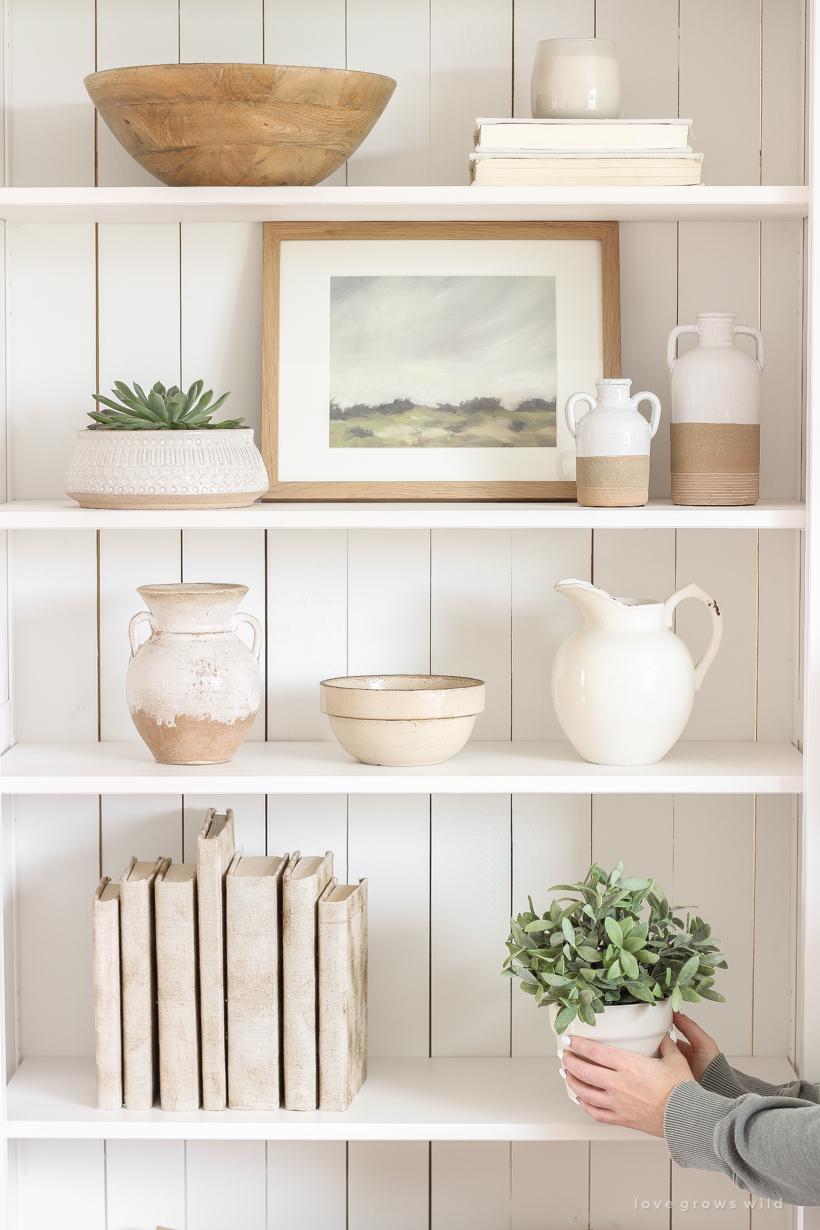

The seasons have a way of asking for small shifts – a warmer light, a cooler palette, a new texture under your fingertips – and your shelves are one of the simplest stages for that change. But swapping out every object in sight can quickly tip a carefully curated nook into chaotic clutter.The trick isn’t more stuff; it’s better choices: pieces that nod to the season without overwhelming the eye or the space.
This article will guide you through a thoughtful approach to seasonal shelf styling that favors restraint, rhythm, and purpose. You’ll learn how to edit with intention, layer scale and texture, use color and natural elements to signal the season, and incorporate smart storage and rotation strategies so your shelves feel fresh all year long - never crowded. Think of this as a seasonal wardrobe for your shelves: selective, adaptable, and always in tune with the room.
Choose a Seasonal Color Story and Select Two Anchor Pieces
Start by choosing one dominant color that captures the season-think warm terracotta for autumn, crisp sage for spring, or cool indigo for winter-and then limit your palette to 3-4 complementary tones to keep the shelf calm and cohesive. Use a small, repeatable formula to guide decisions:
- Dominant: the color that sets the mood (large background item or art).
- Accent: one or two brighter hues for small pops (candles, small vases).
- Neutral: a grounding shade (wood, linen, stone) for balance.
- Texture/Finish: matte,glossy,or metallic to add depth without extra color.
Once your palette is locked, pick two anchor pieces-one larger, one medium-to create a stable visual rhythm and prevent clutter. Rotate these seasonally so the shelf feels refreshed without a full overhaul:
- Large Anchor: a framed print,a low ceramic bowl,or a sculptural object that carries the dominant color.
- Medium Anchor: a textured vase, a small stack of neutral books, or a candle cluster in an accent tone.
Edit Ruthlessly and Embrace Negative Space to Keep Shelves airy
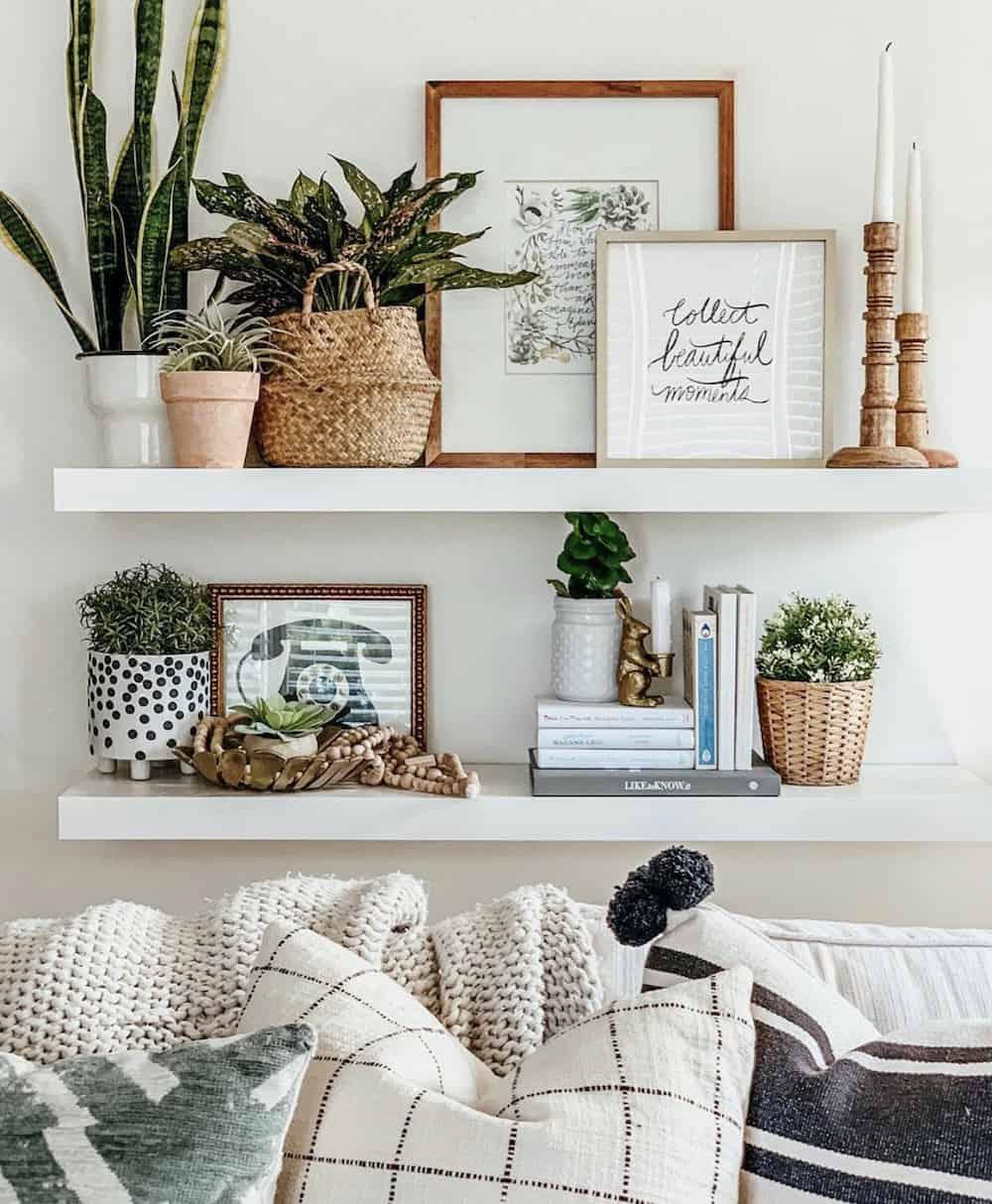
Editing is the design secret: remove anything that competes with your seasonal story so the pieces that remain can sing.Choose three to five anchors - a mix of texture, height and color – and tuck everything else into drawers or boxes; negative space isn’t empty, it’s intentional breathing room that makes accents feel intentional rather than crowded.
- Limit scale: one tall item, one medium, one low to keep sightlines calm.
- Repeat one motif (color, material, shape) to tie the shelf without filling it.
- Rotate,don’t add: swap a single piece each season so the shelf feels refreshed,not stuffed.
Think of empty space as a design tool: it highlights texture, casts shadows, and lets each object read like part of a gallery. Be willing to shelve the sentimental - store a few meaningful things out of sight and bring them back intentionally; the rare appearance makes them special rather than background noise.
| Season | Swap Out | Airy Tip |
|---|---|---|
| Spring | Dark throws → light linen | Group small blooms in one slim vase |
| Summer | Heavy ceramics → glass | Leave an open shelf for visual rest |
| Winter | Minimal accents → one cozy texture | Anchor with a single candle and space around it |
Play with scale and Shape to Create Balance Without Crowding
Think of your shelf as a miniature landscape where the eye needs pathways to move – use a contrast of sizes and varying silhouettes to guide that movement without overcrowding. Anchor one side with a taller, larger object (a sculptural vase or stack of oversized books), then counterbalance with a mid-sized group and a single small accent on the other side; leaving deliberate gaps creates breathing room and makes each piece feel intentional.
- Anchor: one large statement item
- Cluster: two or three mid-sized pieces at varying heights
- Accents: scatter one or two small textured items
- Pause: leave empty space to let the arrangement read
Mix shapes - tall and narrow against low and rounded – to add interest while keeping the overall silhouette calm; a blend of vertical, horizontal and circular lines prevents a crowded flat look.
| Scale Combo | Shape Pairing | Effect |
|---|---|---|
| Large + single | Tall cylinder + horizontal books | Grounding |
| Group of three | Mixed heights, organic forms | Rhythm |
| Small accents | Round frames, small greenery | Lightness |
After placing items, edit ruthlessly - remove anything that competes or repeats the same scale, and you’ll keep the display balanced and airy through every season.
Layer Textures and Natural Elements for Subtle Seasonal Change
Begin with a quiet foundation: think soft linens, warm wood tones and matte ceramics that let small accents sing. Layer in tactile pieces-a folded wool throw,a ribbed vase,a woven basket-so each shelf reads as a curated vignette rather than a storage zone. Keep shapes simple and colors restrained; texture becomes the season’s whisper rather than its shout, inviting touch and creating depth without adding clutter.
- Linen runner or folded cloth
- Small wool or knit throw
- Woven basket or tray
- Matte ceramic vase
- Raw wood accent or coaster
- Sea glass or small stone
Introduce natural finds with restraint-one sprig of eucalyptus, a cluster of dried grasses, a single bowl of citrus or a neat pile of pinecones depending on the season.These pieces signal change without crowding the eye; the trick is to swap one or two elements each month so the shelf evolves slowly. By balancing soft fabrics with organic accents, you create shelves that feel lived-in and seasonal, yet effortlessly tidy.
Rotate Small Accents and Use Smart Storage to Maintain Function
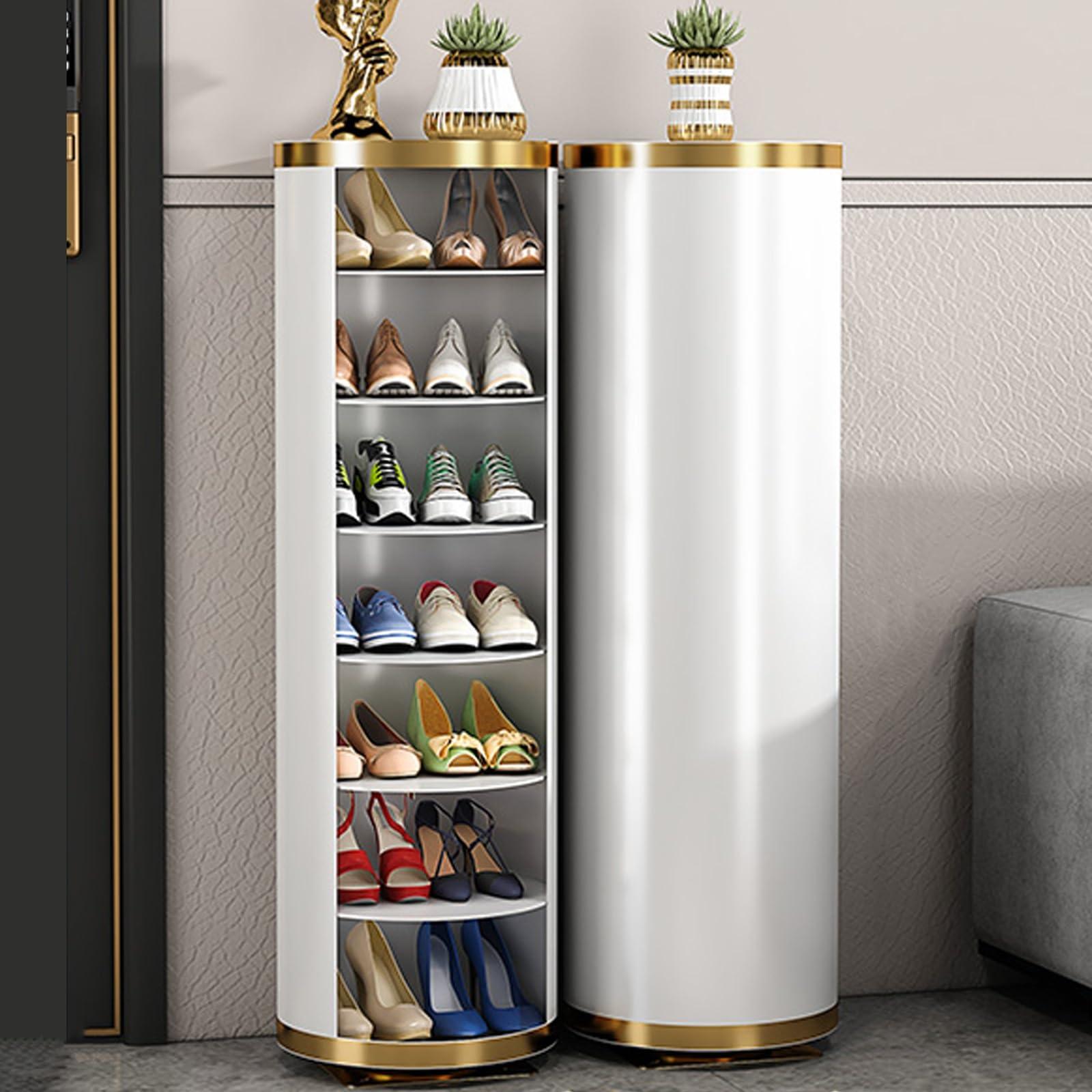
Think in seasons, not spectacles: swap tiny accents in and out rather than overfilling shelves with everything at once. Keep a shallow rotation box tucked nearby so you can exchange vases, frames and ceramic pieces in minutes-this simple habit creates visual breathing room while preserving the shelf’s original function for books, plants and daily-use items.Store off-season pieces in clear, labeled bins so you can see what’s inside at a glance; when space is tight, choose slim-profile containers that slide behind larger objects or beneath the lowest shelf to stay out of sight but within reach.
Adopt a few small rules to keep styling fast and clutter-free, then let the accessories do the seasonal storytelling:
- Rotate regularly: swap one or two pieces each week to keep the display fresh.
- Three-item rule: limit accents per shelf to avoid visual noise.
- Use smart storage: stackable baskets and shallow trays save space and simplify swaps.
- Label clearly: season + room on every bin for instant retrieval.
- Photo your setups: a quick snapshot helps recreate balanced arrangements later.
The Way Forward
As the light shifts and the calendar turns, your shelves can be gentle storytellers rather than crowded catch-alls. Keep one clear rule in mind: edit more than you add. A restrained palette, a few well-chosen textures, and pockets of empty space will let seasonal pieces breathe and speak. Rotate objects with intention,mix in functional storage,and let the shelf reflect the mood of the moment rather than every impulse.Start small-swap a stack of books for a leafy vase, or trade heavy ceramics for a strand of twinkle lights-and observe how less can feel fuller. Over time you’ll develop a rhythm: seasonal gestures that refresh without clutter. well-styled shelves are invitations to notice the world outside your window as much as the items inside your home.