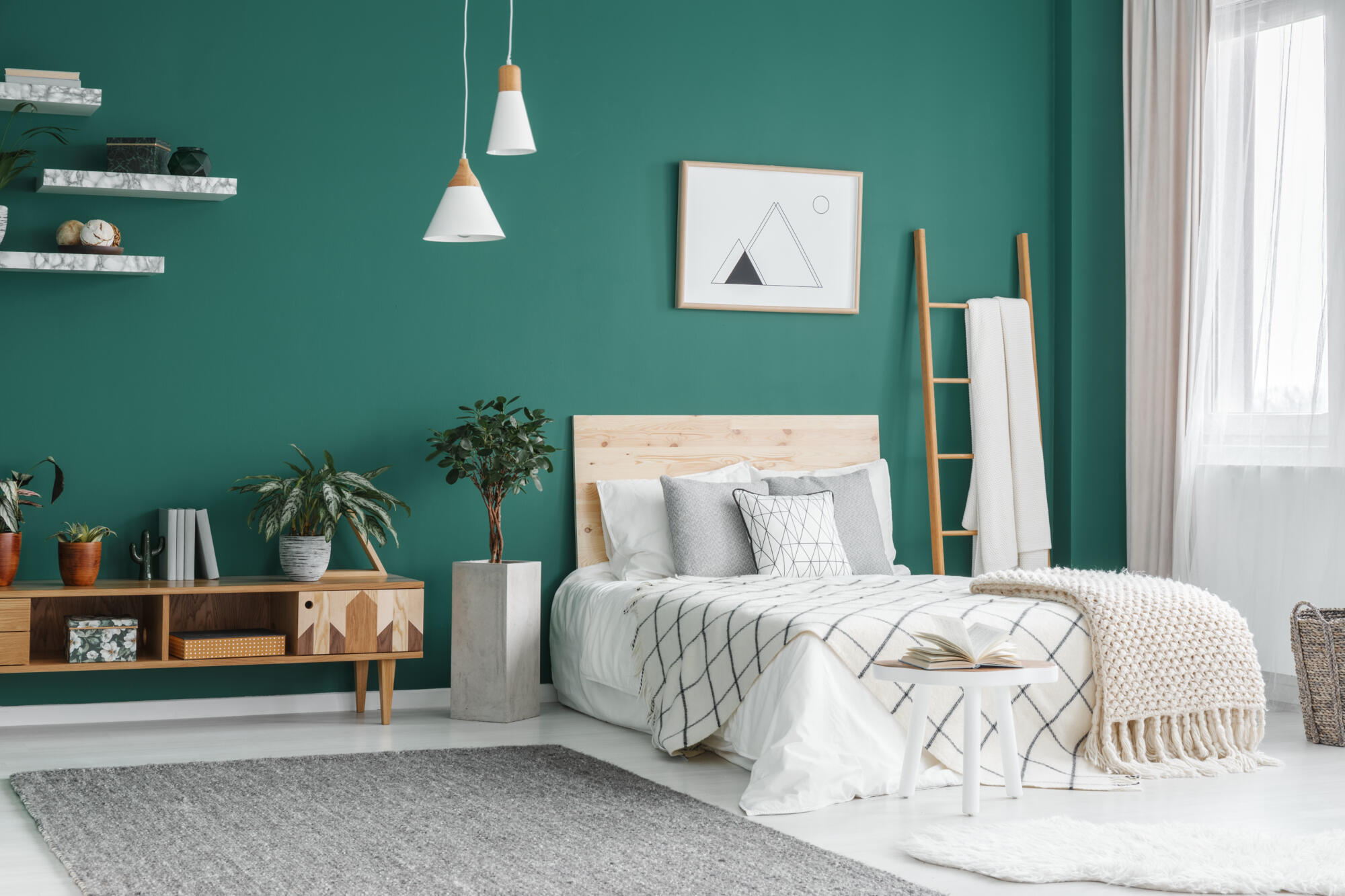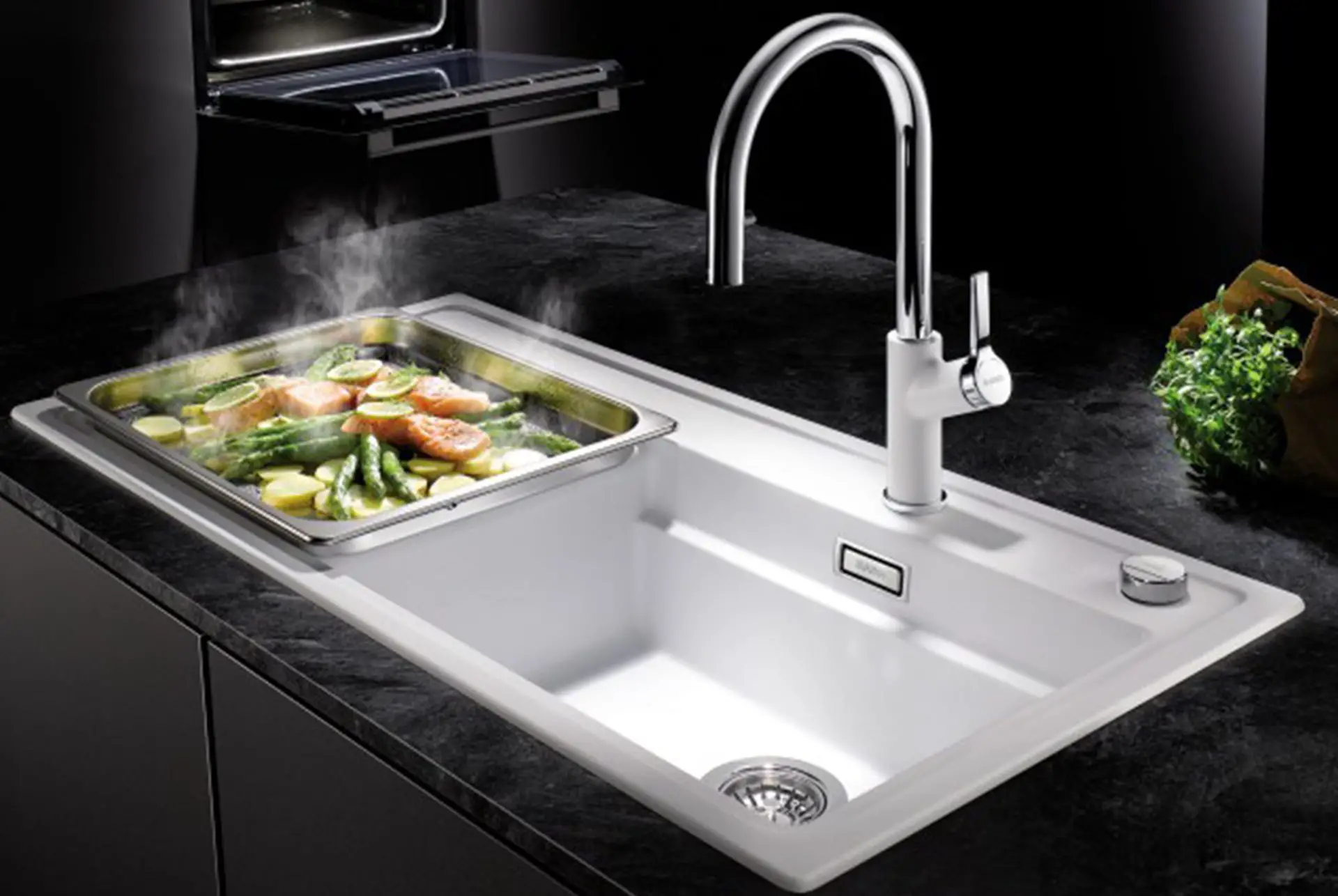

Designing a small home or apartment can feel restrictive at first—but with the right interior design approach, compact spaces can be transformed into stylish, comfortable, and highly functional homes. Smart design choices help maximise space, improve flow, and create a sense of openness without sacrificing personality or practicality.
Whether you’re living in a city apartment or a compact townhouse, thoughtful planning – and, where needed, guidance from experienced interior designers in Melbourne – can make a noticeable difference to how your home looks and feels day to day.
Start with Purpose-Driven Design
In smaller homes, every square metre needs to work hard. Before choosing colours or furniture, take time to understand how each space is used. Ask yourself:
- Does this room need to serve more than one function?
- Where does clutter tend to accumulate?
- What activities happen here daily?
Designing with purpose ensures that each element supports your lifestyle rather than simply filling space.
Use Light and Colour to Create Space
Light colours are one of the most effective tools for making small interiors feel larger. Soft whites, warm neutrals, pale greys, and light timber tones reflect natural light and visually open up rooms. To enhance this effect:
- Keep window coverings light and minimal
- Use mirrors to bounce light around the room
- Avoid heavy contrasts that visually break up the space
Darker colours can still be used, but they work best as accents rather than dominant wall colours.
Choose Furniture with the Right Scale
Oversized furniture can overwhelm a small room, even if the layout is technically functional. Selecting pieces that suit the scale of the space helps maintain balance and flow. Look for:
- Slim-profile sofas and armchairs
- Furniture with exposed legs to create visual lightness
- Round or oval tables that soften tight corners
Multi-functional furniture—such as ottomans with storage or extendable dining tables—is especially valuable in apartments.
Maximise Smart Storage Solutions
Storage is often the biggest challenge in small homes, but clever solutions can dramatically improve liveability. Effective storage ideas include:
- Floor-to-ceiling cabinetry to reduce visual clutter
- Built-in joinery that utilises awkward corners
- Under-bed, under-seat, and wall-mounted storage
Custom storage solutions can be particularly effective in apartments where layouts are unconventional or space is limited.
Make the Most of Vertical Space
When floor space is at a premium, vertical space becomes invaluable – drawing the eye upward helps rooms feel taller and less confined. Consider:
- Tall shelving units or cabinetry
- Wall-mounted desks or bedside tables
- Full-height splashbacks or wardrobes
Vertical design elements not only increase storage but also add visual interest.
Define Zones in Open-Plan Living Areas
Many small homes rely on open-plan layouts, but without clear zoning, these spaces can feel undefined or cluttered. You can create zones by using:
- Rugs to anchor living or dining areas
- Different lighting styles for each zone
- Furniture placement instead of walls
Zoning maintains openness while giving each area a clear purpose.
Keep Styling Minimal but Intentional
In compact spaces, less is almost always more. Instead of filling every surface, focus on a few well-chosen decorative elements. Good styling practices include:
- Limiting decorative items to key focal points
- Choosing artwork that complements the colour palette
- Avoiding visual clutter on benchtops and shelves
Intentional styling allows the space to breathe while still reflecting your personality.
Use Consistent Materials and Finishes
Consistency is key in small interiors. Repeating materials, colours, and finishes across rooms creates a cohesive flow and prevents the space from feeling fragmented. For example:
- Carry the same flooring through living areas
- Repeat timber tones or metal finishes
- Keep cabinetry colours consistent across rooms
This continuity visually enlarges the home and improves overall harmony.
Small homes and apartments don’t need to feel cramped or compromised
With smart planning, thoughtful furniture choices, and clever use of light, colour, and storage, compact spaces can be just as functional and beautiful as larger homes. Whether you’re updating a single room or rethinking your entire layout, a strategic interior design approach can completely change how your space feels—making it more comfortable, practical, and enjoyable to live in every day.