
Travertine floors bring age, movement, and history into modern spaces in a way few materials can. Considering them usually means you’re chasing warmth, character, and a sense that your home belongs in a Mediterranean villa rather than a showroom. You’re not just picking floor tiles. You’re choosing a feeling.
But most homeowners worry about maintenance. Fears about natural stone staining, scratching, or wearing unevenly cause many to hesitate. If you’re having second thoughts about travertine floor tiles, this article may help you decide.
Tackling Functional and Aesthetic Concerns
A travertine look porcelain tile gives you the visual drama of stone with far less vulnerability to spills, etching, or everyday traffic. If upkeep anxiety is what’s holding you back, this option directly tackles that problem. You still get soft movement, subtle patterning, and that earthy warmth, but in a tougher, more predictable material.
You can place it in busy kitchens, hallways, or darker rooms without the same stress you’d feel with real stone. For many homeowners, it becomes a practical gateway into the travertine aesthetic, especially if you love the look but want easier cleaning and fewer long-term commitments.
What Travertine Is
True travertine is a sedimentary stone formed around hot springs, where calcium carbonate settles into layered patterns over thousands of years. That origin explains its natural texture, tiny pits, and visible movement. Those features give travertine floors depth that flat, manufactured materials rarely match.
Because it’s shaped by water and minerals, you’ll sometimes see mineral deposits woven through the surface. Rather than flaws, they read like fingerprints of the earth. They’re part of why designers prize this stone for homes that lean traditional, organic, or rustic-lux.
The Beauty You’ll Get
Before diving into specifics, remember this: travertine rarely looks “new.” It looks lived-in, layered, and intentional. That’s its greatest strength.
Pros of travertine floors:
- Warm rich tones that soften modern interiors
- Soft color variation that hides minor dirt and wear
- A timeless look that complements both minimalist and ornate spaces
- A cool surface underfoot in warm climates
These qualities make travertine especially appealing if you want a home that feels welcoming rather than stark. It pairs beautifully with wood, metal, and natural fabrics, so your design choices feel cohesive instead of forced.
After you absorb those benefits, it becomes clear why travertine remains a favorite for people who want character, not perfection.
The Trade-Offs You’ll Live With
No material is flawless, and travertine is no exception. Loving it means accepting a bit of unpredictability.
Cons to consider:
- Vulnerability to staining without proper sealing
- Natural pores and surface crevices that need care
- Susceptibility to etching from acidic liquids
- Periodic resealing and maintenance
These downsides don’t make travertine bad. They simply make it high-maintenance in certain settings. If you’re comfortable with that reality, the payoff can be stunning. If not, porcelain alternatives start to look more attractive.
Surface Textures and Cuts
One of travertine’s joys is choice. You can select brushed travertine for a weathered, slightly rugged feel, or opt for polished travertine tiles if you want shine and elegance.
If glare isn’t your thing, honed travertine tiles offer a smooth, matte finish that feels calm and modern. A vein cut polished layout emphasizes long, linear movement, while cross-cut styles highlight swirling patterns. These different surface textures let you control whether your space feels formal, relaxed, or somewhere in between.
You might also encounter Roman travertine, known for its classic beige hues, or yellow sienna travertine, which leans warmer and more golden. Each variation subtly shifts the mood of your room.
Styling Room by Room
In a living room, travertine grounds the space with warmth and sophistication. It looks good whether your room is neutral or colorful, acting as a quiet backdrop that lets furniture and art shine.
A travertine bathroom feels spa-like when paired with glass showers, matte fixtures, and crisp linens. Using matching wall tiles behind a vanity can create visual continuity without feeling heavy.
If you want to create a classic kitchen, travertine floors pair beautifully with quartz countertops, glazed cabinets, and high-quality inset cabinets. The contrast between smooth cabinetry and textured stone adds depth without visual chaos.
Many homeowners also experiment with a French pattern, mixing tile sizes for an old-world layout that feels artisanal rather than mass-produced.
Choosing the Right Color
When selecting travertine, think in terms of color palettes, not just individual tiles. Cooler beiges feel modern and airy, while warmer tones lean traditional and cozy.
In darker rooms, lighter stones open up the space. In bright, sunlit areas, deeper hues can add drama without feeling heavy. Your lighting, furniture, and wall colors all influence how the stone ultimately reads.
Outdoor Possibilities
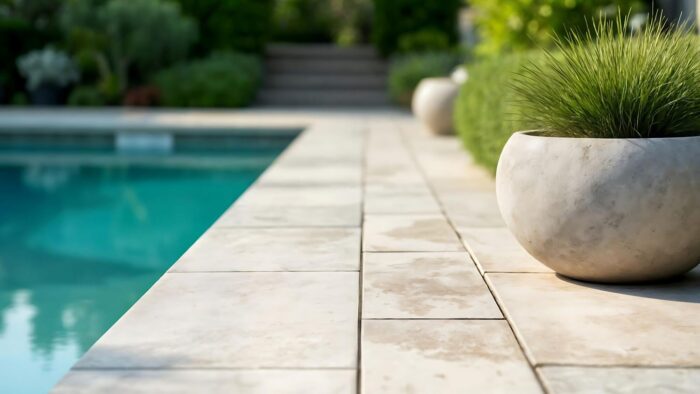
Travertine also shines in outdoor spaces. Its naturally slip-resistant surface makes it popular for patios, pool decks, and garden paths. Because it’s durable in heat, it performs well in many outdoor applications.
Imagine stepping from a travertine living room onto a matching terrace. The transition blurs the line between indoors and out, creating a cohesive flow through your home.
Just remember that outdoor travertine still benefits from sealing and periodic care, especially in wet climates.
How Much You’ll Likely Pay
Tile flooring installation costs anywhere from USD$ 15 to USD$ 20 per square foot, depending on the room and tile sizes, and work complexity. Your final price can shift based on the stone you choose, the pattern you lay, and whether your subfloor needs preparation. Complex layouts like a French pattern or intricate borders naturally increase labor costs.
Caring for Your Investment
Maintenance starts with a good penetrating sealer, which helps protect against spills and moisture. You’ll still want a gentle cleaning solution, ideally a pH-neutral cleaner, to avoid dulling the surface.
Regular sweeping keeps grit from scratching the stone, while occasional deep cleaning prevents buildup in grout lines and pores. Your floors age gracefully rather than deteriorate if you stay consistent.
The key mindset? Treat travertine like fine furniture, not utility flooring.
Conclusion
Travertine floors ask you to embrace imperfection, but they reward you with beauty, depth, and personality that few materials can rival. You’ll gain warmth, texture, and timeless style, especially if your home leans toward natural materials and classic design.
If you’re willing to care for it thoughtfully, travertine can transform ordinary rooms into spaces that feel intentional, lived-in, and undeniably elegant.