Many homeowners are looking for ways to reduce monthly utility bills while making their homes more comfortable and efficient. While simple habits like turning off lights and adjusting thermostat settings can help, long-term energy savings often come from strategic home improvements. Investing in energy-efficient upgrades can lower operating costs, improve comfort, and even increase property value. Working with a qualified HVAC contractor can help homeowners identify the most effective upgrades for their specific needs and budget.
Upgrade to a High-Efficiency HVAC System
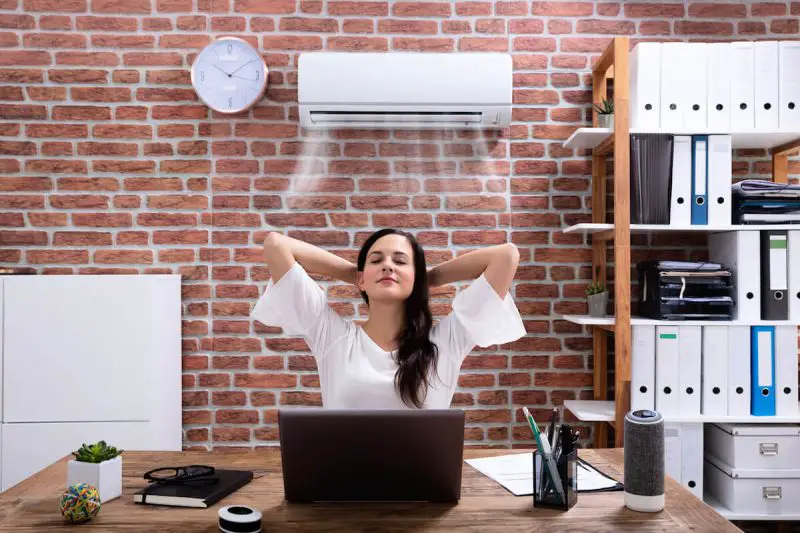
One of the most impactful investments a homeowner can make is upgrading an aging heating and cooling system. Older HVAC equipment often consumes significantly more energy than modern high-efficiency models.
Today’s systems are designed to deliver better performance while using less electricity or fuel. If your current equipment is more than 10 to 15 years old, consulting an HVAC contractor about replacement options may lead to substantial energy savings over time. Although the upfront investment can be significant, lower utility bills often help offset the cost in the years ahead.
Install a Smart Thermostat
Smart thermostats have become increasingly popular because they provide an easy way to improve energy efficiency. These devices allow homeowners to create customized schedules that automatically adjust temperatures based on occupancy and daily routines.
Rather than heating or cooling an empty home, a smart thermostat helps ensure energy is only used when needed. Many models also provide energy reports and recommendations that help homeowners further reduce consumption.
Improve Insulation
A home’s insulation plays a critical role in maintaining comfortable indoor temperatures. Poor insulation allows heated and cooled air to escape, causing HVAC systems to work harder throughout the year.
Adding insulation to attics, walls, and crawl spaces can reduce energy loss and improve overall efficiency. Proper insulation helps keep homes cooler in the summer and warmer in the winter, reducing the demand placed on heating and cooling equipment.
Seal Air Leaks
Even small gaps around windows, doors, and utility penetrations can contribute to significant energy waste. Air leaks allow conditioned air to escape while permitting outdoor air to enter the home.
Sealing these leaks with weatherstripping and caulk is often one of the most cost-effective energy improvements available. This simple upgrade can provide immediate savings while enhancing indoor comfort.
Upgrade Windows and Doors
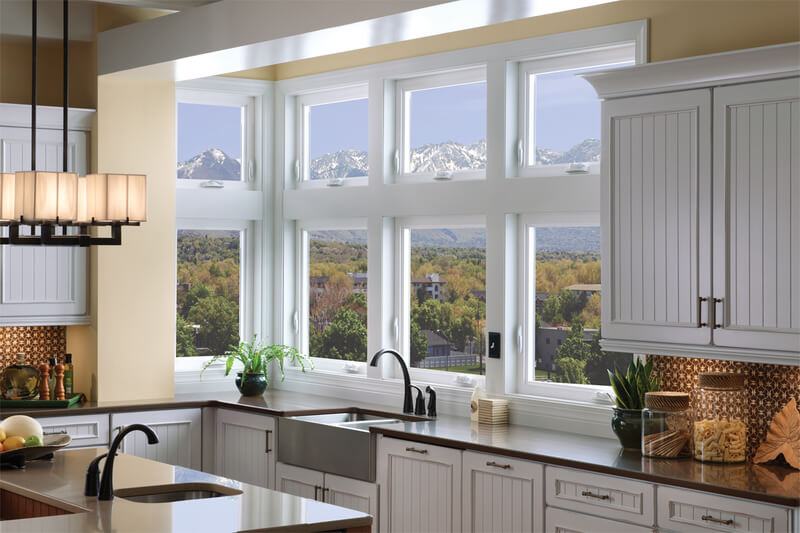
Older windows and doors can be major sources of heat transfer. Modern energy-efficient windows are designed to reduce heat gain during summer and heat loss during winter.
While replacing windows requires a larger investment, the long-term benefits often include lower energy costs, improved comfort, and increased home value. Energy-efficient doors can provide similar advantages by helping maintain a consistent indoor environment.
Maintain Existing Systems
Not all energy-saving investments require major upgrades. Routine maintenance is one of the most affordable ways to improve efficiency and extend equipment lifespan.
Regular inspections, filter changes, and tune-ups performed by an experienced HVAC contractor help ensure heating and cooling systems operate at peak performance. Well-maintained equipment typically uses less energy and experiences fewer breakdowns than neglected systems.
Think Long-Term
Energy-efficient home improvements often provide benefits far beyond lower utility bills. Many upgrades increase comfort, reduce wear on household systems, and contribute to a more sustainable home.
By investing in efficient HVAC equipment, insulation, smart technology, and routine maintenance, homeowners can enjoy meaningful energy savings for years to come. Working with a knowledgeable HVAC contractor can help prioritize upgrades that deliver the greatest return on investment and support long-term home efficiency goals.