People invest in home security in different ways. Some homeowners prefer the analog-only approach that focuses on things like deadbolt locks and security glass. Others combine analog strategies with electronic home security. Still others do little more than keeping their landscaping in good shape and making sure their doors and windows are always locked. Here’s the big question: what does protecting your home mean to you?
This post was prompted by Vivint Home Security’s new HomeProtect package. The package is promoted as “the perfect home security foundation” on the company’s website. I take that to mean that a homeowner looking to install electronic home security could start with HomeProtect and then build on it.
Using HomeProtect as a foundation could also mean combining it with additional strategies and methods. But again, we go back to the same question. What does protecting one’s home mean to a particular homeowner?
Burglary: Still a Common Crime
Although burglary rates have declined by a stunning 69% since 2005, burglary is still a common crime in America. Combined with package theft – which is considered larceny – it is a motivating factor for many consumers who ultimately invest in electronic home security.
Think of it this way: home security systems were once referred to as burglar alarms. First-generation security systems were equipped with window and door sensors, a CCTV camera or two if you could afford it, and a very loud alarm. In the event of a burglary, the alarm would sound while the system sent signals to a remote monitoring center.
People who wanted home security systems but could not afford monthly monitoring still had the benefit of the alarm. The alarm was noisy and annoying enough to get attention. Someone in the neighborhood would call the police, and that was that.
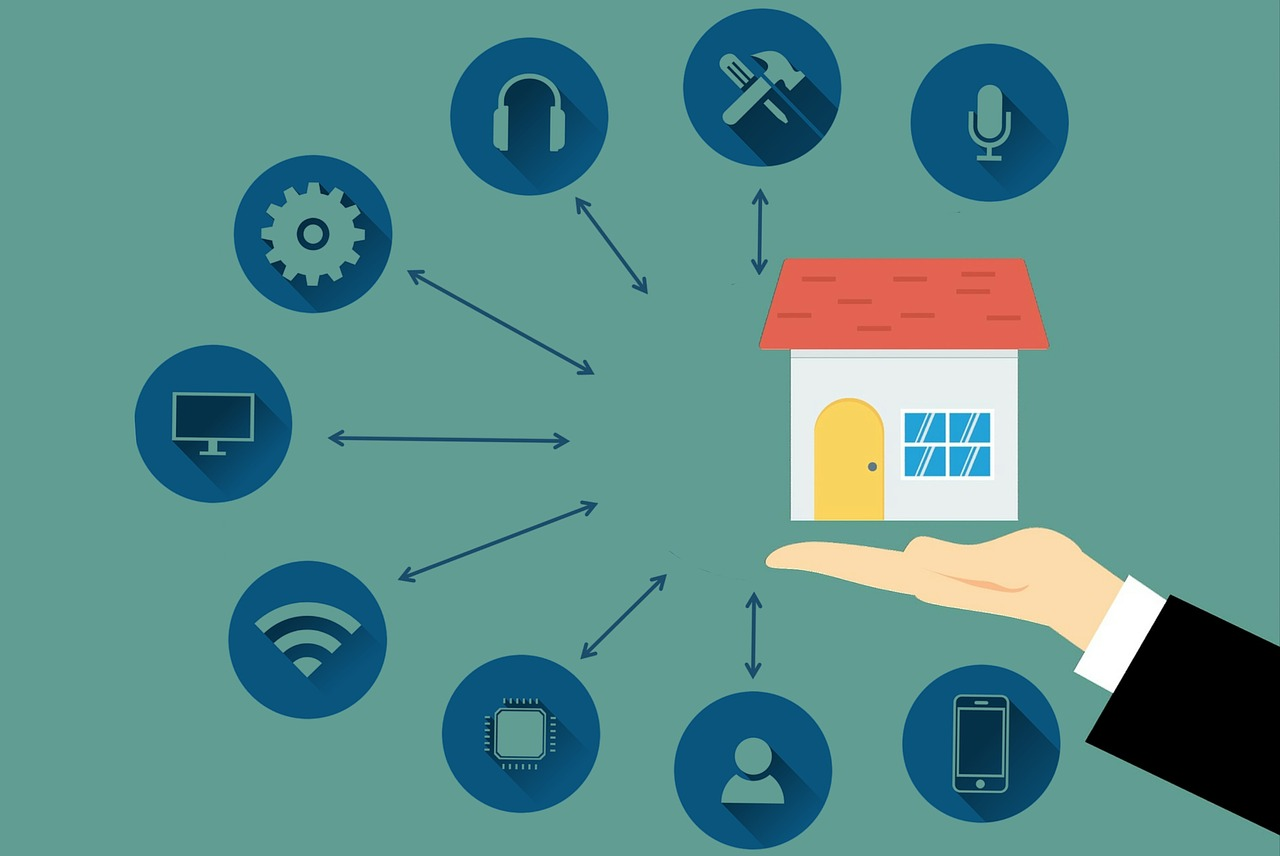
Modern systems still make noise. But they offer additional features like wireless cameras, mobile monitoring, motion sensors, and even full integration with a home automation system. So if that is what you are after, something like HomeProtect can be the foundation of your electronic system.
Protecting Your Car
Although state law doesn’t always differentiate between burglarizing a home and a car, many homeowners do. We don’t typically think of someone breaking into a car when we talk about burglary. Nonetheless, you may believe that protecting your car is part of protecting your home.
To that end, electronic home security could prove helpful. Exterior video cameras providing a clear view of the driveway act as a deterrent as long as burglars know they are being watched. Vivint takes that principle one step further. Some of their cameras are built with onboard alarm systems that alert when triggered, letting burglars know they’ve been caught.
Even cars parked in the garage can be made safer with a home security system. A system equipped with a garage door sensor and automated door can be programmed to close and secure the door based on any set of conditions. Even if a homeowner forgets to close the door at the end of the day, the system will do it for him. His car is safer for it.
Keeping an Eye on the Kids
Maybe protecting your home includes keeping an eye on the kids when you are away. Think of those afternoon hours between the time your kids get home and you arrive home from work. A home security system equipped with smart locks and door sensors can alert you to the kid’s arrival after school. You will know they got home safe and sound.
Meanwhile, strategically placed interior cameras let you check in. You can make sure the kids are doing their homework, getting their chores done, or enjoying video games in the family room.
All of this is made possible through electronic home security. And it is all doable using HomeProtect as the foundation. But for some homeowners, protecting their home is not about electronics at all. It is about other things.
Making the Effort to Defend
There is a certain segment of the population that will likely never invest in electronic home security. Their thinking is that protecting a home is more about the effort to defend than the actual tools used. Such thinking suggests that a homeowner uses whatever tools are most effective given his circumstances.
For example, one of the easiest ways to defeat a burglar is to make it as difficult as possible to break in without being detected. Burglars like to get in quickly and without drawing any attention to themselves. That’s why so many have no compunction about walking through neighborhoods and checking door handles. If they can find an unlocked door, they can quickly slip inside undetected.
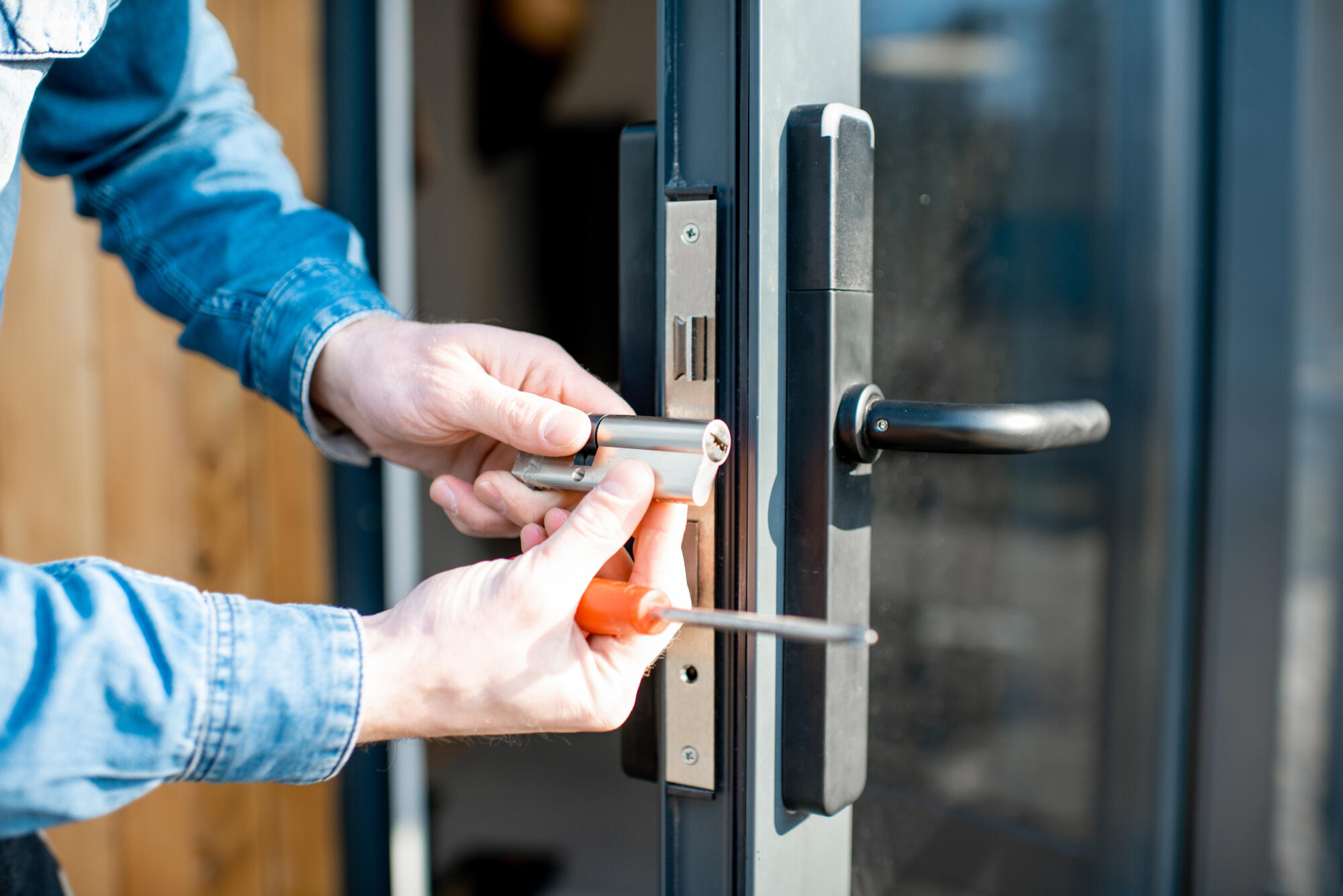
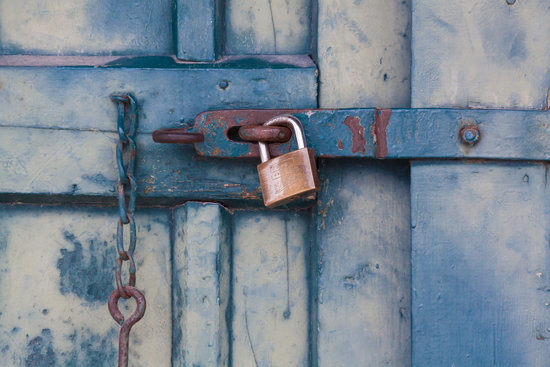
Things like deadbolt locks, security glass, thorny shrubs, and motion-activated lighting make it harder for a burglar to enter a home undetected. Given the choice between a well-defended home and one that is barely defended at all, most burglars will choose the latter.
While electronic home security is a valuable tool and one many find worthwhile, it is not the be-all and end-all of home security. It’s very possible to defend your home against all sorts of crime using no electronics at all.
Don’t Forget the Other Threats
It is impossible to have a discussion of this nature and talk only about property crimes. There are other things that need a homeowner’s attention. For example, does protecting your home include fire and carbon monoxide protection? It should.
Fire and carbon monoxide poisoning injure thousands of people every year. Unfortunately, people die from both, too. Yet a minimal investment in smoke and CO detectors can save lives and prevent injury. Best of all, detectors can be installed separately from electronic home security. You don’t have to have a security system to be alerted to smoke and carbon monoxide.
Protecting one’s home means different things to different people. What does it mean to you? Does it mean starting with an electronic home security system as a foundation, or are you more interested in analog solutions?