
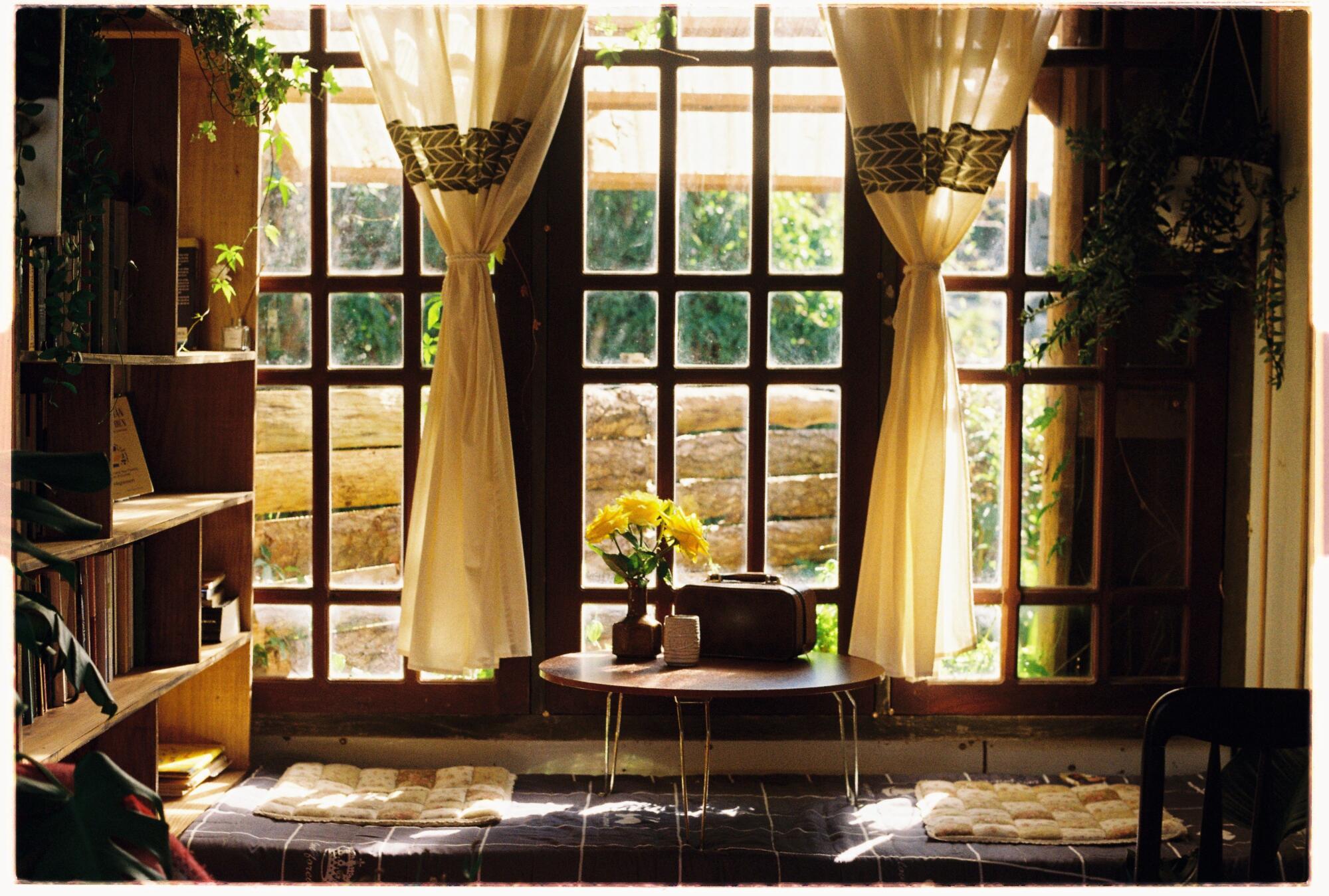
Windows do more than frame a view or bring sunlight into a room. They influence how comfortable your home feels, how hard your heating and cooling systems work, and how much energy you use throughout the year.
If you’ve ever sat beside a window on a cold morning and felt a chill, or noticed a room heating up dramatically in the afternoon sun, you already know how much windows can affect indoor comfort. Older windows, poorly sealed frames, and unsuitable glass can allow unwanted heat transfer even when the rest of your home is well insulated.
Replacing them with energy-efficient windows can help reduce drafts, improve temperature consistency, and make better use of natural light. However, choosing the right option involves more than comparing prices or selecting the glass with the most panes.
Window performance depends on several factors, including climate, glass coatings, frame materials, window orientation, and installation quality. Understanding these details helps you choose windows that work for your home rather than paying extra for features you may not need.
Why Energy-Efficient Windows Matter
A window creates a connection between your indoor environment and the outdoors. That connection is valuable for daylight and ventilation, but it can also become a weak point in your home’s thermal envelope.
In winter, heat can escape through glass and frames. During hot weather, outdoor heat can enter, especially through windows exposed to direct sunlight. Small gaps around the frame can also allow outside air to leak indoors.
Energy-efficient windows are designed to manage these issues more effectively.
Better indoor comfort
High-performance windows can reduce cold spots near the glass, limit drafts when properly sealed, and help maintain more consistent indoor temperatures.
This can make living rooms, bedrooms, and home offices more comfortable without constantly adjusting the thermostat.
Potential energy savings
When less heat enters or escapes through your windows, your heating and cooling systems may not need to work as hard. The actual savings depend on your climate, existing windows, insulation, air leakage, and household energy use.
Windows are not a guaranteed shortcut to dramatically lower utility bills. Their value comes from improving the performance of the whole home.
Reduced condensation and improved usability
Interior condensation can develop when warm, moist indoor air meets a cold window surface. Better-insulated glazing can keep the interior glass warmer and reduce condensation under suitable conditions.
However, condensation can also be caused by high indoor humidity, inadequate ventilation, or other moisture problems. New windows alone will not solve every moisture issue.
Understand Window Energy Ratings Before You Buy
One of the easiest ways to compare windows is to look beyond the product description and examine its performance ratings.
Two windows may look almost identical but behave very differently once installed. Energy ratings help explain why.
U-factor: How well a window resists heat transfer
The U-factor measures how readily heat passes through the entire window assembly. It includes the effects of the glass, frame, and other components.
A lower U-factor generally means better insulation.
This rating matters particularly in cold climates, where retaining indoor heat is a priority. If you live somewhere with cold winters, compare the U-factors of the complete window units rather than relying on the advertised performance of the glass alone.
Solar heat gain coefficient: How much solar heat enters
The solar heat gain coefficient, commonly called SHGC, measures how much solar heat a window allows into the home.
It is expressed as a number between 0 and 1. A lower SHGC means less solar heat enters through the window, while a higher value allows more solar heat gain.
Which is better depends on your climate and the window’s orientation.
- Hot, sunny climates: A lower SHGC can help limit unwanted heat from direct sunlight.
- Cold climates: A higher SHGC may be useful where passive solar heating is desirable, provided glare and summer overheating are managed.
- Mixed climates: The right balance depends on seasonal conditions, shading, and which direction the windows face.
A low U-factor and a low SHGC are not interchangeable. One addresses heat transfer through the window, while the other describes solar heat entering through it.
Visible transmittance: How much daylight gets through
Visible transmittance, or VT, measures how much visible light passes through a window.
Higher VT generally means more daylight enters the room. This can be especially useful in spaces where you want natural light without relying heavily on artificial lighting.
The challenge is finding a balance between daylight, glare control, privacy, and solar heat gain.
Air leakage: How well the window seals
Air leakage describes how much air passes through gaps in a window assembly under specified testing conditions.
A well-designed window with a good air seal can still underperform if it is installed poorly. Ask for documented performance information rather than assuming every window in the same price range offers comparable protection against drafts.
Choose the Right Glass for Your Climate
The glass package has a major influence on window performance. Fortunately, several technologies can improve insulation and solar control without sacrificing the benefits of natural light.
Double-pane windows
Double-pane windows contain two panes of glass separated by a sealed space. That space is commonly filled with air or an insulating gas.
Compared with many older single-pane windows, double-pane units can substantially improve insulation and reduce temperature differences near the glass.
For many homes, they offer a practical balance of performance, availability, and cost.
Triple-pane windows
Triple-pane windows use three panes of glass, creating two insulating spaces.
They can provide better thermal performance and improved interior comfort in demanding climates. Some configurations may also offer useful sound reduction.
However, triple-pane windows generally cost more and can weigh more than comparable double-pane products. They may not provide enough additional benefit to justify the premium in every climate or home.
Compare the tested ratings of specific products instead of assuming that three panes automatically make a window the best choice.
Low-E glass coatings
Low-emissivity, or Low-E, coatings are thin layers applied to glass to control the movement of heat.
Depending on the coating, Low-E glass can help reflect heat back toward its source while allowing useful daylight to enter. Different coatings are designed for different climates and solar conditions.
For example, a coating selected for a cold climate may emphasize retaining indoor heat while permitting useful solar gain. A product intended for a hot climate may focus more on reducing solar heat entering the home.
Ask the manufacturer which Low-E configuration is appropriate for your location and window orientation.
Insulating gas between panes
Argon and krypton are gases sometimes used between panes of glass to improve insulation compared with ordinary air.
Argon is widely used in residential windows. Krypton can offer advantages in certain narrower insulating spaces but is often more expensive.
Gas fill is only one part of the equation. The spacer system, glass coatings, frame design, and quality of the sealed unit also affect overall performance.
Select Window Frames That Suit Your Home
Glass often gets the most attention, but frame materials also affect insulation, durability, maintenance, and appearance.
Vinyl frames
Vinyl windows are popular because they generally require little maintenance and are available at a range of price points.
Their thermal performance varies by design. Multi-chambered frames and other construction details can influence how effectively they resist heat transfer.
Fiberglass frames
Fiberglass frames are dimensionally stable and can perform well across changing temperatures. They are often available in configurations that combine strong insulation with a clean, modern appearance.
They may cost more than some vinyl options, so compare the overall window ratings and warranty rather than choosing on material alone.
Wood frames
Wood provides a traditional appearance and naturally offers useful insulating properties. However, exterior protection and routine maintenance are important for long-term durability.
Cladding the exterior with a protective material can reduce maintenance while retaining the interior look of wood.
Aluminum frames
Aluminum frames are strong and can support slim sightlines, making them attractive for contemporary architecture.
Because aluminum conducts heat readily, thermally broken frames are particularly important when energy performance is a priority. A thermal break separates the interior and exterior portions of the frame to reduce heat transfer.
The practical rule: Compare complete window performance, not just frame materials. A well-designed unit with an appropriate frame and glazing package will generally be a better choice than a product selected by material reputation alone.
Match Window Performance to Each Room
Not every window in your home faces the same conditions. Orientation, shading, room use, and local weather all influence the best specification.
South- and west-facing windows
These windows can receive substantial direct sunlight, depending on your location and the surrounding buildings.
West-facing windows can be particularly challenging in hot climates because afternoon sunlight may coincide with high outdoor temperatures.
Consider solar-control glazing, exterior shades, overhangs, or appropriately placed trees to manage unwanted heat gain.
North-facing windows
In the Northern Hemisphere, north-facing windows typically receive less direct sunlight. They may benefit from glazing that prioritizes insulation and useful daylight without requiring as much solar control as heavily exposed windows.
Local conditions still matter, particularly where nearby buildings or reflective surfaces change the amount of sunlight reaching the glass.
Bedrooms and home offices
Comfort and glare control are important in rooms where people sleep, work, or spend long periods indoors.
Choose glazing based on insulation, daylight, privacy, and noise considerations. If outside noise is a concern, ask about acoustic performance and glass configurations designed for sound reduction.
Large picture windows
Large windows can create beautiful, light-filled interiors, but they also increase the area through which heat can move.
For large glazed areas, pay particular attention to the overall U-factor, SHGC, frame design, and shading strategy. Consider whether the room will receive excessive summer sun or lose too much heat during colder weather.
Installation Matters as Much as the Window Itself
Even an excellent window can perform poorly when installed incorrectly.
Gaps around the frame can allow drafts and moisture intrusion. Poorly managed flashing can direct water into the wall assembly, potentially causing damage that is difficult to see until it becomes extensive.
What a quality installation should include
A professional installation should address:
- Correct measurements and a suitable fit for the existing opening.
- Proper flashing and water management around the window.
- Appropriate air sealing between the window frame and the surrounding structure.
- Insulation of the installation gap using compatible materials.
- Correct operation, alignment, and drainage.
- Protection of interior and exterior finishes.
The specific method depends on the building, window type, and whether the work involves a replacement unit or a complete removal of the existing frame.
Replacement windows versus full-frame replacement
An insert replacement window fits into an existing frame that remains in place, provided that frame is suitable and in good condition.
A full-frame replacement removes the existing window frame and allows the installer to inspect more of the surrounding opening.
Insert replacement can preserve interior and exterior finishes, but it may not address concealed damage or deficiencies in the original frame. Full-frame work offers a more extensive opportunity to correct problems, although it can involve greater labor and finishing costs.
Ask the installer to explain which approach is appropriate and what will happen if hidden damage is discovered.
Avoid These Common Window-Buying Mistakes
Choosing windows can become confusing when sales materials emphasize a single impressive feature.
Watch out for these common mistakes:
- Choosing by price alone: A lower upfront price may come with weaker performance, limited warranties, or installation exclusions.
- Assuming more panes always win: Triple-pane glass may be unnecessary for some homes and climates.
- Ignoring SHGC: Excellent insulation does not automatically prevent excessive solar heat gain.
- Overlooking air sealing: A high-performance product cannot compensate for careless installation.
- Replacing windows before checking other problems: Attic insulation, wall insulation, air leaks, and poor ventilation may also contribute to discomfort.
- Comparing different ratings: Make sure products are evaluated using comparable testing standards and configurations.
- Skipping warranty details: Check coverage for the insulated glass unit, frame, hardware, labor, and installation-related issues.
A thoughtful comparison helps prevent overspending on features that offer little benefit to your particular home.
How to Choose Energy-Efficient Windows Step by Step
Before requesting quotes, identify what you want the new windows to accomplish.
- Assess your existing windows. Look for drafts, condensation between panes, damaged frames, difficult operation, or deteriorated seals.
- Identify your biggest comfort problem. Is the room too hot in the afternoon, too cold in winter, or uncomfortable because of drafts?
- Determine your climate needs. Consider winter temperatures, summer heat, humidity, and exposure to direct sunlight.
- Compare performance labels. Review U-factor, SHGC, visible transmittance, and air leakage where applicable.
- Evaluate frame and glazing options. Compare complete products with equivalent configurations.
- Request itemized installation quotes. Confirm whether the price includes removal, disposal, flashing, air sealing, insulation, trim, and finishing.
- Review warranties and certifications. Check product documentation, local requirements, and applicable independent ratings.
- Prioritize the biggest weaknesses first. Replacing the worst-performing windows may be more practical than upgrading every window at once.
If you are renovating an older home, have a qualified professional inspect the surrounding wall assembly when there are signs of water damage, rot, or recurring condensation.
Conclusion
Choosing energy-efficient windows is about matching real performance to the way your home is built and used.
Look beyond the number of panes and the appearance of the frame. Compare U-factor and SHGC, consider Low-E coatings and gas fills, and pay attention to daylight, orientation, and installation quality.
Just as importantly, remember that windows work as part of a larger building system. Air sealing, insulation, shading, ventilation, and moisture control all influence the results.
With the right specifications and a careful installation, new windows can help create a home that feels more comfortable, uses energy more effectively, and remains attractive for years to come.
Author Information
Author: NextBLDG
Author Bio: NextBLDG provides insights, ideas, and inspiration for modern living, home design, architecture, home improvement, real estate, technology, and lifestyle trends. The content focuses on helping readers make informed decisions while creating beautiful, functional, and future-ready spaces.
Key Takeaways
- Compare performance ratings, not just appearance. U-factor and SHGC are two of the most important measures when choosing energy-efficient windows.
- Choose windows for your climate. Cold regions often prioritize insulation, while hot, sunny locations benefit from effective solar heat control.
- Consider Low-E coatings. The right coating can help control heat transfer while preserving natural daylight.
- Don’t overlook the frame. Vinyl, fiberglass, wood, and thermally broken aluminum each offer different benefits.
- Installation quality is essential. Air sealing, flashing, and proper insulation help windows deliver their intended performance.
- More expensive isn’t always better. Compare complete product ratings and determine which features will make a meaningful difference in your home.
- Think about the whole house. Window upgrades work best alongside appropriate insulation, shading, ventilation, and moisture management.
FAQ Section
1. What are the most energy-efficient windows for a home?
The best windows depend on your climate, budget, and home’s design. Look for independently rated products with a low U-factor, an appropriate SHGC, effective air sealing, and glazing suited to your local weather conditions.
2. Are triple-pane windows worth the extra cost?
Triple-pane windows can provide improved insulation and comfort in colder climates. However, double-pane windows with effective Low-E coatings and insulating gas may provide sufficient performance in many homes. Compare actual ratings before paying more.
3. What is a good U-factor for energy-efficient windows?
A lower U-factor indicates better resistance to heat transfer. The appropriate target depends on your climate and local requirements. In the United States, ENERGY STAR provides climate-specific criteria to help homeowners compare suitable products.
4. Does Low-E glass make a noticeable difference?
Yes. Low-E coatings can reduce unwanted heat transfer and help control solar heat gain. The benefits depend on the coating selected, window orientation, climate, and the performance of the complete window unit.
5. Do energy-efficient windows reduce electricity bills?
They can reduce heating and cooling demand, potentially lowering energy bills. Actual savings depend on the condition of existing windows, local weather, energy prices, air leakage, insulation, and household heating and cooling habits.
6. Which window frame material is best for energy efficiency?
Vinyl, fiberglass, and well-designed wood frames can all provide good thermal performance. Aluminum frames can also perform effectively when they incorporate suitable thermal breaks. Compare the complete window’s tested ratings rather than choosing by frame material alone.
7. Should I replace all my windows at once?
Not necessarily. If your budget is limited, prioritize windows with damaged frames, persistent drafts, failed insulated glass, or significant exposure to unwanted heat gain or loss. A professional assessment can help identify the most important upgrades.
8. How can I tell whether new windows are properly installed?
Check that the windows operate smoothly, lock securely, and have consistent seals and finished joints. The installation should also include suitable flashing, air sealing, and insulation. Water intrusion, persistent drafts, or unexplained moisture around the frame warrant further inspection.
Visit: Nextbldg.com


