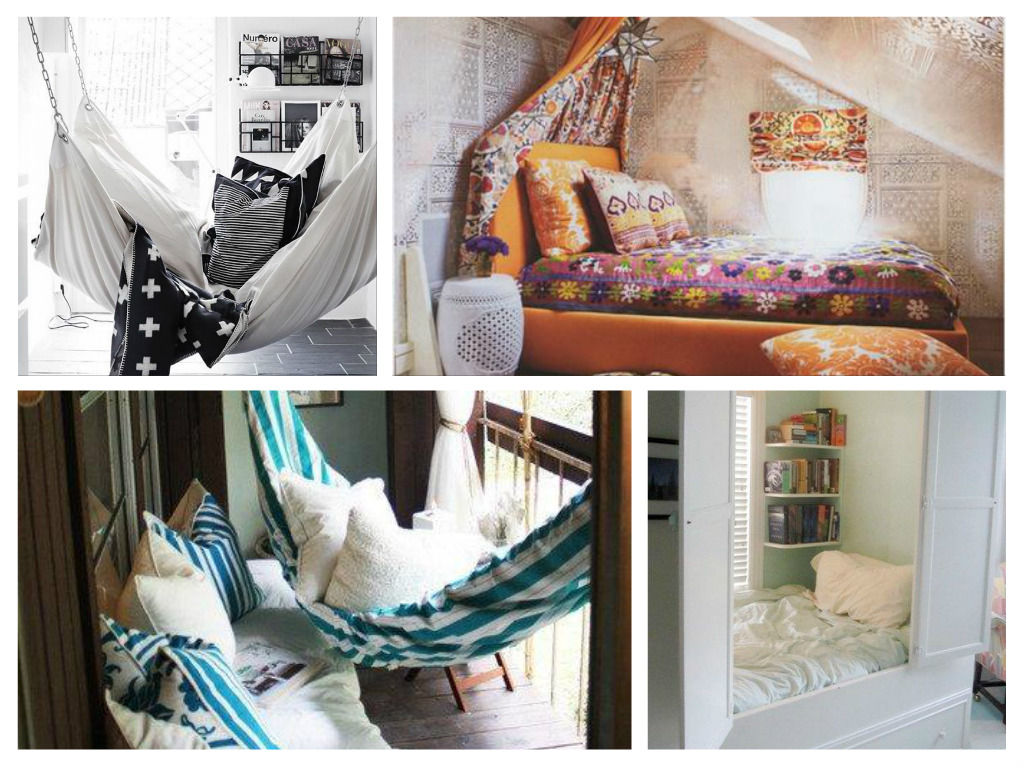

As teh dawn of a new year approaches, the air is thick with anticipation and the promise of fresh beginnings. It’s that time again when we find ourselves reflecting on the past while forging our aspirations for the future. If you’re a designer or simply someone passionate about aesthetics, 2025 offers a blank canvas for your creative endeavors. But let’s face it-many resolutions, especially in the realm of design, often slip into the abyss of good intentions before the end of January. This year, we’re inviting you to explore practical and innovative design resolutions that aren’t just lofty ideals but tangible goals you can truly achieve. From mastering new software to embracing lasting practices, thes resolutions will not only enhance your skills but also reignite your passion for design. Join us as we delve into strategies that promise to keep you motivated and on track throughout the year, transforming your aspirations into actionable steps that lead to lasting change.
Embracing Sustainable Practices for a Greener Aesthetic
In 2025, integrating sustainability into your design plans is not just a mere trend, but a transformative lifestyle choice that can redefine aesthetics while nurturing the planet. Adopting eco-friendly materials such as reclaimed wood, natural fibers, and low-VOC finishes, you can create spaces that reflect a commitment to the habitat. consider incorporating biophilic design elements that invite nature inside, enhancing not only visual beauty but also well-being. here are a few sustainable practices to make your designs both stylish and responsible:
- Use Energy-Efficient Lighting: Opt for LED fixtures to reduce energy consumption.
- Choose Local Suppliers: Supporting local artisans minimizes transportation emissions.
- incorporate Recycled Materials: Look for innovative uses of recycled metals and plastics.
- Design for Longevity: Create timeless pieces that withstand trend cycles.
- Utilize Smart Technology: Enhance efficiency through home automation systems.
To guide your sustainable journey, consider organizing your approach with a strategy table that outlines key aspects of your design beliefs:
| Aspect | Practice | Impact |
|---|---|---|
| Materials | Reclaimed and natural | Reduces waste and carbon footprint |
| Color Palette | Earth tones | Promotes tranquility |
| Textiles | Organic fabrics | Supports sustainable farming |
| Water Usage | Low-flow fixtures | Conserves water resources |
Implementing these practices not only elevates the aesthetic quality of your spaces but also makes a meaningful impact on environmental sustainability.By keeping these elements at the forefront of your design resolutions, you create a harmonious balance between beauty and duty, setting an inspiring example for others to follow.
Incorporating User-Centric Design Principles for Enhanced Experience
To truly enhance user experience in your designs, it’s vital to prioritize the needs and preferences of your audience right from the start of the design process. User-centric design embodies the philosophy of placing the user at the heart of every decision, which can significantly elevate engagement and satisfaction. Emphasizing this approach could involve conducting user interviews, applying A/B testing, and gathering feedback through interactive prototypes. By integrating these practices, you’ll not only foster loyalty among your users but also create an atmosphere of trust and understanding.
Additionally, employing visual hierarchy and intuitive navigation helps users interact with your content seamlessly.Here are some key design elements to consider:
- Clear call-to-Actions: Ensure each step guides users clearly to their next action.
- Responsive Design: Create designs that adapt effortlessly across devices and screen sizes.
- Consistent Branding: Maintain visual coherence to enhance recognition and user comfort.
Incorporating visual feedback-like animations and micro-interactions-can also create a sense of responsiveness, further enriching the user experience. Aim to minimize cognitive load by simplifying choices and focusing on usability to achieve a design that not only looks good but feels intuitive to navigate.

Leveraging Technology to Elevate Creative Solutions
In an era where creativity flourishes on digital platforms, harnessing technology becomes essential for innovative design resolutions. By embracing cutting-edge tools, creators can not only enhance their workflow but also expand their creative horizons. As a notable example, utilizing AI-driven design software can streamline repetitive tasks, allowing more time for brainstorming and ideation. Moreover, incorporating cloud-based collaboration tools enables teams to brainstorm and refine ideas in real time, breaking down geographical barriers. This synergy of technology and creativity fosters an environment where unique concepts can thrive and evolve into tangible solutions.
Adopting immersive technologies, such as virtual and augmented reality, can further elevate the creative process. These platforms allow designers to visualize their projects in a three-dimensional space, offering clients an engaging preview of the end result. For teams aiming to take their ideas to new heights, consider the following tools:
- Figma – for collaborative interface design
- Adobe Creative Cloud – for comprehensive design resources
- Canva Pro – for user-friendly graphics and presentations
By embracing these technologies, designers can effectively pivot their strategies, focusing not only on aesthetics but also on functionality and user experience. The integration of tech solutions paves the way for a future where creativity and innovation are limited only by imagination.

Exploring Minimalism to Foster Clarity and Focus
embracing minimalism can be a transformative journey towards achieving greater clarity and focus in both personal and professional spaces. As we declutter our environments, we create not just physical space, but also mental room to breathe. Consider implementing these strategies to simplify your surroundings:
- Evaluate your possessions: Regularly assess what items truly add value to your life and let go of those that don’t.
- Limit digital clutter: Unsubscribe from newsletters and delete unused apps to streamline your digital landscape.
- Curate your commitments: Focus on quality over quantity in your relationships and projects; learn to say no to non-essential obligations.
by adopting a minimalist approach, we allow ourselves to engage more fully with what matters most. This mindset can also influence our design choices, leading to environments that foster productivity. Here’s a quick overview of minimalist design principles that can enhance clarity:
| Principle | Description |
|---|---|
| Functionality | Every item should serve a purpose and provide value. |
| Neutral Palettes | Opt for calming colors to create a serene atmosphere. |
| Open Spaces | Emphasize open areas to encourage free movement and thought. |

Balancing Innovation with Timeless Design Elements
In the ever-evolving world of design, striking a balance between innovation and timeless elements is crucial for creating spaces that feel both fresh and familiar. Timeless design elements such as classic lines, neutral palettes, and functional furniture can harmoniously complement cutting-edge innovations like sustainable materials and smart technology.By thoughtfully integrating these components, designers can craft environments that resonate with audiences, ensuring they stand the test of time while embracing modern advances.
Consider incorporating these aspects into your design resolutions for 2025:
- Material Choices: Opt for sustainable materials that exhibit a timeless quality, like reclaimed wood or natural stone.
- Color Palettes: Use a foundation of neutral tones while introducing bold accents through accessories or artwork.
- Functional Innovations: Embrace technology without compromising aesthetics, integrating smart home features that blend seamlessly into design.
- Classic Patterns: incorporate traditional patterns that evoke nostalgia, coupling them with modern forms to create a unique twist.
| Design Element | innovation Aspect |
|---|---|
| Natural Textures | Smart Surfaces |
| Classic Motifs | Augmented Reality Displays |
| Neutral Foundations | Energy-efficient Systems |
The Way Forward
As we stand on the cusp of a new year, the promise of 2025 lies ahead like a blank canvas, primed for your creative brushstrokes. By embracing design resolutions that not only inspire but also resonate with your personal ethos, you can transform the way you approach your projects and your space. Remember,lasting change isn’t about sweeping overhauls-it’s the small,intentional steps that lead to meaningful progress.
So, as you embark on this journey of design evolution, keep your ambitions realistic, your goals specific, and your motivation unwavering. Whether it’s decluttering your workspace, experimenting with new materials, or prioritizing sustainability, each resolution has the potential to enrich your creative life.
Here’s to a year of growth, exploration, and fulfillment in all your design endeavors. May 2025 be your most inventive year yet, full of new discoveries and vibrant creations that reflect who you truly are. Now, take a deep breath, gather your ideas, and let the journey begin!