
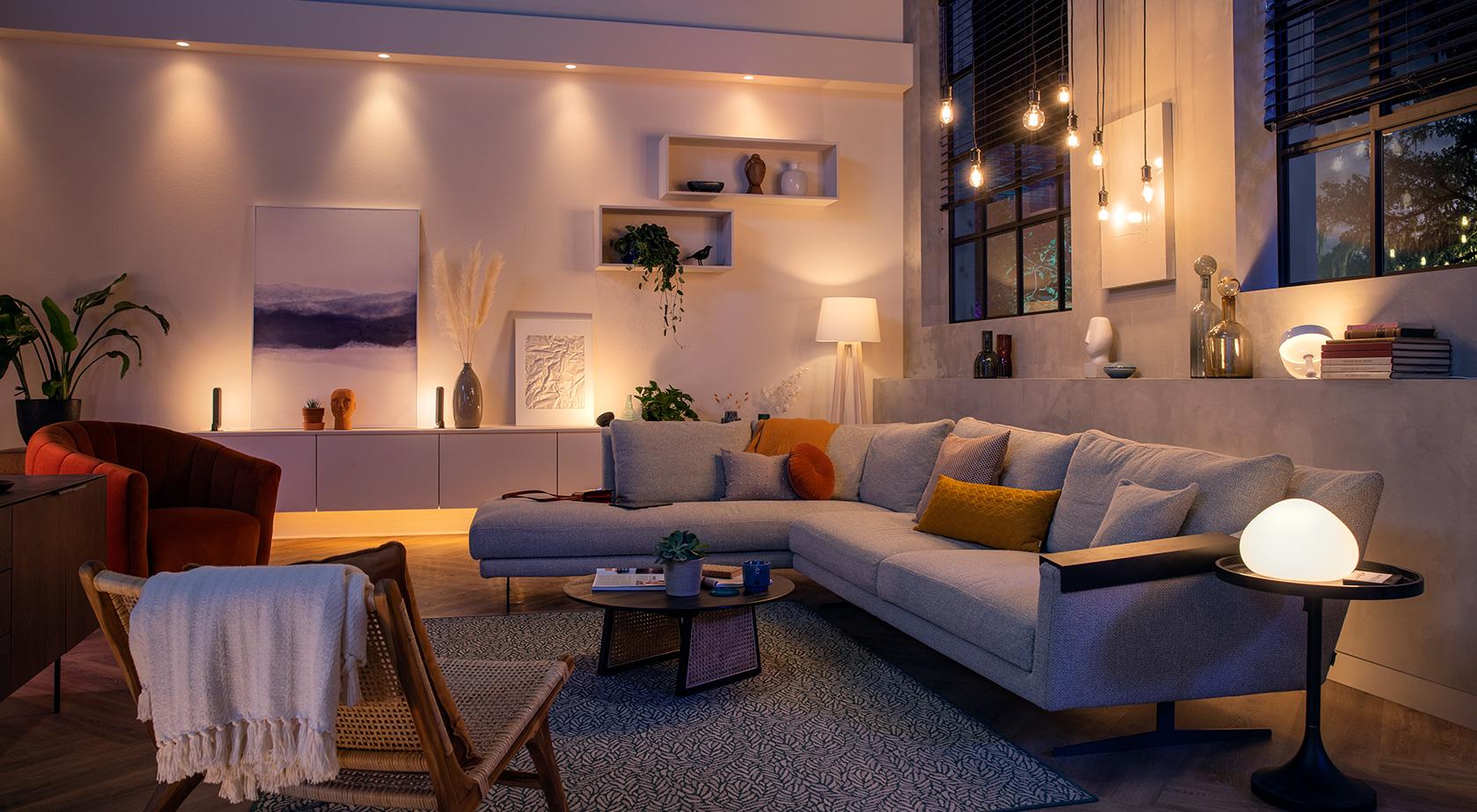
Everything You Need to Know About Mood Lighting: setting the Perfect Atmosphere
In the intricate dance of interior design, where aesthetics meet emotion, mood lighting takes center stage, wielding the power to transform ordinary spaces into extraordinary experiences.Whether you’re hosting an intimate dinner party, curling up with a good book, or unwinding after a hectic day, the right lighting can significantly influence your mood and elevate your surroundings.But what exactly is mood lighting, and how can you harness its potential to create the ambiance you desire? From understanding the science behind light and color to exploring practical tips for implementing it in your own home, this article serves as your thorough guide to mastering the art of mood lighting. Join us as we illuminate the various facets of this essential design element and empower you to craft the perfect atmosphere for every occasion.
Understanding the Psychology of Light and Mood
Light has a profound impact on human emotions and psychology, influencing our mood far more then we often realize. Various studies indicate that different types of lighting can evoke specific feelings and physiological responses. For example, dim lighting is often associated with relaxation and intimacy, making it perfect for unwinding after a long day or enjoying a romantic dinner. Conversely, bright, natural lighting can enhance alertness and productivity, making it ideal for workspaces. Understanding these connections allows us to curate environments that align with our emotional needs, helping to create spaces that foster well-being.
When considering mood lighting, it’s essential to recognize various factors that play a role in how light influences us. Key elements include:
- Color temperature: Different colors of light can influence emotions; warmer tones tend to be more comforting, while cool tones can enhance focus.
- Intensity: The brightness of a space affects energy levels; softer light promotes calmness, while brighter light can energize and invigorate.
- Direction: How light is directed can create different atmospheres; upward lighting can give a sense of spaciousness, while downward lighting can create intimacy.
Here’s a simple table that summarizes the emotional impacts of various lighting types:
| Lighting Type | Emotional Impact |
|---|---|
| Warm White | Cozy and relaxed |
| Cool White | Focused and alert |
| Colored Lights | Playful and creative |
Essential Lighting Techniques for Every Room
Lighting plays a crucial role in shaping the atmosphere of a room. To create the perfect mood, consider layering different types of light. Ambient lighting offers a warm and inviting glow, perfect for living spaces and bedrooms. Coupled with task lighting, such as desk lamps or reading lights, you can ensure functionality without sacrificing comfort. incorporate accent lighting to highlight artwork or architectural features, adding depth and intrigue to your environment.
When planning your lighting design, keep in mind the color temperature of your bulbs.Warmer tones (around 2700K-3000K) are ideal for creating a cozy atmosphere, while cooler tones (4000K-5000K) can invigorate spaces like kitchens or home offices. To effectively utilize these elements, consider the following:
- Use dimmers: Adjust brightness based on time of day or activity.
- Think about placement: Position lights to eliminate harsh shadows.
- Mix and match fixtures: Create a visual interest with diverse styles.
If you’re unsure which combination works best, here’s a simple table to guide your choices:
| Room | recommended Lighting Type |
|---|---|
| Living Room | Ambient + Accent |
| Kitchen | Task + Ambient |
| Bedroom | Warm Ambient + Task |
| Office | Task + Cool Ambient |

Choosing the Right Fixtures for a Cozy ambiance
Creating a cozy ambiance in your space is heavily influenced by the fixtures you choose. Soft, warm lighting is key to establishing a welcoming atmosphere. Consider fixtures that allow for adjustable brightness, as this adaptability enables you to tailor the light intensity to your mood or occasion. Here are some types of fixtures to enhance your environment:
Perfect for creating intimate settings. Ideal for larger spaces, offering a soft glow. Great for accent lighting and focal points. Adds a whimsical touch, especially in cozy corners.
When selecting fixtures, think about the finish and color that complements your decor. Materials like wood, metal, or glass can significantly influence the mood. For a well-rounded approach, consider combining different types of lighting. Here’s a simple guide to help you balance your choices:
| Fixture Type | Best Use |
|---|---|
| Chandeliers | Central pieces for dining or living spaces |
| Recessed Lighting | General lighting to brighten up entire rooms |
| Pendant Lights | Overhead lighting for kitchen islands or tables |
| LED Candles | Safe alternative for soft, flickering light |

Color Temperature and Its Impact on Emotional Well-being
Color temperature plays a pivotal role in shaping our emotional landscape, often dictated by the lighting we surround ourselves with. Generally,color temperatures are categorized into three groups: warm (below 3000K),neutral (3000K-4500K),and cool (above 4500K). Each of these ranges can evoke distinct feelings and reactions:
- Warm Lighting: Creates a cozy and intimate atmosphere,frequently enough making spaces feel more inviting. It’s ideal for relaxation and fostering connection.
- Neutral Lighting: Balances the intensity of warm and cool, commonly used in workspaces as it promotes alertness without feeling harsh.
- Cool Lighting: Stimulates productivity and concentration but can also evoke feelings of coldness or detachment if overused.
Understanding how color temperature influences our emotions can lead to more intentional choices in mood lighting. Such as, setting the right tone can make a significant difference in various environments:
| environment | Recommended Color Temperature |
|---|---|
| Living Room | Warm (2000K – 3000K) |
| Office | Neutral (3500K – 4500K) |
| Dining Room | warm (2500K – 3000K) |
| Bathroom | Cool (4000K – 6000K) |
By thoughtfully adjusting the color temperature of your lighting, you can create tailored environments that cater to specific moods and activities, enhancing overall emotional well-being.

Practical Tips for Layering Light to Enhance Your Space
Layering light in your space involves using a mix of ambient, task, and accent lighting to create a balanced and inviting atmosphere. To achieve this harmonious blend, consider the following tips:
- Start with Ambient Lighting: Use ceiling fixtures or wall sconces to provide overall illumination throughout the room.
- Add Task Lighting: Incorporate table lamps or floor lamps for activities like reading or working, ensuring these lights are strategically placed where needed most.
- Incorporate Accent Lighting: Use spotlights or decorative fixtures to highlight artwork or architectural features; this adds depth and character to your space.
to ensure a smooth interplay of these layers, keep in mind the following considerations:
| Lighting Type | Purpose | Examples |
|---|---|---|
| Ambient | Overall room illumination | Celling lights, chandeliers |
| Task | Focused illumination for specific activities | Desk lamps, reading lights |
| accent | Highlighting features or decor | Wall-mounted LEDs, track lighting |
By strategically layering these three types of light, you create not only a functional space but also one that feels warm and engaging. Experiment with brightness levels and color temperatures to set the perfect mood, adapting your setup as the seasons change or as your room’s purpose evolves.
In Summary
As we draw the curtain on our exploration of mood lighting, it’s clear that this subtle yet powerful design element can transform a space and enhance our emotional well-being. From the gentle glow of candles to the dynamic hues of smart bulbs, the right lighting can set the stage for relaxation, creativity, or even romance.Armed with the knowledge of color temperature, layering techniques, and practical tips for implementation, you now possess the tools to craft your own captivating ambiance.
Whether you’re illuminating a cozy nook in your home, setting the mood for a lively gathering, or simply seeking solace in a serene corner, remember that light is more than a mere necessity-it’s an experience.Let your imagination soar as you experiment with shadows and brightness, and watch as your environment flourishes under the warm embrace of thoughtfully curated lighting.
In a world that often leans toward the harsh and utilitarian, mood lighting invites us to slow down and appreciate the art of illumination. lighting is not just an afterthought; it’s an prospect to reflect our personalities and evoke emotions. So, go ahead, dim the lights, switch on your creativity, and illuminate your life in ways you never thought possible. Happy lighting!


