A home renovation can make everyday life more comfortable, give an outdated space a fresh look, and potentially increase your property’s resale value. But with so many projects competing for your budget, knowing where to start can be challenging.
Should you renovate the kitchen, replace the front door, upgrade the bathroom, or finally tackle that unfinished outdoor space? The best choice depends on your home’s current condition, your plans for the future, and what buyers in your area value most.
The good news is that you don’t always need a major renovation to make a meaningful difference. Simple exterior improvements, practical interior updates, and energy-saving upgrades can all contribute to a more appealing and functional home.
The key is to spend strategically. By understanding which improvements offer the strongest potential return on investment (ROI), you can prioritize projects that benefit both your household today and your property’s value tomorrow.
What Does Return on Investment Mean for Home Improvements?
Return on investment measures the value gained from a project compared with the money spent on it. For homeowners, that value can come from a higher resale price, lower utility bills, reduced maintenance costs, or improved everyday living.
However, these benefits are not interchangeable.
A renovation that makes your home more enjoyable doesn’t necessarily recover its full cost when you sell. Likewise, an improvement that performs well in resale studies might not be the most useful upgrade for your family’s needs.
For example, a new entry door may improve curb appeal and provide a strong resale return. A kitchen renovation, meanwhile, might make cooking and entertaining much easier, even if you recover only part of the project’s cost at sale.
According to the National Association of REALTORS® and the National Association of the Remodeling Industry’s 2025 Remodeling Impact Report, estimated cost recovery varies significantly by project. A new steel front door was estimated to recover 100% of its cost, while a minor kitchen upgrade was estimated at 60%.
These figures are useful reference points, not guarantees. Actual returns depend on location, property condition, construction costs, and buyer demand.
1. Improve Curb Appeal With Exterior Upgrades
First impressions matter. Before prospective buyers see the kitchen or living room, they notice the home’s exterior, entryway, and overall condition.
Exterior improvements can be particularly attractive investments because they make a property look better while addressing practical needs.
Replace or Refresh the Front Door
A worn, damaged, or outdated front door can make an otherwise attractive home look neglected. Replacing it with a durable, well-designed door can create a more welcoming entrance.
If a full replacement isn’t necessary, consider less expensive improvements such as:
- Repainting the existing door.
- Updating the handle and lockset.
- Cleaning the surrounding trim.
- Improving entryway lighting.
- Replacing damaged weatherstripping.
Choose a style and finish that complement the home’s architecture rather than following a trend that may quickly become dated.
Maintain Siding, Walkways, and Landscaping
Damaged siding, peeling paint, cracked walkways, and overgrown plants can discourage buyers before they step inside.
Address visible maintenance problems first. Clean exterior surfaces where appropriate, repair damaged materials, trim vegetation, and keep pathways clear.
The 2025 Cost vs. Value Report from the Journal of Light Construction and Zonda found that exterior replacement projects performed particularly well in its national resale-value comparisons. Garage door and steel entry door replacements ranked among the strongest projects.
The takeaway is simple: Don’t overlook the outside of your home when planning improvements.
2. Update the Kitchen Without Overspending
The kitchen often plays a major role in how people evaluate a home. It is a working space, a gathering area, and a design feature that can influence a buyer’s overall impression.
However, a complete kitchen renovation can consume a substantial budget. A smaller, targeted upgrade may be more appropriate if the existing layout works well.
Focus on High-Impact Changes
Consider improvements such as:
- Repainting or refinishing suitable cabinets.
- Replacing outdated cabinet handles.
- Installing a durable, easy-to-maintain backsplash.
- Updating old light fixtures.
- Repairing damaged countertops or replacing them when justified.
- Improving storage and countertop organization.
If appliances are nearing the end of their useful lives, replacing them may also make sense. Choose models that fit the kitchen and meet your household’s needs rather than paying extra for features you rarely use.
Keep the Design Broadly Appealing
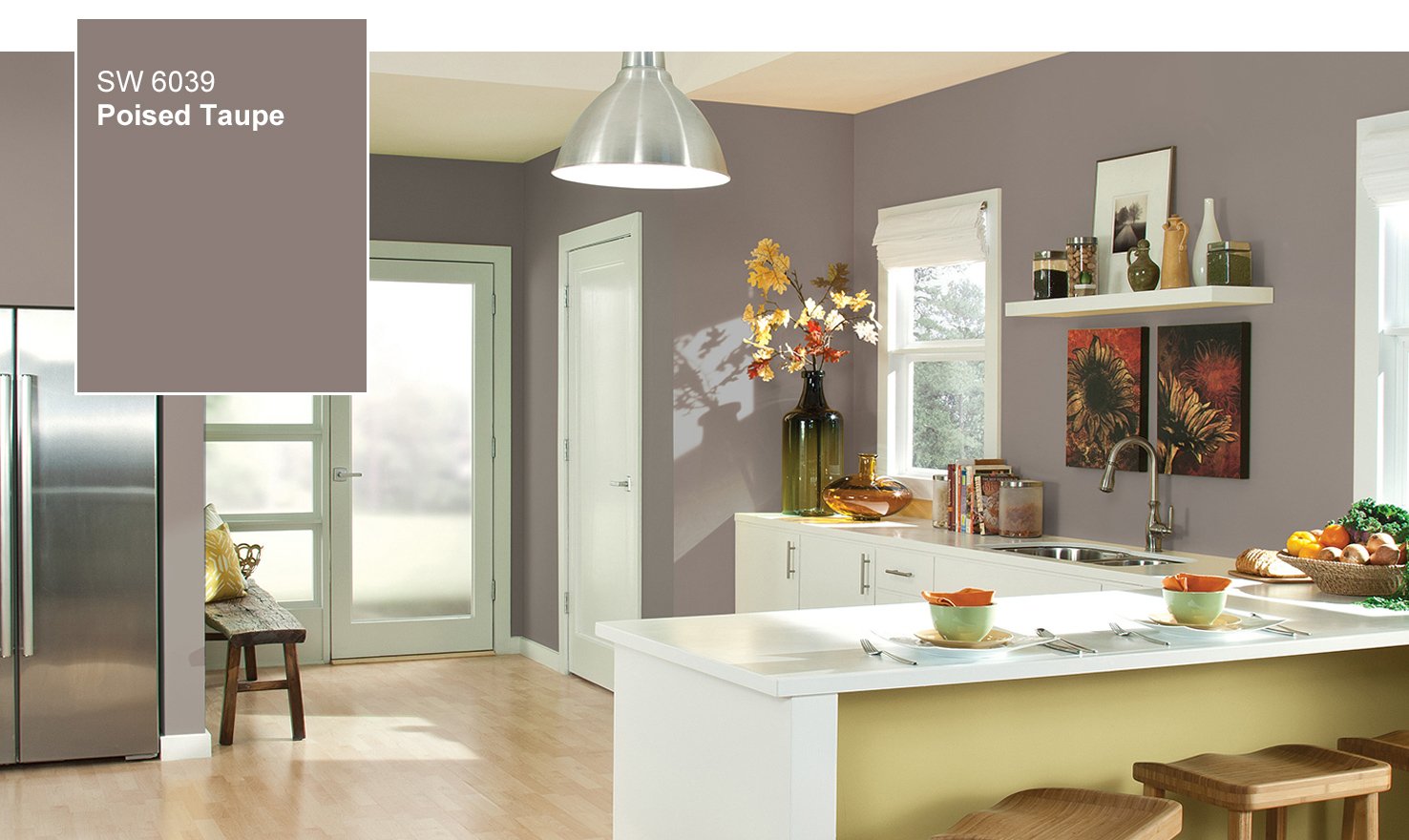
Neutral colors, practical storage, durable surfaces, and good lighting tend to work across a wide range of design preferences.
Avoid spending heavily on highly personalized finishes if you expect to sell soon. A dramatic design can be enjoyable, but buyers may not share your taste.
A useful rule is to preserve a functional layout whenever possible. Moving plumbing, electrical connections, and walls can increase renovation costs quickly.
3. Make Bathroom Improvements That Count
Bathrooms can influence both comfort and resale appeal. Fortunately, making one feel cleaner and more modern doesn’t always require a complete remodel.
Start by identifying the problems that affect daily use. Poor lighting, worn fixtures, insufficient storage, and deteriorating grout may be more important than decorative upgrades.
Prioritize Practical Improvements
Depending on the bathroom’s condition, consider:
- Replacing an outdated faucet or showerhead.
- Installing a better mirror and lighting.
- Regrouting or repairing damaged tile.
- Adding shelves or vanity storage.
- Improving ventilation.
- Replacing a worn toilet or vanity when necessary.
Pay attention to moisture management. A bathroom that looks attractive but has persistent leaks, damaged flooring, or inadequate ventilation can create expensive problems later.
If a major renovation is necessary, obtain detailed estimates before committing. The cost of new plumbing, waterproofing, tile work, and labor can add up quickly.
For homeowners preparing to sell, a clean, well-maintained bathroom is often a more sensible priority than an expensive luxury makeover.
4. Invest in Energy Efficiency and Essential Repairs
Some of the most valuable home improvements aren’t immediately visible. Upgrades that reduce energy use, improve comfort, or prevent damage can benefit homeowners long after the work is completed.
Seal Drafts and Improve Insulation
Drafty windows, poorly sealed doors, and inadequate insulation can make rooms uncomfortable and increase heating and cooling costs.
Depending on your climate and the condition of the home, consider:
- Sealing gaps around doors and windows.
- Adding insulation where appropriate.
- Improving attic ventilation when needed.
- Servicing heating and cooling equipment.
- Replacing inefficient windows when repair is no longer practical.
Start with an energy assessment or inspection if you’re unsure where your home loses the most energy. This helps you prioritize improvements rather than replacing components that are still performing well.
Address Roofing, Plumbing, and Electrical Problems
A fresh coat of paint won’t compensate for a leaking roof or unreliable electrical system.
If the home has unresolved maintenance issues, put safety and structural integrity first. Repair water intrusion, address deteriorating materials, and have electrical or plumbing problems evaluated by qualified professionals.
These projects may not create the dramatic visual transformation of a new kitchen, but they can reduce future repair costs and help reassure prospective buyers.
5. Make Outdoor Living Spaces More Useful
A patio, deck, or well-maintained yard can expand the ways you enjoy your home without adding an entirely new indoor room.
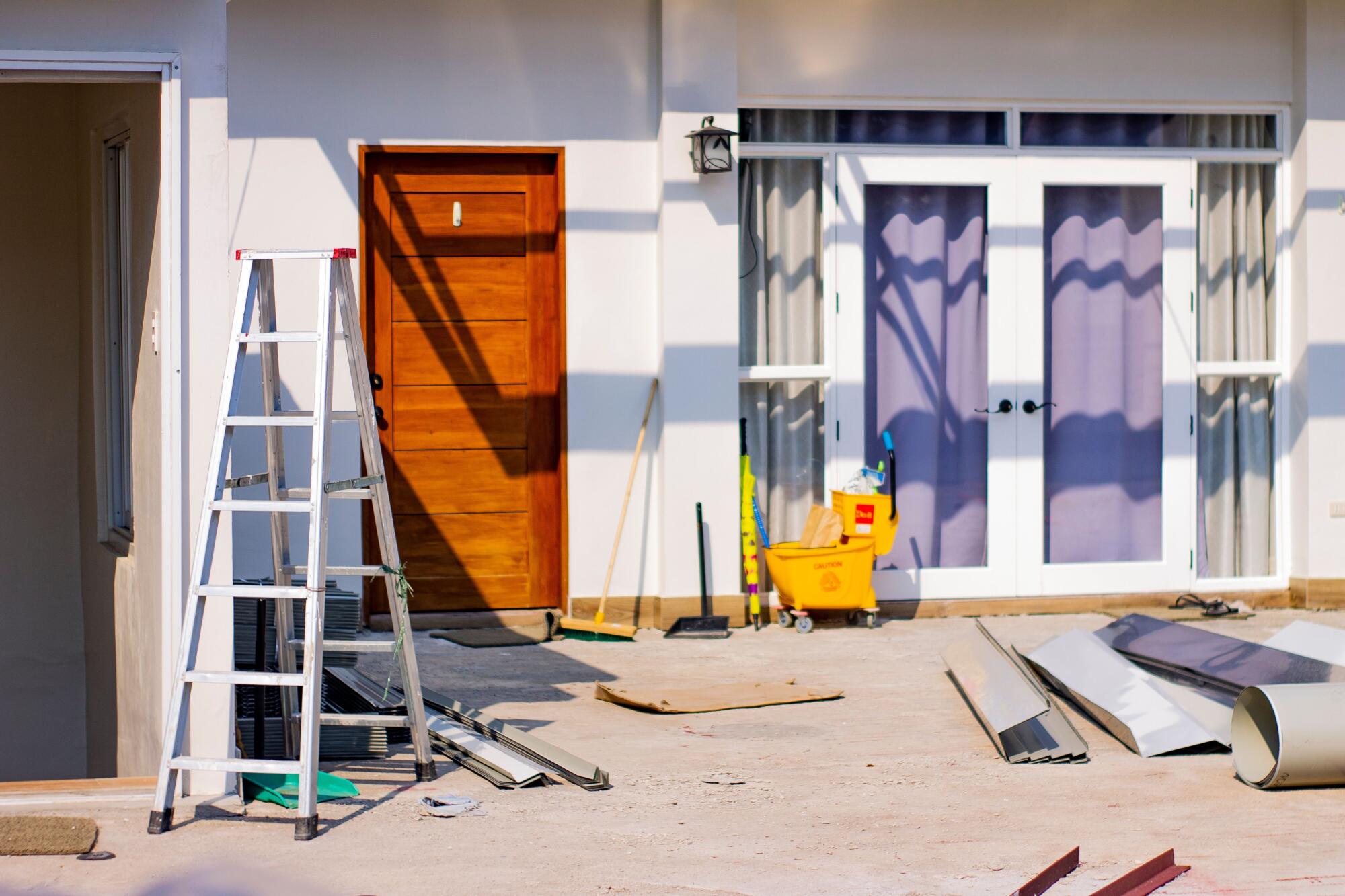
The renovation image accompanying this article shows an exterior project with a concrete patio, large glass doors, and construction materials. These features highlight how an outdoor area and the transition between indoor and outdoor spaces can become part of a larger improvement plan.
Improve What You Already Have
Before building a new deck or patio, assess whether the existing space can be improved.
You might:
- Repair cracked or uneven paving.
- Clean and reseal suitable outdoor surfaces.
- Add comfortable, weather-resistant seating.
- Improve exterior lighting.
- Create a simple planting arrangement.
- Make the entrance between the home and patio easier to use.
If the patio is being renovated, plan drainage and surface levels carefully. Poor drainage can direct water toward the house, potentially causing damage to foundations, walls, or interior finishes.
For larger projects, consider how much maintenance the new materials will require. A lower-maintenance outdoor space may be more practical than one that needs frequent repairs.
6. Improve Lighting, Paint, and Interior Finishes
Not every valuable improvement requires a contractor or a large budget. Small cosmetic changes can make rooms feel cleaner, brighter, and better maintained.
Fresh paint is one of the simplest ways to update an interior. Soft neutrals and coordinated colors can help rooms feel connected and make it easier for potential buyers to imagine their own furnishings in the space.
Lighting deserves similar attention. Replace damaged fixtures, use suitable bulbs with consistent color temperatures, and make the most of natural light.
Other worthwhile projects include:
- Repairing damaged baseboards and trim.
- Replacing worn door handles.
- Fixing sticking doors and drawers.
- Refreshing dated hardware.
- Removing unnecessary clutter.
- Improving storage in closets and entryways.
These details may seem minor individually, but together they can make a property feel more cared for.
7. Choose Improvements That Fit Your Budget and Timeline
The best home improvement is not necessarily the one with the highest reported ROI. It is the one that makes sense for your particular property and financial situation.
Before starting a project, consider how long you intend to stay in the home.
If you plan to sell soon: Prioritize visible maintenance issues, curb appeal, basic repairs, and modest updates that make the home easier to present to buyers.
If you plan to stay for several years: Consider energy efficiency, kitchen functionality, bathroom comfort, and outdoor spaces you will regularly use.
If your budget is limited: Focus on essential repairs and small improvements with clear benefits. Avoid taking on several expensive projects at once.
It’s also wise to set aside a contingency fund for unexpected costs. Older homes, in particular, can reveal hidden plumbing, electrical, moisture, or structural problems once work begins.
How to Plan a Home Improvement Budget
A little planning can help prevent overspending and keep the project focused.
Start with these steps:
- Inspect the home. List urgent repairs, visible wear, and areas that affect daily comfort.
- Set a spending limit. Determine what you can afford without compromising emergency savings or other financial commitments.
- Compare estimates. Obtain itemized quotes from qualified contractors for substantial work.
- Research local buyer preferences. Ask a knowledgeable local real estate professional which improvements matter in your market.
- Rank projects by priority. Address safety and damage before cosmetic upgrades.
- Track the total cost. Include materials, labor, permits, disposal, and potential unexpected expenses.
Keep receipts, invoices, warranties, and records of completed work. These documents can help with future maintenance and provide useful information when selling the property.
Conclusion: Spend Smarter, Not Necessarily More
Home improvements can be worthwhile even when they don’t recover every dollar at resale. A more comfortable kitchen, a better-lit living room, a welcoming entrance, or a functional outdoor area can improve your quality of life while making your home more attractive to future buyers.
The smartest approach is to balance personal enjoyment with practical value. Start with maintenance and exterior improvements, consider targeted kitchen and bathroom updates, and invest in energy efficiency where it makes sense.
Most importantly, base your decisions on your home’s condition, your budget, and the needs of your local market. With a clear plan, you can make improvements that serve you now and put your property in a stronger position for the future.
KEY TAKEAWAYS
- Prioritize curb appeal: Entry doors, exterior maintenance, and well-kept landscaping can improve first impressions.
- Choose targeted kitchen updates: Refreshing cabinets, lighting, and hardware can be more economical than a complete renovation.
- Keep bathrooms functional: Address ventilation, leaks, worn fixtures, and storage before investing in luxury finishes.
- Don’t ignore energy efficiency: Sealing drafts, improving insulation, and maintaining HVAC equipment may reduce ongoing costs.
- Make outdoor spaces usable: A well-maintained patio or deck can add practical living space without expanding the house.
- Handle essential repairs first: Roofing, plumbing, electrical, and moisture problems deserve attention before cosmetic projects.
- Research your local market: National ROI figures are useful benchmarks, but actual resale results vary.
- Balance financial and personal value: The right improvement should suit your budget, timeline, and lifestyle.
FAQ SECTION
1. What home improvements offer the best return on investment?
Exterior projects such as garage door replacement, steel entry door replacement, and certain siding upgrades have performed strongly in national Cost vs. Value comparisons. Smaller kitchen updates can also be worthwhile. Actual returns depend on location, project costs, and property condition.
2. Does renovating a kitchen increase home value?
A kitchen renovation can improve buyer appeal and everyday functionality. However, a complete remodel may not recover its entire cost at resale. Updating cabinets, lighting, fixtures, and finishes can be a more budget-conscious alternative when the existing layout works well.
3. Is a bathroom renovation worth the money?
It can be, particularly when the bathroom has damaged finishes, outdated fixtures, poor ventilation, or limited functionality. Focus on practical improvements and avoid expensive changes that add little benefit to your household or local buyers.
4. What are the cheapest home improvements that can make a difference?
Fresh paint, updated cabinet hardware, improved lighting, basic landscaping, weatherstripping, and minor repairs are often relatively affordable ways to improve a home’s appearance and usability. Costs vary depending on the size of the project and whether professional labor is needed.
5. Should I renovate before selling my house?
Not necessarily. Start by identifying repairs and cosmetic issues that could discourage buyers. A local real estate professional can help you decide whether a renovation is likely to justify its cost or whether cleaning, decluttering, and minor repairs would be sufficient.
6. Do energy-efficient upgrades increase resale value?
Energy-efficient improvements may make a home more appealing by improving comfort and reducing utility expenses. Their resale impact varies by market, climate, equipment condition, and buyer priorities. Consider both potential energy savings and installation costs.
7. How much should I spend on home improvements?
There is no single budget that works for every home. Base spending on your available finances, the home’s condition, local renovation costs, and how long you plan to stay. Obtain contractor estimates and reserve funds for unexpected expenses.
8. How can I tell whether a home renovation is worth it?
Compare the total project cost with its likely resale contribution, maintenance benefits, potential energy savings, and personal usefulness. Research local market conditions and remember that estimated cost recovery is not a guarantee of future profit.