
A wall crowded with competing prints can feel like a visual argument waiting to happen – or like a chorus were each voice finds its part. Designing with multiple patterns on one wall asks you to become both conductor and composer: to orchestrate repeating rhythms, balance contrasting motifs, and turn potential chaos into carefully arranged harmony.
This article walks you through that process without preaching a single ”right” way. You’ll learn simple principles – scale, color harmony, repetition, and strategic anchoring – that help different patterns speak to one another rather of over-talking. Along the way we’ll explore practical techniques for layering textures, creating a focal point, and transitioning between motifs so the wall reads as an intentional, unified element rather than a random mash-up.
Whether you’re aiming for a bold statement, a playful vignette, or a subtle tapestry of textures, mixing patterns can be an adventurous and rewarding design move. Read on to discover how to make varied prints work together thoughtfully, confidently, and with a clear sense of purpose.
Selecting a cohesive color story to unify diverse patterns
Think of the wall as a stage and the colors as the cast: one should lead while the others support. Start by choosing a dominant hue that already appears in at least two of the patterns – this becomes your visual anchor.From there, select a couple of complementary or analogous tones that share the same undertone (warm or cool) so they read as intentional rather than accidental. To keep the composition calm, introduce a neutral binder (soft white, warm gray, or a muted beige) to give the eye a place to rest and to help busy motifs breathe. Practical tip: always test your selected palette together on a large swatch patch – colors shift dramatically with texture and light.
When applying the palette across multiple prints, repeat the anchor color at varying scales and saturations so the wall reads harmoniously rather than chaotic. Use these swift rules as a checklist:
- Anchor: 40-60% – the largest, most calming color (frequently enough background or large-scale pattern).
- Secondary: 30-40% – supporting patterns in a slightly different tone or texture.
- Accent: 10-20% – bold pops that enliven without overpowering.
Also consider small connective elements – a metal trim, a painted stripe, or a repeat of the accent color in accessories - to physically and visually stitch the patterns together under one cohesive color story.

balancing scale and rhythm to prevent visual overload
Think of your wall as a visual orchestra where scale is the instrument size and rhythm is the repeating beat; too many loud instruments at once create noise. Anchor the composition with one dominant pattern – large in scale and calmer in motif – then introduce smaller, more frequent patterns to create movement without competing for attention. A simple strategy is to vary scale in a 3:2:1 ratio (large:medium:small) and use texture or color to unify disparate prints. Consider these quick pairings to get started:
- Large florals + tiny geometrics
- Wide stripes + narrow tone-on-tone lines
- Oversized grid + subtle speckle
to keep rhythm from becoming chaotic, repeat a single color or motif at predictable intervals so the eye can travel comfortably across the wall; alternate busy bands with restful negative space to give patterns room to breathe. Use this small reference to plan placement - keep contrasts intentional and allow one element to dominate while others punctuate the scene:
| Pattern scale | Visual role | Quick tip |
|---|---|---|
| Large | Anchor | Keep color muted |
| medium | Bridge | Repeat a hue |
| Small | texture/accents | Scatter sparingly |
Anchoring patterns with solid fields and strategic negative space
busy motifs sing when given a stage to perform on-large, uninterrupted swaths of paint or textured plaster act as the stage curtains that make the patterns pop. Use these solid expanses to anchor the composition: choose one dominant color or finish and repeat it in measured fields (a wide stripe, a framed panel, or a painted chimney breast) so the eye has predictable places to rest. Negative space is not empty; it’s strategic breathing room that clarifies rhythm, defines scale, and prevents visual competition between prints. Consider the scale of the patterns and the size of the room-small rooms benefit from broader,warmer solids to avoid muddiness,while generous rooms can handle several patterned bands separated by crisp,cool fields.
- Start large: establish one or two solid areas before adding more pattern.
- Vary distance: leave thicker negative spaces between high-contrast patterns.
- Repeat undertones: pull a muted hue from a pattern into a solid field to unify the wall.
- Use architecture: turn windows, moldings, or built-ins into natural separators.
| Role | suggested solid field | Effect |
|---|---|---|
| Primary anchor | 40-50% wall area | Balances multiple motifs |
| buffer strip | 10-20% between patterns | Creates calm transitions |
| Accent panel | 5-10% focal spot | Highlights a key pattern |

Layering texture and finish for depth and tactile contrast
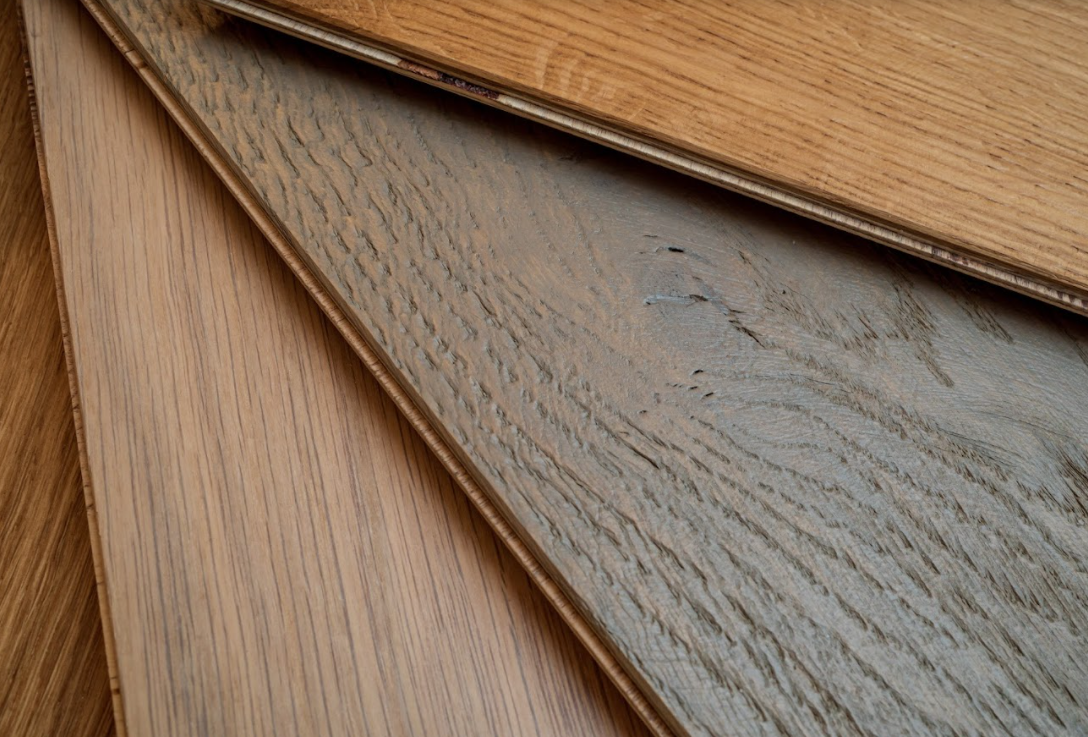
Think of the wall as a stage where surfaces perform together: a low-sheen lime plaster sets a quiet backdrop, while a glossy tile or metallic trim catches the eye and anchors pattern play. By alternating textures-rough plaster against smooth paint, nubby woven panels beside sleek lacquer-you introduce visual depth and invite touch without overcrowding the composition. Use scale to amplify contrast: large, subtle textures read as calm fields behind smaller, high-contrast motifs, and a change in sheen becomes the easiest way to separate layered patterns so each can breathe. Contrast and rest are your allies-let one surface be the star and another the supporting texture.
practical pairings and simple rules keep the scheme grounded. Try these quick moves to build tactile interest without chaos:
- Start bold: pick a dominant texture as the anchor (e.g., plaster or grasscloth).
- Control sheen: matte + gloss or eggshell + metallic creates clear planes.
- Buffer edges: use trim or a narrow stripe to separate competing patterns.
- Limit palette: unify different textures with a tight color family.
| Material | Finish | Best Pairing |
|---|---|---|
| Venetian plaster | soft sheen | matte grasscloth |
| Porcelain tile | high gloss | textured paint |
| Woven panel | matte | metallic trim |
These choices let the wall read in layers-visual weight, tactile cue, and reflective highlight-so patterns coexist with purpose rather than compete.
Practical layout templates and installation tips for a seamless result
Sketch a full-scale roadmap on kraft paper before the first cut: lay out life-size templates of each pattern to test how motifs interact at corners and around switches, then transfer those marks to the wall with a light pencil. Use painter’s tape to block in zones and step back – this “live collage” reveals awkward joins and gives you a chance to rebalance scale without making a single permanent cut. Keep a seam allowance of at least 1/8″ for paper-based patterns and plan for overlaps or butt seams depending on texture; log each panel’s orientation so repeats align perfectly when you install.
- Mock-ups: tape paper templates to the wall and photograph from different angles.
- Anchor point: choose a central reference line (use a chalk line or laser level).
- Cut strategy: cut on a sacrificial board to protect the panel and test-fit before applying adhesive.
| Template | Best Use | Seam Tip |
|---|---|---|
| Full motif sheet | Feature wall center | Butt at focal line |
| Half-drop repeat | Staggered rhythm | Overlap 1/8″ then trim |
| Corner wrap | Seamless foldaround | Wrap then trim inside corner |
When it comes to hanging, work in controlled runs: start at the focal point and move outward in matched pairs so visible seams mirror each other across the wall. Use a helper to hold and level long panels while you apply adhesive – a continuous pressure roller and a seam scorer for textured papers will make the joins disappear.Keep a small kit: extra matching scraps, an angled knife, seam sealer, and a spray bottle for light re-positioning; these little contingencies turn a fiddly installation into a seamless result.
Final Thoughts
A wall filled with different patterns can read like a curated conversation rather than a clash – when scale, color and rhythm are considered, contrast becomes composition. Use a recurring hue or a grounding solid to hold things together, start with small samples and let a focal point guide the arrangement, and don’t be afraid to edit as the room grows into its look.The rules – balance, repetition, and restraint – are useful guides, but the final decision should feel right to the eye. patterned walls are less about perfection and more about personality: experiment, refine, and enjoy how the space reflects your taste.