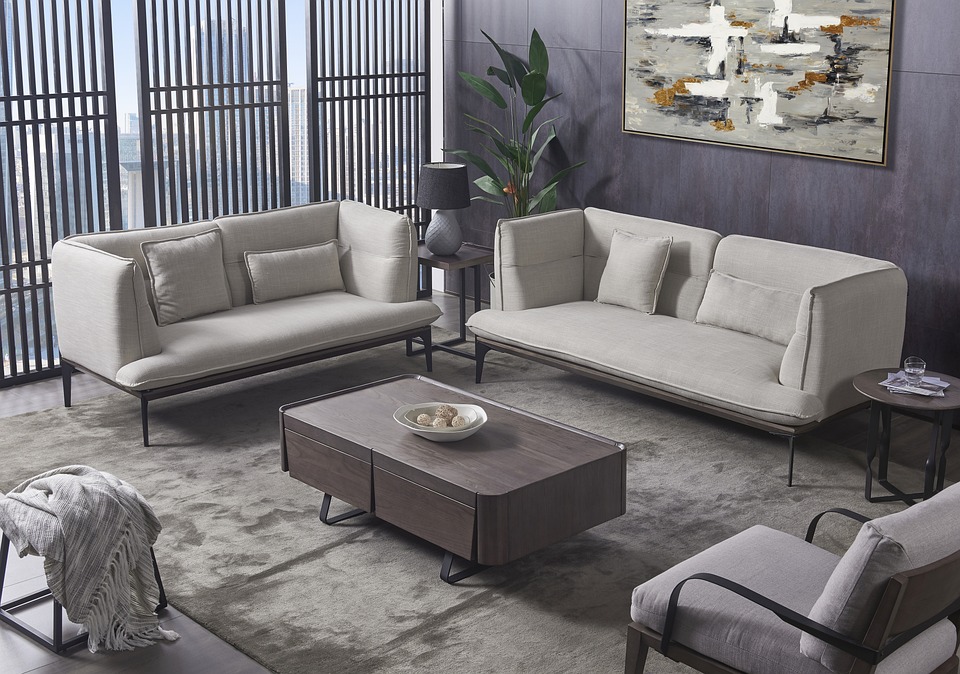

Color is the quiet architect of our daily energy – a sunrise in a paint can,a subtle pulse beneath fabric and tile that nudges us awake or soothes us down. In homes where every surface competes for attention,the right hues can transform rooms into places that feel lively and purposeful without becoming overwhelming. This article explores which colors reliably create an energizing atmosphere and how to use them thoughtfully so your space feels vibrant, not chaotic.
We’ll look at the science and psychology behind invigorating palettes, break down color families that boost alertness and optimism, and offer practical advice for applying them across different rooms, lighting conditions, and design styles. Whether you prefer bold statements or gentle accents, understanding how color, contrast, and temperature work together will help you design a home that supports activity, focus, and a steady sense of momentum.
Color Temperatures and Hues That Naturally boost Energy
Light temperature is the invisible paintbrush that sets the body’s rhythm: higher Kelvin bulbs create a crisp, alert atmosphere while lower Kelvins feel warmer and more intimate.Use cool, daylight-balanced lighting (around 5000-6500K) in work corners to sharpen focus and invite activity, and reserve warmer bulbs for lounging areas where a hint of brightness – not dimness – keeps the mood lively. Pairing the right light wiht color multiplies the effect, so think of temperature and hue as partners rather than rivals.
- Daylight (5000-6500K) – clear, invigorating
- Cool-white (3500-5000K) – balanced alertness
- Warm (2700-3000K) – cozy yet energetic when radiant colors are present
When choosing pigments, favor mid-to-high saturation tones that read as lively without crossing into visual noise: sunny yellows, coral oranges, and vibrant teals stimulate the eyes and the mind, while verdant greens and aqua hues restore and refresh between bursts of activity. Use accents and contrast to keep rooms dynamic-a muted wall with pops of color in cushions, art, or a single painted trim line can feel both energized and composed.
- Yellow + soft gray – upbeat but elegant
- Coral + deep teal – warm vitality with grounding depth
- Mint + natural wood – fresh energy with calm texture

Best Palettes for active Spaces Living Rooms Kitchens and Home Gyms
Think in sounds and movement: pick palettes that feel like a fast beat – lively, optimistic, and composed so rooms never feel chaotic. Start with a bright anchor (lemon, coral, or teal) paired with a grounding neutral to keep energy focused rather than frenetic. Small doses of saturated color work best as accents - pillows, backsplashes, or a single wall – while natural woods and deep charcoals calm the rhythm and add sophistication. Try combinations that sing together:
- Lemon zest + Slate gray
- Tangerine + soft oak
- Teal accents + Warm white
Design the mood for each activity: living rooms need a warm, inviting energy; kitchens benefit from crisp, clean contrasts that stimulate creativity; home gyms ask for punchy hues that boost motivation. Place color where it matters most - backsplashes and cabinets for the kitchen, area rugs and art for the living room, and one commanding wall or stripes in the gym to keep focus. Practical tips:
- Glossy tile accents to reflect light in kitchens
- Washable, high-impact paint for gym walls
- Layered textures (woven rugs, matte paint) to soften bright tones
Saturation Levels and Paint Finishes for Lasting Vibrancy
Think of saturation as the mood-setting dial – turn it up for punchy moments,keep it gentle for lasting comfort. High-saturation colors energize instantly, but thay can tire a room if used wall-to-wall; instead, anchor bold tones with mid-saturation backgrounds and generous neutrals to let them sing. Use textiles, artwork and a single accent wall to introduce vivid hues without overwhelming the senses.
- Mid-saturation on main walls keeps balance and longevity.
- high-saturation accents (pillows, a single wall, trim) deliver instant vitality.
- Layer similar tones for depth – a tone-on-tone scheme reads lively,not loud.
- Let soft neutrals act as visual breathing room between pops of color.
Finish decides how colors behave over time – sheen influences both vibrancy and durability. A flatter finish absorbs light for a elegant, cozy look; modest sheens boost pigment and stand up to cleaning in active spaces.The quick reference table below helps match finish to function so your energizing palette remains bright and practical for years.
| Finish | Sheen | best For |
|---|---|---|
| Matte | Low | Living rooms, ceilings |
| Eggshell | Low-Medium | Bedrooms, hallways |
| Satin | Medium | Kitchens, family rooms |
| Semi-gloss | High | Trim, doors, bathrooms |
- Washable finishes (satin, semi-gloss) preserve color in high-traffic spots.
- Keep sample pots for easy touch-ups to maintain a continuous, vibrant look.
- Test finishes in your lighting – the same pigment can read dramatically different in matte vs. semi-gloss.

Accent Color Placement and Textile Choices to Spark Movement
Think of accent color like choreography: a few well-placed pops create motion without chaos. Use bold swaths where the eye naturally travels – a sofa back,a fireplace surround,or a hallway runner – and let neutrals act as the stage. try these quick placement moves:
- Anchor: a rug or large artwork to set direction
- Puncture: throw pillows and lamps for rhythmic beats
- Lead: a painted door or stair riser to guide circulation
the goal is a visual tempo that feels energetic but intentional, so repeat the accent in small, unexpected places to keep the composition lively.
fabric choices are the choreography’s costume - they can whisper or shout movement. Silky sheens and diagonals catch light and suggest motion, while loosely woven linens and fringes flutter subtly with air currents. Mix textures to create contrast: a glossy velvet cushion beside a nubby wool throw, or a printed runner layered over a solid sisal base. For quick reference, consider this simple guide:
| Textile | Movement Cue | Best Spot |
|---|---|---|
| Velvet | Reflective shimmer | Sofa cushions |
| Light linen | Soft billow | Window panels |
| Fringe/knit | Subtle sway | Throws/bed ends |
| Graphic weave | Directional pull | Runners/throws |
layering these textiles with purposeful accent colors keeps a room feeling energized and in motion without becoming overstimulating.

Lighting Strategies and Window treatments to Amplify Color Impact
Harnessing natural daylight and thoughtful fixtures makes your palette come alive-colors behave differently at dawn,midday and dusk,so plan for change. Position ambient fixtures to wash walls and use directional accents to sculpt saturated tones; warm LEDs (2700-3000K) deepen reds and oranges while cooler whites (3500-4000K) sharpen greens and blues. Simple moves deliver big results:
- Layer light – ambient, task, and accent for depth;
- Dimmers & smart bulbs – alter intensity and color temperature on the fly;
- Accent spots – pick out a feature wall or artwork to boost contrast.
These strategies let you tune vibrancy without repainting, and they help energetic colors feel intentional rather than overwhelming.
Window coverings are your daily color-controller: they filter, soften or concentrate sunlight, changing how pigments read in the room. Choose fabrics and finishes that either diffuse light to emphasize saturation or block glare to preserve true hue. The quick reference below helps match treatments to mood:
| Treatment | Effect on Color | Best For |
|---|---|---|
| Sheer panels | Softens & brightens | Living rooms, kitchens |
| Solar shades | Preserves saturation, reduces glare | North-facing rooms |
| Blackout drapes | Protects pigment, creates drama | Bedrooms, media rooms |
Pair treatments with reflective surfaces (mirrors, glossy trim) to amplify daylight, or add layered drapery-sheer plus heavier panels-to switch from airy and energized to calm and focused in seconds.
In Retrospect
Color does more than decorate a room – it nudges the way you move through your day. Whether you choose sunlit yellows to spark mornings, verdant greens to steady the mind, or invigorating corals to lift the mood, the hues you bring into your home shape its energy and your experience of it.
Balance and context matter: pair vivid tones with calming neutrals, let natural light steer saturation, and remember that texture and finish change how a color feels. Small experiments - a painted accent wall, a bold throw pillow, or a rearranged corner – can reveal what truly resonates without committing the whole house.
an energizing home is one that reflects how you want to feel. Use color as a gentle compass,not a rulebook,and let your spaces become a quiet,colorful battery that revitalizes you day after day.