
Like a soft-focus filter for the home, frosted glass blurs the line between openness and privacy-letting light breathe through while sheltering what’s behind it. In modern interiors,where clean lines and thoughtful layering reign,this quietly versatile material can transform a room’s atmosphere: it softens glare,adds tactile depth,and introduces a muted luminosity that complements both stark minimalism and warm,textured palettes.
This article explores practical and aesthetic ways too use frosted glass in contemporary spaces. You’ll discover how to employ it as room dividers, cabinetry fronts, shower enclosures, window treatments, and lighting elements; learn about different finishes and techniques (etched, sandblasted, frosted film); and get guidance on pairing glass with materials, optimizing natural light, and addressing privacy and maintenance concerns.Whether you’re renovating an apartment or specifying details for a new build, frosted glass offers subtle drama without shouting-an understated design tool that balances function and beauty.Read on to learn how to harness that soft, diffused light to shape mood, define space, and elevate modern interiors.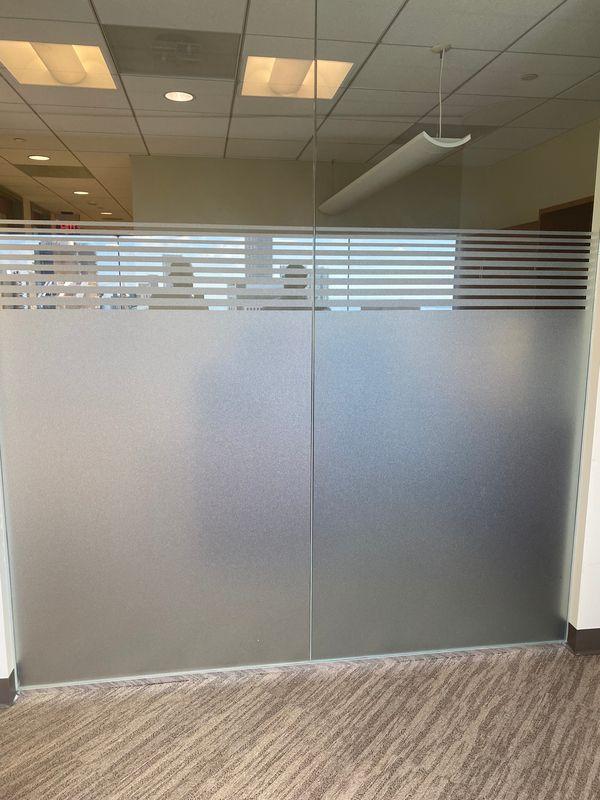
Make Light Work: Using Frosted Glass to Balance Brightness and Privacy
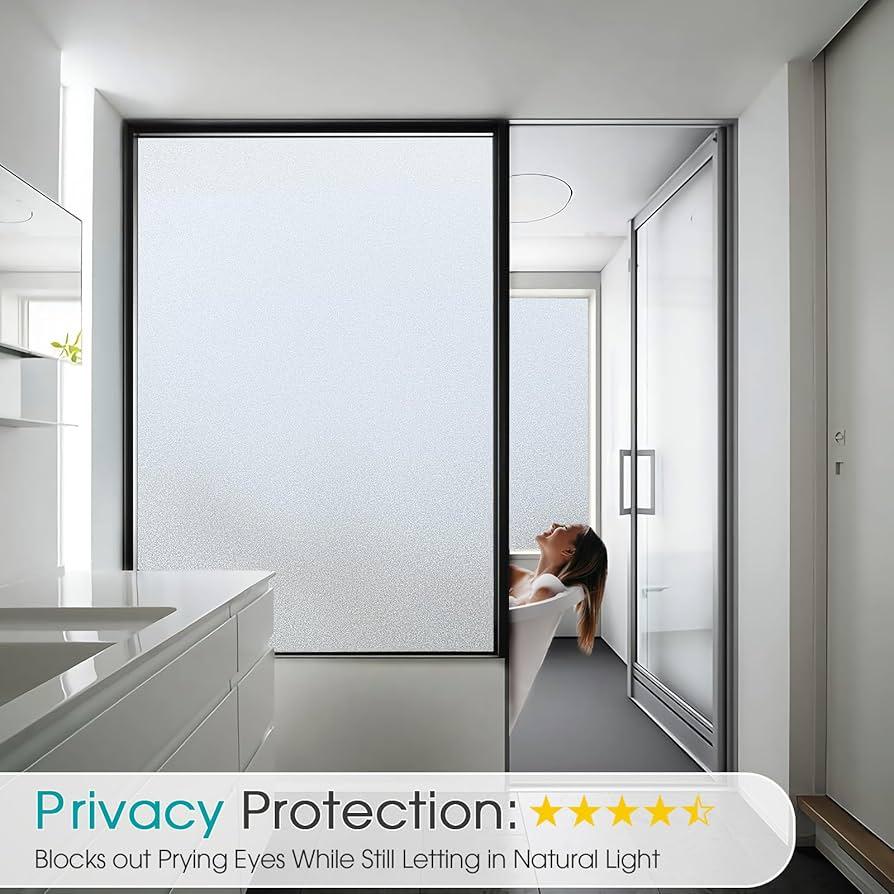
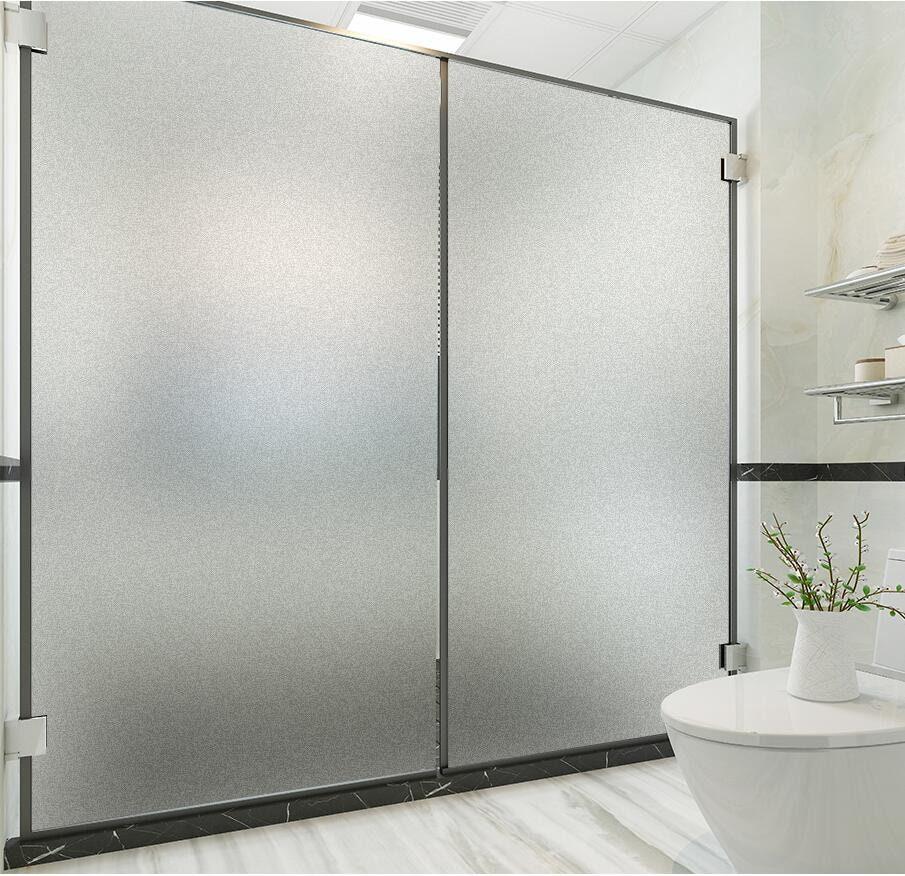
Frosted glass plays with light like a painter with a palette: it softens harsh rays into a warm, even glow while keeping sightlines pleasantly private. Use it where you want rooms to feel open without exposing their contents – think shower enclosures that feel spa-like, kitchen cabinets that hint at texture instead of clutter, or office partitions that allow collaboration without distraction. The trick is to pair the glass with materials that respond to its softness: warm woods, matte metals, and textiles that pick up the diffused color, creating interiors that are luminous but intimate.Balance, not blackout, is the goal – let the glass invite daylight in while gently refracting views away.
Practical ways to get that glow:
- Use frosted panels in upper windows to preserve wall space for art while letting light flow.
- Fit sliding frosted doors between living zones to create flexible, light-filled layouts.
- Combine clear and frosted panes-striped or patterned-for a modern, graphic privacy solution.
- Replace bulky blinds with frosted film to maintain brightness without the fuss.
These simple moves create a quiet luminosity that reads as both modern and humane; when you design with diffusion in mind, you make light itself a material of comfort.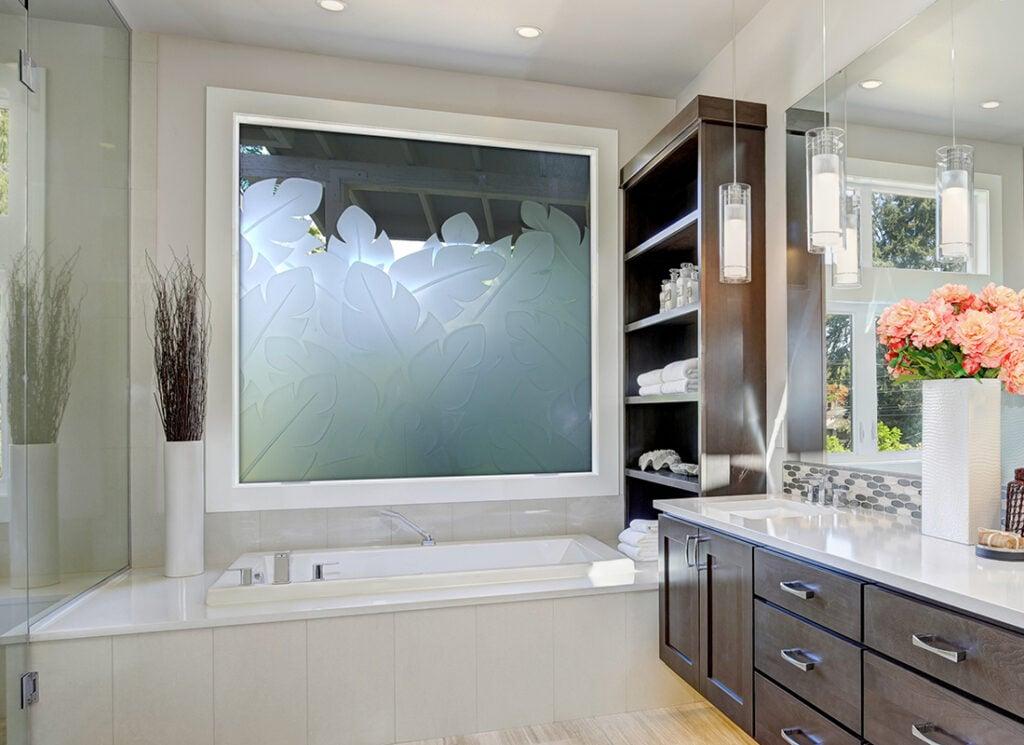
Finish Matters: Selecting Opacity, Texture, and Color for Your Space
Think of frosted glass as a painter’s veil – it controls what the eye can keep and what it must guess at.Choose opacity not by a fixed percentage but by the emotion you want to evoke: higher translucency for soft, communal light; denser frosting for private, intimate nooks. Texture is your tactile vocabulary – from whisper-smooth acid-etched panels to coarse sandblasted surfaces – each interacting differently with paint hues, brass hardware, and matte tiles. Pair a cooler, subtle frosting with warm woods to create balance, or match bolder tinted frosts with minimalist metal frames to sharpen contrast and voice within the room.
Practical selection becomes simple when you match finish to function: prioritize glare reduction in work areas, privacy in bathrooms and bedrooms, and decorative translucency in passageways and storefronts. Below are speedy cues and a visual guide to help translate mood into material choices.
- Workspaces: low-contrast frosting to keep daylight steady without visual distraction.
- Bathrooms: medium-to-high opacity for privacy with soft light diffusion.
- Partitions: patterned textures to suggest separation while maintaining openness.
- Feature walls: tinted frosts to introduce color without overpowering the palette.
| Look | Opacity | Suggested Use |
|---|---|---|
| Sheer Mist | 10-30% | Open-plan screens |
| Soft Veil | 40-60% | Bathrooms, shower doors |
| Quiet Stone | 70-90% | Bedroom partitions, dressing areas |
Seamless Pairings: How to Combine Frosted Glass with Wood Metal and Fabric
Think of frosted glass as the diplomatic element in a material conversation: it softens the sharpness of metal, lifts the heaviness of wood, and flirts gently with fabric without stealing the scene. Use it to create balanced compositions where warm woods provide a tactile backbone, sleek metal adds graphic precision, and soft fabrics bring comfort. Below are practical pairings to spark combinations that feel intentional rather than accidental:
- Wood + Frosted Glass – Oak or walnut frames with frosted panels create a cozy, layered backdrop.
- Metal + Frosted Glass – Black or brass frames give crisp silhouettes and modern contrast.
- Fabric + frosted Glass - Linen curtains or upholstered screens soften light and deepen the palette.
| Material | Effect | Best use |
|---|---|---|
| Light Oak | Warm, airy | Sliding doors |
| Matte Black Steel | Modern, structured | Room dividers |
| Natural Linen | Soft, layered | window treatments |
To make combinations sing, focus on scale and finish: pair frosted panels with wider wood grain for a grounded look, or with thin metal profiles for an airy, industrial feel. Layering is key-place a frosted glass partition behind textured upholstery or beside a wooden console to create depth and reconcile different color temperatures. Small details like matching hardware finishes or choosing matte over glossy surfaces will keep the ensemble cohesive; think in terms of three materials per vignette and let frosted glass act as the gentle mediator that unifies them.
Functional Details: Hardware Framing and Installation Tips for Doors and Partitions
Choose frame profiles and anchoring systems with the same care you give the glass: slimmer profiles and flush channels work beautifully with frosted panes, but they demand precise tolerances. Favor aluminum frames for their corrosion resistance and clean lines,or specify stainless-steel anchors where extra strength is required. Integrate compressible gaskets and clip-in glazing beads to protect the frosted surface and allow micro-movements; these small details prevent scratching and visual distortion. During design, allocate a consistent edge clearance (typically 3-6 mm) and plan for access panels or removable stops so that panels can be lifted free without force if a repair or re-glaze is needed.
- Check plumb and level before fixing channels – small deviations become obvious on large frosted surfaces.
- Leave expansion gaps and use neutral-cure silicone to avoid staining or chemical reaction with the finish.
- Use shims and temporary stops to set glass height and alignment prior to final anchoring.
- Pre-fit hardware like patch fittings and hinges on a mock-up to confirm fitment with the opaque finish.
- Protect edges during installation with soft pads; never drag frosted glass over abrasive surfaces.
Fine-tune fittings and finishes after installation: adjust patch fittings, align strike plates and verify the soft-close mechanisms so doors glide without impact to the frosted surface. For partitions, consider modular framing that allows panel removal for future reconfiguration – this extends the life of both the glass and surrounding hardware. The short table below gives quick pairing ideas to match glass type and hardware; follow manufacturer torque specs and schedule a post-install inspection at three months to catch any settling or wear that could compromise seals or alignment.
| Hardware | Best for |
|---|---|
| Patch fittings | Frameless doors with full-width frosting |
| Aluminum channels | Sliding partitions and concealed systems |
| Concealed hinges | privacy doors where clean lines matter |
Care and longevity: Cleaning Repair and Performance Advice for Frosted Surfaces
Clean frosted surfaces gently to keep their soft matte charm without dulling the pattern: use a microfiber cloth, mild pH-neutral soap or a diluted vinegar solution, and warm water. Avoid abrasive pads, ammonia-based cleaners, and rough scrubbing, which can polish away the frosting or create shiny spots. Quick tips to remember:
- Wipe spills immediately with a soft cloth to prevent staining.
- Dust weekly; deep clean monthly or as needed.
- Test any new cleaner on a small hidden area first.
- For stubborn marks, let a damp cloth sit for a minute before gently blotting.
These small habits protect the finish and maintain privacy and light diffusion without compromising the texture.
When damage occurs, assess whether the issue calls for DIY fixes or professional help: light scratches might potentially be softened with a specialized glass polish, while etched or heavily worn areas frequently enough benefit more from professional refrosting or film replacement. To extend performance, consider applying a protective sealant supplied by glass specialists and avoid heavy adhesives or stickers that can lift the frosting. A simple maintenance schedule helps:
- Minor spot repair: attempt with polish or gentle rubbing compound.
- Major surface wear: consult a professional for re-frosting or replacement.
- Preventative: use films or edge guards in high-contact areas.
| Task | Frequency |
|---|---|
| Dusting | Weekly |
| Gentle cleaning | Monthly |
| Inspection for wear | Annually |
Following these steps ensures frosted glass stays beautiful and functional for years without losing its modern appeal.
The Conclusion
Like a soft veil that shapes light rather of blocking it, frosted glass quietly redefines space. Used thoughtfully, it balances privacy with openness, adds texture without visual noise, and brings a modern calm to kitchens, bathrooms, partitions, and furnishings.The key is intentionality: choose locations where diffused light enhances mood, pair frosted panels with contrasting materials for depth, and vary opacity and pattern to suit function.
Practical details matter: edge finishes, framing, and hardware influence the overall effect as much as the glass itself, and layering frosted panels with clear glass or open shelving refines sightlines while maintaining brightness. Maintenance is straightforward but worth considering when selecting surface treatments and installation heights. Start small if you’re unsure - a cabinet door, shower screen, or office divider lets you test scale and style before committing to larger applications.
Frosted glass is less a trend than a tool. When you approach it with a clear brief – light, privacy, texture – it becomes a subtle, enduring element that lifts a room without shouting. Experiment within those boundaries, and you’ll find ways for this understated material to shape modern interiors that feel both open and intimate.