
In the world of interior design, few colors have sparked as much debate as gray. once hailed as the chic neutral that could seamlessly blend elegance with modernity, gray walls have become a prevailing choice in homes across the globe. Yet, as trends evolve and our preferences shift, the question arises: is it time to break up with gray walls? This article delves into the subtle nuances of our love affair with gray, exploring its psychological impacts, design implications, and the emerging palettes that beckon us to consider a fresh start. Join us as we navigate the spectrum of color and creativity, weighing the merits of our longstanding relationship with gray against the vibrant alternatives that might rekindle our passion for home decoration.
The Psychology of Color: Understanding the Impact of Gray Walls
The color gray often evokes a sense of neutrality and calmness, establishing an surroundings of sophistication and elegance. However, in the realm of interior design, its impact can vary greatly depending on the other elements of the space. On one hand, gray walls can create a serene backdrop that allows for adaptability in décor and furnishings.On the other hand, too much gray can lead to feelings of indifference or even sadness, making a space feel cold and uninviting. it’s essential to consider not just the aesthetics but also how the psychological effects of gray might influence mood and behavior.
When considering whether gray walls are still the right choice for your living space, think about the following aspects:
- Lighting: Gray appears different under various lighting conditions, which can either enhance or diminish its appeal.
- Accent Colors: Pairing gray with vibrant colors can infuse energy into a room,preventing any potential dreariness.
- Space Perception: Lighter grays can make small spaces feel larger, whereas darker grays may contract the perception of space.
| Shade of Gray | Psychological Effect |
|---|---|
| Light Gray | Calm and expansive |
| Medium Gray | Neutral and stable |
| Dark Gray | Seriousness and introspection |

Fresh Perspectives: Alternative Color Palettes for Modern Spaces
As the minimalistic trend continues to dominate modern interiors,many homeowners have turned to gray as their go-to hue for walls. Though, after years of subdued tones, it might be time to explore a spectrum of alternatives that can breathe fresh life into your living environment. Consider embracing colors that evoke emotion and personality. Such as, shades of soft green can create a serene atmosphere, while warm terracottas add a touch of earthiness and vibrancy. Explore the following options:
- Dusty Rose: offers a soft, romantic backdrop.
- Seafoam Blue: Creates a refreshing coastal feel.
- Deep Indigo: Adds depth and sophistication.
- Mustard Yellow: Infuses warmth and cheerfulness.
To further enrich your space, consider experimenting with color combinations that bring balance to your interiors. For instance, pairing a muted sage with crisp white trim can elevate the elegance of a room, while an accent wall in charcoal can ground lighter shades without overpowering them. Below is a simple table to visualize some effective complementary palettes:
| Base Color | Accent colors |
|---|---|
| Soft Lavender | Mint Green, Pale Yellow |
| Light Gray | Burnt Orange, Charcoal |
| Warm Beige | Teal, Olive Green |
| Rich Navy | Coral, Cream |

From Dull to Dynamic: Transforming Your Room with Vibrant Hues
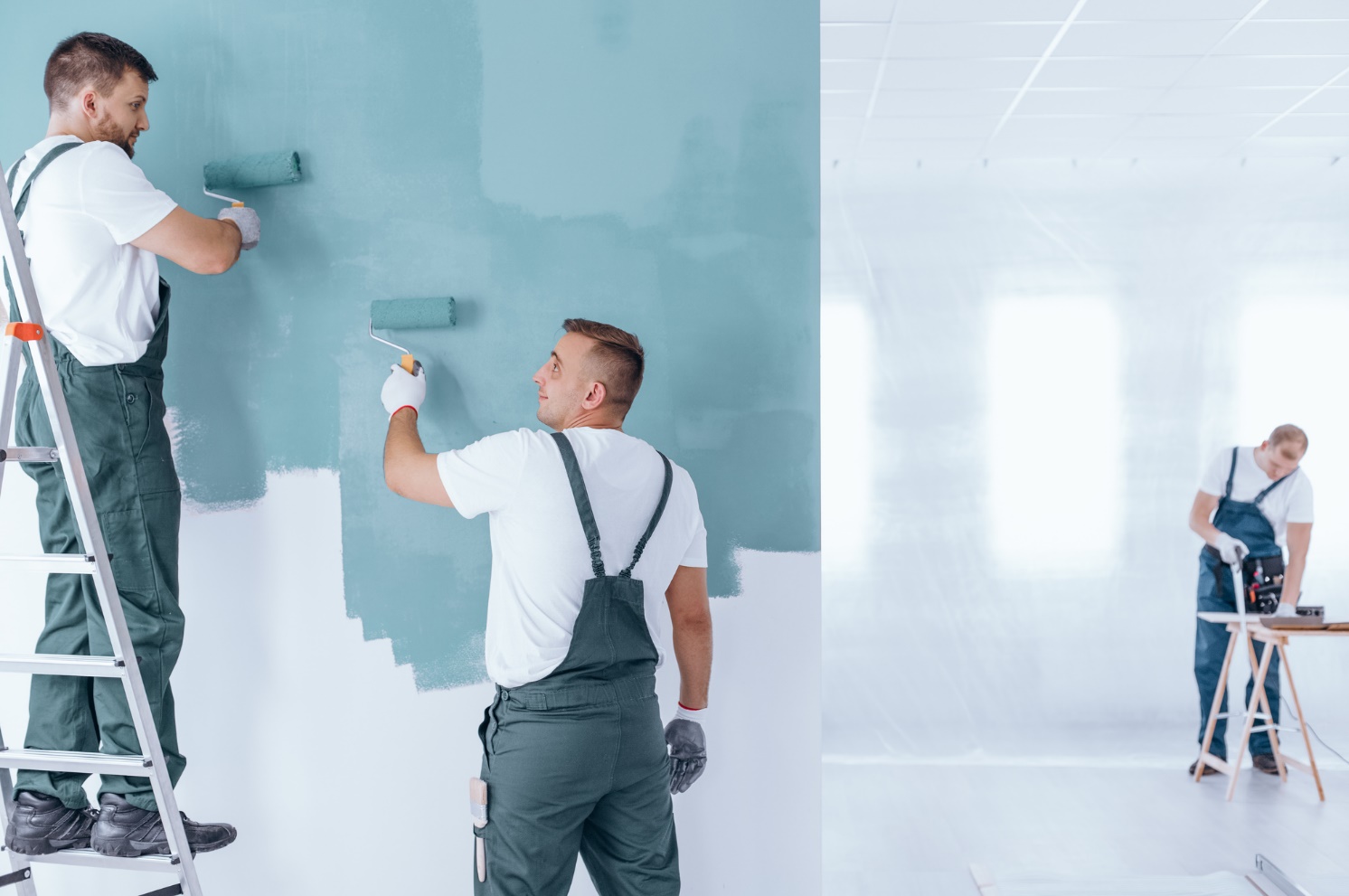
Gray walls may provide a blank canvas, but they can also evoke a sense of dullness that stifles creativity. By introducing an array of lively colors, you can transform your space into an energetic sanctuary that reflects your personality. Imagine vibrant blues, sunny yellows, and lush greens washing over your walls, inviting an uplifting aura that inspires you each day.Consider these bold color choices:
- Azure Blue: Creates a feeling of calm and tranquility.
- Citrus Yellow: Infuses energy and joy into any room.
- Forest green: Brings a touch of nature indoors, promoting relaxation.
- Coral Pink: Adds warmth and a playful vibe.
Rather than committing to one single hue,think about implementing a two-tone scheme or an accent wall to add depth and dimension.Different colors can define spaces, guide the eye, and even enhance the mood of your environment. Below is a simple guide to help you visualize the impact of color pairings:
| Color Pairing | Effect |
|---|---|
| Blue & Yellow | calming yet energizing |
| Green & White | Refreshing and clean |
| Gray & Coral | Modern with a lively twist |
| rust & Cream | Warm and inviting |

The Role of Texture and Accent Colors in Revitalizing Gray Interiors
Gray interiors often evoke a sense of calm and sophistication, but they can easily feel cold or lifeless if not balanced with other elements. One effective way to breathe new life into these subdued palettes is through strategic use of texture. Incorporating materials such as plush fabrics, reclaimed wood, or even metallic accents can add a dynamic quality to gray walls. For instance, a soft velvet sofa or a woven textile on throw pillows can provide contrast and warmth, enhancing the overall aesthetic. These tactile elements invite touch and engagement, inviting the feel of the room to become as enjoyable as its visual appeal.
Alongside texture,accent colors play a pivotal role in revitalizing gray spaces. Infusing vibrant hues like rich mustard, deep teal, or a soft blush can create focal points and energize the environment. Consider using these colors in artwork,decorative accessories,or even furniture pieces to break the monotony of gray walls. Moreover, a simple table showcasing complementary color pairings can serve as a quick guide for those reluctant to stray far from their gray roots. This balance between the muted and the vibrant leads to a layered, harmonious look that’s both modern and inviting.
| Accent Color | Best Texture Pairing |
|---|---|
| Mustard Yellow | Soft Wool |
| Deep Teal | Sleek Metal |
| Blush pink | faux Fur |
Creating a Cohesive Look: Harmonizing Gray Walls with Decor Elements
Gray walls set a refined foundation for any room, allowing you to elevate your decor with carefully chosen elements. To create a cohesive look, start by selecting a color palette that complements your chosen shade of gray. Consider incorporating textures and finishes that add dimension and warmth to the space. Some effective ways to achieve harmony include:
- Wood Accents: Incorporate wooden furniture or decor pieces that contrast beautifully with gray, providing an organic touch.
- Metals: Use metallic finishes like gold or brass in light fixtures or accessories to create a striking visual interest.
- Textiles: Layer various textiles, such as plush throws or patterned cushions, to break the monotony and add depth.
When mixing decor elements, adhering to a few stylistic guidelines can help maintain a crisp, unified look. Aim for a balance of colors that resonate with your gray walls without overwhelming the senses. A simple table can illustrate the popular color schemes and textures that work well:
| Color/Texture | Effect |
|---|---|
| soft Blue | Adds tranquility and refreshes the space. |
| Mustard yellow | Injects warmth and personality. |
| Blush Pink | Introduces softness and elegance. |
| Natural Fiber Rugs | Enhances comfort and warmth. |
To Wrap It Up
As we conclude our exploration of the gray wall phenomenon, it becomes clear that the choice to embrace or part ways with this versatile hue ultimately hinges on individual style, preferences, and the specific ambiance one wishes to cultivate within their space. Gray, with its myriad shades and depth, offers both calming minimalism and thoughtful sophistication; yet, it also holds the potential for monotony if overused or misapplied.
perhaps it is indeed time to consider a fresh palette that invigorates your surroundings and reflects your evolving identity. Whether you choose to introduce vibrant colors, warm neutrals, or bold patterns, remember that your living space is an expression of who you are. Gray may have provided a sturdy backdrop for countless design trends, but the beauty of home decor lies in its fluidity—what once felt right can always transform into something that better suits your vision.So, as you stand before those gray walls, ponder not just whether it’s time to say goodbye, but what new possibilities await beyond. Your space is a canvas; let it tell a story that is uniquely yours.