
In a world brimming with possessions and endless options, the art of designing a living space that feels both inviting and intentional can seem like a daunting task. We often find ourselves caught in the whirlwind of trendy décor, accumulating items that ultimately contribute to a sense of chaos rather than calm. Yet, what if we could transform our surroundings into a curated oasis-an habitat that reflects our individuality while radiating harmony? This article delves into the principles of creating a space that feels thoughtful and sophisticated, rather than cluttered and overwhelming. By exploring concepts of minimalism, mindful selection, and strategic arrangement, we can uncover the key to a home that speaks to us, inviting us to pause, breathe, and truly enjoy the beauty of our curated collections. Whether you’re an interior design novice or a seasoned enthusiast, join us as we embark on a journey toward crafting spaces that inspire and rejuvenate.
Creating a Vision: Defining Your Personal Aesthetic
To curate a space that reflects your unique identity, it’s essential to establish a vision that resonates deeply with you. Start by identifying key elements that evoke positive emotions and feelings. Consider exploring various inspirations-like vintage charm, minimalistic elegance, or vibrant bohemian patterns. Compile a list of items or styles that captivate you:
- Color Palette: Choose colors that create harmony and reflect your mood.
- Textures: Incorporate materials like wood, metal, or fabric that enhance tactile warmth.
- Artistry: select artwork or décor that tells a story or captures a cherished memory.
- Personal Touches: Include personal mementos to infuse your space with authenticity.
Once you’ve identified these elements, it’s time to visualize how they come together in your space.A cohesive aesthetic nurtures tranquility and inspiration, preventing clutter from overwhelming your environment. Create a mood board or digital collage that showcases your vision, aligning the colors, textures, and themes that resonate. As you implement your ideas, consider organizing your space using a structured approach:
| Zone | Purpose | Key Elements |
|---|---|---|
| Living Area | Relaxation | Cozy furniture, soft lighting |
| Workspace | Productivity | Organized desk, inspiring art |
| Bedroom | Rest | Calming colors, plush bedding |
With a clear vision guiding your choices, your space can transform into a curated collection that feels intentional rather than chaotic. Aim for balance; each zone should complement the others, creating a seamless flow throughout your home. Embrace the process of refinement, and allow your distinct aesthetic to shine in every corner, making your space truly your own.
Curating with Intention: Choosing Meaningful items
Each item in your space should resonate with your personal story and evoke positive emotions. Selecting meaningful pieces involves reflecting on the experiences and memories that define you. consider incorporating items that serve more than just decorative purposes-think of pieces that narrate your journey. This could include:
- Travel souvenirs that remind you of adventures.
- Photographs capturing cherished moments with loved ones.
- Artworks that inspire or evoke a sense of calm.
When curating your space, it’s essential to strike a balance; avoid overcrowding surfaces with too many items. Rather, emphasize quality over quantity by choosing a few standout pieces that can act as focal points. Use negative space deliberately to enhance the presence of each item. A simple table may help in visualizing your selection criteria:
| Item Type | Emotional Value | Functionality |
|---|---|---|
| Travel Souvenir | Joyful memory | Conversation starter |
| Family Photo | Sentimental connection | Personal reminder |
| Artwork | Inspiration | Aesthetic appeal |

Strategic organization: The Art of Layering and Zoning
To create an environment that resonates with curated aesthetics rather than chaos, the concept of layering and zoning is paramount. Think of your space as a canvas, where every element plays a role in the visual narrative. Start by defining distinct areas within your room,employing zoning to assign purposes.This could be a cozy reading nook, a work-from-home station, or a lively conversation corner. Use rugs or furniture arrangements to delineate these zones, ensuring each area feels unique yet belongs to the overall theme of your home.
Incorporate layering through carefully curated decor that adds depth and interest. This might include combining textures, colors, and heights to create a dynamic look. Assemble your items thoughtfully, such as grouping smaller pieces on a bookshelf and placing larger artworks on the walls above. Utilize the table below to visualize key aspects of layering and zoning, helping you to decide what elements to combine for a balanced and engaging space.
| Element | Purpose |
|---|---|
| Rug | Defines a specific area |
| Seating | Encourages social interaction |
| Artwork | Adds visual interest and height |
| Plants | Brings life and natural texture |
| Lighting | Creates ambiance and zone illumination |

Embracing Light and Space: The Role of Color and Texture
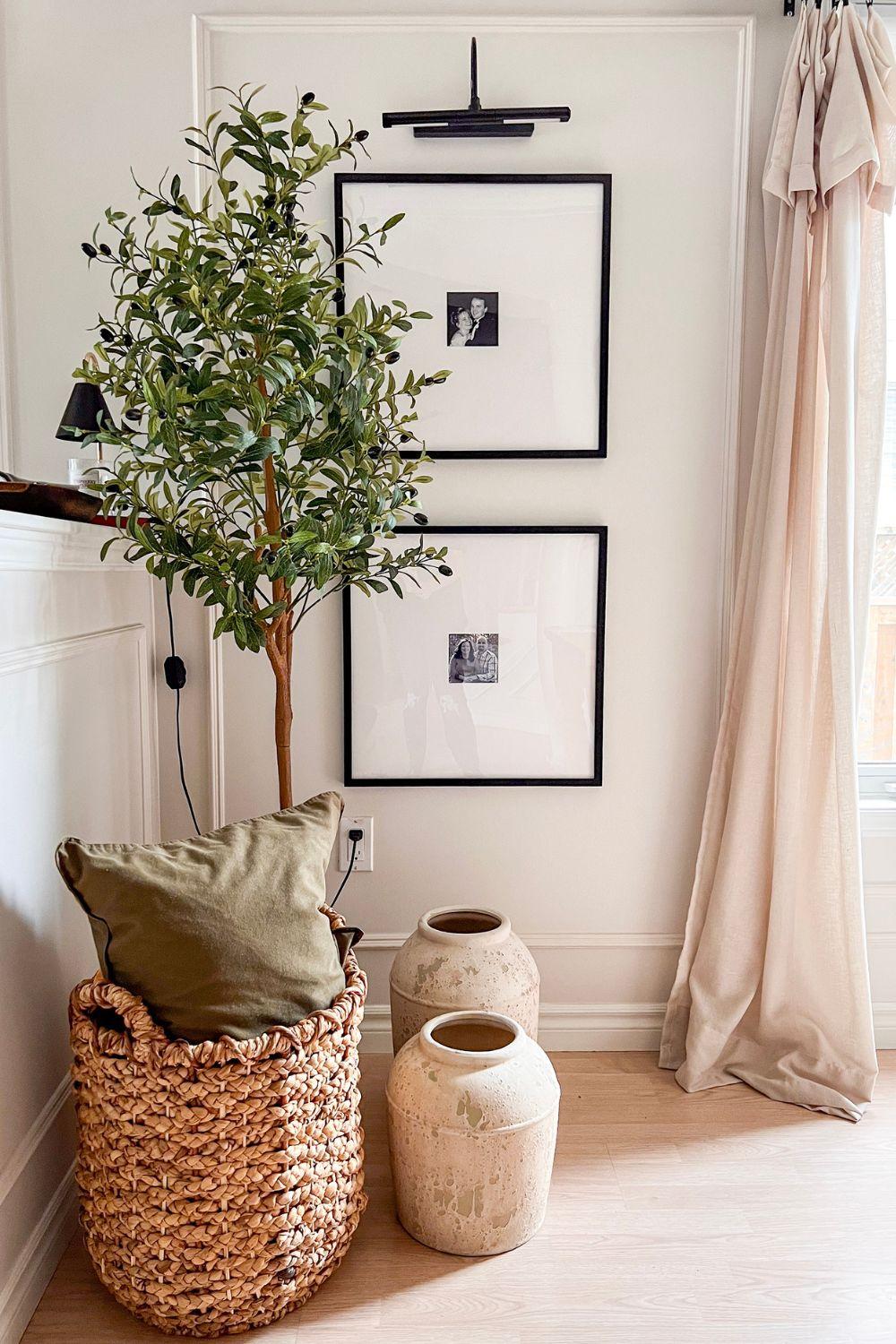
In designing a space that feels intentional and harmonized, the choice of color and texture is paramount. Colors can significantly influence the perception of space. As a notable example, light hues such as soft whites, pale blues, and gentle pastels can create an illusion of expansiveness, making even smaller areas feel airy and open. Pairing these colors with textures can further enhance the experience; consider using linen drapes, textured rugs, or woven baskets to bring depth and engagement to flat surfaces. These elements work symbiotically, where color draws the eye, while texture invites touch, fostering a dynamic atmosphere that encourages exploration without overwhelming the senses.
Moreover, it’s essential to incorporate a balanced selection of materials that complement your color palette. use a mix of organic textures like wood or stone to ground your space, while introducing pops of smooth, modern finishes for contrast. By creating a marriage of textures-smooth vs. rough, matte vs. glossy-you instantly elevate your decor. Here’s a simple guideline for layering colors and textures effectively:
| Color Palette | Texture Ideas |
|---|---|
| Soft neutrals | Faux Fur Throws,Velvet Cushions |
| Nature-Inspired Greens | woven Rattan,Distressed Wood |
| Bold Accent Colors | Glossy Ceramics,Polished Metals |
With careful curation of these elements,you can transform any space into a sanctuary that reflects your personal style while remaining clear of clutter. Such a thoughtful approach to color and texture will not only beautify your environment,but also create a soothing retreat that invites relaxation and rejuvenation.

Mindful Maintenance: Sustaining a Curated Environment
Creating a space that feels curated rather than cluttered stems from a commitment to mindful maintenance. This involves consistently evaluating your environment and curating it with intention. Begin by establishing a set of criteria to determine what stays and what goes. Focus on items that add functionality, beauty, and sentimental value. Regularly revisit these criteria to ensure your space remains aligned with your evolving aesthetic and needs. This process transforms your environment into a living, breathing gallery of your style and preferences.
Moreover, fostering a routine that emphasizes the delicate balance between organization and expression is essential.You might consider implementing a seasonal review, where you designate time to reassess your space. To aid this practice, consider these simple strategies:
- Declutter systematically: Tackle one area at a time to avoid feeling overwhelmed.
- Incorporate multi-functional furniture: Choose pieces that serve more than one purpose.
- designate “cool-off” zones: Create areas where items can temporarily reside before making a final decision on their fate.
As you refine your selection, nurture the items that resonate with you. Consider creating a small table or display unit dedicated to your favorite pieces, allowing them to shine without the distraction of excess. Below is a simple table of potential elements for your curated space that align with the aesthetic you wish to achieve:
| Element | Description |
|---|---|
| Art Piece | Choose a statement piece that reflects your personality. |
| Plants | Add greenery to invigorate and purify your space. |
| Books | Display curated books to add layers of interest. |
Wrapping Up
As you embark on your journey to transform your space from chaotic to curated, remember that each item you choose to display is a reflection of your unique story. By prioritizing intention over quantity, you can create an environment that not only feels inviting but also resonates with your personal aesthetic and values. Embrace the art of selection, give thoughtful consideration to every piece, and allow your space to breathe. With patience and a discerning eye, you will craft a sanctuary that celebrates both simplicity and elegance-one that inspires tranquility and sparks joy. So take a step back, assess your surroundings, and let the magic of curation turn clutter into clarity, making your home a true reflection of you.