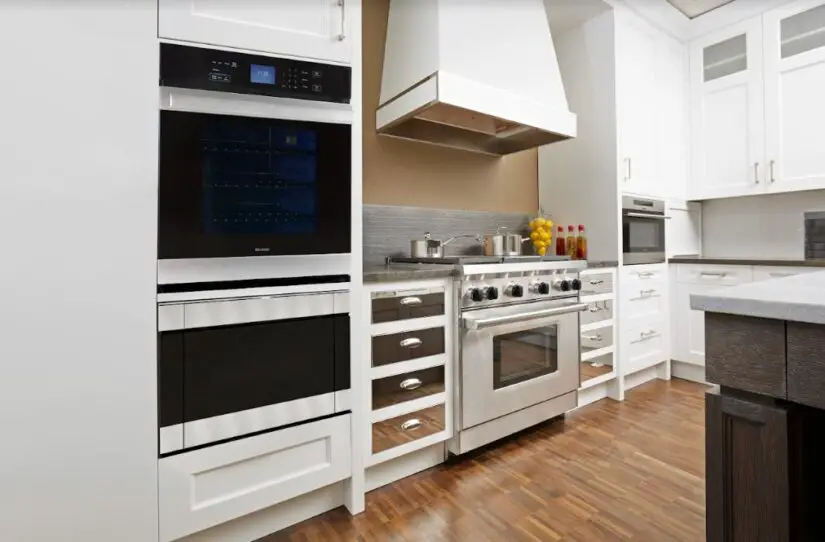

There is a quiet logic to the interiors of luxury yachts: every curve, seam and surface answers not just to aesthetics but to weather, motion and space. Built for movement and close attention to detail, these vessels compress comfort and functionality into compact, carefully considered environments. The result is a design language that balances restraint with refinement – pared-back yet undeniably luxurious.
Taking cues from yachts shifts the focus from extravagance to intelligence: durable materials that still feel tactile, layouts that prioritize flow and daylight, and storage solutions that disappear without sacrificing accessibility. Lighting,texture and a disciplined palette do the heavy lifting,turning practical constraints into moments of visual calm. Whether you live in a city apartment or design a seaside retreat, these principles translate into interiors that feel purposeful and serene.
This article explores how yacht-inspired strategies can be adapted for residential and commercial spaces. We’ll look at specific approaches – from space-saving joinery and marine-grade finishes to proportion, scale and the art of curated restraint – and explain how to apply them so your interior feels as composed and considered as a vessel at sea.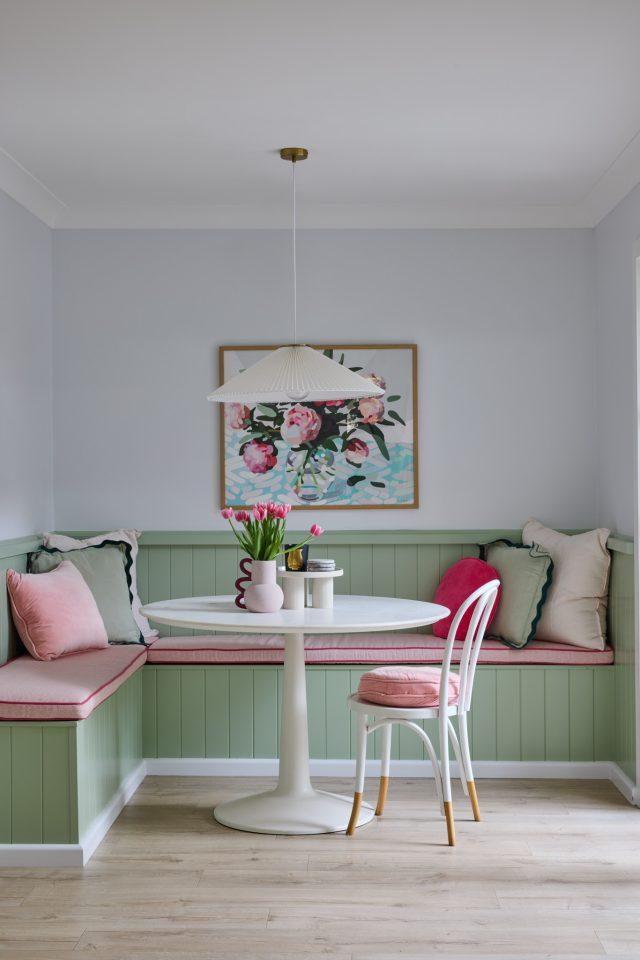
Maximal Comfort in Minimal Space: built In seating, Foldaway Beds and Seamless Storage
Think like a shipwright: integrate seating that feels sculpted from the room rather than dropped into it. Low banquettes with contoured backs, flip-top benches and disguised footwells create the illusion of spaciousness while offering every-day storage beneath. Use slim, continuous cushions and tucked-in seams to keep lines clean; the seating becomes both a lounging surface and a storage system. Prioritize multi-function elements - a bench that extends into a guest berth, a table that stows against the wall to clear a passage – and choose mechanisms built for repeated motion: gas-lift supports, soft-close slides and recessed handles that keep the silhouette uninterrupted.
- Under-seat drawers sized to stack linens, tools or pantry items
- Flip-up berths and trundle systems that convert in seconds
- Hidden rails and recessed hardware to preserve flow
- Modular cushions with removable, marine-grade covers
- Integrated lighting in toe-kicks and under ledges for depth
| Feature | Benefit |
|---|---|
| Under-bench drawers | Maximizes hidden capacity without extra footprint |
| Wall-folding berth | Daytime living space that becomes a cozy night retreat |
material choices and proportions sell the illusion: warm veneers, satin lacquer and narrow-grain textiles read as luxe while staying lightweight and durable. Keep palettes neutral with one reflective surface to bounce light, and use continuous sightlines-no freestanding tall pieces to break the view. For longevity, specify hardwood-faced plywood, replaceable upholstery panels and hardware rated for marine or high-cycle use; small details like recessed drains under cushions or vented cabinetry keep fabrics fresh and systems accessible.Measured tolerances, thoughtful clearances and a commitment to hidden function turn compact interiors into calm, highly livable spaces inspired by ocean-going craft.
Marine Grade Materials for Everyday Life: Moisture Resistant Fabrics,Lightweight Composites and Corrosion Proof Metals
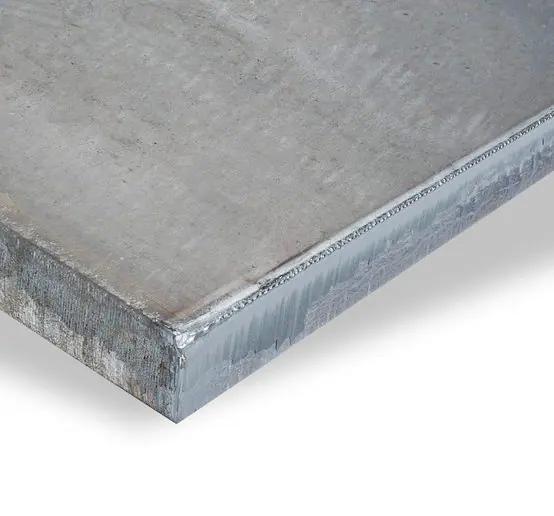
Think of yacht cabins: muted palettes,tactile surfaces and hardware that survives salt,sun and years of use. adopting that mindset at home means favoring moisture‑resistant fabrics for upholstery and drapery,lightweight composites for custom furniture and accents,and corrosion‑proof metals for visible fixtures.Use these elements to create a calm, utilitarian luxury-soft, washable textiles in neutral hues, sculpted composite panels that read like carved wood but weigh a fraction, and satin‑finished anodized metals that remain pristine. Practical ways to translate the idea include:
- Choose marine-grade outdoor fabrics for indoor dining nooks and bathrooms
- Specify composite tops for high-traffic tables and kitchen islands
- Swap plated fittings for stainless or anodized aluminum hardware
- Prioritize sealed joins and marine adhesives where moisture gathers
The result is an interior that feels both engineered and inviting: minimal maintainance, extended longevity, and a subtle nod to nautical elegance through clean lines and purposeful material choices. Below is a compact reference to help pair material to moment-keep it visible when specifying finishes or shopping for components.
| Material | Benefit | Everyday Use |
|---|---|---|
| Marine fabric | waterproof, fade‑resistant | Outdoor cushions, bathroom seating |
| Carbon‑look composite | Light, strong, sculptural | Console tops, floating shelves |
| Anodized aluminum | rust‑proof, low maintenance | Door handles, bathroom fixtures |
Layered Lighting and Ventilation: LED Task Lighting, Dimmable Ambient Zones and Strategic Skylights
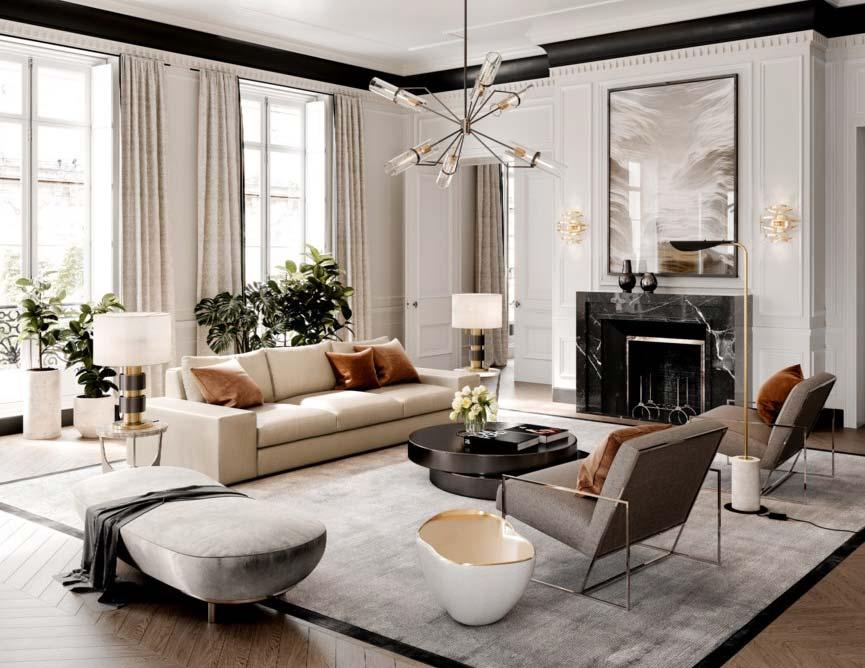
Think like a naval designer: every light and vent has a job. On yachts, slender LED task fittings carve out work zones without stealing the view, while dimmable ambient banks shift a room from bright prep to candlelit calm in a single touch. Use low-profile, tunable LEDs for task areas and conceal sources in coves or valences to eliminate glare; pair those with zoned dimming so living, cooking and sleeping areas read as distinct scales of light. ventilation is equally purposeful – crossflows and vented hatches create a constant, gentle exchange; translate that into your home with strategically placed operable skylights and transfer grilles that favor steady circulation over noisy blasts.
- LED Task – directional, adjustable CCT for precision and mood.
- Ambient Zones – multi-scene dimmers with discreet placement.
- Skylights + Venting - daylight plus stack-effect airflow where possible.
Implement these ideas by layering: start with task LEDs at counters and reading nooks, add dimmable ceiling banks for ambience, then punctuate with controlled daylight through skylights that also vent.For best results, map circuits to activities (prep, dine, relax) and install smart controls or manual presets so lighting responds to life, not a single switch.Likewise, treat ventilation as choreography - use passive paths and small, quiet exhausts rather than overpowering fans, and select skylights that offer both light and a subtle, usable inlet for fresh air.
| Feature | Yacht Idea | Home Translation |
|---|---|---|
| Task Lighting | Low-profile directional LEDs | Under-cabinet, adjustable CCT strips |
| Ambient Control | Scene-driven dimmed banks | Multi-zone dimmers with presets |
| Skylights | Deck-integrated vent hatches | Fixed+venting skylights for daylight & airflow |
Flow and Sightlines: Open Circulation,Hidden Doors and Low Thresholds for Effortless Movement
Think of rooms as decks: arranged so your eye and body travel without interruption. By aligning sightlines, lowering thresholds and hiding doors behind continuous panels, a home can feel like one elegant ribbon of space rather than a series of stops. Small moves make big differences – use flush flooring transitions, pocket or pivot doors concealed in the wall plane, and uninterrupted cabinetry to maintain a single visual flow. key elements to aim for include:
- Seamless flooring that runs through thresholds
- concealed doors finished with the same veneer as walls
- Low or recessed door frames to remove visual bumps
- Continuous lighting that guides movement
Applying yacht logic means prioritizing unobstructed circulation and visual calm: keep sightlines low and long, cluster utility zones to avoid cross-traffic, and choose hardware that disappears into the design. Small details – chamfered thresholds, coordinated floor patterns, and matte finishes that reduce glare – translate into effortless movement and a sense of refinement. The quick reference table below shows simple choices and their spatial payoff.
| Solution | Spatial Benefit |
|---|---|
| Flush pocket doors | Uninterrupted paths, instant privacy |
| Continuous planks | Elongates and unifies spaces |
| Low-profile thresholds | Smoother transitions, safer movement |
The Conclusion
Like the wake left behind a well-handled yacht, good design should feel unavoidable – a path cleared by intention, craftsmanship and restraint. The lessons borrowed from luxury vessels aren’t about imitation but interpretation: prioritize flow, honest materials, purposeful storage and moments of quiet luxury that reward close attention.
Apply these ideas in measured doses. Balance proportion and practicality, let light and texture do the storytelling, and choose details that age gracefully rather than shout for attention.Done thoughtfully, each choice will contribute to an interior that feels calm, efficient and quietly refined.
If you take one thing from the bridge to the living room, let it be this: design that respects space and use will always feel more luxurious than ornamentation alone.Experiment, pare back, and enjoy the clarity that thoughtful restraint brings.