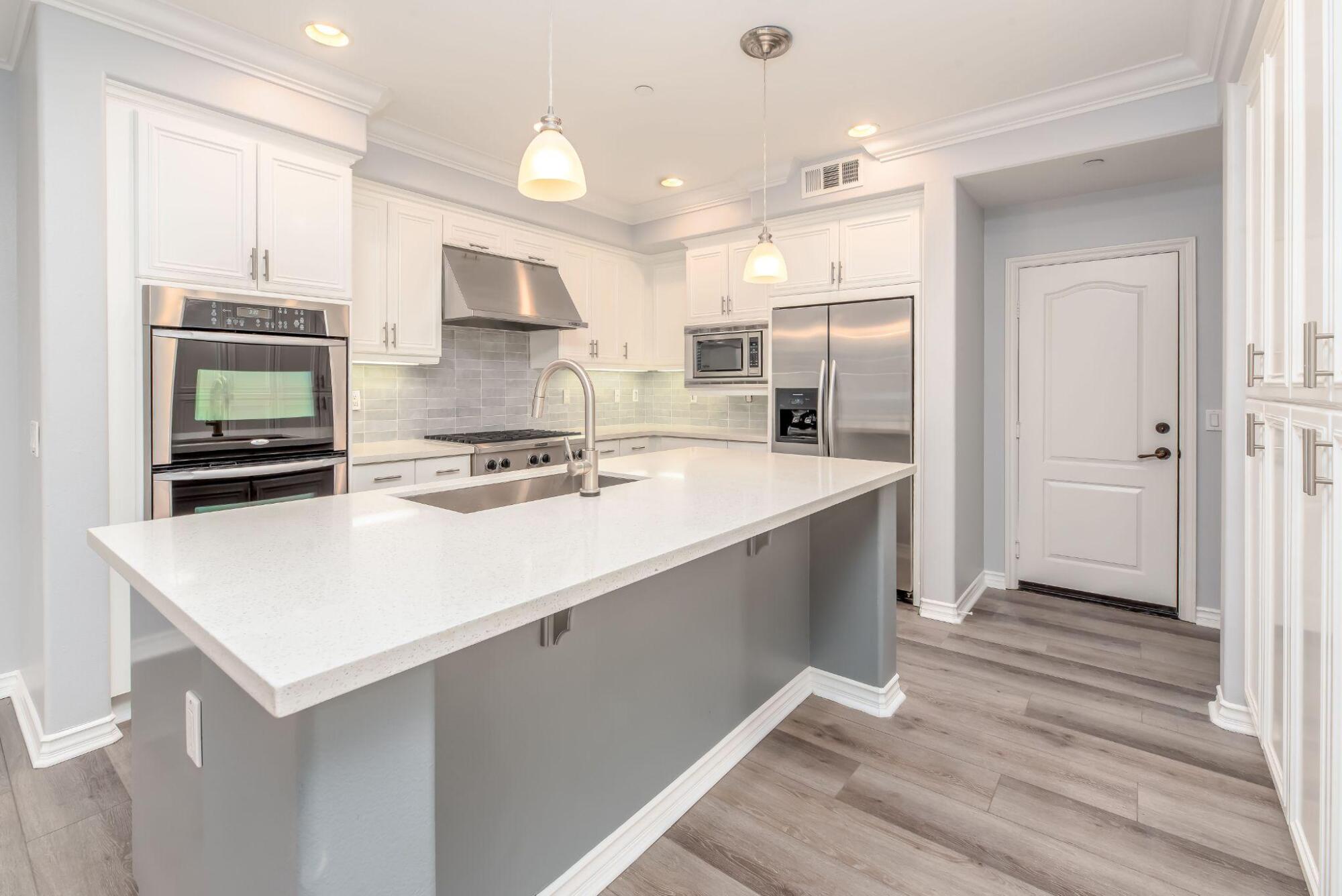

In teh world of visual aesthetics, the rule of thirds stands as a time-honored principle that has guided artists adn photographers for centuries. This compositional technique, wich divides a space into a grid of nine equal parts, encourages a balanced and engaging arrangement of elements. While its applications are easily recognizable in photography and painting,its influence extends far beyond these creative realms. Enter the realm of interior design, where the rule of thirds can elevate a room’s atmosphere, enhance functionality, and shape our emotional response to the spaces we inhabit. this article delves into the intricacies of the rule of thirds, exploring its relevance in interior design and illuminating why this simple guideline can lead to strikingly harmonious and inviting interiors. Join us as we unveil the secrets of this powerful design principle and discover how it can transform spaces into reflections of our style and essence.
Understanding the Rule of Thirds in Visual Composition
The rule of thirds is a guiding principle in visual composition that enhances the balance and interest of a space.By dividing an image or layout into nine equal parts using two vertical and two horizontal lines, you create focal points that align along these lines or at their intersections. This technique naturally draws the eye and encourages exploration of the entire room rather than settling on a single central object. In interior design, this means positioning key elements like furniture, artwork, or plants strategically to harness the power of visual storytelling, ensuring the layout feels harmonious and engaging.
Incorporating the rule of thirds can transform an uninspiring room into a captivating habitat. here’s how to implement this concept effectively in your interior design projects:
- Focal Points: Position major features such as a sofa, a coffee table, or an accent chair along one of the intersecting lines.
- Art Placement: Hang artwork at eye level, ensuring the art pieces align with the rule of thirds to create an inviting atmosphere.
- Accessorizing: Distribute decorative items like vases and books evenly across the space, focusing on placing them at the thirds for a balanced look.
| Element | Ideal Position |
|---|---|
| Sofa | Left or right third |
| Artwork | Top third |
| Accent Chair | Both bottom corners |
Applying the Rule of Thirds to Furniture Arrangement
When it comes to furniture arrangement, the rule of thirds can transform an ordinary space into an inviting and harmonious area. Imagine dividing your room into a grid of nine equal parts with two horizontal and two vertical lines.This simple concept can guide you in positioning your furniture for optimal visual interest. By strategically placing key pieces along these intersections, you can create balance and focus within the space. For instance, a sofa placed on one of these lines paired with a striking piece of art on the opposite line can draw the eye naturally, making the room feel well-composed and thoughtfully designed.
To effectively apply this principle, consider the following tips:
- Group Items: Cluster furniture elements to create zones, such as a reading nook or a conversation area, ensuring they align with the grid for better flow.
- Mix Heights: Incorporate furniture of varying heights; a low coffee table can contrast beautifully with tall bookshelves,enhancing the overall dynamics.
- Use Accessories: Decorate with accent pieces such as lamps or potted plants at the intersections to enrich the visual experience without overwhelming the space.
| Furniture Type | positioning Example |
| Sofa | Center of the left third |
| Accent Chair | Near the top right intersection |
| Coffee Table | Centered between the sofa and chairs |
| Rug | Extending across the lower third |

Balancing Color and Texture through divided Spaces
Creating visually appealing interiors requires a keen eye for color and texture, especially when applying the rule of thirds. Dividing spaces into three distinct sections allows for a harmonious balance that enhances both aesthetic appeal and functionality. By using contrasting colors and varying textures, you can create a dynamic atmosphere within each zone. As an example:
- Soft textiles: Incorporating cushions or throws with rich textures in one-third of the space adds warmth.
- Bold colors: Using a vibrant paint or wallpaper in another section injects energy and draws the eye.
- Natural elements: Bringing in plants or wooden features in the remaining area introduces an organic touch that balances the design.
To further enhance this balanced approach, consider using a table to visualize your space divisions. This can help in planning how color and texture will interact in each area:
| Section | Color | Texture |
|---|---|---|
| Section One | Soft Beige | Plush Fabric |
| Section Two | deep Teal | Smooth Gloss |
| Section Three | Earthy Green | Natural Wood |
This approach not only makes the space cohesive but also invites exploration and engagement, allowing each part of your room to tell a different story while complementing the whole.

Creating focal Points: Enhancing Your Design Narrative
In the realm of interior design, focal points serve as the heartbeat of a room, guiding the viewer’s eye and creating a harmonious space. One effective way to establish these focal points is by applying the rule of thirds, a compositional principle that divides any space into a grid of nine equal sections. By placing key elements-such as artwork, furniture, or architectural features-along these lines or at their intersections, designers can create balance and visual interest. This technique not only enhances the aesthetic appeal but also tells a narrative, directing how one interacts with the environment.
To make the moast of this concept, consider incorporating a few essential ideas:
- Strategic Placement: Position statement pieces, like a bold sofa or a striking light fixture, at one of the grid’s intersections.
- Contrasting elements: Pair soft textures with hard surfaces to draw attention and create depth.
- color and Light: Utilize lighting and color strategically to highlight focal points and enhance the overall ambiance.
A well-thought-out layout can elevate a room from ordinary to remarkable, making the viewer not just a passerby, but an engaged participant in the design narrative.

Practical Tips for Integrating the Rule of Thirds in Your Home
Applying the rule of thirds in your home can elevate the visual appeal of any room. Start by dividing your space into a 3×3 grid, either mentally or by using tape on the floor. Consider placing key furniture pieces and decorative items along the gridlines or at their intersections.as an example, you might hang artwork or photographs at one of the intersection points to draw the eye naturally, making a placement feel intentional and harmonious. Other elements, such as lamps or plants, can also be strategically situated in alignment with these gridlines, creating a cohesive look throughout the space.
To further enhance your design, pay attention to varied heights and textures while implementing this guideline. Use layers of materials like wood, metal, and fabric to add depth while arranging items in groups of three. A well-balanced arrangement might include:
- Three different sizes of pillows on a sofa
- Three vases of varied heights on a shelf
- Three types of lighting in a corner, such as a floor lamp, table lamp, and pendant light
This method not only makes your home visually engaging but also invites a sense of rhythm and flow that enhances your overall interior aesthetic.
Key takeaways
the rule of thirds is not just a guiding principle in photography and art; it holds a significant place in the realm of interior design as well. By thoughtfully dividing your space into harmonious segments, you can create visual balance and engaging compositions that draw the eye and invite interaction. Whether you’re arranging furniture, selecting decor, or planning lighting, applying this rule empowers you to craft a home that is both aesthetically pleasing and functional. As you embark on your design journey, remember that creativity knows no bounds; let the rule of thirds serve as your trusty compass, guiding you to create interiors that resonate with beauty and purpose. Embrace this principle, and watch as your spaces transform into artful havens, where every corner tells a story and every detail plays its part.