
Light flows where walls once stood. Glass partitions turn once-solid boundaries into porous, changeable planes – admitting daylight, extending sightlines and reshaping how rooms relate to one another without demanding demolition. Used thoughtfully, they can make a small apartment feel expansive, carve out a quiet office inside an open-plan living area, or let a shower feel airy without surrendering warmth.This article explores the smartest ways to put glass partitions to work at home: practical layouts that preserve privacy, material and hardware choices that balance safety and style, and design strategies that enhance light, acoustics and flow. Whether your after subtle separation, bold zoning, or a flexible, reconfigurable space, the right treatment of glass lets you control sightlines and atmosphere while keeping interiors radiant and breathable.
ahead are clear-headed guidelines and creative solutions grounded in real-world considerations-from thickness and framing to finishes and maintenance-so you can decide where glass will clarify your home and where solid walls still belong.
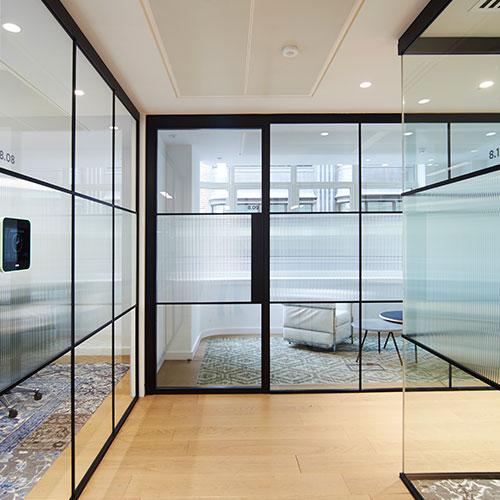
Maximizing Natural Light While Preserving privacy with Frosted Patterned and Switchable glass
Think of glass as a light sculptor: with a few smart choices you can flood interiors with daylight while keeping sightlines exactly where you want them. Use frosted patterned glass to scatter sunlight into a warm, even glow-ideal for bathrooms, hallway separators, and north-facing rooms where glare is the enemy. For moments when privacy must be instant and adaptable, switchable (PDLC) glass flips from clear to opaque at the touch of a button, blending modern convenience with minimalist design. Layering patterned frosting on a fixed pane and pairing it with a switchable sash or film allows you to enjoy both constant diffusion and on-demand opacity without sacrificing brightness.
Practical choices make the difference between a bright room and a blinding one-think transoms, sidelights, and partial frosted bands to control sightlines while keeping skylights and upper glazing clear. Consider these quick tips and a snapshot comparison to plan installations that prioritize both daylight and discretion:
- Diffuse first: use patterns to soften light before adding technology.
- Switch selectively: reserve PDLC for doors, conference areas, or bedroom sliders.
- Combine: patterned lower panels + clear upper panels for privacy without darkening the ceiling plane.
| Feature | Frosted Patterned | Switchable Glass |
|---|---|---|
| Privacy | permanent, elegant | On-demand, adjustable |
| Light Quality | soft, diffused | Bright when clear |
| Control | Design-led | Electronic |
Zoning Open Floor Plans with Frameless and Sliding Glass Partitions for Flexibility and Acoustic Control
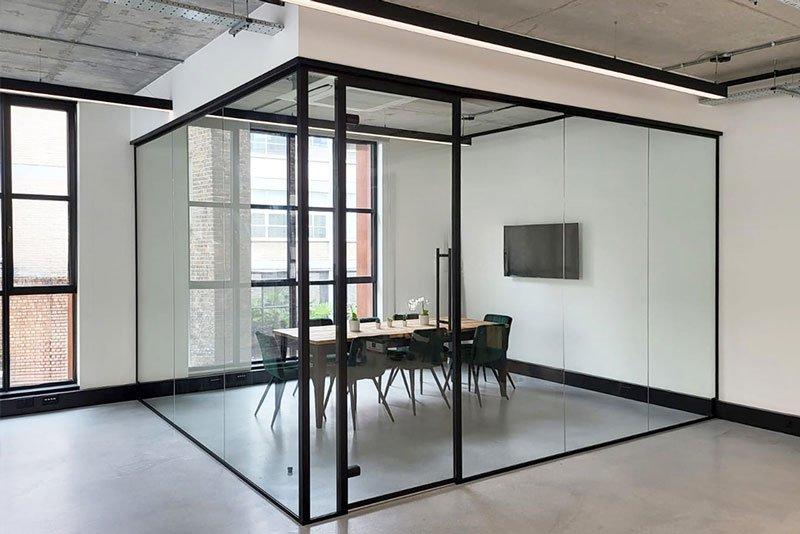
Frameless glass and sliding partitions turn an open-plan home into a living puzzle you can rearrange on a whim – they keep spaces airy while introducing intentional separation. With a single glide or a discreet hinge you can carve out a reading nook, define a dining area, or shelter a home office without losing daylight or the sense of flow. Glass keeps visual continuity, while clever hardware supplies the tactile flexibility: soft‑close tracks, top-hung rails and pocketed sliders make change feel effortless.
- Preserve sightlines to maintain a cohesive aesthetic
- Use clear, frosted or textured panels to tune privacy
- Opt for pocket sliders to vanish partitions when not needed
Acoustic control is the other half of the magic – the right detailing turns a pretty divider into a quiet, functional wall.Laminated or double-glazed panes, neoprene gaskets, and full-height seals dramatically reduce transmission while retaining brightness. Consider layering strategies: a sliding glass door backed by a heavy curtain, or a frameless swing with an acoustic sweep, for variable sound dampening tailored to the moment.
- Install acoustic gaskets and perimeter seals for speech reduction
- Combine glass types (laminated + clear) for balance of sound and clarity
- Use overlapping tracks or clips to minimize flanking noise
Selecting Glass Types and Frames for Durability Safety and Low Maintenance
Choose glass that works as hard as you do. Opt for toughened (tempered) or laminated panels for impact resistance and easy repair-tempered glass shatters safely, while laminated glass holds together like a safety net. For rooms that need privacy and light at once, consider low-iron frosted or sandblasted options; for climate control and sound damping, double-glazed units are a smart investment. Think of thickness and coatings as the glass’s armor: thicker panes resist bowing and noise, while low-E coatings cut glare and UV without blocking views.
- Tempered: high impact resistance, safe break pattern
- Laminated: holds shards, good for doors and bathrooms
- Low-iron/frosted: clearer visuals or discreet light diffusion
- Double-glaze: thermal and acoustic performance
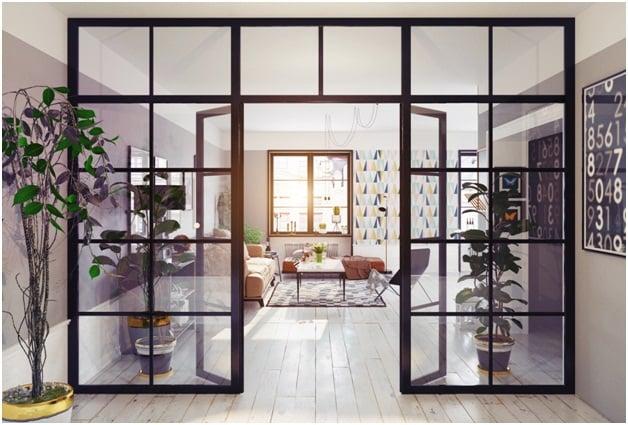
Frame choices determine longevity and upkeep. Lightweight aluminum with a quality powder coat is the go-to for modern, low-maintenance frames; stainless steel gives an architectural edge and corrosion resistance, while engineered wood or uPVC bring warmth and insulation with modest care. Pay attention to seals, drainage channels and hardware-good gaskets and concealed hinges greatly reduce the need for frequent maintenance. The little table below helps match performance to lifestyle at a glance.
| Frame | Durability | Maintenance |
|---|---|---|
| Aluminum (powder-coated) | High | Low - wipe clean |
| Stainless steel | Very high | Very low – occasional polish |
| uPVC / Composite | Medium | Low – simple cleaning |
| Engineered wood | medium | Moderate – occasional sealing |
- Prioritize sealed joints and quality hardware for long life.
- Choose finishes that hide fingerprints if low upkeep is key.
Choosing Hardware Seals and Finishes to Boost Soundproofing Security and Seamless Integration
small details make the loudest difference. Choose seals that combine compression and resilience – for example, neoprene gaskets for perimeter gaps, magnetic strips for a snug door closure, and drop-down thresholds to stop flanking noise under doors.Pair those seals with heavy-duty hardware: stainless steel or brass hinges and locksets damp vibrations better than lightweight alloys, and a tighter tolerance on pivot points reduces rattle.When security is a priority,opt for multi-point locking hardware and reinforced glass clamps that anchor into structural framing rather than just the glass.
- Seals: neoprene, silicone, magnetic, automatic drop seals
- Hardware: stainless, brass, powder-coated aluminum
- Security add-ons: multi-point locks, reinforced anchors
Finish choices decide whether a partition fades away or becomes a feature. Matte anodized frames and muted powder-coat colours tend to disappear into contemporary interiors, while polished brass or chrome can be used strategically to signal thresholds or make a statement. For seamless integration,use concealed fasteners,flush channel rails and continuous glass-to-glass joints with slimline seals; for high-performance soundproofing,combine those aesthetic choices with layered acoustic seals and acoustic gasketing applied at all meeting edges. Regularly specify finishes with durable clear coats where fingerprints and cleaning chemicals are frequent.
- Seamless look: flush channels,concealed hinges,matte finishes
- Acoustic performance: layered seals,drop thresholds,reinforced fixings
- maintenance: durable clear coats,corrosion-resistant metals
| Feature | Best for soundproofing | Best for seamless look |
|---|---|---|
| Seal type | Neoprene + magnetic | Low-profile silicone |
| Finish | Powder-coat with clear seal | Matte anodized |
| Hardware | Reinforced multi-point | Concealed hinges |
In Conclusion
Glass partitions do more than divide space – they rewrite how a home feels and functions. By bending light, framing views and balancing privacy with openness, they let you create rooms that are both practical and poetic.Whether you’re carving out a quiet study,brightening a dark hallway,or blurring the line between kitchen and dining,the smartest solutions think beyond the glass itself: consider placement,frame,finish and the daily rhythms of the household.Choose materials and treatments that match your needs, consult pros for structural and acoustic concerns, and don’t be afraid to mix transparency with texture or tech-frosted panels, sliding systems and switchable glass all broaden the possibilities. Thoughtful planning transforms partitions from afterthoughts into architecture that serves comfort,light and life.
When you next reimagine a room, let glass be both tool and storyteller: subtle, adaptable and designed to let your home breathe.