
Art has the remarkable ability too transform a space, evoking emotions, sparking conversations, and reflecting our personal narratives. Though, the placement of artwork can substantially influence its impact, turning a simple piece into a breathtaking focal point or allowing it to fade into the background. For those navigating the world of interior design, understanding the nuances of where to hang art is crucial. In this article, we delve into the essential guidelines and expert insights that designers swear by, exploring the balance of height, harmony, and context that can elevate your home decor. Join us as we uncover the art of art placement and discover how to curate your surroundings with intention and style.
Understanding the Eyeline: The Ideal Height for Hanging Art
When it comes to hanging art, a general guideline is to position the center of your artwork at eye level, which is typically around 57 to 60 inches from the floor. This height creates a seamless interaction between the viewer and the piece, making it more enjoyable and visually appealing. However, remember that eye level can vary depending on the room’s purpose and the furniture it contains. For example,in a dining room or sitting area,you may want to lower the art slightly to accommodate seated viewers,enhancing the experience.
it’s also essential to consider the scale of the art and the surrounding space. Larger pieces should be hung lower than smaller ones to maintain balance and harmony within the room. to make your selection process easier, here are some fast tips to keep in mind:
- Use furniture as a guide: Align the bottom of smaller art pieces with the top of sofas or mantels.
- Mix it up: Don’t hesitate to play with varying heights, especially in gallery walls or clusters.
- Consider sight lines: Ensure vital views aren’t obstructed by lower hung art.
creating Visual Balance: symmetry and Asymmetry in Art Placement
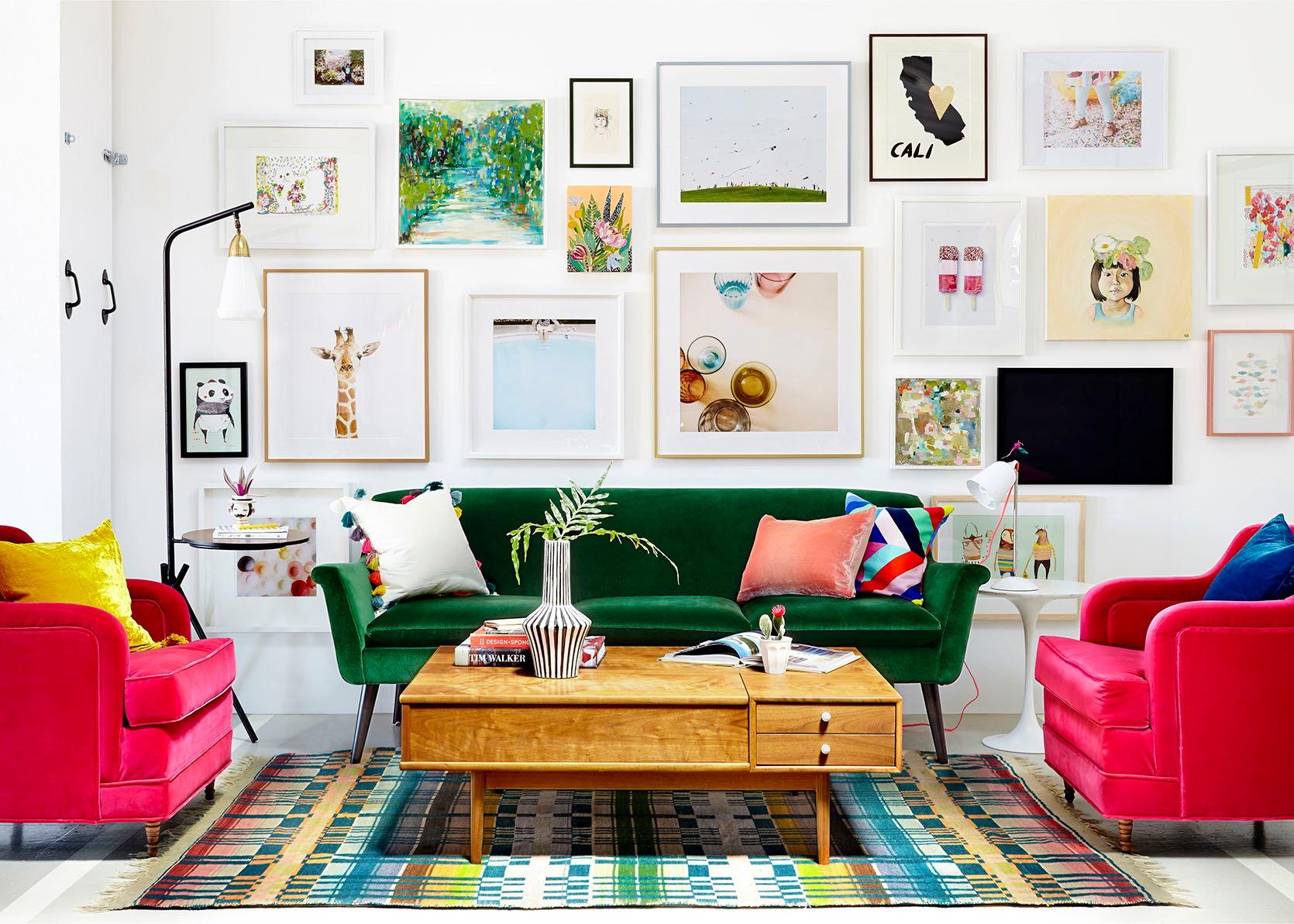
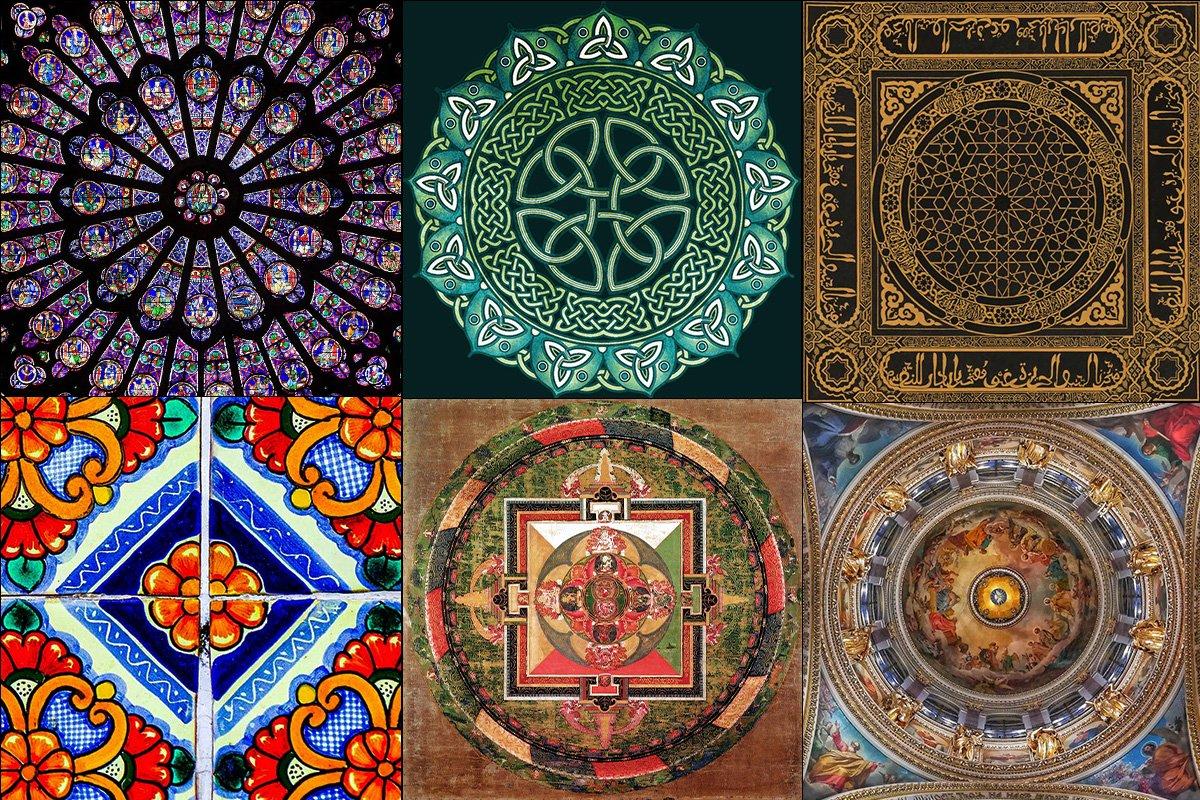
When arranging artwork, understanding the principles of balance is key to creating a visually appealing space. Symmetry, characterized by identical elements placed at equal distances from a central point, evokes a sense of harmony and formality. For example, hanging two identical pieces on either side of a fireplace or above a sofa can create a striking focal point while offering a classic aesthetic. On the other hand, asymmetry introduces dynamism and interest, allowing for a more relaxed and modern vibe. By grouping various pieces of differing sizes, colors, and styles, you can achieve a sense of balance that feels both intentional and effortless.
To effectively leverage thes concepts, consider the following tips:
- Assess the Space: Take note of the surrounding elements and architecture to inform your placement decisions.
- Experiment with Heights: Varying the height of art pieces can enhance the visual flow and draw the eye around the room.
- Utilize Common Themes: Cohesive colors or subjects help unify a collection, even if the layout is asymmetric.
| Style | Description |
|---|---|
| symmetry | Identical pieces flanking a central element for harmony. |
| Asymmetry | Diverse pieces creating visual interest without uniformity. |
Layering Art: Techniques for Adding Depth and Interest
to transform a flat wall into a visual feast, consider layering different art pieces to create a narrative. Start with a large statement piece as your focal point; this could be an oversized painting or an intriguing sculpture. Surround this base with various smaller artworks, such as framed photographs or textured prints, to add depth. Mixing formats-like combining canvas, prints, and textile art-can bring even more interest.Here are some tips to achieve a harmonious layered look:
- vary sizes: Combine varying sizes and shapes to guide the eye across the display.
- Use a Color Palette: Stick to a cohesive color scheme to unify disparate pieces.
- Mix Styles: Don’t shy away from contrasting elements; an abstract piece can beautifully highlight a classical portrait.
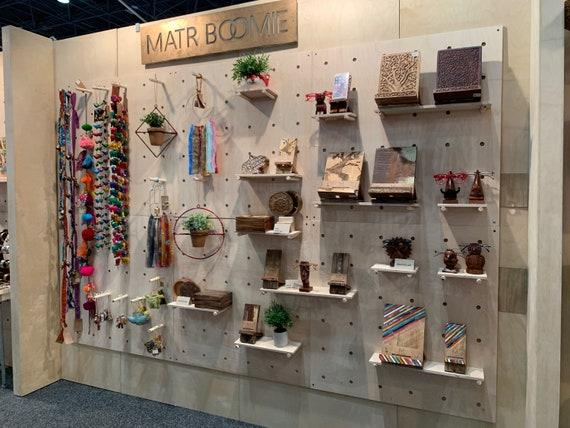
Another effective technique is to use shadow boxes or ledges to add dimensionality to your arrangement.This provides an prospect to add three-dimensional objects, such as ceramics or small sculptures, that inherently draw attention. Experimenting with glass and metallic finishes can also enhance the appeal of your art layerings. To maintain balance, consider the weight and composition of each layer. For example,placing heavier or darker pieces lower can ground the display while allowing lighter,airier pieces to float above. A simple table featuring weight and color could help in organizing your ideas:
| Art Type | Color Weight | placement |
|---|---|---|
| Large Canvas | Dark | Bottom |
| Framed Photo | Medium | Mid |
| Sculpture | Light | Top |
Choosing the Right Wall: Factors to Consider for Optimal Display
When it comes to displaying art, selecting the right wall can make all the difference. Consider the natural light that a wall receives; direct sunlight can cause colors to fade over time. If your artwork is sensitive to light, opt for walls that are less exposed to harsh beams, such as those in corners or shaded areas. additionally, the wall’s height and width play a crucial role in ensuring your pieces are proportionate and visually appealing. Large walls can handle bigger works or gallery installations, while smaller walls are perfect for a tightly curated selection.
Furthermore, think about the color and texture of the wall itself.A neutral backdrop can effectively highlight colorful pieces, while a bold wall can serve as a canvas in its own right, turning the nondescript space into a vibrant focal point. Consider the wall’s functionality as well; if it’s in a high-traffic area, make sure the art is durable and securely hung to withstand everyday wear. Here are some additional factors to ponder:
- Room Purpose: Choose art that complements the function of the space-soothing pieces for bedrooms,invigorating ones for creative spaces.
- Furniture Arrangement: Ensure the art interacts harmoniously with nearby furniture; as a notable example, hang artwork above a couch or dining table.
- Personal Style: Lastly, let your personality shine through; choose a wall that reflects your taste and invites conversation.
Incorporating Lighting: enhancing Art’s Impact with Strategic Illumination
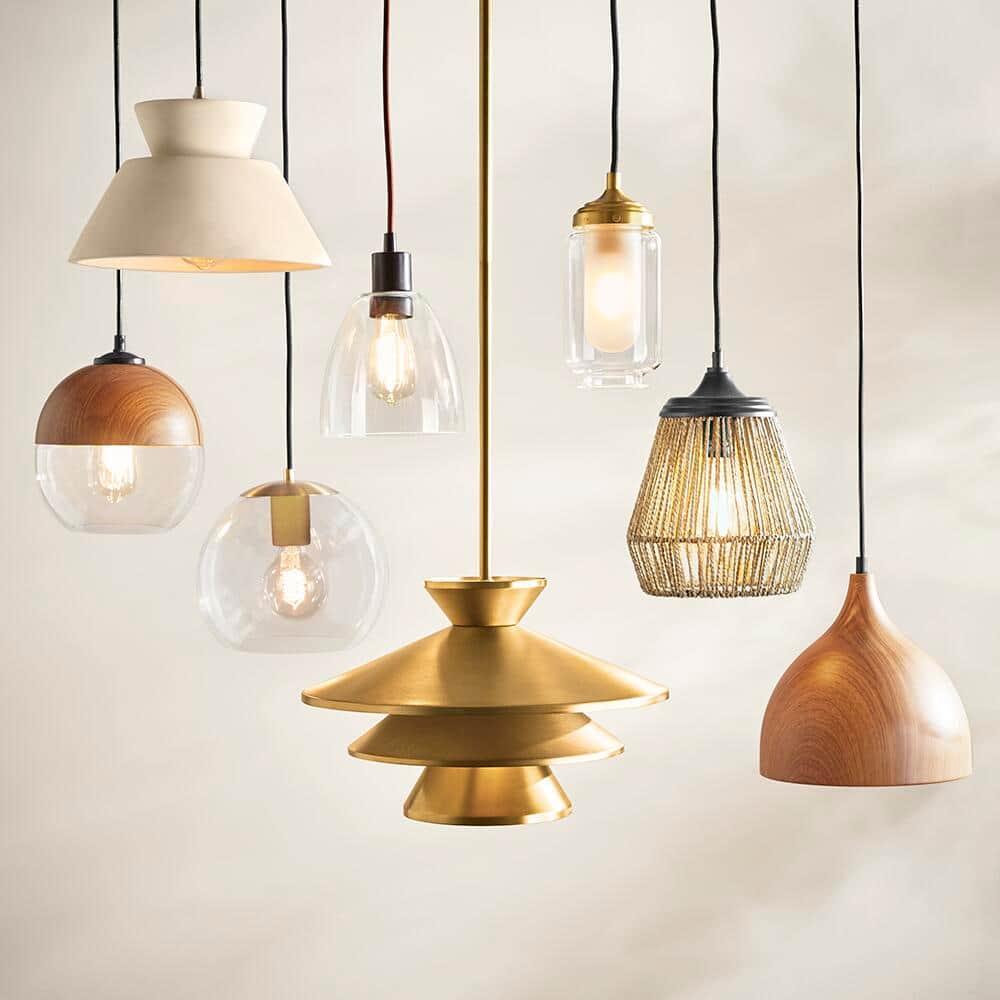
Illumination is an ofen-overlooked element when it comes to showcasing art effectively. Strategically positioning lights can not only enhance the visibility of each piece but also infuse the space with warmth and emotion. Consider utilizing spotlights for highlighting specific artworks, allowing their colors and textures to come alive.alternatively, soft ambient lighting can create a serene backdrop that promotes a contemplative viewing experience. Remember to consider the following aspects when incorporating illumination with your art:
- Type of Light: Choose between natural light, track lighting, or wall washers based on the effect you desire.
- Positioning: Aim lights at a 30-degree angle to reduce glare and enhance depth.
- Intensity: Use dimmable lights to adjust the mood depending on the time of day or event.
Alongside color and intensity, the placement of light fixtures plays a crucial role in accentuating art. Consider a table to visualize the relationship between art styles and appropriate lighting techniques:
| Art Style | Best Lighting Technique |
|---|---|
| Abstract | Spotlights to highlight color dynamics |
| Photographs | Soft ambient lighting for subtlety |
| Sculptures | Directional lighting to create shadows |
Each piece of art has its own personality, and the right lighting brings out its unique characteristics, helping it resonate with viewers. By thoughtfully integrating lighting into your art display, you create a narrative that pulls the audience into the work, allowing them to experience the art in a new and engaging way.
The Way Forward
As you embark on your journey to transform your space with art,remember that creativity knows no bounds.The guidelines laid out by seasoned designers are merely starting points, intended to inspire and guide your artistic vision, not confine it. Whether you lean towards minimalism, embrace an eclectic mix, or follow a more customary approach, let your personal touch shine through. Ultimately, art is an expression of who you are-its placement should resonate with your unique style and the story you wish to tell. So, gather your favourite pieces, experiment boldly, and craft an environment that not only showcases art but also elevates your everyday life. Happy decorating!