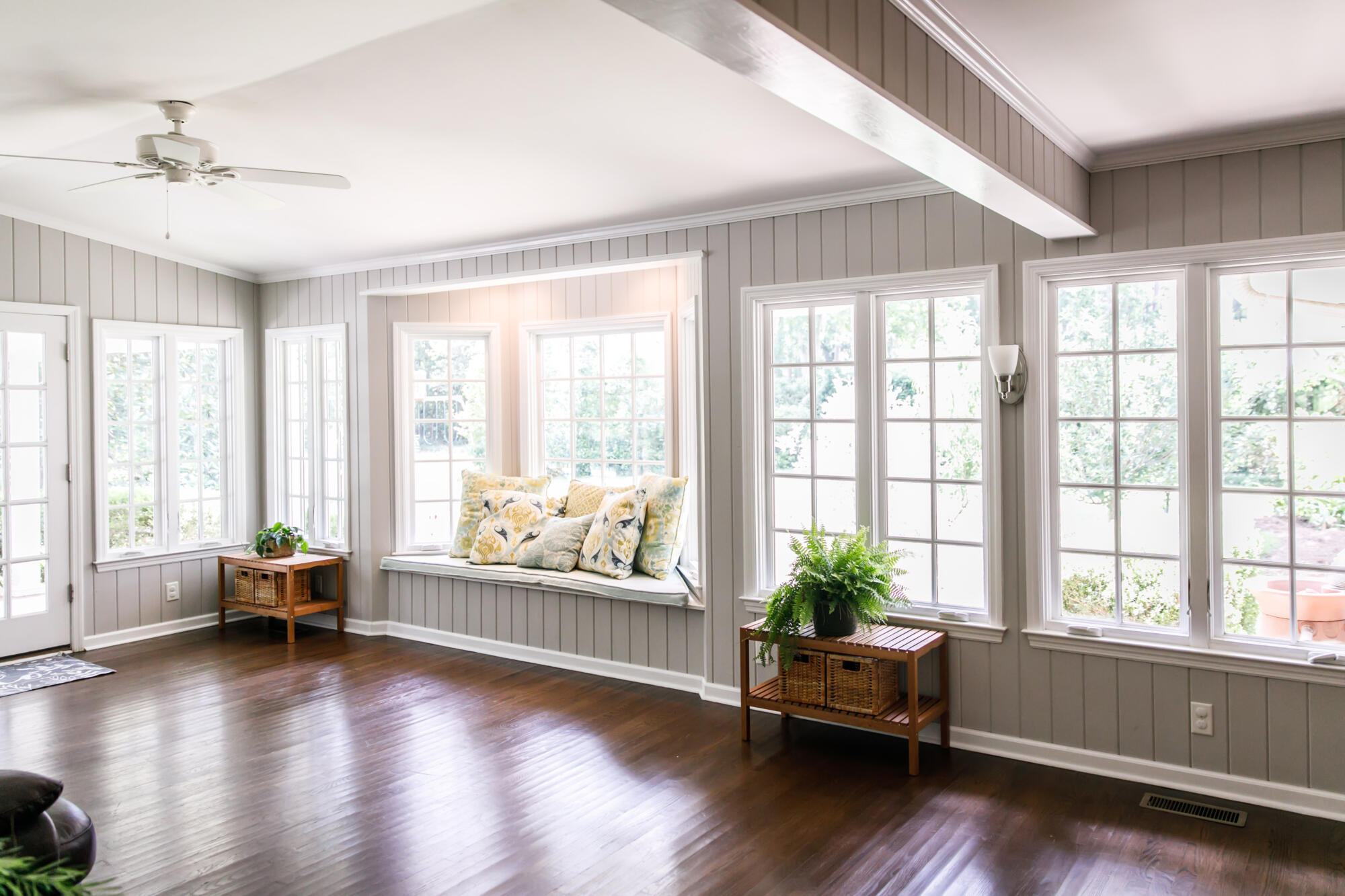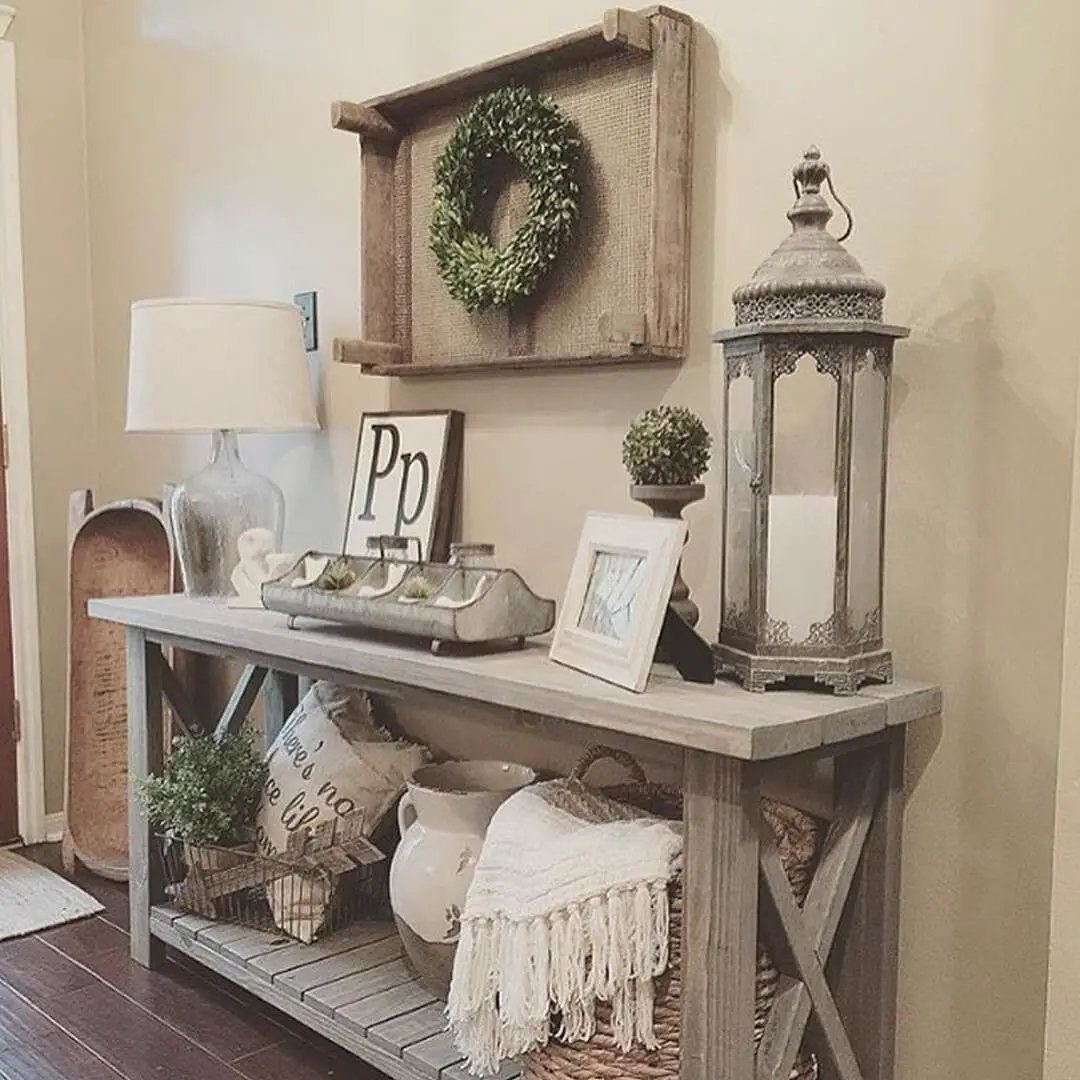

In the grand tapestry of interior design, the floors we walk on often go unnoticed, relegated to a mere afterthought in the quest for aesthetic appeal. though, beneath their surface lies a world of significance that extends far beyond mere appearances. Floors are the foundation of our spaces, shaping our experiences and influencing our daily lives in ways we may not even realize. From the cool, calming embrace of tile to the warm, inviting glow of hardwood, each type of flooring carries its own unique character, functionality, and impact on our well-being. In this article, we delve into the often-overlooked importance of flooring choices, exploring how they can elevate our living environments and transform the atmosphere of any room. Join us as we uncover why floors truly matter more then you think, revealing their multifaceted role in our homes, workplaces, and beyond.
Understanding the Impact of Flooring on Home Aesthetics
The flooring of a home can often be overlooked in discussions about interior design, yet its influence on aesthetics is profound. Different materials and styles can create unique atmospheres, affecting how spaces are perceived and utilized. For instance, hardwood floors exude warmth and timelessness, making them a popular choice for living areas that aim to feel inviting. In contrast,ceramic tiles offer a sleek,modern look that can enhance the elegance of bathrooms and kitchens. This choice hinges on not only the visual appeal but also the tactile experiance—how a floor feels underfoot can considerably impact the overall ambiance of a room.
The color palette and texture of your flooring serve as a foundational layer for your home’s design. Consider the following factors when selecting flooring materials:
- Color: Lighter tones can make spaces appear larger,while darker shades add depth.
- Texture: Textured surfaces can create a sense of coziness, while smooth finishes promote a contemporary aesthetic.
- Consistency: Maintaining a cohesive look across different rooms can unify your home’s design.
Additionally, the practical aspects of flooring, such as maintenance and durability, also weigh on the aesthetics of your home.For instance, laminate flooring mimics the look of natural wood or stone at a fraction of the cost, making it appealing for high-traffic areas. By understanding these elements,homeowners can curate spaces that not only reflect their personal style but also elevate their living habitat.
The Functional Benefits of Choosing the Right Floor Material
Choosing the right floor material can significantly enhance not just the appearance of your space, but also its functionality. The ideal flooring can improve comfort,reduce maintenance,and even help with energy efficiency. Imagine stepping onto a heated tile floor in the winter or the soft cushion of carpet underfoot that helps absorb sound. Each type of flooring offers unique benefits, making it essential to match the material to your specific needs.Here are a few functional benefits to consider:
- Durability: Some materials, like hardwood and stone, offer longevity and can withstand heavy foot traffic.
- Maintenance: Tile and vinyl are easier to clean, making them perfect for busy households or commercial spaces.
- Insulation: Carpet provides warmth and insulation, while certain tiles can reflect heat, helping to maintain agreeable indoor temperatures.
- Safety: Non-slip options are available in various materials, reducing the risk of falls, especially in wet areas.
Moreover, flooring can impact the acoustics of a room. For example, carpets absorb sound, reducing noise pollution, which can be especially beneficial in multi-story buildings or homes with open floor plans. If you’re concerned about allergies, purchasing floors with hypoallergenic properties can improve air quality. It’s also worth noting that sustainable options like bamboo or cork can minimize your environmental footprint while providing unique aesthetic appeal. Here’s a rapid comparison of popular flooring materials:
| Flooring Type | Durability | Maintenance Level | Comfort |
|---|---|---|---|
| Hardwood | High | Medium | high |
| Tile | Very High | Low | Medium |
| carpet | Medium | High | very High |
| Vinyl | High | Very Low | Medium |

Maintenance Considerations: Keeping Your Floors in Pristine Condition
To ensure your floors endure the test of time and maintain their aesthetic appeal,it’s essential to implement a comprehensive maintenance routine. Regular cleaning is vital, and depending on your flooring type, this may include:
- Dusting or sweeping to remove grit and dirt.
- Using appropriate cleaners that won’t damage the finish.
- Applying polish periodically to hardwood floors to maintain shine.
each flooring material has unique requirements, making it crucial to familiarize yourself with specific care techniques. As an example, tile floors benefit from regular grout cleaning to prevent mildew, while carpeted areas call for professional deep cleaning to eliminate trapped allergens. Consider creating a maintenance calendar to track tasks such as:
- Monthly vacuuming for carpets and mats.
- Quarterly deep cleaning for tiles and vinyl.
- Annual refinishing for hardwood.

Sustainability in Flooring Options: Making Eco-Friendly Choices
when it comes to choosing flooring options, the decision goes beyond aesthetics and durability; it also has a meaningful impact on our environment. By selecting eco-friendly materials, homeowners can contribute to a more sustainable future. Some options include:
- bamboo: A rapidly renewable resource that grows quickly without the need for pesticides.
- Cork: Sourced from the bark of cork oak trees, it’s hypoallergenic and biodegradable.
- Reclaimed Wood: Utilizes existing timber, reducing the need for new tree harvesting.
- Luxury Vinyl Tile (LVT): Often made with recycled materials and can mimic the look of natural surfaces without the environmental cost.
More than just the type of flooring, the installation process and maintenance can also affect sustainability.Considerations like low-VOC adhesives and sealants can improve indoor air quality while still ensuring a solid installation.Here’s a quick comparison of flooring types and their sustainability features:
| Flooring Type | Renewable | Recyclable | Maintenance |
|---|---|---|---|
| Bamboo | Yes | Yes | Low |
| Cork | Yes | Yes | Low |
| Reclaimed Wood | No, but reused | Yes | Medium |
| LVT | Partially | Varies | Low |
Q&A
Q&A on “Why Floors Matter More Than You Think: From Tile to Hardwood”
Q1: Why are floors often overlooked in home design discussions?
A1: Floors tend to be the silent workhorses of interior design. While walls, furniture, and décor grab attention, the floor provides the foundation for the entire space. People often focus on aesthetics without realizing that the choice of flooring significantly impacts comfort, maintenance, and even the overall ambiance of a room.
Q2: What factors should be considered when choosing flooring?
A2: Several key factors come into play: material durability, style, maintenance requirements, and the room’s specific function. Such as, hardwood exudes warmth and elegance, while tile is famed for its durability and ease of cleaning. additionally, one should consider climate, foot traffic, and budget—each flooring option has unique attributes that cater to different needs.
Q3: How does flooring affect the overall atmosphere of a space?
A3: Flooring acts as the canvas for your home. A light-colored tile can make a room feel spacious and airy, while rich, dark hardwood may evoke warmth and intimacy. texture also plays a role; for example, a plush carpet can create a cozy retreat, whereas sleek vinyl might contribute to a modern, minimalist vibe. The right choice can create harmony or establish a bold contrast.
Q4: Can flooring influence health and well-being?
A4: Absolutely! Floors can impact air quality and noise levels. Hard surfaces like tile and hardwood are easier to clean and less likely to harbor dust mites or allergens compared to carpets. Moreover, the right flooring can reduce noise transmission, contributing to a quieter, more serene environment, which is vital for mental well-being.Q5: What flooring trends are emerging that homeowners should be aware of?
A5: Eco-friendly materials are gaining traction, with options like bamboo, reclaimed wood, and cork becoming popular for their sustainability. Additionally, technology has entered the flooring realm, with innovations like water-resistant laminate and engineered hardwood making it easier to maintain aesthetic appeal while enhancing functionality. The blending of different materials for a layered look is also trending.
Q6: How can flooring choices reflect personal style?
A6: Flooring is an possibility for personal expression. From the rustic charm of reclaimed wood to the sleek sophistication of polished concrete, your choice can mirror your aesthetic preferences.Bold patterns, colors, and textures allow you to set the tone for each room, making it distinctly yours while contributing to a cohesive overall design theme.
Q7: What maintenance considerations should homeowners keep in mind?
A7: Different flooring types require varying levels of upkeep. As an example, hardwood may need periodic refinishing, while carpet might require regular vacuuming and occasional professional cleaning. Understanding the maintenance requirements of chosen materials is crucial in investing in flooring that not only looks good upon installation but remains beautiful over its lifespan.
Q8: How can flooring enhance a home’s value?
A8: Quality flooring can greatly enhance property value as it is a key element of curb appeal. Homebuyers often prioritize homes with modern, well-maintained floors, seeing them as a reflection of overall care and investment in the property. Upgrading flooring can thus serve as a strategic move for those considering selling in the future.Q9: What’s the takeaway message about flooring for homeowners?
A9: The floor may not be the first thing you notice, but it significantly influences the aesthetics, functionality, and even the health of your living space. By choosing thoughtfully, understanding maintenance needs, and embracing personal style, you can ensure that your floors resonate with more than just foot traffic—they can elevate your entire home experience.
Future Outlook
In the grand tapestry of home design, floors often serve as the unsung hero, quietly shaping our perceptions and day-to-day experiences. Whether it’s the cool elegance of polished tile or the welcoming warmth of hardwood, the choices we make underfoot ripple throughout our living spaces, influencing not just aesthetics but comfort, functionality, and even our emotional well-being. As you embark on your flooring journey, remember that each step taken is an opportunity to express your style, enhance your environment, and elevate the very essence of your home. So, the next time you find yourself pondering the possibilities of your floors, embrace the narrative they weave into your life. For in the world of design, floors hold far more significance than their surface may suggest.