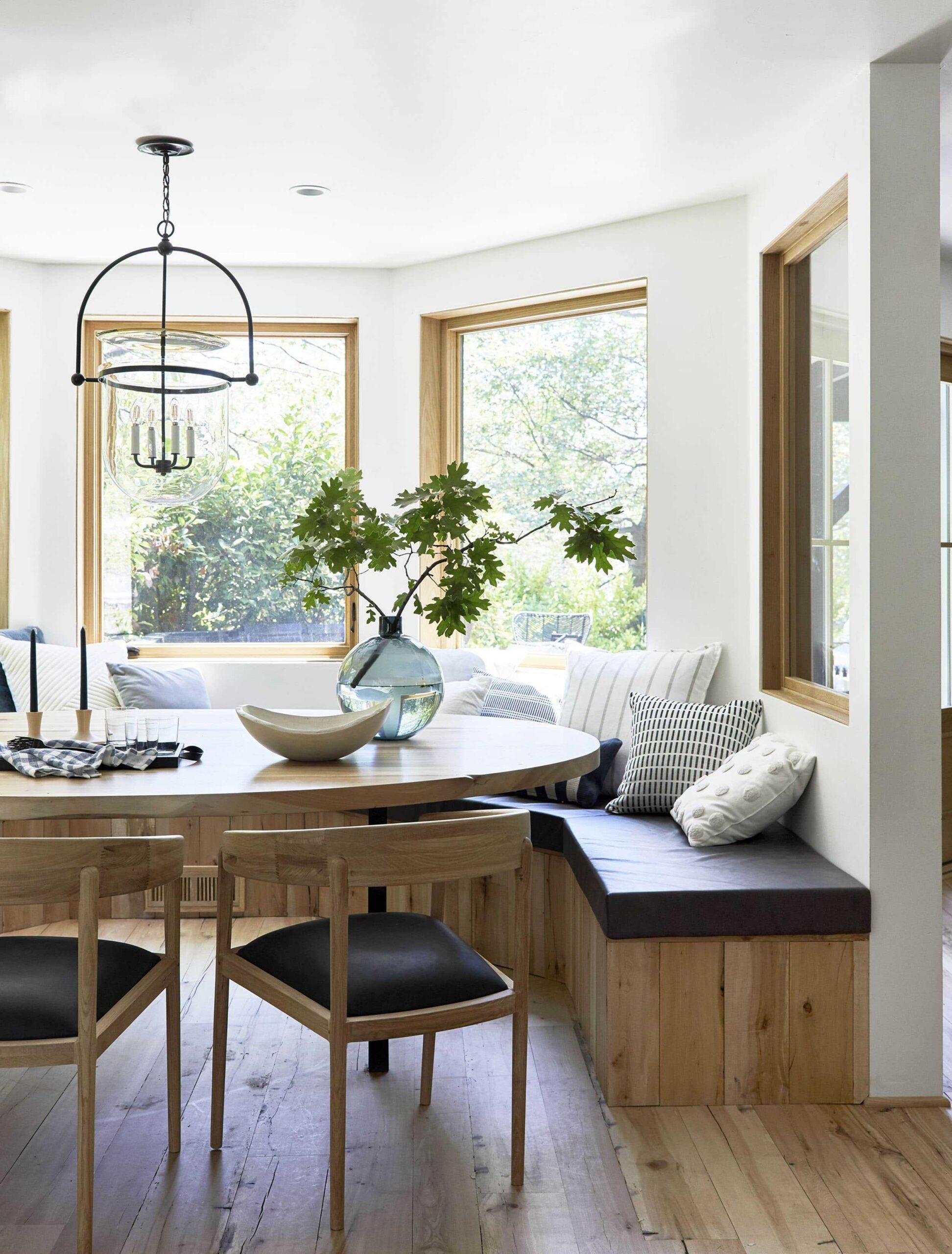

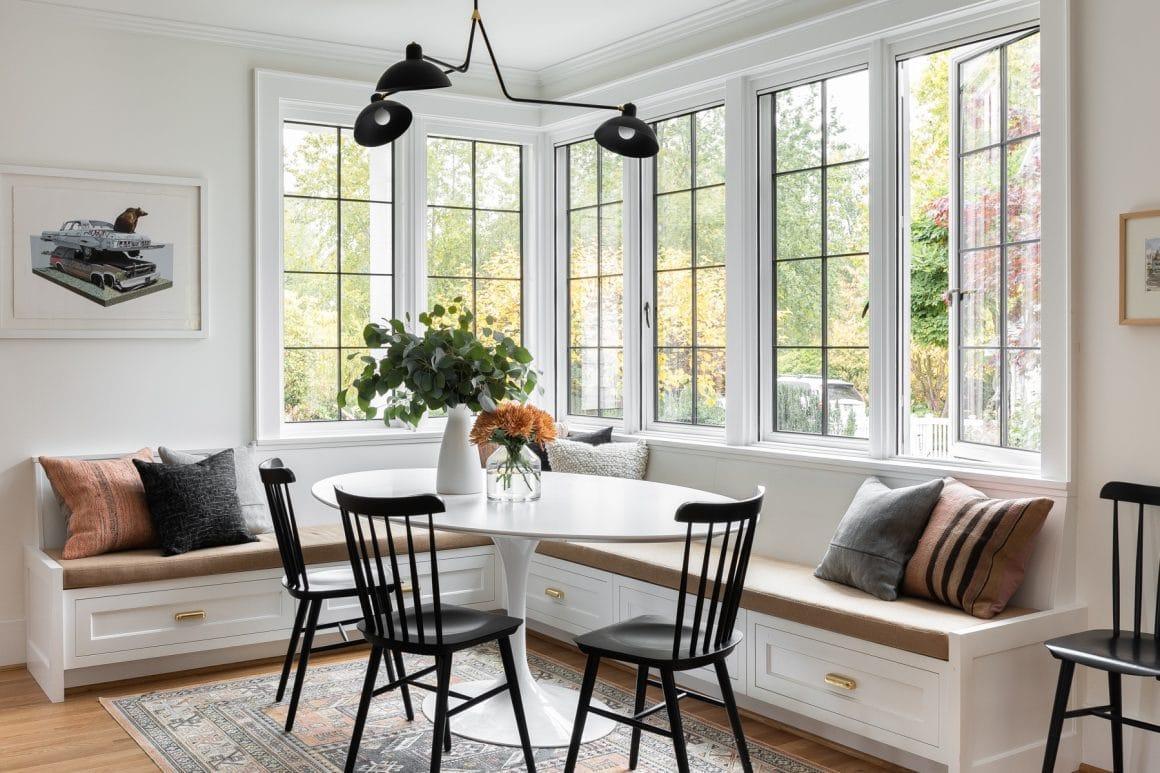
A dining bench built into a nook feels less like furniture and more like architecture – a quiet, continuous line that anchors a room and invites people to come together. Where freestanding chairs can look transient, a built-in bench reads as intention: a tailored solution that blurs the boundary between seating and the structure of the home. In kitchens, dining rooms and open-plan living spaces, these cozy, custom-fit seats are quietly reshaping how we think about communal space.
This article looks at why an increasing number of homeowners and designers are choosing built-in dining benches. from making the most of tight floor plans and adding hidden storage to creating a cohesive aesthetic and accommodating new patterns of work and leisure, multiple practical and stylistic forces are at play. We’ll examine the main drivers behind the trend,consider the trade-offs and design decisions involved,and highlight how built-in benches fit into contemporary living – both functionally and visually.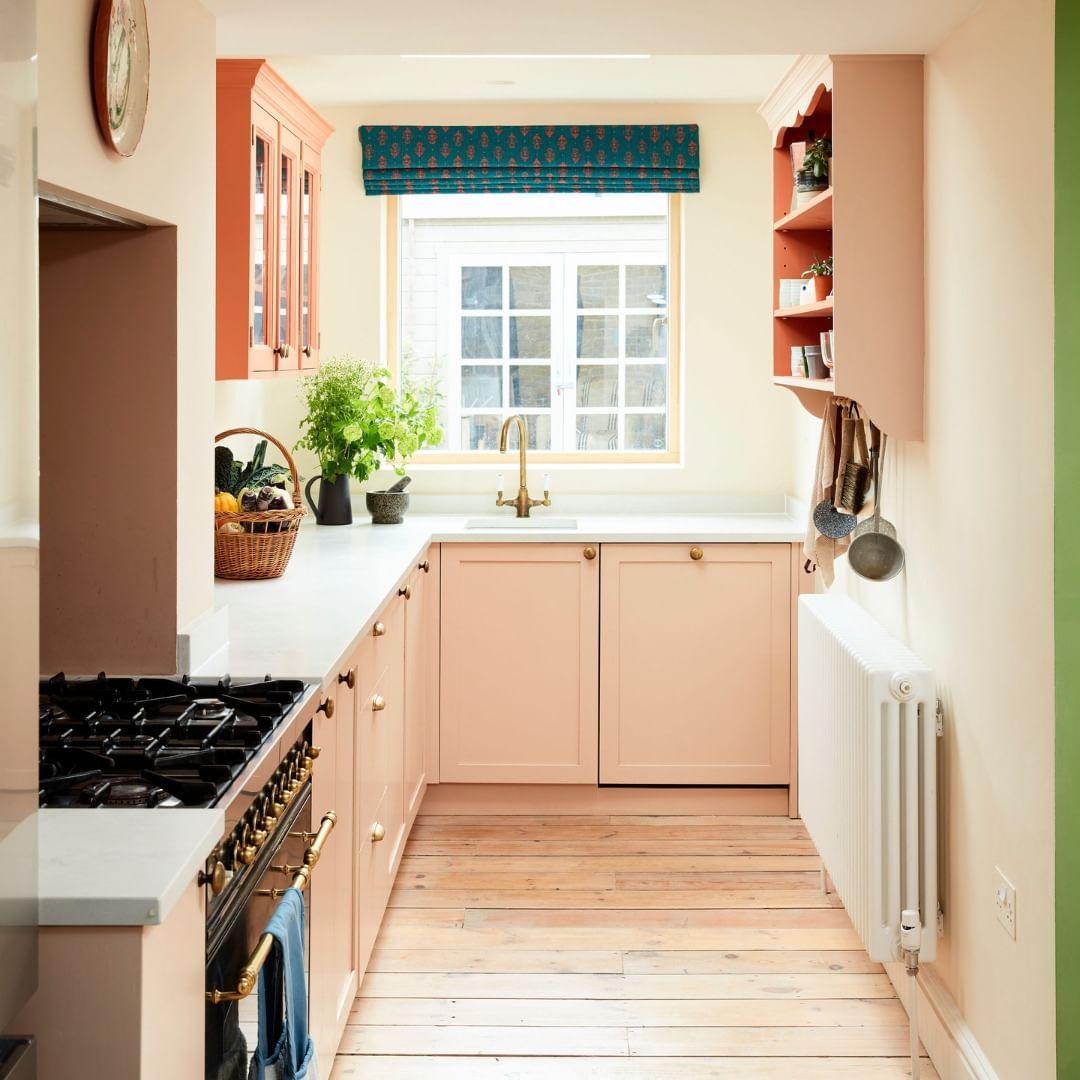
Space Saving Design That Maximizes Small Kitchens and Breakfast Nooks
Built-in dining benches carve usable room out of tight footprints by embracing walls, corners and awkward alcoves that free-standing furniture simply can’t. They reclaim floor space,create continuous sightlines and offer layers of functionality-seating that doubles as storage,a backrest that defines a dining area without bulky chairs,and a silhouette that visually expands the room. The result is a compact, tailored feel: small kitchens and breakfast nooks gain a sense of purpose and calm rather than crowding, with every inch working smarter rather of harder.
- Fits corners and odd angles where chairs won’t
- Seats more people with a smaller footprint
- Under-seat drawers and lift-tops add discreet storage
- Custom finishes create a cohesive room palette
| Small Area | Speedy Benefit |
|---|---|
| Galley kitchen | Clears the aisle for traffic flow |
| Breakfast nook | Cozy dining + hidden storage |
| Studio | Seating that doubles as extra sleeping or storage |
Designers favor this approach because it’s inherently multifunctional: cushions, pull-out drawers, flip-up lids and integrated lighting turn a simple bench into a storage hub, casual banquette or a tidy reading spot. Materials and detailing-benchtops that match kitchen counters, slim profiles, and neutral upholstery-lend a sense of compact luxury while keeping maintenance straightforward. For anyone optimizing limited square footage, a built-in bench is a small architectural move with outsized impact.
built In Comfort and Durability Choosing the Right Materials and Upholstery
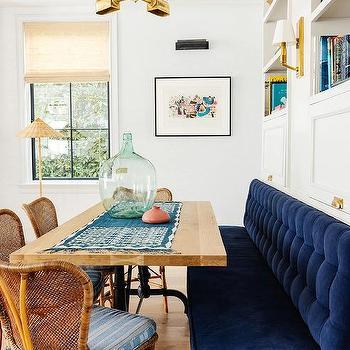
Think of a built-in bench as a piece of furniture that begins at the bones: the frame and support determine how long it lives and how comfortable it feels every mealtime. Choose a solid hardwood or a quality plywood core for the frame to resist sagging, and consider metal reinforcements at stress points for families who use the bench daily. Cushion comfort comes down to foam density and layering-higher-density foam (1.8 lb/ft³ and up) gives resilient support while a soft top layer adds immediate plushness; for a cozier feel, add a thin feather or fiber layer. Quick reference tips:
- Frame: hardwood or multi-ply for longevity.
- Support: webbing + sinuous springs for balanced give.
- Cushion: medium-firm core with a soft topper for dining use.
Upholstery is where durability meets personality-performance fabrics, top-grain leather, and well-finished vinyl all have places at the table depending on lifestyle. Performance woven fabrics resist stains and abrasion, leather develops character and wipes clean, and treated vinyl gives an affordable, spill-proof option. For households with kids or pets, look for removable cushion covers and antimicrobial, water-repellent finishes. Simple maintenance routines extend life: vacuum seams weekly, spot-clean spills instantly, and rotate cushions seasonally.Below is a concise comparison to help decide quickly:
| Material | Durability | Best For |
|---|---|---|
| Performance Fabric | High | Busy families |
| Leather | Very High | Stylish, low-spill homes |
| Vinyl | Medium | Budget, easy-clean needs |
- Pro tip: Choose darker or patterned textiles in high-traffic zones to hide wear.
- Eco pick: Look for recycled or low-VOC fabrics for a greener built-in.
Clever Hidden Storage solutions to Declutter and Boost Functionality
Hidden storage transforms a simple seating nook into a powerhouse of utility without stealing square footage. With clever mechanics tucked beneath the bench and clever compartments along the sides, homeowners get a tidy dining area that still feels open and inviting. Some favorite options include:
- Lift-up seats – deep cavities for seasonal linens or board games.
- Under-seat drawers – easy-access organizers for placemats, napkins, and cutlery.
- Slide-out trays – perfect for stashing cookbooks or charging stations.
- Side cubbies with baskets – modular, breathable storage that looks intentional.
Beyond neatness, these hidden solutions boost daily functionality: they reduce clutter hotspots, streamline meal prep, and create dedicated homes for items that otherwise crowd counters and cabinets. Choose materials and hardware that match your design – soft-close hinges and drawer slides preserve the peaceful vibe - and consider this quick reference when planning:
| Solution | Best for |
|---|---|
| Lift-up seat | Bulky seasonal items |
| Drawer base | Flatware & linens |
| Slide-out tray | Electronic chargers |
Practical Installation Tips and Budget Friendly Cost Considerations
Smart prep makes installation painless: take time to map the space, factor in door swings and circulation, and choose joinery that suits your skill level. Small decisions – like whether the bench sits on a continuous frame or on removable legs – affect longevity and future changes. Below is a quick checklist to keep on hand while planning:
- Measure twice (seat height, depth, and wall clearances).
- Locate studs and plan for solid attachment points.
- Opt for durable core materials (plywood over MDF) in load-bearing areas.
- Add vent gaps and removable cushions for easy cleaning and access.
- Consider modular kits if you want a DIY-friendly option with less carpentry.
spend smart – big impact for less: you don’t need premium hardwood to get a polished built-in look. Strategic choices in finish, upholstery, and labor can shave costs dramatically while preserving style. Try these money-saving moves and compare typical price expectations in the table below.
- Use paint or veneer over solid wood for a refined look at lower cost.
- Refurbish second‑hand seating or salvage lumber for accent panels.
- Buy standard‑size cushions and reupholster them to fit the bench.
- Mix DIY prep work with a pro for final installation to reduce labor hours.
| Option | Typical cost | Best for |
|---|---|---|
| DIY basic | $200-$800 | Small budgets, simple storage |
| Mid-range built | $800-$2,000 | Sturdy plywood, custom cushions |
| Custom built-in | $2,000-$6,000+ | High-end materials, bespoke carpentry |
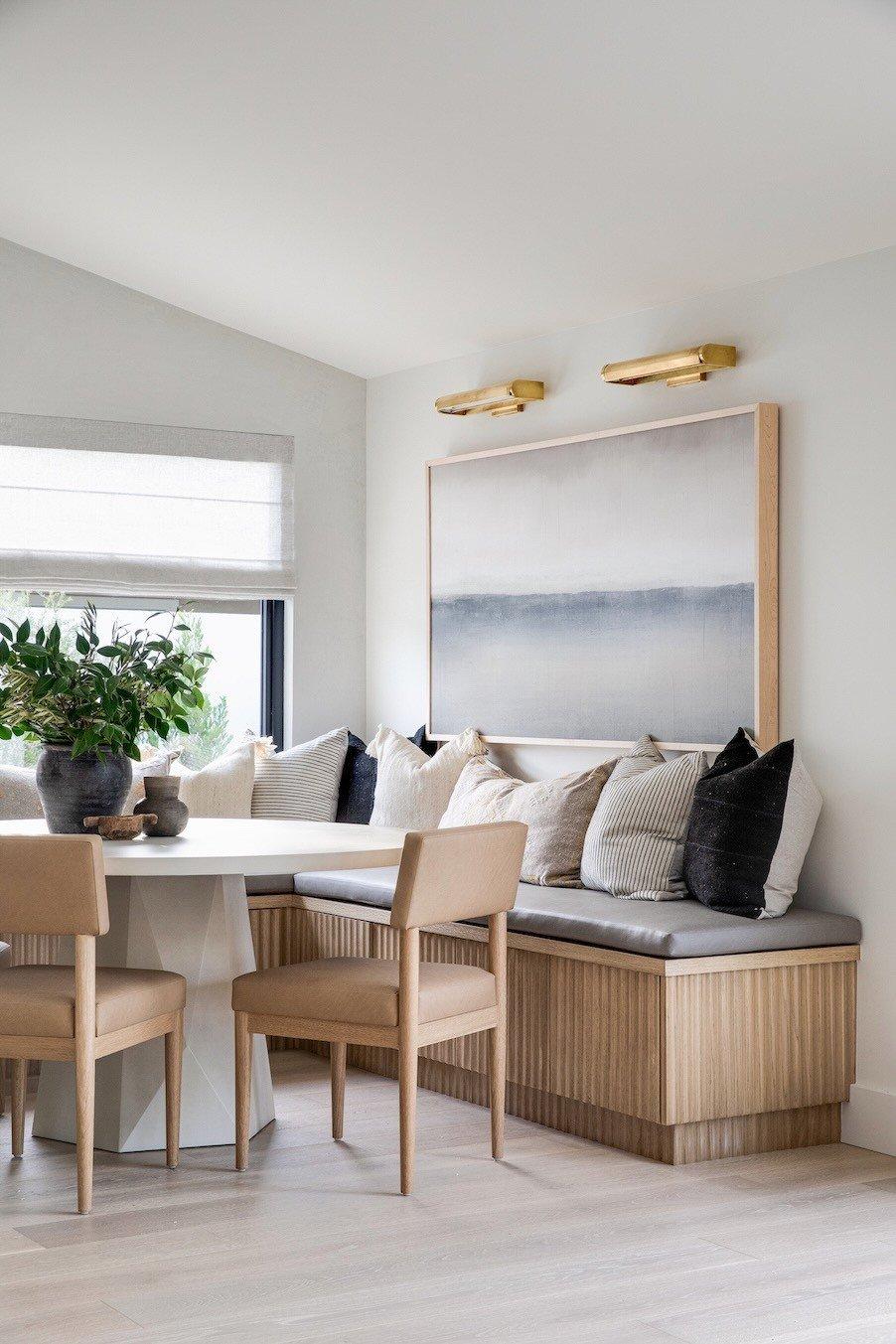
Styling, Maintenance and Resale Value Recommendations for Long Term Appeal
Treat your built-in bench as both furniture and finish-an opportunity to make a kitchen or nook feel bespoke without compromising longevity. Select performance fabrics and stain-resistant finishes for everyday living, and keep accent pieces interchangeable so the bench adapts to changing tastes. Small styling moves have big effects:
- Performance textiles (Sunbrella, Crypton) – repel spills and retain color.
- removable covers – machine-washable ease for kids and pets.
- contrasting cushions – add warmth without repainting walls.
Integrate hidden storage or a changeable cushion scheme to future-proof the look while keeping the silhouette clean and market-friendly.
Routine care preserves both beauty and resale value-buyers notice thoughtful upkeep as much as design. Adopt a few simple habits and you’ll extend the bench’s life and desirability:
- Quick clean after meals, spot-treat stains immediately.
- Seasonal refresh with new cushions or throws to update style cheaply.
- Annual check of hinges, anchors and caulking to prevent unseen damage.
| Task | Cadence | Resale Effect |
|---|---|---|
| Vacuum & fluff cushions | Weekly | Keeps fabric looking new |
| Wipe and polish wood | Monthly | Preserves finish and sheen |
| Inspect anchors & hardware | Annually | Prevents structural issues |
Small investments in materials and maintenance translate to a higher perceived value-choose neutral, high-quality finishes and document care to maximize appeal when it’s time to sell.
To wrap It Up
Like a quiet centerpiece that knows its place, the built-in dining bench has moved from niche solution to mainstream choice by answering practical needs with a dash of personality. It saves space without sacrificing comfort,simplifies design while inviting customization,and turns mealtime into a softer,more communal pause in the home’s daily rhythm. Whether driven by compact living, a desire for cohesive interiors, or the appeal of a long-lasting investment, the bench quietly reshapes how we gather and live.
If you’re weighing seating options, consider what matters most-adaptability, storage, style-and imagine how a built-in bench might anchor your space. the growing preference for these benches reflects a wider trend: people are choosing furnishings that do more than fill a room-they help shape how we inhabit it.