
you’re Decorating Wrong – Here’s How Designers Do It
Ever walked into a space and felt an instant connection, as if the room itself were whispering secrets of style and harmony? The magic of interior design goes beyond mere aesthetics; it weaves together elements of functionality, personality, and ambiance. For many, decorating a home can sometimes feel like an overwhelming task, leading to choices made in haste or blind adherence to fleeting trends. Yet, professional designers possess a toolkit of principles and insights that seem almost mystical in their ability to transform ordinary spaces into extraordinary environments. In this article, we will unravel the common pitfalls that many of us fall into while decorating, and reveal the expert techniques that professionals swear by. By understanding how designers approach their craft, you’ll not only enhance your own spaces but also cultivate a deeper thankfulness for the art of interior design. Prepare to see your surroundings through a fresh lens-one that inspires creativity and fosters a genuine sense of belonging.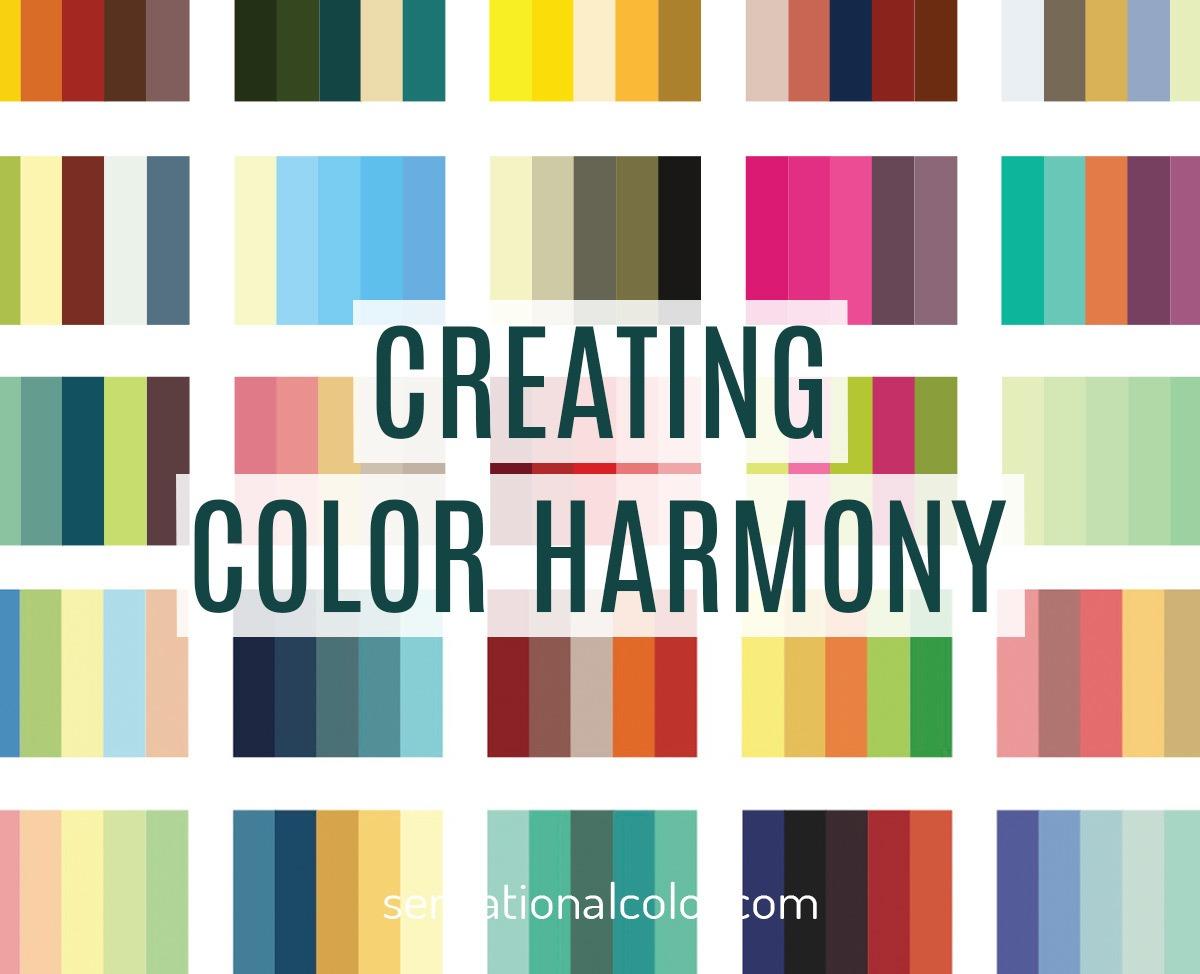
Exploring the Essentials of Color Harmony in Your Space
Understanding the art of color harmony is essential for creating a space that feels both inviting and aesthetically pleasing. By incorporating a balanced palette,you can achieve a sense of cohesion in your design. Consider these basic principles of color harmony:
- Complementary Colors: Colors opposite each other on the color wheel, such as blue and orange, create vibrant contrasts when used together.
- Analogous Colors: Colors that sit next to each other-like blue, green, and turquoise-provide a more serene feel and are perfect for creating relaxing spaces.
- triadic Colors: Using three colors that are evenly spaced on the color wheel, such as red, yellow, and blue, can produce a harmonious yet dynamic look.
- monochromatic Schemes: Variations of a single color can add depth and interest while maintaining a unified appearance.
To visualize how these colors interact within your space, consider creating a color wheel inspired mood board. Below is a simple breakdown of color combinations that can elevate your design:
| Color Scheme | Example Colors | Vibe |
|---|---|---|
| Complementary | Blue & Orange | Vibrant & Energetic |
| Analogous | green, Teal, Blue | Calm & Inviting |
| Triadic | Red, Yellow, Blue | Dynamic & Fun |
| Monochromatic | Different Shades of Gray | Elegant & Modern |
Understanding the Balance between Functionality and Aesthetics
In the world of interior design, achieving the right equilibrium between functionality and aesthetics is paramount. While striking visuals can draw attention and create a specific mood, they must also support the practical needs of everyday life. Designers often emphasize the importance of creating spaces that not only look good but also serve a purpose.Some elements to consider include:
- Durability: Selecting materials that withstand wear and tear, especially in high-traffic areas.
- Layout: Arranging furniture in a way that maximizes space for movement and accessibility.
- Lighting: Implementing both natural and artificial light sources to enhance functionality while adding aesthetic appeal.
To visualize how functionality and aesthetics can coexist, consider the following table showcasing common living space elements that embody this harmony:
| Element | Functional Benefit | aesthetic Appeal |
|---|---|---|
| Multi-purpose furniture | Provides storage and seating | Stylish and versatile |
| Decorative storage solutions | Keeps spaces organized | Enhances visual interest |
| Artistic lighting fixtures | Illuminates key areas | Serves as a focal point |
By recognizing how each design element contributes to both function and beauty, you can create environments that are not only visually stunning but also enhance your day-to-day life. This synergy allows for a space that reflects your personal style while supporting the practicalities of living.
The Power of Layering Textures for Depth and Comfort
In the world of interior design, the right blend of textures can transform a space from mundane to magnificent. By thoughtfully combining various materials, such as soft fabrics, polished metals, and rustic woods, you can create a rich tapestry that invites touch and interaction. Consider incorporating elements like a cozy knit throw draped over a sleek leather sofa or a set of velvet cushions against a linen backdrop.These unexpected pairings not only enhance visual interest but also foster a sense of comfort that encourages lingering. Here are some key textures to consider layering:
- Natural fibers (jute, sisal)
- luxurious fabrics (velvet, silk)
- Cool surfaces (glass, metal)
- Warm woods (reclaimed, polished)
When applying the art of layering, balance is crucial. The goal is to create harmony within the chaos of competing textures, so always aim for a cohesive color palette that ties different elements together. As a notable example, a muted earthy color scheme can allow vibrant textures to shine without overwhelming the senses. Consider the following simple combinations:
| Texture Combination | Effect |
|---|---|
| Woven Basket + Soft Cotton Blanket | Adds warmth and earthiness |
| Brushed Metal Lamp + linen Shade | Creates a modern yet cozy feel |
| Chunky knit Pillow + smooth Leather Couch | Provides visual and physical contrast |
Maximizing Space with Strategic Furniture Arrangement
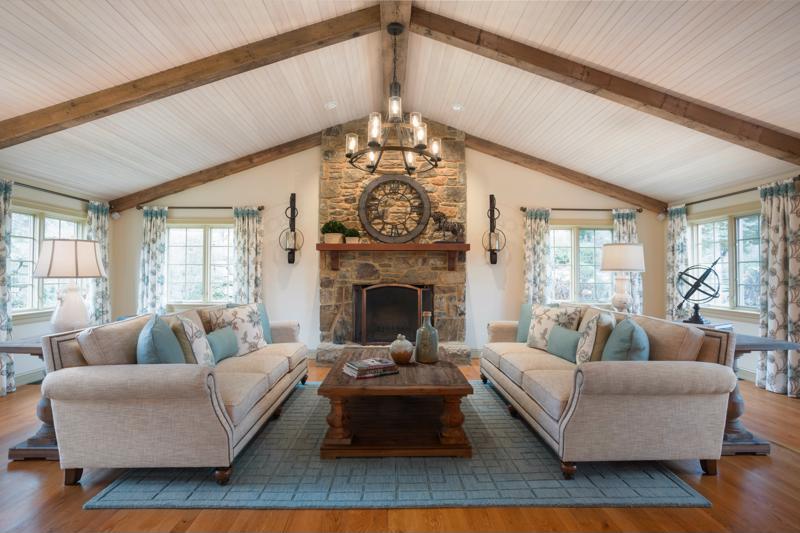
Creating an inviting and functional space is all about how you arrange your furniture. to achieve a seamless flow and maximize space, consider these strategic arrangements:
- Anchor your space: Position larger pieces like sofas against a wall to create a sense of boundary and openness in the center.
- Utilize multi-functional furniture: Opt for items like ottomans with storage or extendable tables to save space while catering to various needs.
- avoid overcrowding: Leave enough room for movement; a general rule is to have at least three feet of walking space between larger pieces.
Furthermore, the arrangement can dramatically influence traffic patterns and social dynamics in the room.Consider the following tips to enhance interaction and use your space wisely:
- Group furniture into conversational zones: This promotes interaction; place seating in a way that invites conversation.
- Incorporate vertical elements: Use tall bookshelves or floor lamps to draw the eye upward, creating the illusion of height in lower spaces.
- Layer your lighting: Combine ambient, task, and accent lights to create depth and highlight different areas of the room.
| Furniture Type | Functionality | Space Consideration |
|---|---|---|
| Sofa | Primary seating | Against a wall or in a centralized position |
| Coffee Table | Functionality and decor | At least 18 inches from the sofa |
| Bookshelf | Storage and decor | Utilize height and place against walls |

Curating Personal Style While Embracing Timeless Design Principles
Creating a personal style that resonates with your individuality while adhering to timeless design principles can transform your space into a harmonious blend of comfort and beauty. Start by identifying elements that speak to you,such as colors,materials,and patterns. However, embrace classic design tenets that have stood the test of time. Consider the following key aspects:
- Balance: Distribute visual weight evenly to create a sense of stability.
- Proportion: Maintain scale awareness, ensuring furniture and decor complement each other.
- Contrast: Use color and texture contrasts to infuse energy and depth into your decor.
Another way to ensure your personal style remains enduring is by integrating essential design elements that reflect your taste while echoing timeless appeal. Think about incorporating statement pieces or heirlooms that tell a story, allowing you to express uniqueness without compromising elegance. consider these practical suggestions:
| Design Element | Personal Touch |
|---|---|
| Furniture | opt for vintage finds that carry character and charm. |
| Textiles | Choose patterns that resonate with your personality while ensuring they age well. |
| Art | select pieces that inspire you and reflect your journey. |
The Way Forward
As we wrap up our exploration of how to elevate your decorating game, it’s clear that the artistry of design lies not just in the choice of colors or the arrangement of furniture, but in a deeper understanding of space, function, and personal expression. By embracing the principles that professional designers employ-such as creating balance, incorporating texture, and allowing for flow-you can transform your living spaces into cohesive narratives that reflect who you are.
Remember, there’s no one-size-fits-all approach to decorating. It’s about making smart choices that resonate with your lifestyle and taste.So, the next time you reach for the paintbrush or rearrange that sofa, consider the designer’s mindset. Take a step back,experiment fearlessly,and most importantly,have fun in the process. Your home is a canvas-let it tell your story. Happy decorating!