
In the fast-paced world we inhabit, where every corner seems to buzz with the hum of technology and restless aspirations, many find themselves seeking solace in their surroundings. Enter feng shui, the ancient Chinese practice designed to harmonize individuals with their habitat. But can the art of arranging spaces truly transform energy and improve our lives? As we delve into the principles of feng shui, we’ll explore its historical roots, practical applications, and the scientific perspectives that accompany this age-old tradition. Together, letS uncover whether you can genuinely feng shui your space into a sanctuary of better energy or if it remains simply a compelling concept wrapped in rich history and vibrant culture.
Exploring the Origins of Feng Shui and Its Cultural Significance
Feng Shui, often viewed merely as a modern trend in interior design, has roots that delve deep into the rich tapestry of ancient Chinese ideology. Its origins can be traced back over 3,000 years, where it began as a way to harmonize individuals with their environment. The term itself translates to ”wind” (feng) and “water” (shui), elements that symbolize the intricate flow of energy, or Qi. Practitioners believed that the arrangement of space, including the placement of furniture and the use of colors, could significantly influence the balance of this energy, thereby affecting health, prosperity, and overall well-being. The ancient practice was closely tied to the beliefs and customs of Chinese culture, emphasizing the importance of harmony between humanity and nature.
The cultural significance of Feng Shui extends beyond the aesthetic; it embodies a philosophy that reflects the interconnectedness of life. In conventional Chinese society, people invested considerable effort to align their living spaces with natural elements and directions, guided by principles such as the I Ching and the Five Elements Theory. This practice is intertwined with various aspects of daily life,including architecture,agriculture,and even fortune-telling. As Feng Shui continues to evolve, it now appeals to a global audience, encouraging individuals to rethink their spaces through the lens of wellness and environmental awareness.Today, whether through the careful arrangement of a home office or the thoughtful selection of colors in one’s living room, people strive to enhance their surroundings, cultivating a sense of peace and positive energy in their lives.
Understanding the Principles of Feng Shui for Enhanced energy Flow
Feng Shui, an ancient Chinese practice, is rooted in the belief that the arrangement of space influences the flow of energy, or *Chi*. To effectively harness this energy and create a harmonious living environment, one must first understand the core principles that govern Feng Shui. These principles emphasize the importance of balance, simplicity, and the concept of yin and yang. Key techniques include:
- Decluttering: Removing unnecessary items to allow for free movement of energy.
- directional Awareness: Recognizing the significance of each direction to enhance specific aspects of life.
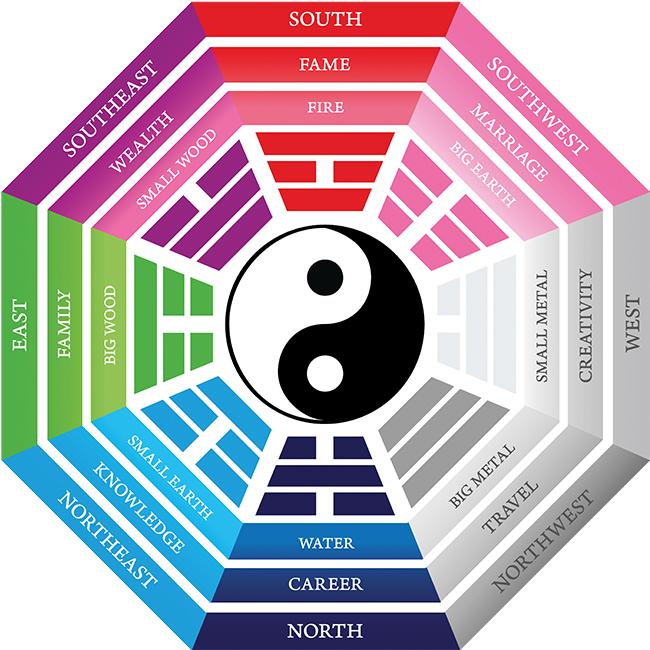
- Elemental Balance: Incorporating the five elements (wood,fire,earth,metal,water) to create harmony.
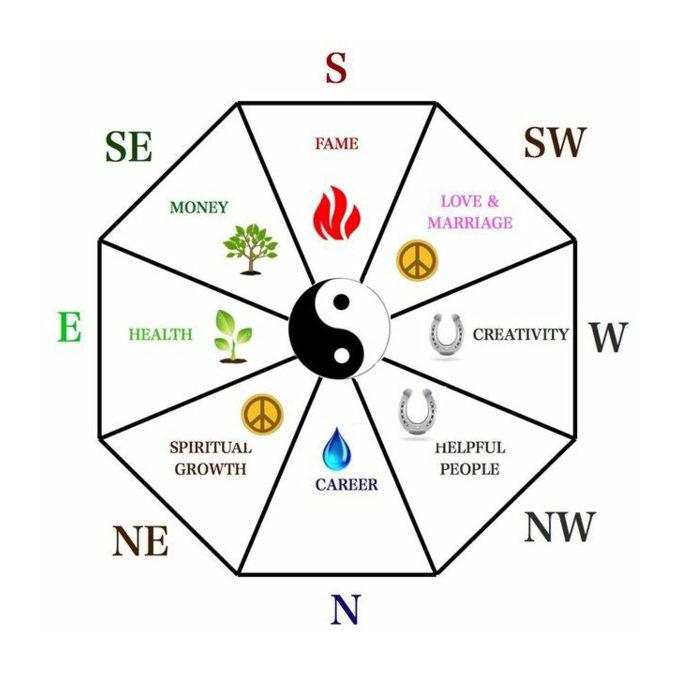
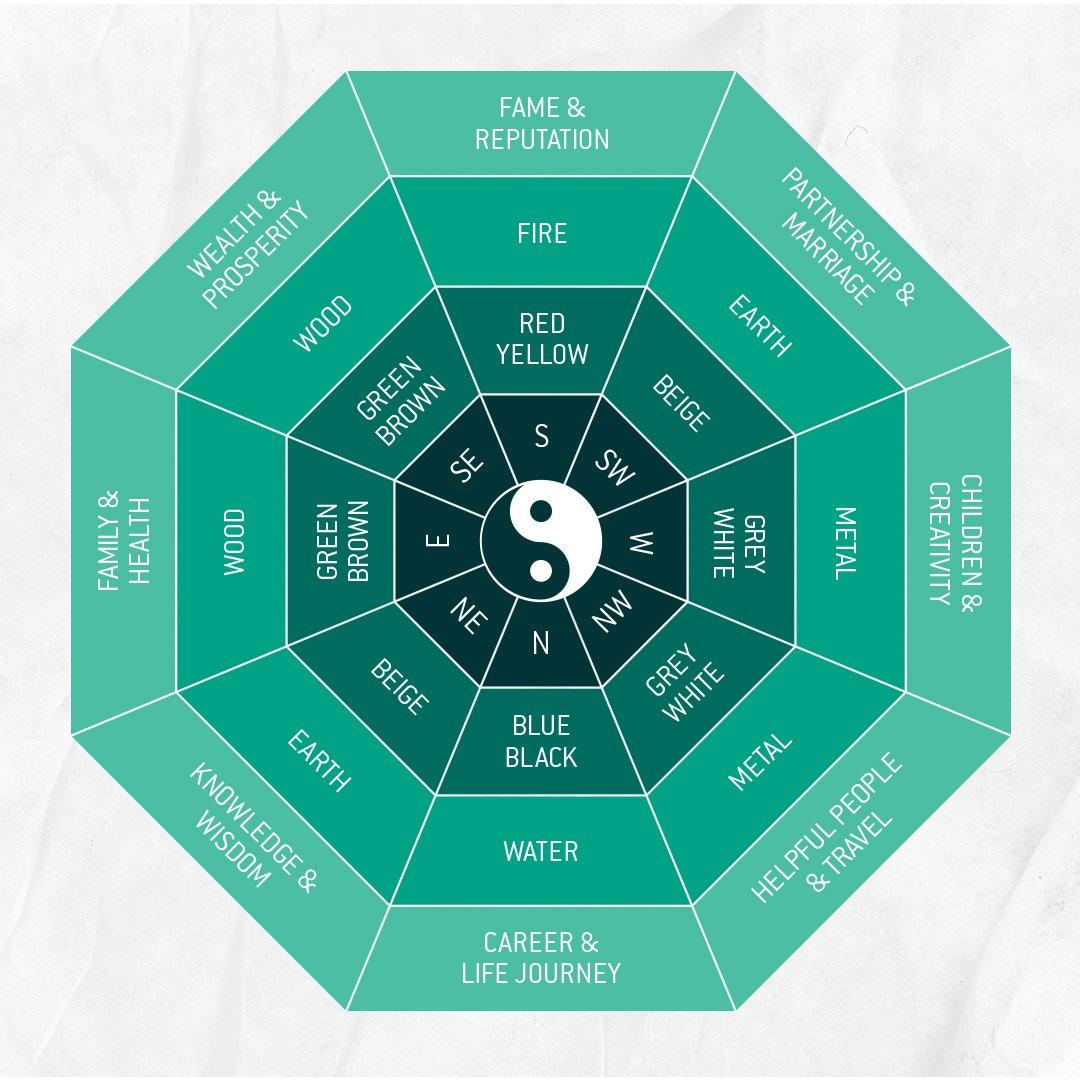
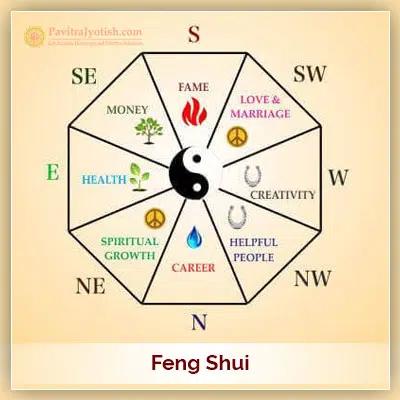
Moreover, it is essential to consider the placement of furniture and decor as they dramatically affect the energy flow.As an example, arranging furniture in a welcoming manner invites positivity and interactions while avoiding sharp angles or blockages can yield a smoother energy transition. An effective way to assess your space is through the *Bagua Map*, which divides your area into nine zones, each corresponding to different aspects of life. Below is a simplified representation:
| Bagua Zone | Life Aspect |
|---|---|
| Wealth | Abundance and prosperity |
| Fame | Recognition and reputation |
| Relationships | Love and partnerships |
| Courage | Personal growth and health |
Practical Tips for Implementing Feng Shui in Your Home Environment
Transforming your home into a nurtured space begins with understanding how energy flows throughout your environment. Start by decluttering areas that feel stagnant. Clear surfaces and remove items that no longer serve a purpose, as they can block the flow of positive energy.additionally,consider the arrangement of furniture; positioning sofas and chairs to face each other encourages conversation and connection. Incorporating elements of nature, such as indoor plants or water features, can invigorate your living space and enhance tranquility.
The use of color also plays a notable role in shifting energy within your home. Each hue has its unique vibration; thus, choose colors mindfully to evoke the feelings you desire. For example, soft blues and greens promote calmness, while warm yellows can add a cheerful vibe. Balance elements carefully by integrating different textures through textiles or decor, as this can harmonize the space visually and energetically. Here’s a simple table to guide your color choices:
| Color | Emotion |
|---|---|
| Blue | Calmness |
| Green | Growth |
| Yellow | Happiness |
| Red | Passion |
Common Misconceptions About Feng Shui and Its Effectiveness
Many people believe that feng shui is merely about rearranging furniture or adding decorative elements, but its principles run much deeper. At its core, feng shui is concerned with the flow of qi (energy) throughout a space. Misconceptions often lead to the assumption that simply throwing a few plants into a room or positioning a couch diagonally will magically improve energy. In reality,effective feng shui involves a holistic understanding of the relationship between one’s environment and personal energy,requiring careful consideration of factors such as color,light,space orientation,and personal intention.
another common myth is that feng shui guarantees instant results or a specific outcome. While many practitioners report positive changes in their lives as a result of implementing feng shui practices, it’s essential to understand that these changes are often subtle and may take time to manifest.Effective feng shui requires a mindful approach, combining adjustments in one’s physical environment with a positive mentality and proactive actions. Here are some misconceptions addressed:
- Feng shui is only for wealthy individuals.
- You must hire an expert for it to work.
- Feng shui is based on superstitions.
- It only applies to homes, not offices or public spaces.
The Impact of Feng Shui on Mental Well-being and Productivity
Feng Shui, the ancient art of arranging one’s environment to harmonize with the flow of energy, has profound implications for mental well-being and productivity. By creating a balanced atmosphere, individuals frequently enough experience a noticeable shift in their emotional and psychological states. Key elements of a well-designed space can foster a sense of calm and clarity, allowing creativity and focus to flourish. For instance, decluttering not only opens up physical space but also metaphorically clears the mind, promoting a tranquil setting conducive to deep work and reflection.
Incorporating Feng Shui principles can lead to specific enhancements in a person’s daily life. Consider the following aspects that contribute to a more positive energy flow:
- Natural Light: Maximizing sunlight can boost mood and energy levels.
- Greenery: Indoor plants not only improve air quality but also reduce stress.
- Color Schemes: Choosing calming colors can influence emotional well-being.
- Art and Symbols: Thoughtful decorations can inspire motivation and joy.
these adjustments may seem simple, yet they bear significant impact. A recent study examining workspace layouts highlighted the importance of Feng Shui principles, revealing that offices designed with these elements reported:
| design Element | Mental Impact | Productivity Boost |
|---|---|---|
| Natural Elements | Reduced Stress | 15% Increase |
| Organized Spaces | Enhanced Focus | 20% Increase |
| Color Psychology | Improved Mood | 10% Increase |
Such evidence suggests that embracing the principles of Feng Shui could lead not only to a more aesthetically pleasing environment but also to tangible benefits in mental clarity and productivity.
Concluding Remarks
In a world where energy flows seamlessly through every corner, the art of feng shui invites us to pause and reflect on our surroundings. As we’ve explored the principles and practices of this ancient philosophy,it becomes clear that the journey toward enhancing our living spaces is as much about intention as it is about arrangement.
Whether you’re a skeptic or a believer, the essential concept remains: our environments influence our feelings, thoughts, and actions. By aligning our spaces to foster balance and harmony, we open ourselves up to new possibilities-better energy, improved focus, and perhaps even a greater sense of peace.
So,can you really feng shui your space into better energy? The answer lies in your willingness to engage with the process. It may not be an overnight transformation, but each mindful choice shapes the energy you cultivate. as you take your next steps-rearranging a room, decluttering a corner, or simply being more aware of how your environment affects you-remember that the true essence of feng shui is about creating a sanctuary that resonates with your best self.
your space is a reflection of you; nurture it, and it may just nurture you right back.