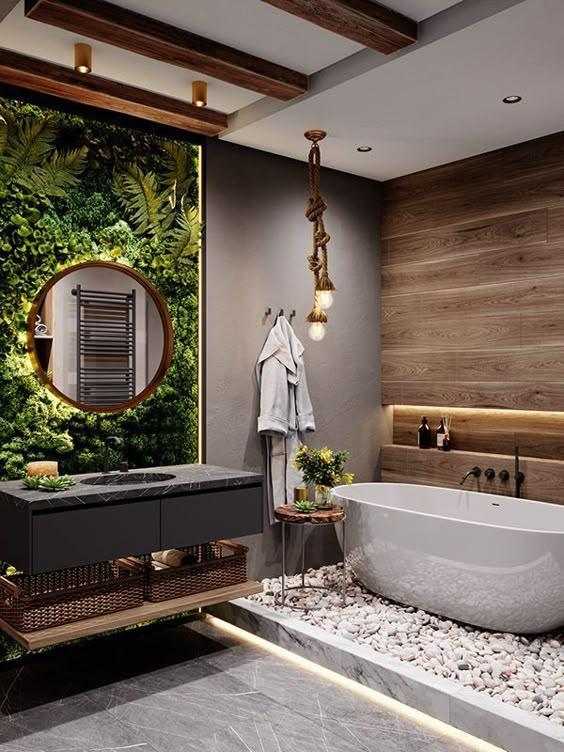

Imagine stepping through a door and feeling the city fall away: the air grows warmer, sound softens, and surfaces seem to hum with quiet, mineral calm. A bathroom that feels like a spa cave turns everyday routines into a ritual of pause-an intimate, sensory space shaped by shadow and stone, steam and soft glow.
This article explores how to design that kind of refuge without sacrificing practicality. You’ll find guidance on choosing materials that age gracefully, arranging light and shadow to sculpt mood, integrating water and steam safely, and balancing raw textures with modern comforts. Whether you’re renovating a full bath or carving out a cozy nook, the goal is the same: to create a sheltered, restorative place that feels like a private grotto rather than a sterile room.
Sculpt cave geometry with gentle curves, recessed niches and tactile stone surfaces for acoustic softness
Think of the room as a carved cavern where planes melt into one another-rounded corners, a low, sweeping ceiling and walls that flow uninterrupted into benches and ledges. These continuous forms, paired with recessed alcoves and soft, indirect lighting, break up hard reflections and create an enveloping hush. Choosing tactile stone-honed limestone, riven slate or warm travertine-adds subtle surface variation: a light-tooth finish will diffuse sound while still feeling sensual under hand and foot. The result is a space where echoes are tamed, water sounds feel intimate and every surface invites touch without shouting.
Use these simple moves to tune the acoustics and the feel:
- Carve curves: arc thresholds and rounded niches to prevent sharp sound rebounds.
- Layer textures: mix honed planes with small areas of rougher stone to scatter noise.
- Recess storage: built-in niches keep clutter hidden and surfaces uninterrupted.
Complement the plan with a few material choices that pull double duty as tactile details and acoustic dampers:
| Material | Handfeel | Acoustic effect |
|---|---|---|
| Honed Limestone | Velvety | Soft diffusion |
| Tumbled Basalt | Textured | Scatter reflections |
| Polished Concrete | Smooth | low resonance |
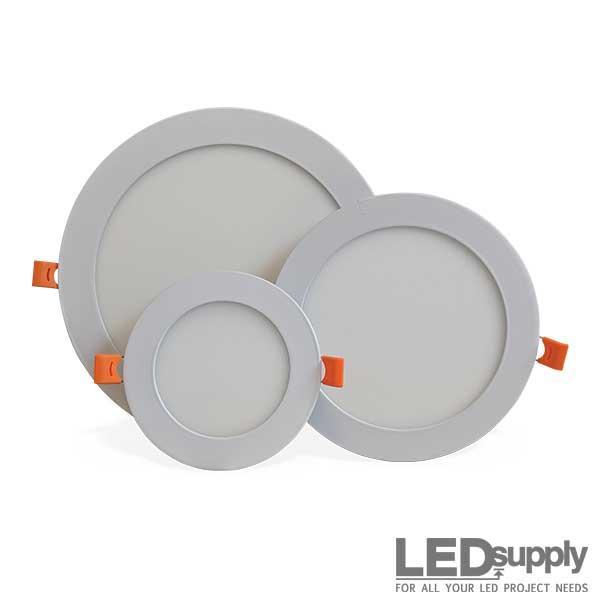
Layer warm, dimmable lighting using recessed LEDs, concealed strips and low glare fixtures to mimic natural glow
Think in layers: start with warm, dimmable recessed leds for clean task light, then add concealed strips to trace shelves, niches and the underside of counters so stone and textures seem to glow from within. Choose amber-tinted tones (about 2700-3000K) and high CRI to keep skin tones and natural materials honest; frosted lenses and low-glare trims will give that gentle, cave-like halo rather of hard spots. Wiring the fixtures to multiple dimmers or a scene controller lets you shift from shining morning routines to a soft, meditative wash that feels like daylight softened by stone.
- Use recessed cans for direct task lighting above vanity and shower
- Hide LED strips in niches, behind mirrors and under counters for ambient glow
- Choose low-glare sconces or wall washers for accents
- Specify 2700-3000K, CRI >90 for natural warmth
- Separate circuits/dimmers for layered scene control
Layering is about balance: let concealed sources bathe textures while low-glare fixtures articulate edges and recessed LEDs handle precision. By thinking of light as sculptural-soft backlight to reveal veining, shallow washes to widen shadowed corners-you create a calming, spa-like cave where every surface breathes. Small, purposeful lighting diagrams and a simple control scheme will keep the effect cohesive and effortless.
| Fixture | Best Use | Effect |
|---|---|---|
| Recessed LED | Vanity, shower | Clear task with soft edge |
| Concealed LED strip | Niches, under counters | Subtle ambient glow |
| Low-glare sconce | Accent walls | Warm sculpting wash |
Choose resilient, low maintenance finishes like honed basalt, tumbled travertine and breathable lime plaster with robust waterproofing
choose materials that read as ancient rock but behave like modern surfaces: honed basalt offers a soft, matte touch with the slip resistance and depth of a natural cave floor; tumbled travertine brings warm veining and a timeworn patina that masks water spots and scuffs; while breathable lime plaster gives walls a velvet, steam-amiable finish that regulates humidity rather than trapping it. These finishes are inherently low-contrast and forgiving,so a splash or soap scum becomes part of the story,not an eyesore. Rapid benefits to highlight:
- Easy care – gentle wipes and occasional neutral cleaner
- Longevity – natural patina improves the look over time
- Comfort – tactile, non-reflective surfaces that feel warm and calming
Underneath that wild, grotto-like aesthetic, specify professional-grade waterproofing and detailing so the beauty lasts. Pair the wall lime plaster with a discreet vapor-permeable membrane and use cementitious or liquid-applied waterproofing at wet zones; bed tile on a flexible mortar and slope toward a linear drain for maintenance-free performance. For practical upkeep, a simple care chart helps keep the spa-cave serene:
| Area | Routine |
|---|---|
| Stone floor | Mop weekly, reseal every 3-5 years |
| Lime plaster walls | Dust monthly, spot clean with mild soap |
Bold detailing – quality drains, hidden flashing, and properly lapped membranes – keeps the cave feeling authentic while preventing costly repairs, so the space remains a tactile refuge rather than a maintenance chore.
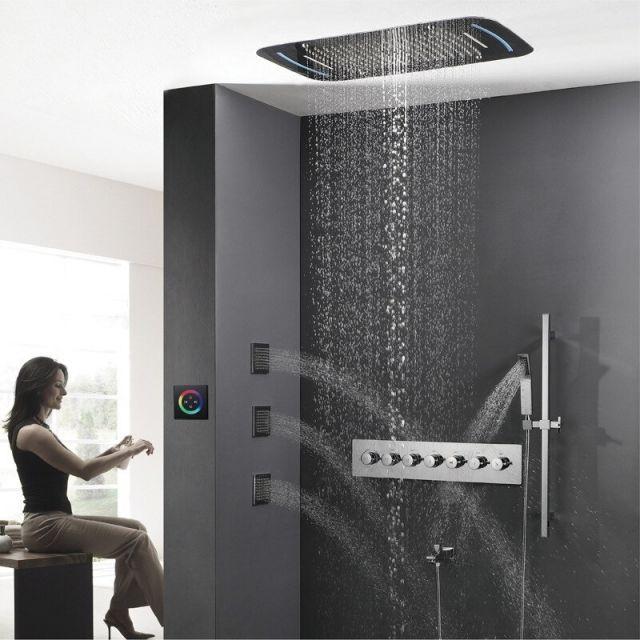
Incorporate spa systems and practical comforts such as a steam option, bench seating, underfloor heating, discreet storage and efficient ventilation
Think of this space as a warm, sculpted refuge where engineering hides beneath natural materials. A discreet steam option turns routine showers into clouded moments of calm, while bench seating-either built-in stone or teak-invites slow breaths and lingering rituals. Underfoot,underfloor heating removes the shock of cold tiles and keeps humidity balanced; pair it with efficient ventilation so the cave stays fresh without blowing away the steam. Clever hidden storage keeps surfaces sculptural and uncluttered: recessed niches, drawer benches and magnetic panels preserve the minimalist feel while keeping essentials at hand.
- Steam option: enveloping warmth, therapeutic benefits
- Bench seating: comfort that reads as architectural
- Underfloor heating: consistent warmth, gentle luxury
- Discreet storage & ventilation: invisible function, visible calm
Practical design decisions let the sensory story play without interruption, so think controls that are intuitive, surfaces that tolerate moisture, and service access that’s out of sight. A small layout guide helps communicate intentions to installers and keeps maintenance predictable:
| Feature | Primary Benefit | Best Location |
|---|---|---|
| Steam generator | Soft,therapeutic humidity | Concealed near shower/steam zone |
| Bench seating | Relaxation & ergonomic rest | Along shower wall or alcove |
| Underfloor heating | Even,invisible warmth | Beneath entire finished floor |
- place ventilation intakes high and exhaust low for balanced airflow.
- Use service panels disguised as tile or wood for hidden access.
- Opt for water-resistant finishes that age gracefully.
Final Thoughts
A bathroom that feels like a spa cave isn’t about copying a look so much as composing an experience: soft light, warm textures, hushed materials and a careful balance of simplicity and comfort. Whether you start with a single steam-proof light, a reclaimed stone shelf, or a plush, moisture-wicking rug, each choice nudges the room toward a quieter, more intentional ritual.
Take small,deliberate steps-test finishes,tune the lighting,and let humidity-friendly plants or natural scents guide the atmosphere-so your space evolves with use. If you’re unsure, consult a designer or contractor who understands waterproofing and ventilation; a true cave-like calm must also be resilient.
When the last towel is folded and the lights dim, your bathroom shoudl feel like a pause you can return to: a personal retreat carved out of everyday life.