Midwest winters are known for their harsh, freezing temperatures, and homeowners know that cold weather can do more than just make things uncomfortable—it can also wreak havoc on plumbing systems. Frozen pipes, burst lines, and water damage are common issues during the winter months, but with proper preparation, many of these problems can be avoided. Taking the time to winterize your plumbing system before temperatures drop can save you from costly repairs and major disruptions.
One of the most important steps in preparing your plumbing is insulating exposed pipes. Pipes located in unheated areas such as basements, crawl spaces, garages, and exterior walls are especially vulnerable to freezing. When water inside these pipes freezes, it expands, increasing pressure and potentially causing the pipe to crack or burst. Using foam pipe insulation or heat tape is an effective way to protect these areas. Even a small investment in insulation can prevent significant damage later on.
Another key preventative measure is sealing any air leaks around your home. Cold air entering through gaps near windows, doors, or where pipes enter the home can cause nearby pipes to freeze. Use caulk or weatherstripping to close these openings and keep warm air inside. This not only protects your plumbing but also improves your home’s overall energy efficiency.
Maintaining a consistent indoor temperature is also crucial. While it may be tempting to lower your thermostat to save money when you’re away, doing so can increase the risk of frozen pipes. Keeping your home at a steady temperature—typically no lower than 55°F—helps ensure that warm air continues to circulate around your plumbing system. If you plan to be away for an extended period, consider having someone check on your home or installing a smart thermostat for remote monitoring.
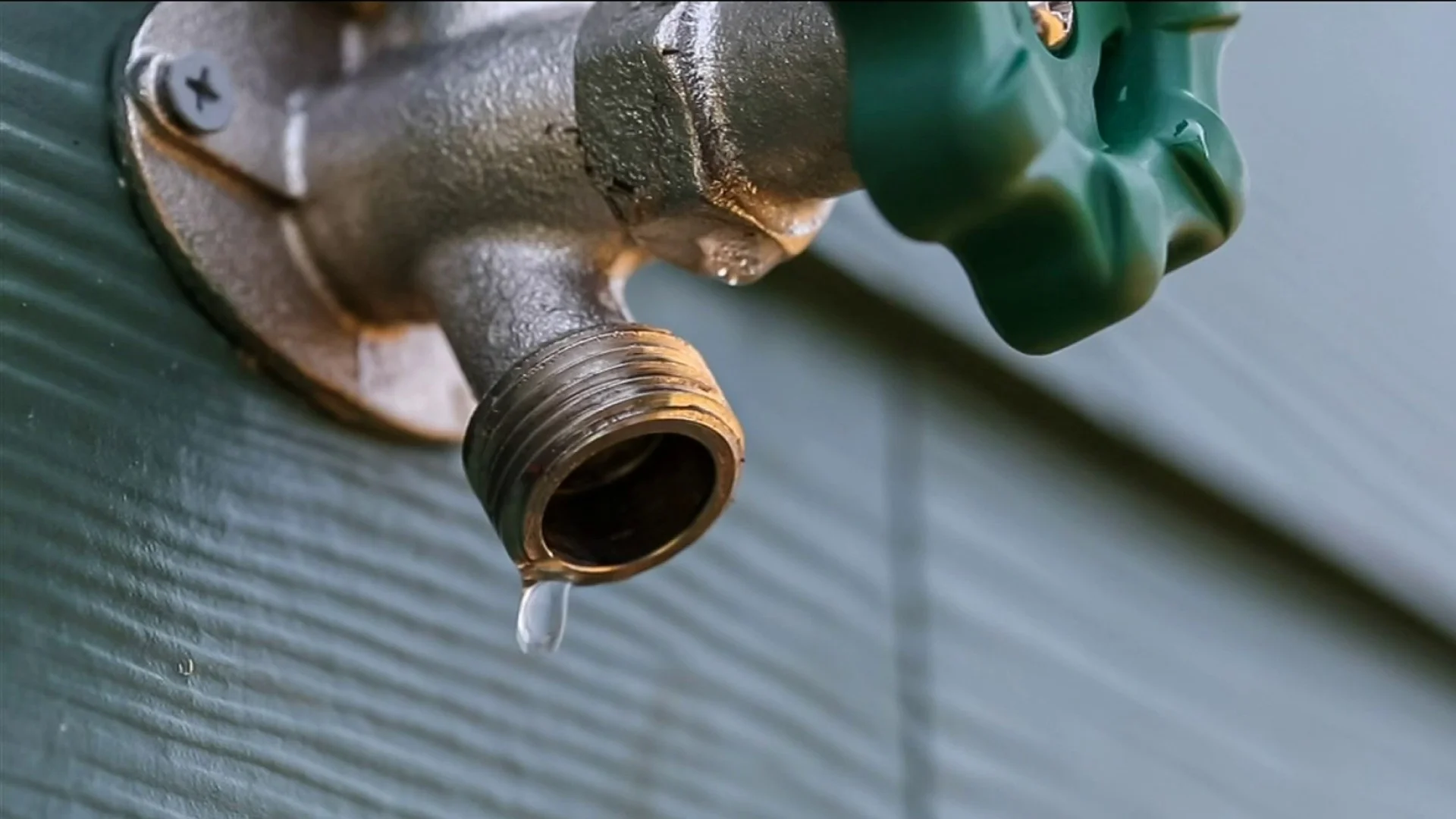
Allowing faucets to drip during extremely cold weather is another simple but effective strategy. Running water, even at a slow drip, helps prevent pressure from building up inside pipes, reducing the likelihood of freezing. Focus on faucets connected to pipes along exterior walls, as these are most at risk.
Outdoor plumbing should not be overlooked. Disconnect garden hoses and drain outdoor faucets before the first freeze. Leaving hoses attached can trap water inside the pipe, increasing the risk of freezing and damage. Installing frost-free hose bibs or covering outdoor spigots with insulated covers can provide additional protection.
Your water heater also plays an important role during the winter months. Ensuring it is functioning properly will help maintain a steady supply of hot water when you need it most. Flushing the tank to remove sediment buildup and checking for signs of wear can improve efficiency and extend the life of the unit. If your system is older or struggling to keep up, it may be worth having it inspected before winter sets in.
Finally, knowing where your main water shut-off valve is located can make a big difference in an emergency. If a pipe does burst, shutting off the water quickly can minimize damage to your home. Every homeowner should be familiar with this valve and ensure it is easily accessible.
Preparing your plumbing for Midwest winters doesn’t have to be complicated, but it does require attention to detail. Taking proactive steps now can prevent frozen pipes, costly repairs, and unnecessary stress later. If you’re unsure where to start or want professional assistance, T&T Plumbing can help ensure your system is ready to handle even the coldest temperatures.