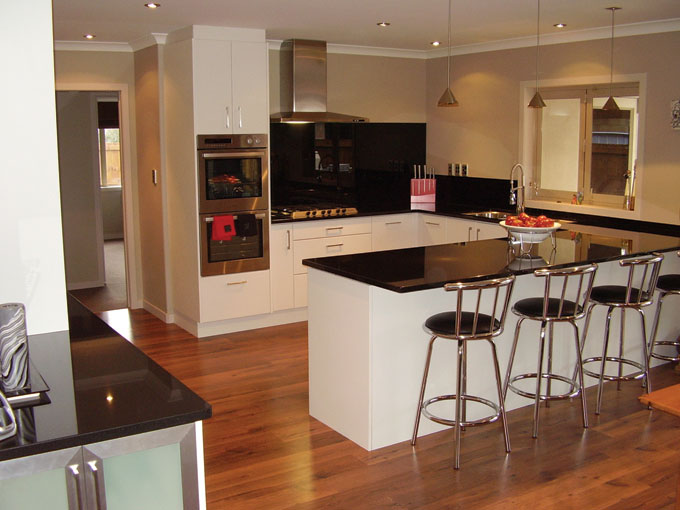
Creating an open-concept living space is one of the most popular upgrades in modern homes. The idea is simple: remove a wall, open things up, and instantly make your home feel brighter, bigger, and more connected.
But as one homeowner recently discovered, not every wall is meant to come down.
A Dream Layout—And an Unexpected Problem
The renovation started like many others—with a vision of combining rooms into one seamless space. The wall separating the living area was removed with the assumption it was just framing, nothing structural.
At first, everything seemed fine.
Then came the subtle signs:
- A slight dip in the ceiling
- Framing that no longer felt quite level
- A growing realization that something wasn’t right
What had seemed like a straightforward DIY-style upgrade quickly turned into a structural concern.
The Moment Everything Changes
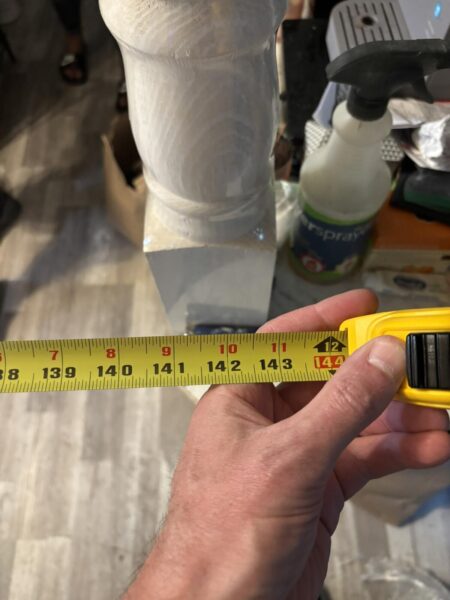
Midway through the project, temporary supports had to be installed to prevent further movement in the home—a clear sign that the removed wall had been doing far more work than expected.
imageturn0image0
(Image: temporary support being measured on site)
This moment—when temporary shoring goes in—is often when a renovation shifts from cosmetic to critical.
Why Removing the Wrong Wall Matters
Not all walls divide space—some hold it together.
Load-bearing walls quietly support the weight of floors and structures above. When one is removed without a plan in place:
- Weight has nowhere to go
- Structures begin to shift
- Small changes can lead to expensive repairs
The sagging in this home wasn’t just cosmetic—it was the home adjusting to a missing piece of its structural system.
The Fix: Blending Design With Engineering
To move forward safely, a structural engineer was brought in to assess the situation and design a solution that would both stabilize the home and preserve the homeowner’s vision.
The fix required installing a structural beam to replace the removed wall—essentially recreating the support in a new, more open form.
But here’s where design meets reality:
The original plan called for a wide, uninterrupted opening. To make the structure work safely and efficiently, the opening had to be slightly reduced—by just a few inches.
That small change made all the difference.
The Takeaway: Design Dreams Need Structural Support
This story isn’t about a failed renovation—it’s about a course correction done right.
With the right expertise:
- The open-concept layout was preserved
- The structure was stabilized
- The project stayed aligned with the original vision
And perhaps most importantly, the homeowner avoided a much more serious issue down the line.
What Every Homeowner Should Know
Before removing any wall in your home, keep these key points in mind:
1. Not All Walls Are Created Equal
Even walls that seem minor can play a major structural role.
2. Watch for Warning Signs
Sagging, cracking, or shifting during renovation should never be ignored.
3. Know When to Call in Help
Bringing in a professional early—or even mid-project—can save time, money, and stress.
4. Flexibility Is Key
Sometimes the best design outcome comes from small adjustments, not big compromises.
Final Thoughts
Open-concept living is all about freedom and flow—but achieving it safely requires more than just removing walls.
It requires understanding what those walls do.
In this case, a nearly invisible detail—just a few inches of structural adjustment—was the difference between a risky renovation and a successful transformation.
Because in great design, what you don’t see matters just as much as what you do.