
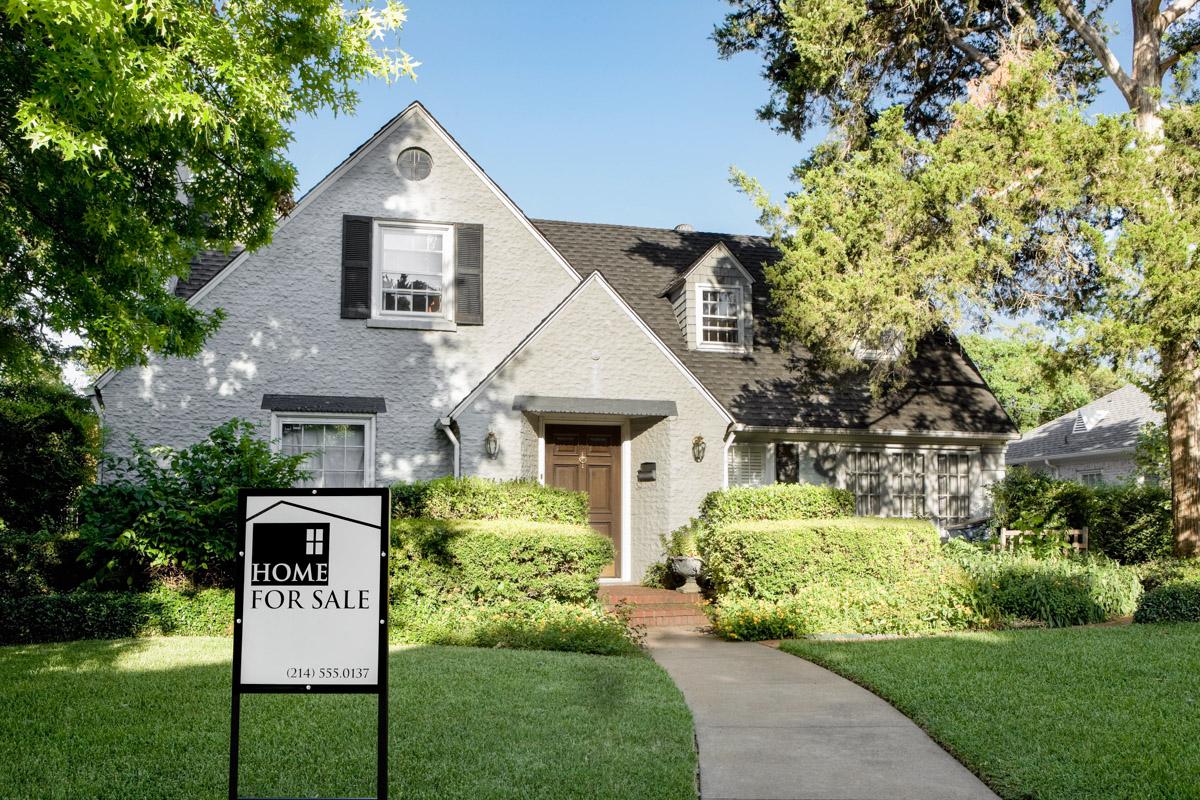
Selling a rental property in Wilmington is not quite like selling a regular house. You have tenants to think about, rental income to weigh against a sale, and local market conditions that shift depending on the season. Whether your rental has turned into a headache or you simply want to cash out on a good investment, this guide walks you through every step so you can sell smart and avoid costly mistakes along the way.
Check Your Lease and Tenant Situation First
Before you list anything, look closely at your lease agreement. If your tenant has a fixed-term lease, you generally cannot force them out just because you found a buyer. You will need to either wait until the lease ends, sell the property with the tenant in place, or offer a move-out incentive that works for both sides.
Month-to-month tenants are usually easier to work with since North Carolina law only requires a short written notice period. Talk to your tenant early and honestly. A cooperative tenant who keeps the home clean for showings can actually make your sale go faster, while a frustrated one can slow everything down. Keeping the property free of overly personalized moody interiors can also help create a brighter, more inviting space that appeals to a wider range of buyers.
It also helps to review your local ordinances around notice periods and security deposit returns, since these details vary by lease type and can affect your closing date more than people expect.
What’s Your Property Worth Right Now
Rental properties are priced differently from owner-occupied homes. Buyers looking at investment property care about cap rate, monthly cash flow, and occupancy history just as much as curb appeal. Pull your rent rolls, expense records, and recent comparable sales in your neighborhood before setting a number.
Wilmington’s market has pockets that move fast, like areas near downtown and the beach communities, while other neighborhoods sit longer on the market. A local appraiser or an agent who specializes in investment sales can give you a realistic figure instead of a guess based on online estimates.
Fixing Up vs Selling As-Is
Rental homes tend to show wear faster than a house someone lives in and loves. You have to decide if it makes sense to repaint, replace flooring, and update fixtures before listing, or if selling as-is to an investor buyer is the smarter move.
Small cosmetic fixes like fresh paint and clean carpets often pay for themselves. Bigger repairs, such as a new roof or HVAC system, only make sense if you plan to list on the open market to owner-occupant buyers who expect a move-in-ready home.
Picking the Right Way to Sell
You have a few real options here. Listing with a real estate agent puts your property in front of the widest pool of buyers, yet it also means showings, inspections, and a longer closing timeline, which can be tricky with tenants still living there.
Selling directly to a cash buyer is a popular route for landlords who want speed and simplicity. Companies like Cape Fear Cash Offer purchase rental properties as-is, tenants and all, which removes the pressure of coordinating showings or waiting on financing approvals.
Whichever path you pick, make sure the buyer understands the tenant situation upfront. Surprises during closing tend to create delays that nobody wants.
Taxes You Need to Plan For
Selling a rental property almost always triggers capital gains tax, and if you have been claiming depreciation over the years, you will likely owe depreciation recapture too. This can add up to a noticeable chunk of your profit, so it pays to talk with a tax professional before you sign anything.
A 1031 exchange is worth researching if you plan to reinvest the proceeds into another property. It allows you to defer taxes by rolling your gains into a new investment within a set timeframe, though the rules around timing are strict.
Keep receipts for any capital improvements you made over the years, too, since these can raise your cost basis and lower the taxable gain when the sale finally closes.
Getting Your Paperwork in Order
Gather your lease agreements, security deposit records, maintenance history, and any HOA documents well before closing. Buyers and their lawyers will ask for these, and having them ready keeps your sale moving instead of stalling at the finish line.
Timing Your Sale Around Wilmington’s Market
Spring and early summer tend to bring the most buyer activity in Wilmington, partly because families want to settle before the school year and partly because the coastal weather draws more interest in the area overall. Listing during this window can mean a quicker sale and stronger offers.
Investor buyers looking for rental income properties often shop year-round, so timing matters less if you are selling to that audience rather than an owner-occupant. Consider your tenant’s lease end date alongside seasonal demand when picking your listing date.
| Selling a rental property in Wilmington takes a bit more planning than a standard home sale, though it does not have to be stressful. Once you understand your lease terms, know your property’s real value, and choose the selling method that fits your situation, the rest of the process falls into place. Take your time, ask the right questions, weigh your options carefully, and you will land on a sale that works for you and your bottom line, tenants and all. |
|---|
FAQ
Q1: What should I check before selling my rental property in Wilmington?
Answer: Before listing your property, review your lease agreement and tenant situation. If your tenant has a fixed-term lease, you may need to wait until it ends or negotiate a move-out incentive. For month-to-month tenants, North Carolina law requires a short written notice, making it easier to sell. Communicating openly with your tenants can also help facilitate the sale process.
Q2: How do I determine the value of my rental property?
Answer: Rental properties are valued differently from owner-occupied homes. Focus on factors like cap rate, monthly cash flow, and occupancy history instead of just curb appeal. Gather rent rolls, expense records, and recent comparable sales in your area. Consulting a local appraiser or a real estate agent specializing in investment sales can provide a more accurate valuation.
Q3: Should I fix up my rental property before selling or sell it as-is?
Answer: This decision depends on the condition of your property and your target buyer. Small cosmetic fixes, like fresh paint and clean carpets, can often pay off, while larger repairs may only make sense if you’re listing to owner-occupant buyers. If you plan to sell to an investor, selling as-is may be the smarter choice.
Q4: What tax implications should I be aware of when selling my rental property?
Answer: Selling a rental property usually triggers capital gains tax, and if you’ve claimed depreciation, you may owe depreciation recapture as well. It’s advisable to consult a tax professional before selling. If you plan to reinvest in another property, consider a 1031 exchange to defer taxes, but be mindful of the strict timing rules involved.