A home renovation can do more than refresh a room or give your property a new look. With the right improvements, it can also help reduce monthly utility bills, improve indoor comfort, and make everyday living more affordable.
The challenge is knowing which upgrades are worth the investment. A fresh coat of paint, new flooring, or updated fixtures can transform a space, but the improvements that make the biggest difference to household expenses often happen behind the walls, above the ceiling, or inside the systems that keep your home comfortable.
Air leaks, insufficient insulation, outdated heating and cooling equipment, and inefficient appliances can all contribute to unnecessary energy use. According to the U.S. Department of Energy, addressing these problems through targeted improvements can help households reduce energy waste and improve comfort. Results depend on the home’s existing condition, local climate, energy prices, and the upgrades selected.
The good news? You don’t need to renovate your entire house at once. A practical approach starts with identifying where energy is being wasted and prioritizing improvements that offer the greatest benefit for your budget.
1. Improve Insulation to Keep Your Home Comfortable
Insulation is one of the most important components of an energy-efficient home. It slows the transfer of heat between indoor and outdoor spaces, helping maintain more consistent temperatures throughout the year.
During hot weather, effective insulation can help limit heat entering your living spaces. In colder climates, it helps retain warmth and reduces the workload on your heating system.
Without adequate insulation, your heating and cooling equipment may need to operate longer to maintain your preferred temperature.
Where should you add insulation?
Start by examining areas where insulation is often inadequate or deteriorated:
- Attics and ceilings: These areas can contribute significantly to unwanted heat transfer.
- Exterior walls: Proper wall insulation helps stabilize indoor temperatures.
- Floors above unheated spaces: Insulating these areas can improve comfort, especially in colder regions.
- Basements and crawl spaces: Appropriate insulation can help reduce heat loss and address certain moisture-related concerns.
The best insulation type and thickness depend on your climate, building construction, and existing materials.
Before adding insulation, address moisture problems and seal relevant air leaks. Covering a damp area without correcting the underlying issue can create additional problems.
Practical tip: If you’re already renovating a room, inspect accessible wall cavities and ceilings before closing them up. It may be more convenient to improve insulation during the project than to reopen finished surfaces later.
2. Seal Air Leaks Around Windows and Doors
Even a well-insulated home can waste energy if outside air enters through gaps around windows, doors, and other openings.
These leaks can make rooms feel drafty, allow humid outdoor air to enter, and increase the demand on heating or cooling equipment.
Air sealing is often a relatively affordable first step compared with major renovations.
Simple ways to reduce drafts
Consider the following improvements:
- Apply suitable caulk around stationary window frames and other small gaps.
- Install weatherstripping around movable doors and windows.
- Add door sweeps where appropriate to close gaps beneath exterior doors.
- Seal accessible gaps around plumbing penetrations and other openings using materials suited to the location.
- Check attic access panels and other overlooked openings.
Not every gap should be sealed indiscriminately. Bathrooms, kitchens, combustion appliances, and other areas may require intentional ventilation or specific clearances for safety.
If you suspect leaks throughout the home, a professional energy assessment can help identify their location and determine which repairs should come first.
Why it matters: Air sealing can improve comfort while reducing the amount of conditioned air escaping from your home. When combined with appropriate insulation, it can also help your heating and cooling systems work more efficiently.
3. Upgrade to More Efficient Heating and Cooling
Heating and cooling systems can account for a substantial portion of household energy consumption. When equipment is outdated, poorly maintained, or incorrectly sized, operating costs can increase.
Replacing an inefficient system may be worthwhile, but a new unit isn’t automatically the best first investment.
Before purchasing equipment, check whether the existing system needs maintenance, whether ducts are leaking, and whether the building envelope is allowing conditioned air to escape.
What upgrades should you consider?
Maintain your current system. Replace or clean filters according to the manufacturer’s recommendations, keep outdoor units clear of obstructions, and schedule appropriate professional maintenance.
Seal and insulate ductwork. Leaky or poorly insulated ducts can waste conditioned air, especially when they run through attics, crawl spaces, or other unconditioned areas.
Consider a high-efficiency heat pump. Depending on your climate, electricity rates, and existing equipment, a heat pump may provide efficient heating and cooling. Compare installation costs, operating expenses, and performance ratings before making a decision.
Replace equipment when necessary. If your system frequently breaks down or struggles to maintain comfortable temperatures, compare replacement options using efficiency ratings, installation costs, and estimated annual energy use.
A properly sized system is important. Oversized or undersized equipment can create performance and comfort problems even when its efficiency rating looks attractive.
4. Install a Programmable or Smart Thermostat
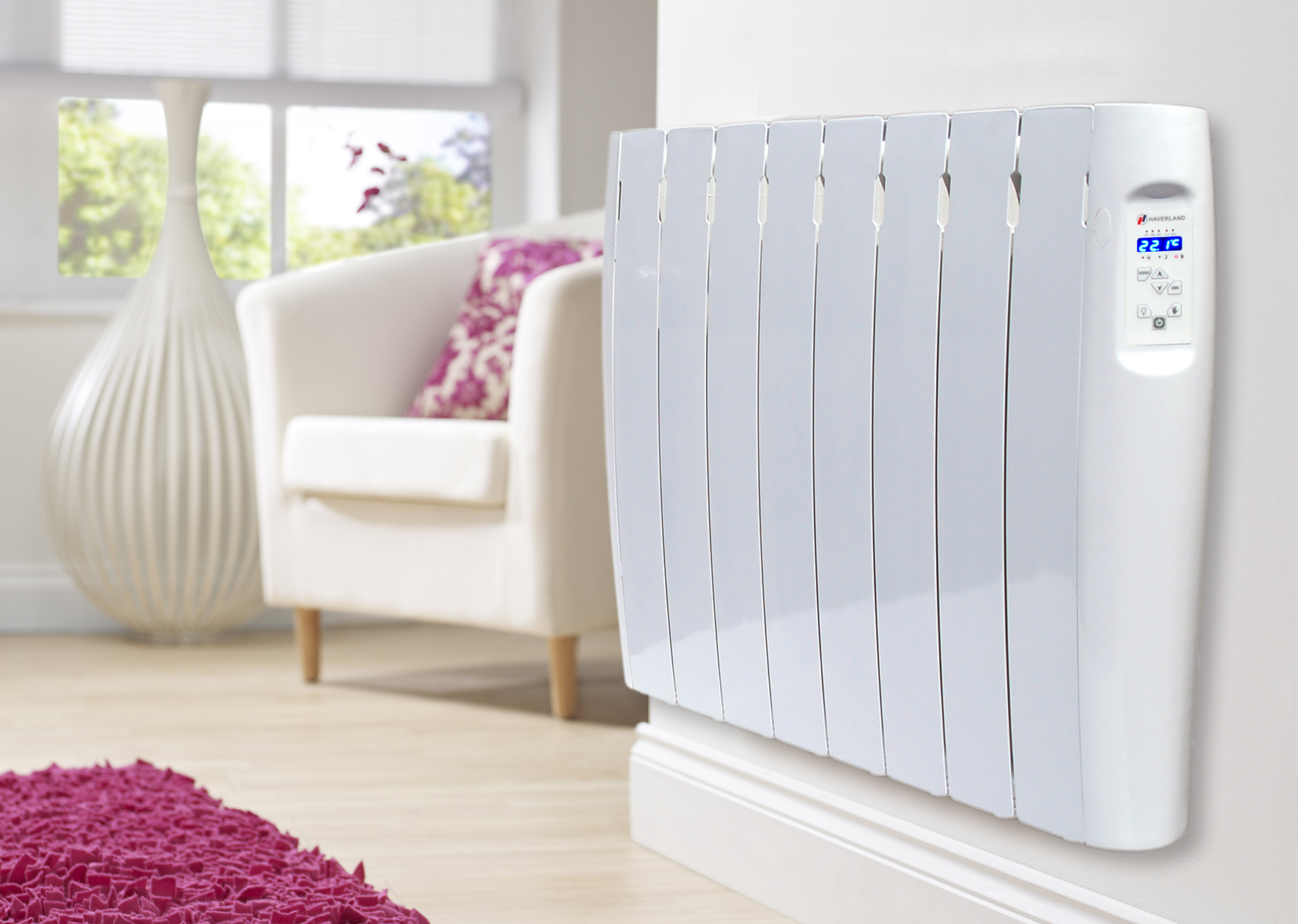
A programmable thermostat helps manage heating and cooling schedules automatically. A smart thermostat may offer additional features, such as remote control, scheduling assistance, and energy-use reports.
These devices can help prevent unnecessary heating or cooling when the home is empty or when occupants are asleep.
For example, a household that regularly leaves for work or school can schedule temperature adjustments around its daily routine rather than maintaining the same setting all day.
Choose a thermostat that matches your system
Before purchasing one, verify compatibility with your heating and cooling equipment. Some systems, including certain heat pumps and specialized heating arrangements, require particular controls or settings.
Avoid assuming that extreme temperature adjustments will always save energy. The best strategy depends on your equipment, climate, comfort needs, and how quickly your home gains or loses heat.
Practical tip: Begin by reviewing your current temperature settings and operating schedule. A thermostat upgrade is most useful when it helps you avoid unnecessary system operation without compromising comfort.
5. Replace Outdated Light Bulbs With LEDs
Lighting is one of the simplest places to start reducing electricity consumption.
LED bulbs generally use substantially less electricity than traditional incandescent bulbs while providing comparable light output. They also tend to last longer, reducing the frequency of replacement.
You don’t need to replace every bulb at once.
Start with lights that remain on for several hours each day, such as kitchen fixtures, living room lamps, porch lights, and frequently used bathroom lighting.
Make lighting upgrades work with your home’s design
Energy efficiency doesn’t mean sacrificing atmosphere or style.
When selecting LEDs, consider:
- Brightness: Compare lumens rather than relying only on wattage.
- Color temperature: Warm white lighting can create a cozy atmosphere, while cooler tones may suit task-oriented spaces.
- Dimming compatibility: Check that the bulb and dimmer are designed to work together.
- Fixture compatibility: Confirm that the bulb suits the fixture’s size, enclosed design, and operating conditions.
During a renovation, consider whether the placement of light fixtures can also be improved. Better task lighting may allow you to illuminate work areas effectively without lighting an entire room unnecessarily.
6. Upgrade to Energy-Efficient Appliances
Refrigerators, washing machines, dryers, dishwashers, and other household appliances can contribute significantly to utility costs.
If an appliance is nearing the end of its useful life, replacing it with a more efficient model may reduce ongoing energy or water consumption.
However, replacing a functioning appliance solely to save electricity isn’t always the most economical choice. The purchase price, expected energy savings, maintenance costs, and remaining useful life all matter.
How to choose the right appliance
Look for credible efficiency certifications, compare annual energy-use estimates, and choose a capacity that suits your household.
An oversized appliance may cost more to purchase and operate than necessary. On the other hand, an appliance that is too small may require more frequent use.
You can also reduce operating costs by making better use of existing equipment:
- Wash appropriate loads with cold water.
- Run dishwashers with full loads when practical.
- Clean refrigerator coils when the manufacturer recommends it.
- Avoid blocking appliance vents.
- Use efficient drying settings where suitable.
- Turn off equipment that consumes unnecessary standby power.
These measures can complement larger improvements without requiring a major renovation.
7. Reduce Water Heating and Water Waste
Utility savings aren’t limited to electricity used for lighting and climate control. Water consumption and water heating can also affect household expenses.
Efficient fixtures can reduce water use without making everyday activities less convenient.
Consider these improvements
Install low-flow showerheads and faucet aerators. These fixtures can reduce water flow while maintaining useful performance when properly selected.
Repair leaking faucets and toilets. Even small leaks can waste water over time, particularly when they go unnoticed.
Choose an efficient water heater when replacement is due. Depending on local conditions, an efficient conventional unit or heat pump water heater may reduce energy consumption.
Insulate accessible hot-water pipes where appropriate. Suitable insulation can reduce heat loss and help hot water reach fixtures more efficiently.
Review water-heater settings. Follow manufacturer guidance and applicable safety recommendations rather than making arbitrary temperature changes.
If your home uses a water heater that is nearing the end of its service life, compare replacement options before an emergency forces a quick purchase.
8. Improve Windows and Exterior Shading
Windows influence how much heat enters or leaves your home. Their performance depends on factors such as glazing, frame material, installation quality, air leakage, orientation, and local climate.
Replacing all your windows can be expensive, so assess the condition of existing units before committing to a full replacement.
Start with lower-cost improvements
- Repair damaged weatherstripping.
- Seal appropriate gaps around window frames.
- Use insulated curtains or blinds when useful.
- Add exterior shading to reduce direct solar heat gain.
- Repair or replace damaged window components.
In warm climates, shading windows that receive intense direct sunlight can reduce indoor heat gain and help ease air-conditioning demand. In colder climates, well-performing windows can help reduce heat loss.
When window replacement is necessary, compare whole-window performance ratings and select products suited to your region.
Don’t overlook installation quality. A high-performance window installed with poorly sealed gaps may not deliver the expected results.
9. Consider Solar Panels After Reducing Energy Waste
Solar panels can reduce the amount of electricity a household purchases from its utility provider. However, their financial value depends on more than the amount of sunlight your roof receives.
Before investing, consider your electricity rates, roof condition, shading, system size, installation cost, maintenance needs, and local rules for connecting to the grid.
Your utility provider’s compensation arrangements for excess electricity can also affect the payback period.
Make your home efficient first
Reducing unnecessary energy use can help you determine what size solar system, if any, makes sense for your household.
For example, sealing air leaks, improving insulation, and replacing inefficient equipment may reduce your total electricity demand. That information can help you avoid paying for a larger solar installation than you need.
Solar panels generally require a larger initial investment than simple efficiency measures, so compare realistic long-term costs rather than relying on advertised savings alone.
10. Start With an Energy Assessment and a Realistic Budget
With so many possible improvements, it can be difficult to decide where to begin.
A home energy assessment helps identify areas of energy waste and provides a basis for prioritizing improvements. Depending on the home, an assessment may involve checking insulation, inspecting air leaks, reviewing equipment, and examining utility bills.
Build an upgrade plan
Use the following approach to make decisions more manageable:
- Review utility bills. Compare consumption across several months and identify seasonal increases.
- Inspect the home. Look for drafts, inadequate insulation, leaking fixtures, and outdated equipment.
- Prioritize cost-effective repairs. Start with improvements that address clear problems and require relatively modest spending.
- Compare larger investments. Evaluate equipment replacements, window upgrades, and solar installations using realistic cost and savings estimates.
- Track the results. Compare energy and water consumption after the work is completed, accounting for weather and changes in household routines.
When estimating payback, divide the project’s upfront cost by its expected annual savings. This simple calculation provides an initial comparison, although it doesn’t account for financing, future energy prices, maintenance, or equipment lifespan.
Also check for rebates, incentives, or financing programs that may be available in your area. Eligibility and availability can change, so confirm the current terms before including an incentive in your budget.
Conclusion: Make Every Home Improvement Count
Reducing monthly utility bills doesn’t always require a complete renovation. Improvements such as sealing air leaks, upgrading insulation, installing LED lighting, maintaining HVAC equipment, and reducing water waste can all contribute to a more efficient home.
The most effective approach is to understand how your home uses energy before deciding where to spend money. A small repair may provide better value than an expensive replacement, while a major upgrade may make sense when existing equipment is inefficient or nearing the end of its useful life.
If you’re already planning a renovation, use the opportunity to look beyond appearance. Consider what lies behind the walls, how air moves through the home, and how efficiently your appliances and mechanical systems operate.
With careful planning and the right priorities, home improvements can support a more comfortable living environment while helping keep ongoing household expenses under control.
Author: NextBLDG
Author Bio: NextBLDG provides insights, ideas, and inspiration for modern living, home design, architecture, home improvement, real estate, technology, and lifestyle trends. The content focuses on helping readers make informed decisions while creating beautiful, functional, and future-ready spaces.
10. KEY TAKEAWAYS
- Improve insulation and seal air leaks to reduce unnecessary heating and cooling.
- Maintain HVAC equipment before deciding whether a costly replacement is necessary.
- Use programmable or smart thermostats to manage temperature schedules.
- Replace frequently used incandescent bulbs with suitable LED alternatives.
- Compare appliance efficiency, operating costs, and purchase prices before upgrading.
- Reduce water waste with efficient fixtures and timely leak repairs.
- Evaluate window improvements and solar panels based on climate, costs, and household needs.
- Review utility bills and prioritize improvements using realistic savings estimates.
11. FAQ SECTION
1. What home upgrades reduce monthly utility bills the most?
The best upgrades depend on your home and local climate. Air sealing, insulation, efficient heating and cooling, duct repairs, and energy-efficient appliances can provide meaningful savings when they address existing inefficiencies.
2. What is the cheapest way to lower utility bills?
Start with low-cost measures such as sealing suitable gaps, installing LED bulbs, cleaning HVAC filters as recommended, repairing leaks, and adjusting heating and cooling schedules.
3. Does adding insulation really lower energy bills?
Yes, when existing insulation is insufficient and the improvement reduces unwanted heat transfer. Results depend on the building, climate, installation quality, and how much insulation is added.
4. Are smart thermostats worth the investment?
They can be worthwhile for households that benefit from automated schedules and temperature control. Savings depend on existing habits, equipment compatibility, and the home’s heating and cooling needs.
5. Should I replace my windows to save energy?
Not necessarily. Repairing air leaks, replacing worn weatherstripping, and adding appropriate window coverings may be more economical. Consider replacement when existing windows are damaged, drafty, or inefficient enough to justify the cost.
6. Do energy-efficient appliances pay for themselves?
They can, but the outcome depends on the purchase price, energy savings, usage frequency, and appliance lifespan. Compare estimated operating costs and avoid replacing functioning equipment without a clear financial or practical reason.
7. How can I calculate the payback period of a home upgrade?
Divide the upfront project cost by the estimated annual utility savings. For example, a $1,200 improvement that saves $200 per year has a simple payback period of six years. Actual results may vary.
8. Should I install solar panels or improve insulation first?
In many homes, reducing energy waste first is a sensible starting point. Better insulation and air sealing can lower energy demand, helping you evaluate an appropriately sized solar installation. However, the best sequence depends on the home’s condition, electricity rates, and available incentives.
NextBldg.com